Mountain climbing isn't just about strength. It's a chess game played with your body against rock, ice, and altitude. The right techniques are what separate a grueling, dangerous ordeal from a challenging, rewarding adventure. I've seen too many strong hikers hit a wall on simple scrambles because they never learned how to move over stone efficiently. Let's fix that.
What You’ll Learn in This Guide
- The Foundation: Essential Skills Before You Climb
- Gear is Useless Without Knowledge: What You Really Need
- Moving on Rock: Techniques That Actually Work
- Safety, Navigation, and the Mountain Mindset
- Taking It to the Next Level: Snow, Ice, and Multi-Day Climbs
- Your Climbing Technique Questions Answered
The Foundation: Essential Skills Before You Climb
You can't run before you walk. Most climbing disasters start with a failure in these basic areas.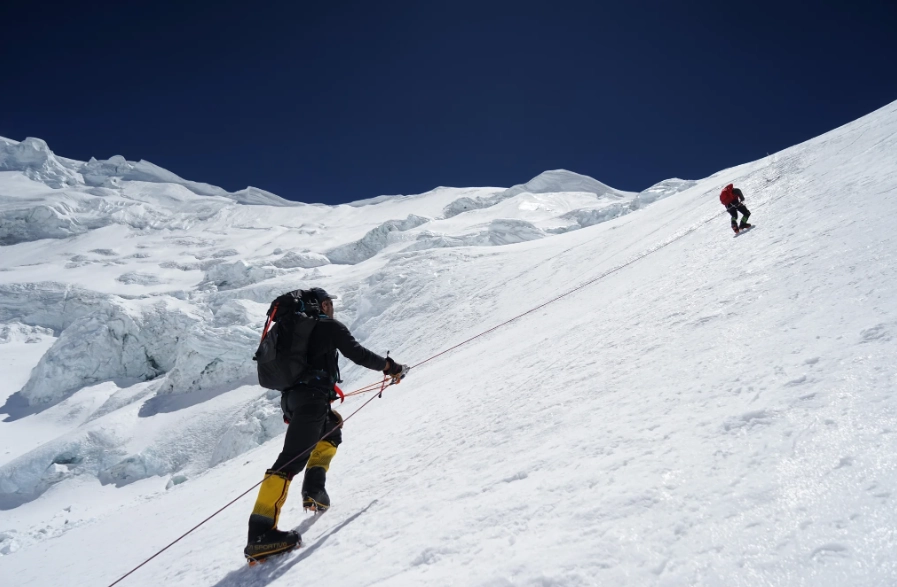
Hiking Isn't Just Walking
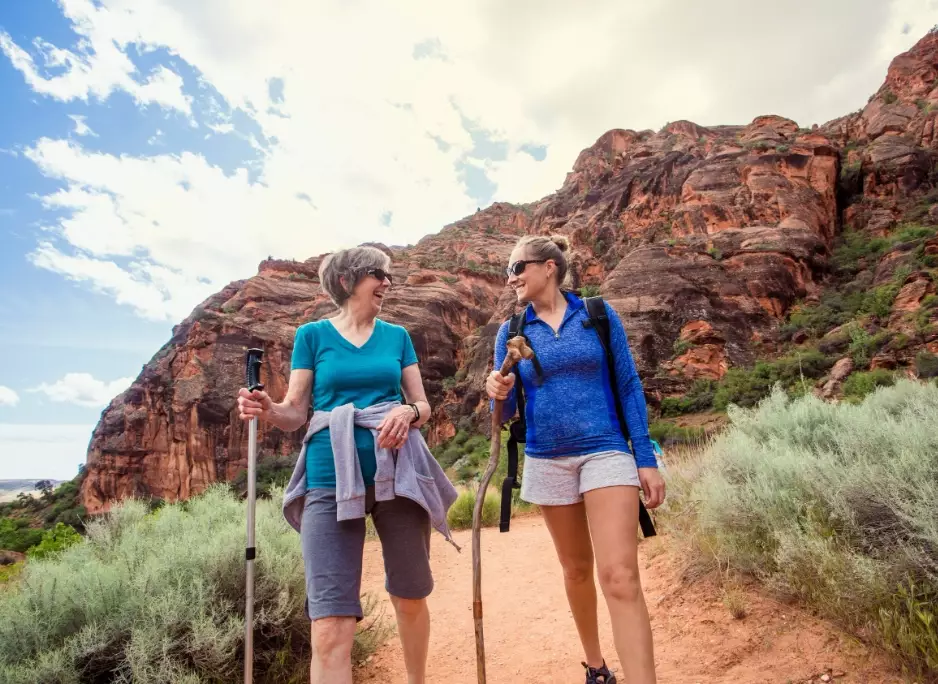
The approach hike is part of the climb. A technique I swear by is the rest step. On steep terrain, you lock your downhill knee for a second with each step. This transfers weight to your skeleton, giving your muscles a micro-break. It feels awkward at first, but it's a game-changer for conserving energy over hours. Pair it with pressure breathing—a forceful exhale to clear CO2—and you've got the foundation for handling altitude.
Navigation Beyond the Phone
Your phone will die. A map and compass won't. The skill most people skip? Taking a bearing in whiteout conditions. Practice in a park: place the compass on the map, rotate the bezel to your direction of travel, hold the compass level, and turn your body until the magnetic needle is boxed in the orienting arrow. Now walk. It's tedious, but it's the technique that will get you off the mountain when you can't see ten feet ahead.
Reading the Sky and the Land
Weather apps are for valleys. Mountains make their own weather. Look for lenticular clouds (smooth, lens-shaped) forming over peaks—a sure sign of strong winds aloft. See cumulus clouds building vertically and darkening at the base? That's a thunderstorm cooking. The rule is simple: if you see it building, you're already late. Turn around.
Gear is Useless Without Knowledge: What You Really Need
Buying gear is easy. Knowing how and when to use it is the skill. Here’s a breakdown that goes beyond the shopping list.
| Gear Category | Core Item | The Critical Technique/Tip |
|---|---|---|
| Footwear | Approach Shoes / Mountaineering Boots | Fit is everything. A boot that's "break-in-able" is a boot that will cause blisters. Your heel must be locked, toes able to wiggle slightly when standing. For most alpine starts, a B2 boot (stiff, accepts crampons) is the versatile workhorse. |
| Clothing | Layering System (Base, Insulation, Shell) | The technique is managing moisture. You vent on the way up (unzip, remove hat) to avoid sweating into your insulation. The moment you stop, you layer up before you get cold. Merino wool or synthetic base layers are non-negotiable; cotton is a death sentence. |
| Safety | Helmet, Harness, Rope | Putting on a harness correctly seems obvious. I've seen people thread the waistbelt backwards. The tie-in loops must be free, the buckle doubled back. For a helmet, it should sit level on your head, not tilted back. The strap should be snug enough that a finger fits between it and your chin. |
| Technical | Crampons & Ice Axe | Flat-footing (French technique) on low-angle ice saves your calves. Front-pointing (German technique) is for steep walls. The axe is a brake, an anchor, and a probe. Self-arrest—stopping a slide on snow—is a full-body motion you must practice until it's muscle memory. |
My Gear Mistake: I once bought a fancy, ultralight ice axe for a steep climb. It was great until I needed to plunge it deep into soft snow for a belay anchor. The thin shaft bent under pressure. Lesson learned: match the tool to the most demanding task you'll ask of it, not the lightest weight on your back.
Moving on Rock: Techniques That Actually Work
This is where climbing becomes an art form. It's about balance, not brute force.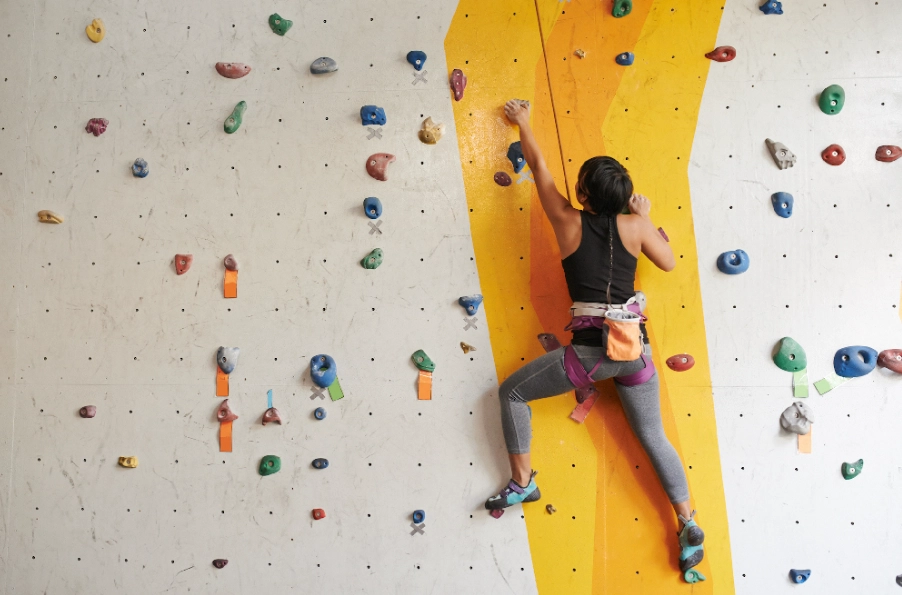
Footwork: The Secret Weapon
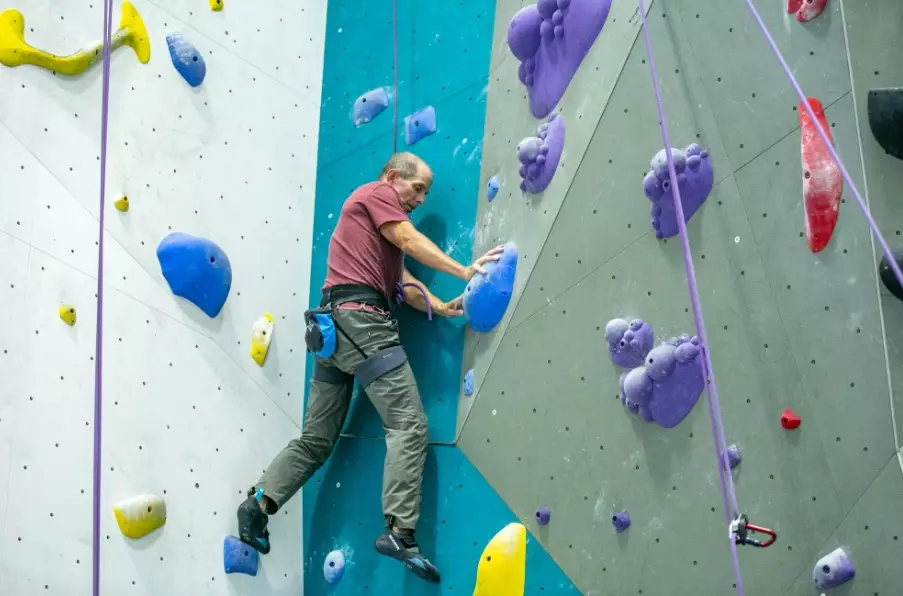
Look at your feet until they are placed. I can't stress this enough. Beginners stare at their hands. Your legs are stronger. Place the inside edge of your rubber precisely on a hold, stand up on it, and reach. Smearing—using friction on a blank slab—requires confidence. You have to commit your weight to the foot, even when it feels like it will slip.
Handholds: How to Grip and When to Let Go
Not all holds are for pulling. Jugs (big holds) are easy. The skill is using crimps (tiny edges) and sidepulls. For a crimp, keep your fingers straight to engage the tendons in your forearm. A sidepull requires you to lean away and use opposition. And sometimes, the best technique is to take your hand completely off and use balance. It feels terrifying, but it works.
Rope Work: It's About Your Partner
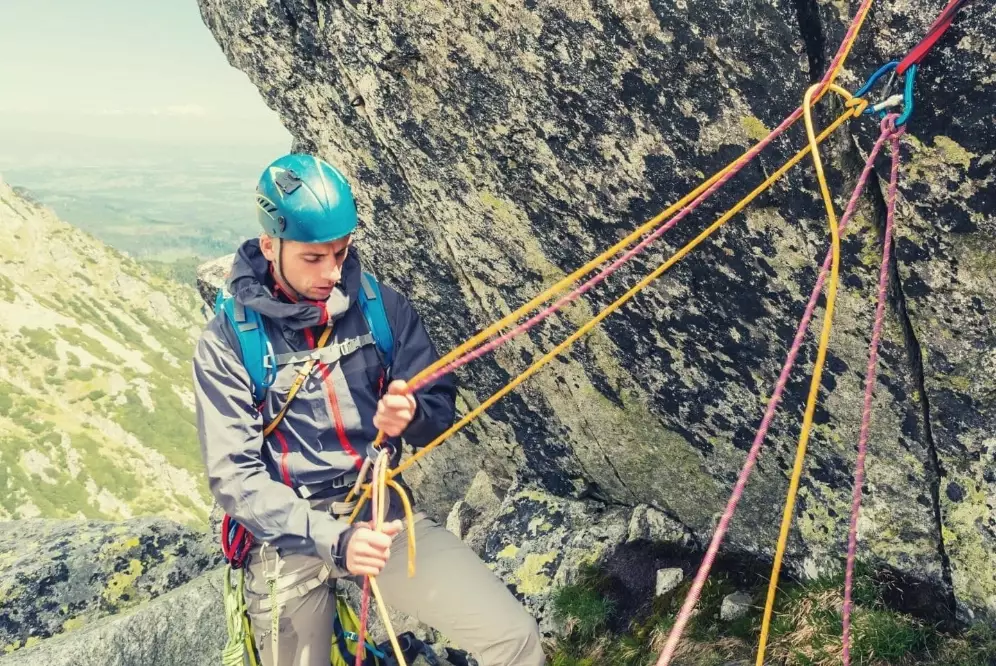
Belaying isn't passive. You're actively managing the rope, keeping a slight bit of tension (a "soft catch") to prevent a falling climber from jerking violently. Communication is a technique. "On belay?" "Belay on." "Climbing." "Climb on." This ritual ensures both minds are focused. Learning to tie a figure-eight follow-through knot blindfolded is a good party trick, but doing it correctly every single time is a life-saving skill.
Safety, Navigation, and the Mountain Mindset
The most advanced technique is knowing when not to climb.
Turnaround time isn't a suggestion. It's a hard rule you set before leaving the trailhead. If you're not at the summit by that time, you go down. No debate. The mountain will be there another day. Ego is the deadliest piece of non-technical gear.
Route-finding is a puzzle. You're looking for the path of least resistance. Often, it's not the straight line. Look for ledges, weaknesses in cliffs, and areas of less dense vegetation. In descent, it's even harder. Stop frequently, look back at your line of ascent, and identify key landmarks. That distinctive tree or rock formation you passed is now your guide down.
Taking It to the Next Level: Snow, Ice, and Multi-Day Climbs
This is where mountaineering truly begins.
Glacier Travel requires roping up, knowing how to arrest a partner's fall into a crevasse, and using prusik knots to ascend a rope. You walk in a tight line, keeping the rope between you and your partners off the snow—no coils. Every step is deliberate.
Building a Snow Anchor—like a deadman (burying an object) or a bollard (carving a mushroom shape in the snow)—is about understanding how snow consolidates. It takes time and calories. You do it because you need absolute trust in your system.
High-Altitude Climbing introduces a whole new set of physiological techniques: acclimatization schedules, managing hydration (you need 4-5 liters a day), and recognizing the subtle signs of altitude sickness in yourself and others. A headache that won't go away with ibuprofen is a red flag.
Your Climbing Technique Questions Answered
 What's a realistic timeline to go from hiking to leading a multi-pitch rock climb?