That iconic photo from Glacier Point. The endless vista from a Grand Canyon rim. We've all seen them. But when you arrive, the parking lot is full, the overlook is crammed with people, and the light is all wrong. It feels like you missed it.
You didn't. You just need a different map.
Finding and experiencing the best national park viewpoints isn't about luck. It's a skill. After a decade of chasing sunrise and dodging crowds from Acadia to Zion, I've learned it's less about the famous name on the sign and more about timing, preparation, and a willingness to look beyond the parking lot. This guide is that different map. We'll move past simple lists and dive into the how and why.
Your Quick Trail Map to This Guide
How to Find Epic National Park Viewpoints (Beyond the Guidebook)
Anyone can find the overlook with a massive parking lot. The real gems require a bit more work. Here’s the system I use every time I enter a new park.
Start with the Obvious (But Go Deeper)
Yes, check the park's official National Park Service (NPS) website. Look for the "Places to Go" or "Things to Do" section. But don't stop at the list. Download the official PDF park map. Now, look closely at the topographic lines. Viewpoints are almost always on ridges, canyon rims, or mountain passes. See a road winding up to a high point? That's a candidate. See a short trail spur marked "overlook" off a main trail? That's your target.
The NPS site is also the only reliable source for critical logistics: road closures, construction, permit requirements, and shuttle schedules. A viewpoint is useless if the road to it is closed for the season (like Tioga Road in Yosemite in winter) or you need a timed-entry permit you didn't get.
The Ranger Secret Weapon
This is the most underutilized tool. When you get to the park, go to the visitor center. Don't just grab brochures. Get in line and talk to a ranger. But be specific with your ask. Instead of "What's good?" try:
"I'm looking for a view similar to [Famous Overlook], but hopefully with fewer people. Are there any lesser-known spots or short hikes that get me a unique perspective?"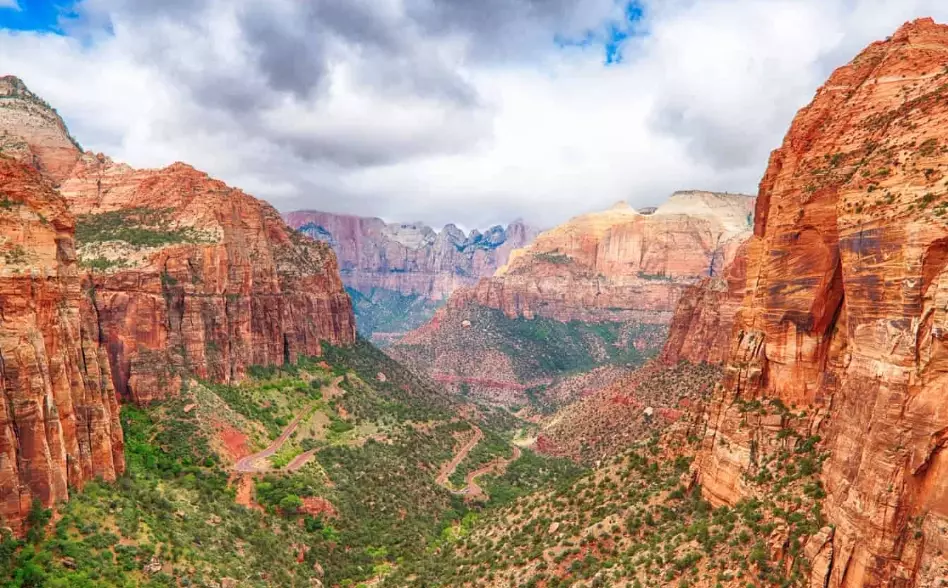
Rangers know about the social trails, the quiet pull-offs, and which overlooks get the morning vs. afternoon light. They saved me once in Zion by pointing me to the Canyon Overlook Trail instead of the jam-packed Riverside Walk for a stunning canyon view—it was a 1-mile round trip with maybe ten other people.
Embrace the Tools: Apps and Maps
Google Earth is your best friend for pre-scouting. You can see the 3D terrain and get a rough idea of the view. For hiking, AllTrails is decent, but always cross-reference with the official NPS trail info. AllTrails reviews often mention if a trail is primarily for a viewpoint.
My non-consensus tip? Buy the National Geographic Trails Illustrated paper map for the park. They highlight viewpoints, scenic areas, and photo spots far better than the free handout. Spreading it out at a picnic table beats squinting at a phone screen any day.
Viewpoint Pro-Tip: The Light Direction Rule
This one thing will transform your experience. Before you go, figure out if your desired viewpoint faces east or west. East-facing viewpoints (like Tunnel View in Yosemite, looking east into the valley) are for sunrise. West-facing viewpoints (like Hopi Point at the Grand Canyon) are for sunset. Showing up at sunset to an east-facing overlook means staring directly into the sun with a washed-out landscape behind it. A quick Google search "[Viewpoint Name] best time of day" usually reveals the answer.
How to Photograph National Park Viewpoints Like a Pro
You found the perfect spot. Now, let's make sure your photos do it justice. Forget complex settings for a minute. The biggest factor isn't your camera; it's the light and your composition.
Timing is Everything (Golden Hour & Blue Hour)
Midday light is harsh and flat. The magic windows are:
- Golden Hour: The hour after sunrise and the hour before sunset. Warm, soft, directional light that makes everything glow.
- Blue Hour: The period of twilight before sunrise and after sunset. The sky turns deep blue, and artificial lights (like village lights in the valley) start to pop. This is for tripod shots.
For a popular sunset spot like Glacier Point, plan to arrive at least 2-3 hours before sunset. This secures parking, gives you time to hike if needed, and lets you scout compositions before the main event.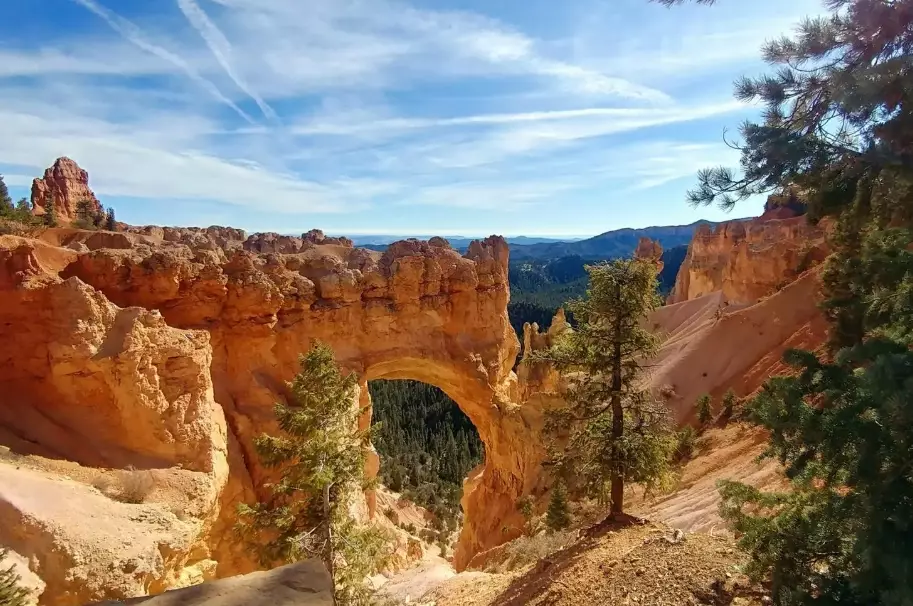
Composition Tricks That Actually Work
Include Foreground Interest: A wide shot of a canyon is nice. A wide shot of a canyon with a twisted juniper tree in the foreground is captivating. Look for rocks, flowers, or even your own boots to create depth.
Use People for Scale (Carefully): Having a person in the frame, even small, instantly communicates the vastness of the scene. Pose them looking out, not at the camera.
Vertical Panoramas are Your Friend: Many canyon and mountain views are taller than they are wide. Shoot a series of vertical images from the bottom to the top of the scene and stitch them later on your phone or computer. The detail is incredible.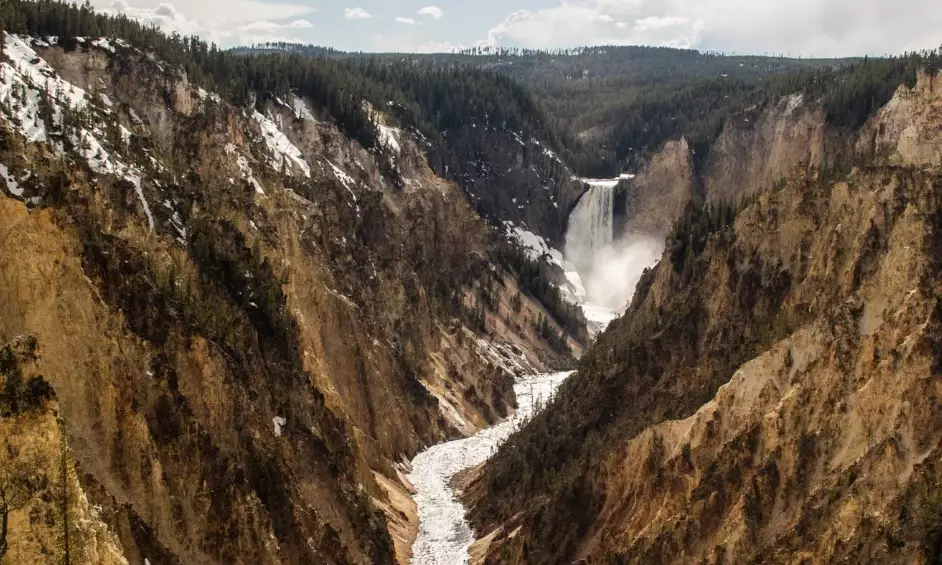
The Gear You Actually Need
A smartphone is fantastic. For cameras, a wide-angle lens (16-35mm equivalent) is the viewpoint workhorse. But don't forget a telephoto zoom (70-200mm or more). It lets you isolate details: a single waterfall across the valley, the face of a cliff, or compressed layers of mountain ridges. A sturdy, lightweight tripod is non-negotiable for sunrise, sunset, and blue hour shots.
Putting It All Together: Viewpoints in Action at Top Parks
Let's apply this to real-world planning. Here’s how this strategy looks for two iconic parks.
Case Study 1: Zion National Park – Beyond Angels Landing
Everyone wants Angels Landing (and you need a permit for the chain section). The view from Scout Lookout just before it is 90% as good without the terror. But let's find alternatives.
- The Classic (with a twist): Angels Landing/Scout Lookout. Access via the West Rim Trail. Parking: Nightmare at the main lot. Use the Springdale shuttle to the Zion Canyon Visitor Center, then the park shuttle to The Grotto stop (Stop 6). Permit: Required for the chain section. Pro Tip: Take the first shuttle of the day. Your goal is to be on the trail before 7 AM. The light on the canyon walls is sublime, and you'll have relative quiet.
- The Hidden Gem: Canyon Overlook Trail. This is the one the ranger told me about. It's on the east side of the Zion-Mount Carmel Tunnel, so you can drive there (parking is limited!). It's a 1-mile round trip to a stunning perch over Pine Creek Canyon. Faces east – perfect for sunrise. Fewer crowds because it's not on the main canyon shuttle route.
- The Panoramic Drive: Kolob Canyons Road. At the park's northwest corner (exit 40 off I-15). A 5-mile drive to the Kolob Canyons Viewpoint at the end. Multiple pull-offs offer different views of the majestic red rock fingers. It feels like a different, quieter park.
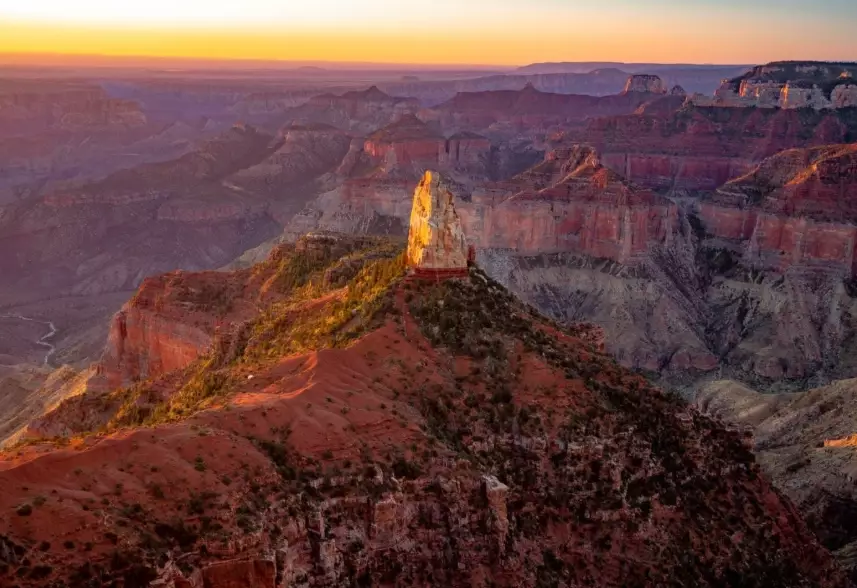
Case Study 2: Grand Canyon National Park – South Rim Strategy
The South Rim has dozens of overlooks. Picking the right one for your moment matters.
- For Sunrise: Mather Point is the classic, near the visitor center, and gets packed. Walk 10 minutes east along the Rim Trail to Yavapai Point. Same incredible view, slightly different angle, often fewer people. It also houses a geology museum.
- For Sunset: Hopi Point is the famous one, and the shuttle stop gets chaotic. Mohave Point, the next stop west, offers a similarly spectacular west-facing view of the canyon and the Colorado River, with a fraction of the crowd.
- For Solitude (relatively): Drive or take the shuttle to Hermits Rest (Route West). The overlooks along this road (like Pima Point) are only accessible by park shuttle (March-Nov) or your own feet/bike in the off-season. The further west you go, the thinner the crowds.
Honestly, sometimes the best view isn't at a marked overlook at all. It's from a quiet spot on the Rim Trail between points, where you can just sit and listen.
Your National Park Viewpoints Questions, Answered
The quest for the perfect national park viewpoint is part of the adventure. It pushes you to wake up earlier, hike a little further, and look a bit closer at a map. The reward isn't just a photo. It's the memory of standing in quiet awe, having a slice of that immense beauty feel, just for a moment, like it was yours alone.
Now you have the map. Go find your view.