There's something utterly different about birding within the boundaries of a national park. It's not just another item on a birder's life list. You're stepping into a protected core of an ecosystem, a place where avian species play their roles with minimal human interference. The experience is less about ticking off names and more about witnessing behaviors in a wild theater. I've spent over a decade chasing birds from the mangroves of the Everglades to the alpine ridges of Glacier, and the parks consistently deliver the most profound encounters. But a successful trip requires more than just showing up with binoculars.
You need a strategy.
Quick Navigation: What's Inside This Guide
Why Birding in a National Park Feels Different
It's the scale and the integrity. Outside the parks, you might find a great warbler hotspot in a fragmented woodlot. In a park like Great Smoky Mountains, you're looking at that warbler within a half-million-acre contiguous forest. The context changes everything. Birds act more naturally. You see more complete ecological interactions—hawks hunting over valleys, woodpeckers engineering entire dead-tree communities, neotropical migrants refueling in pristine stopover habitats.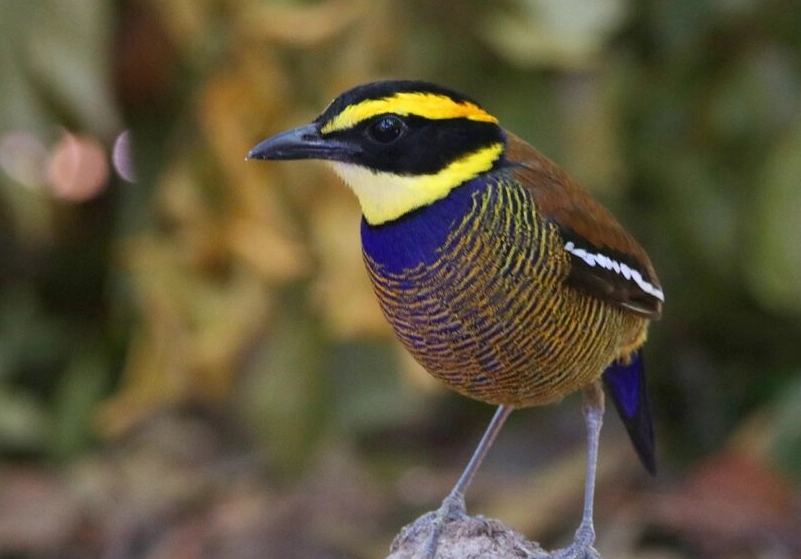
The parks also protect species at the edges of their ranges or in specialized niches. Want to see a Trumpeter Swan? Yellowstone is a stronghold. Searching for the elusive Pinyon Jay? Head to Mesa Verde or Bryce Canyon. These are sanctuaries in the truest sense.
But here's the catch everyone misses: the very protection that makes parks great also makes the birds less habituated to people. They can be spookier. Your field craft needs to be sharper.
How to Plan Your National Park Birding Trip
Random visits yield random results. A targeted approach turns a vacation into a memorable expedition.
1. Research Your Target Species and Park
Don't just pick a park because it's famous. Ask: what birds do I really want to see? Cross-reference with the National Park Service website. Each park page has a "Nature" section with bird lists. Go deeper. Check eBird hotspots within the park for recent sightings and seasonal bar charts. For example, Acadia National Park in Maine is fantastic, but if your heart is set on seeing Painted Buntings, you're looking at the wrong coastline.
2. Time Your Visit with Precision
Season is everything. Spring migration (April-May) is frenetic and colorful. Summer offers breeding birds and chicks but also crowds. Fall migration (August-October) is more subdued but excellent for southbound shorebirds and raptors. Winter reveals a completely different cast: northern finches, owls, and waterfowl.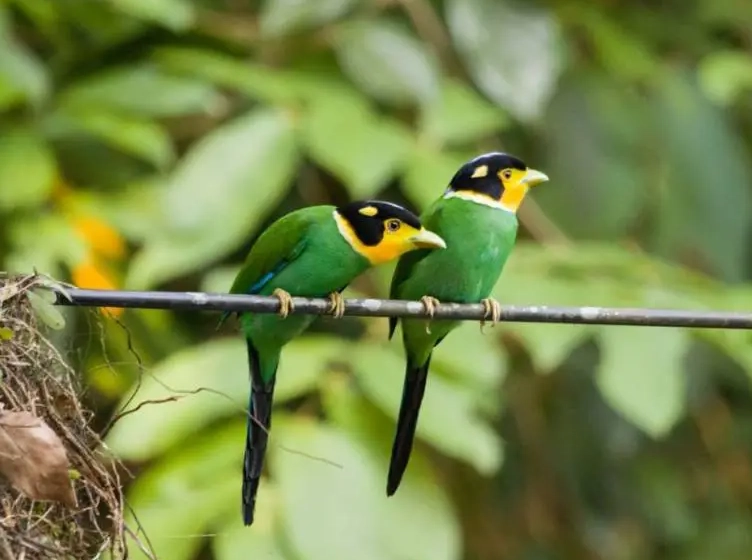
But know this: the park's peak tourist season rarely aligns with the best birding. I aim for the shoulder seasons—late May or September. Fewer people, more active birds.
3. Understand Park Regulations and Permits
This is non-negotiable. Some parks require permits for backcountry camping or specific activities. Flying drones for aerial shots of a nest? Almost universally prohibited. Know the rules. Resources like the National Audubon Society often have park-specific guides that summarize these points for birders.
4. Build a Flexible Daily Itinerary
Plot your days around elevation and habitat. In a mountainous park like Rocky Mountain, start at lower elevations at dawn, then work your way up as the day warms. Schedule driving between hotspots for the midday lull. Always have a Plan B location if your primary spot is crowded or unproductive.
Pro Tip from the Field: Your first stop should always be the park's visitor center. Not just for maps, but to talk to the rangers or volunteer naturalists. Ask: "What's been seen in the last 48 hours that's unusual?" and "Where's a reliable spot for [your target bird] right now?" This on-the-ground intel is gold.
Top National Parks for Birding: A Detailed Breakdown
Based on species diversity, accessibility of key habitats, and the sheer quality of the experience, here are five parks that belong on every birder's list.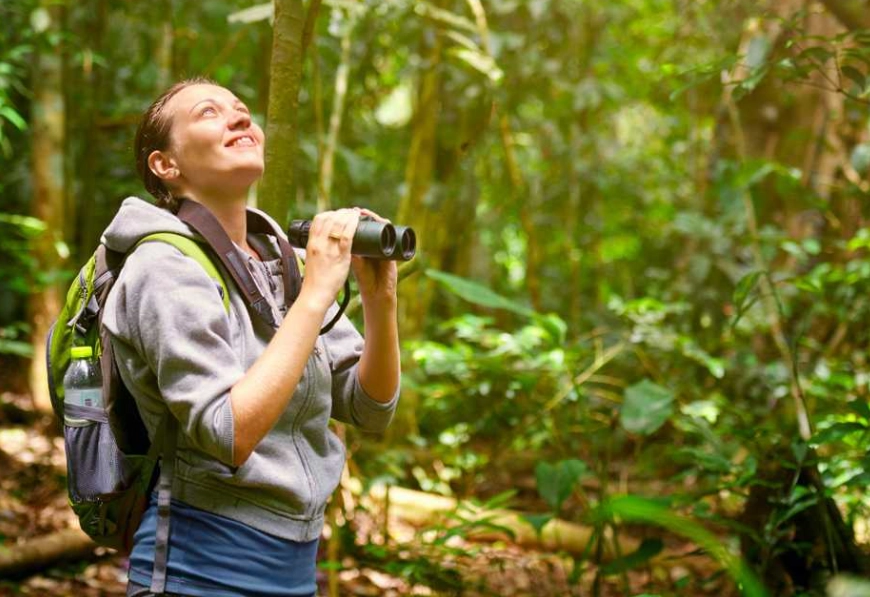
| Park & Location | Key Bird Species | Prime Birding Season | Entrance Fee / Pass | Can't-Miss Spot |
|---|---|---|---|---|
| Great Smoky Mountains NP Tennessee/North Carolina |
Red-crossbill, Black-throated Green Warbler, Ruffed Grouse, Peregrine Falcon | Spring & Summer (breeding) | Free / No entry fee | Cades Cove Loop Road (dawn) |
| Yellowstone NP Wyoming/Montana/Idaho |
Trumpeter Swan, American White Pelican, Osprey, Sandhill Crane, Common Raven | Spring & Summer | $35 vehicle / America the Beautiful Pass | Lamar Valley & Hayden Valley |
| Everglades NP Florida |
Snail Kite, Roseate Spoonbill, Wood Stork, Anhinga, Limpkin, Short-tailed Hawk | Winter (Dry season, Nov-Apr) | $30 vehicle / America the Beautiful Pass | Anhinga Trail (Royal Palm) |
| Olympic NP Washington |
Marbled Murrelet, Tufted Puffin (coast), Spotted Owl (forest), Gray Jay (alpine) | Summer | $30 vehicle / America the Beautiful Pass | Hurricane Ridge & Rialto Beach |
| Acadia NP Maine |
Atlantic Puffin (boat trips), Black Guillemot, warblers, Peregrine Falcon | Summer & Fall Migration | $30 vehicle / America the Beautiful Pass | Ship Harbor Trail & Cadillac Mountain |
Let's get specific about a couple.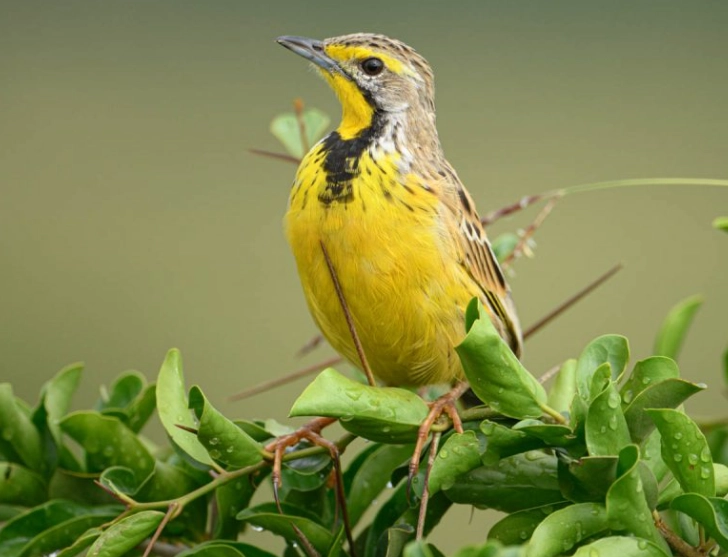
Everglades National Park is a subtropical wonderland. The Anhinga Trail is legendary for a reason—it's a guaranteed close-up view of Anhingas, herons, alligators, and often Purple Gallinules. But for Snail Kites, you'll need to drive farther down to the Mahogany Hammock or Eco Pond areas and scan the sawgrass prairies. Winter is the only sane time to go; summer brings heat, humidity, and mosquitoes that can literally cut a trip short.
Yellowstone isn't just mammals. The geothermal areas, like Mammoth Hot Springs, host hardy bird communities year-round. Ravens are geniuses here, famously manipulating pull-tabs on coolers. For waterbirds, the Yellowstone River between Fishing Bridge and Hayden Valley is superb. A common mistake? People focus so much on the wolves and bears they forget to look up. Golden Eagles cruise the valleys, and Bohemian Waxwings flock to berry bushes in the fall.
In Acadia, the secret is combining habitats. Hike the forested trails like Jordan Pond Path for warblers in the morning, then head to the rocky shores at Sand Beach or Otter Cliff for seabirds and shorebirds. A boat tour with a park-authorized operator like Bar Harbor Whale Watch Co. is essential for getting to offshore islands for puffins and razorbills.
Gear and Skills: Beyond the Binoculars
Sure, you need binoculars (8x42 is a great all-around choice). A field guide, preferably a digital one like the Sibley or Merlin app on your phone. But let's talk about the subtler stuff.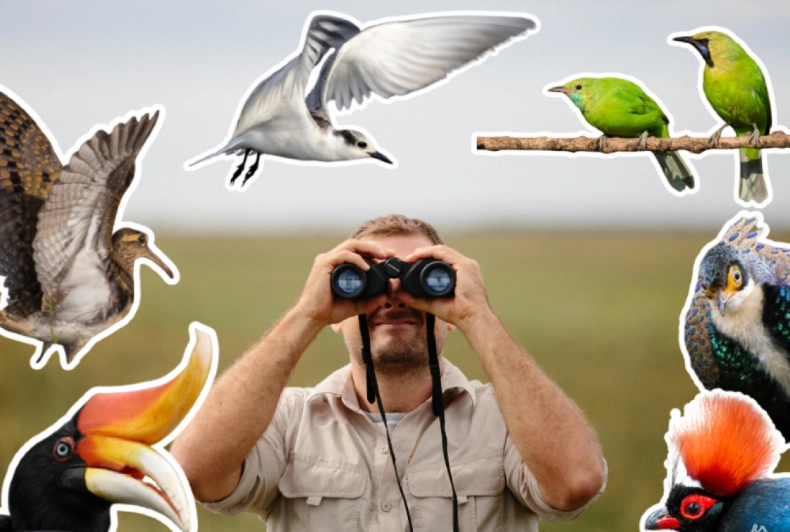
- Clothing is a tool. Neutral, muted colors (browns, greens, grays). Avoid white and bright blue—too conspicuous. A wide-brimmed hat cuts glare and helps conceal your face.
- Footwear matters. Waterproof hiking boots for marshes and trails, but also consider lightweight camp shoes for long drives between spots.
- The Notebook. Digital notes are fine, but a waterproof notebook and pencil never run out of battery. Sketching a bird's posture or marking a map can cement the memory better than a photo.
The skill most beginners lack? Listening. Spend time before your trip learning common bird calls on platforms like Xeno-canto. In the field, 80% of your detections will be by ear first, especially in dense forest. Stop walking frequently, close your eyes, and just listen for a full minute.
Birding Etiquette and Safety: The Unspoken Rules
This is where the community's reputation is built. The cardinal sin? Disturbing a bird for a photo, especially a nest. It happens too often.
Respect the Space. Use your car as a blind on park roads. Stay on designated trails to minimize habitat damage and avoid trampling fragile plants or disturbing ground-nesters.
Share the View. If you find a rare bird and other birders are around, quietly let them know. Point with an open hand, not a finger. Whisper. The communal joy of a shared sighting is part of the hobby's magic.
Safety is practical. Tell someone your plan. Carry more water than you think you need. In bear country, know how to use bear spray and store food properly. Your safety and the wildlife's well-being are the top priorities, full stop.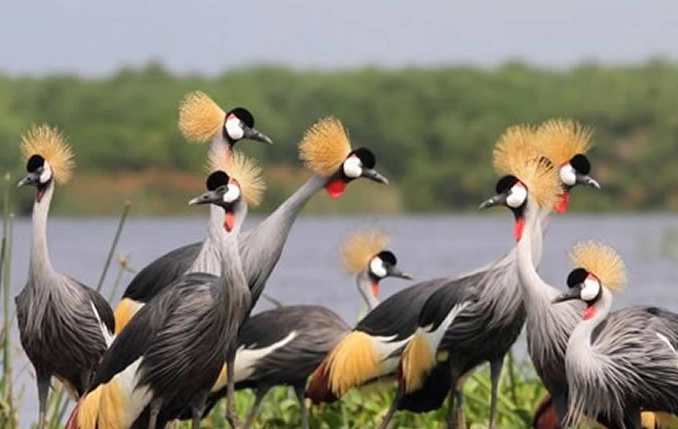
Your Birding Questions, Answered
How can I avoid disturbing birds while birding in a national park?
What are essential safety tips for birding in remote national park areas?
Is it practical to combine birding with a family vacation in a national park?
What's the one piece of gear seasoned birders recommend that beginners often overlook?
The parks are waiting. The birds are there, going about their ancient cycles. With the right plan, respectful approach, and a keen eye, your national park birding adventure will be more than just a list—it'll be a series of vivid, wild moments you'll carry with you long after you've driven back through the entrance gate.
Now get out there.