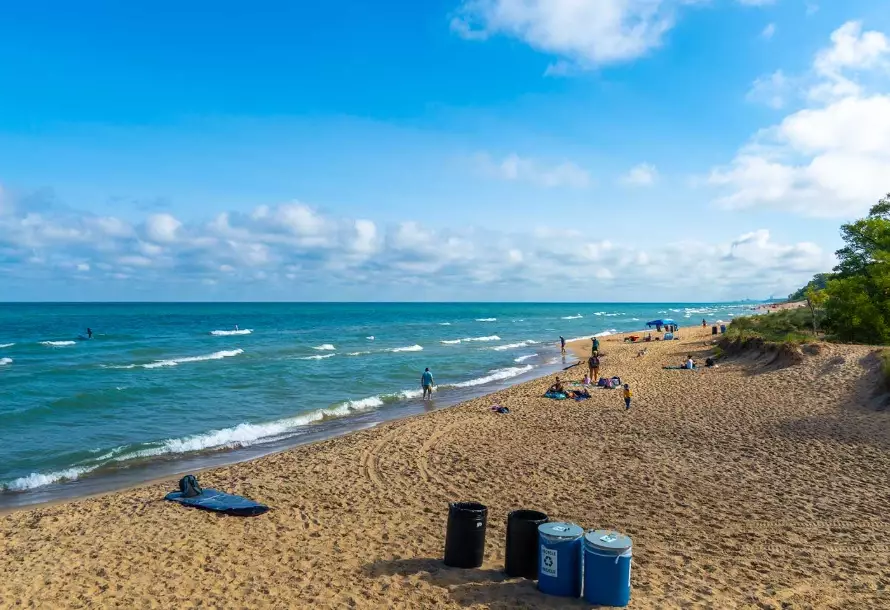
You picture a beach. Sun, soft sand, maybe an umbrella and a cooler. Now erase that. The beaches inside America's national parks are a different breed. They're not just destinations; they're wild edges where mountains plunge into the sea, ancient forests meet the tide, and your afternoon swim comes with a side of bald eagles and tidepool wonders. This isn't a resort vacation. It's an adventure where the sand under your feet is just the opening chapter.
I've spent a decade chasing these coastal wilderness experiences, from the foggy shores of the Pacific Northwest to the sun-bleached keys of Florida. The most common thing I hear? "I had no idea it would be like this." Most visitors are unprepared for the raw power, the logistical quirks, and the profound beauty of national parks beaches. Let's fix that.
What You'll Discover in This Guide
This Isn't Miami Beach: The Core Differences
Think of a national park beach as a living museum with waves. The rules change. The priorities shift. Your main goal isn't just relaxation—it's immersion in a protected ecosystem.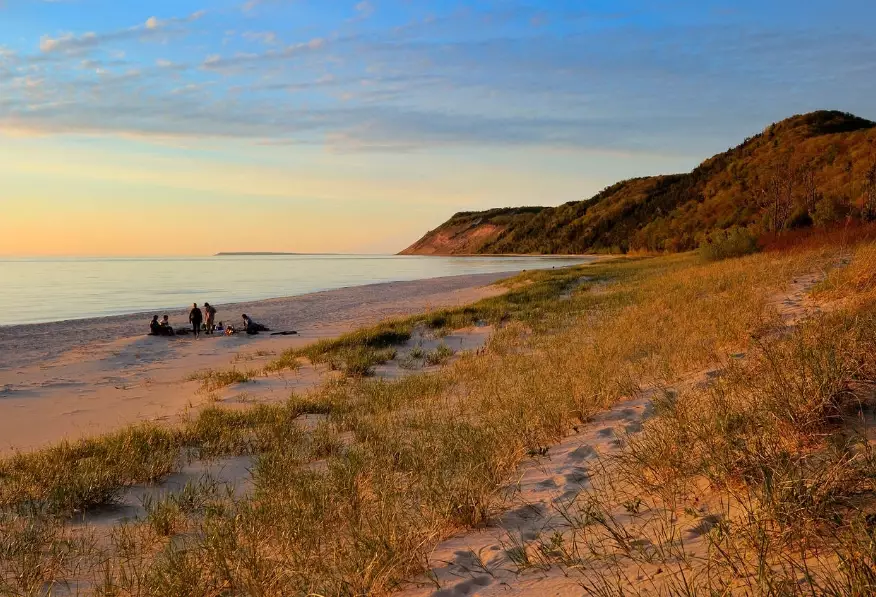
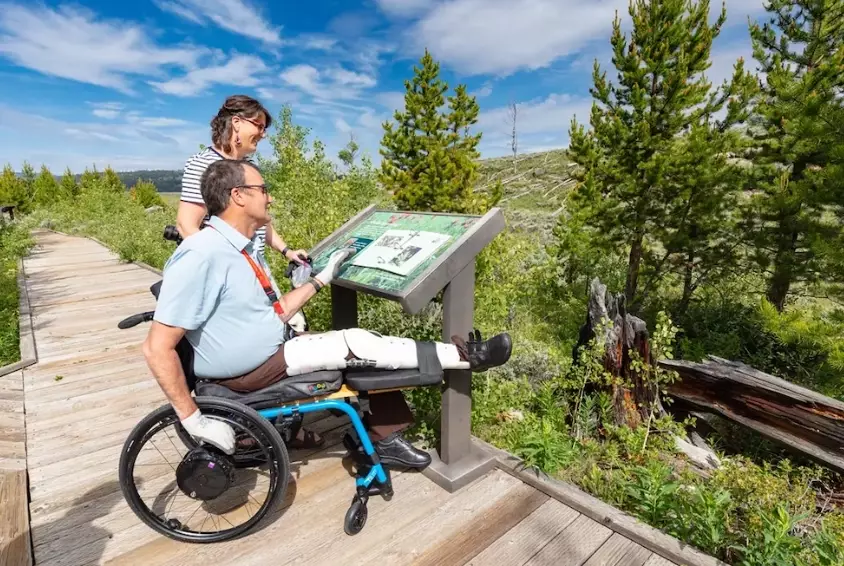
Infrastructure (or lack thereof): Don't expect boardwalks, umbrella rentals, or hot dog stands. Restrooms might be vault toilets a half-mile walk from the sand. Parking is often limited and fills by 9 AM. Cell service? A distant dream. This scarcity is a feature, not a bug. It keeps the crowds manageable and the experience authentic.
The Wildlife Factor: You are a visitor in their home. At places like Cumberland Island National Seashore, wild horses roam the dunes. At Channel Islands, you're snorkeling with sea lions. In Olympic, river otters play in the surf. This demands respect. Feeding animals is illegal and dangerous. You observe from a distance.
The Elemental Challenge: The ocean here is untamed. Water is cold—often shockingly so, even in August. Currents are powerful. Weather shifts fast. A sunny morning can become a foggy, windswept afternoon. This environment requires more preparation and humility than your typical beach day.
It's the tide. Tide pools disappear, coves become inaccessible, and what was a broad sandy beach at low tide is crashing waves against a cliff face six hours later. Your entire day's activities—hiking, exploring, camping—revolve around the tide chart. I never set foot on a national park coast without checking it first.
A Coast for Every Mood: Standout National Park Beaches
Not all park beaches are created equal. Some are for solitude, some for family play, others for epic backpacking. Here’s a breakdown of three iconic ones, with the gritty details you need to plan.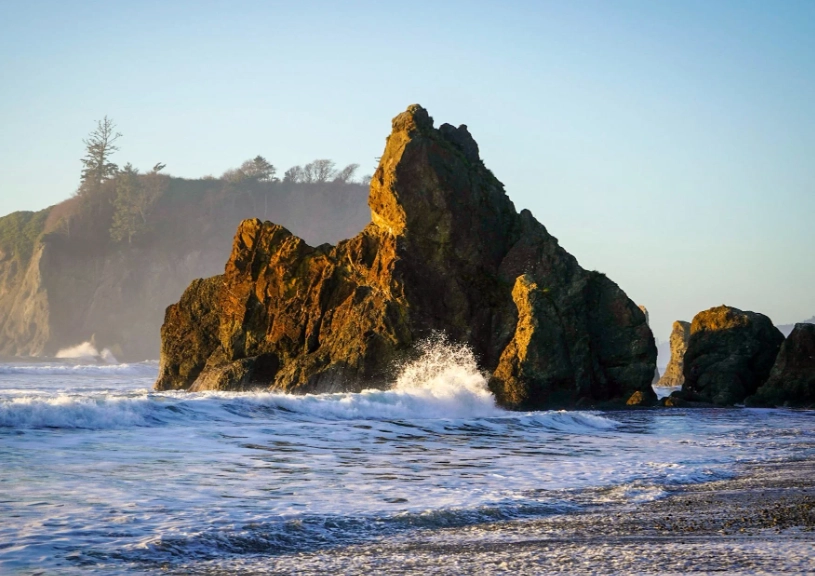
1. Acadia National Park (Maine) - Sand Beach
The Vibe: Dramatic, accessible, and surprisingly swimmable (for Maine). Nestled between granite mountains and spruce forests, this is a postcard-perfect cove.
Getting There & Logistics: It's on the Park Loop Road, about a 10-minute drive from the bustling town of Bar Harbor. Parking is a nightmare in peak season (July-Oct). Arrive before 8:30 AM or after 3 PM, or use the free Island Explorer shuttle bus from town—it's the smart move.
The Water: Don't be fooled by the name "Sand" Beach. The water is frigid, rarely above 55°F (13°C). Most people dip their toes. The brave swim for a few minutes. It's exhilarating, but have a warm towel ready.
My Take: It's beautiful, but it's also Acadia's most crowded spot. For a more secluded feel, hike the Ocean Path trail that runs along the cliffs above the beach—the views are staggering and you can escape the crowds.
2. Channel Islands National Park (California) - Santa Cruz Island
The Vibe: Remote, wild, and teeming with life. This is for the adventurer. You'll feel like you've discovered a secret coastline.
Getting There & Logistics: Access is only by park concessionaire ferry (Island Packers) from Ventura. Book months in advance. The ride is 1-1.5 hours each way. There are no services on the island—bring all food and water. A camping permit is required for overnight stays.
The Experience: Sea kayaking through sea caves, snorkeling with leopard sharks and sea lions, and hiking coastal bluffs with no one else around. The water is cold but stunningly clear.
My Take: This is a commitment, not a day trip. Plan for at least one overnight to truly experience the island's magic. The ferry crossing can be rough—pack seasickness medication if you're prone.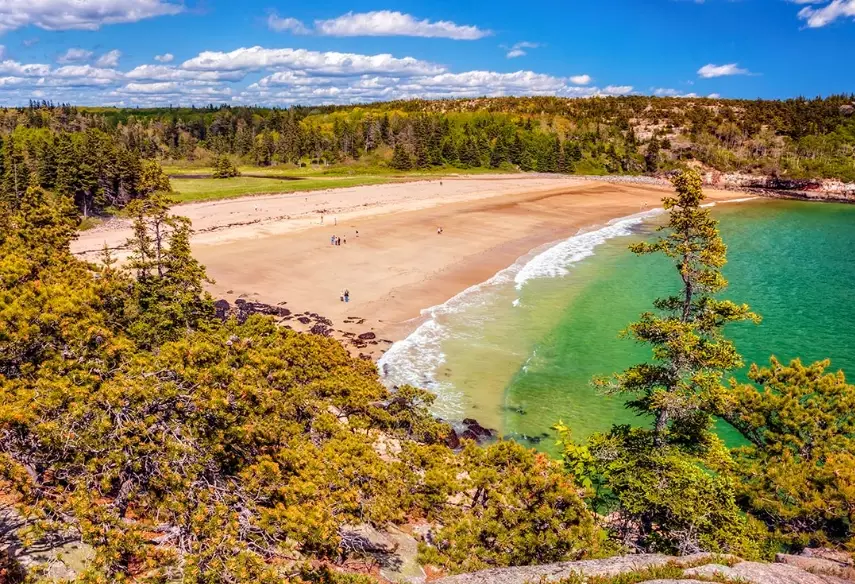
3. Olympic National Park (Washington) - Ruby Beach
The Vibe: Moody, powerful, and quintessentially Pacific Northwest. Sea stacks, driftwood logs, and often, a blanket of fog. It feels ancient.
Getting There: It's a long drive from any major city (about 3.5 hours from Seattle), but the Hoh Rainforest and other park gems are nearby. Parking is limited but turnover is decent.
The Water & Sand: Swimming is strongly discouraged due to dangerous currents, frigid water, and lack of lifeguards. This is a beach for walking, exploring tide pools (check the tide chart!), and photography. The "sand" is often a mix of small, smooth stones and darker grains.
My Take: Don't come for sunbathing. Come for the atmosphere. Time your visit for low tide to see brilliant anemones and starfish in the pools. And wear sturdy shoes—the path down to the beach is steep and the beach itself is rocky.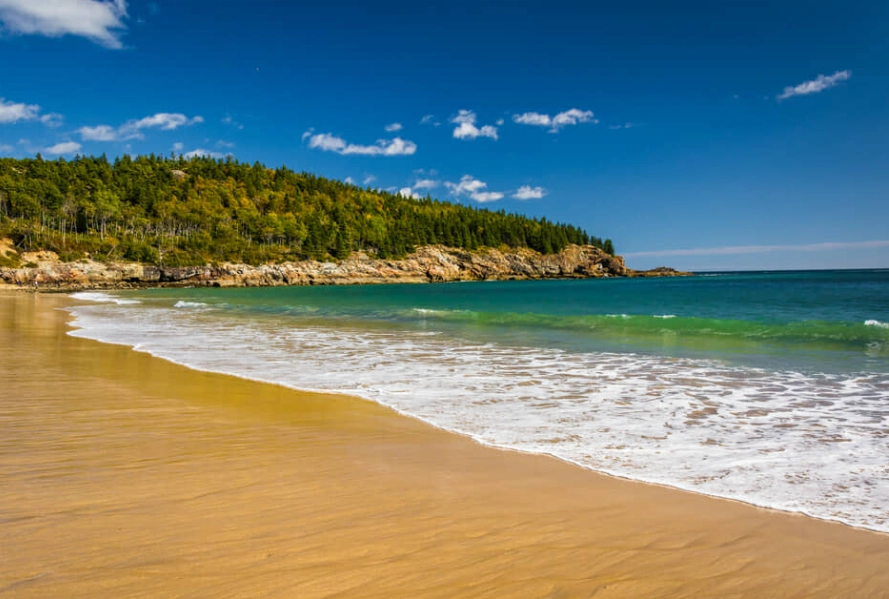
Your Planning Toolkit: Reservations, Gear, and Timing
Winging it doesn't work here. A successful trip hinges on details most people overlook.
The Booking Calendar (It's Competitive)
For park entry, some parks now require a Timed Entry Permit in addition to the standard pass. Check the specific park's website (always the National Park Service official site) 3-4 months before your trip.
For camping, especially beachfront sites like Kalaloch in Olympic or the drive-in sites at Assateague Island National Seashore, you need to be online the moment reservations open on Recreation.gov—often 6 months out. They vanish in minutes.
Packing for the Edge of the World
Your standard beach bag needs an upgrade.
- Layers, Not Swimsuits: Pack a waterproof windbreaker, fleece, and quick-dry pants. The temperature can drop 20 degrees when the fog rolls in.
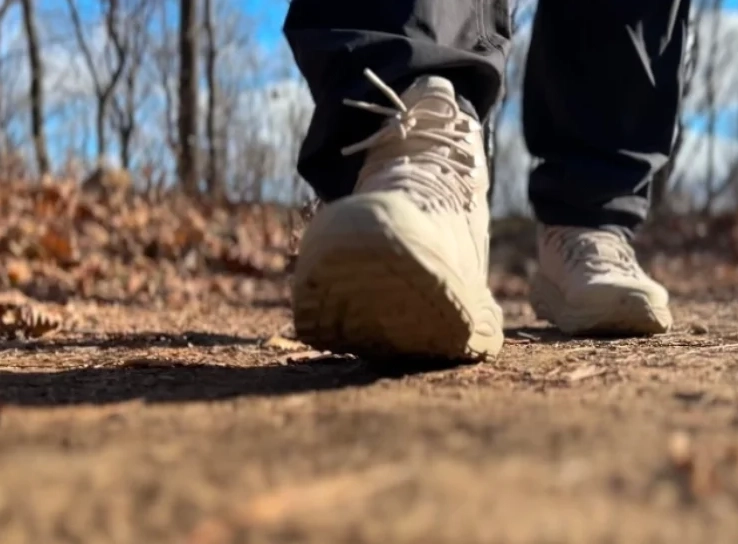
- Footwear for Everything: Water shoes for rocky entries and tide pools, sturdy hiking sandals (like Chacos or Keens) for walking, and dry socks/shoes for after.
- Sun & Wind Protection: A wide-brimmed hat with a chin strap (the wind will steal it), polarized sunglasses, and mineral-based sunscreen that's safer for coral and marine life.
- Navigation & Safety: A physical map and compass (no service), a whistle, a small first-aid kit, and a waterproof bag for your phone and keys.
Designing Your Days Around the Tide
Let's say you have three days at Olympic's coast. Here's a rough, realistic schedule:
Day 1 (Arrival - Low Tide at 2 PM): Hike the short trail to Second Beach in the afternoon to explore the tide pools and sea stacks. Set up camp at Kalaloch. Evening beach walk at sunset.
Day 2 (Low Tide at 3 PM): Morning hike in the Hoh Rainforest (inland). Drive back to the coast for lunch, then hit Ruby Beach for the afternoon low tide exploration.
Day 3 (Low Tide at 4 PM): Pack up camp. Do the short Tree of Life trail at Kalaloch. Have a final picnic lunch on the beach before the drive home.
See how the low tide windows anchor your coastal activities? That's the secret.
Playing It Safe & Leaving No Trace
Safety here is about respecting natural forces.
Rip Currents: Learn how to spot them (a channel of churning, choppy water). If caught, don't fight it. Swim parallel to the shore until you're out of it, then swim in.
Sneaker Waves: On Pacific beaches, never turn your back on the ocean. A deceptively small wave can suddenly surge far up the beach, knocking you over and pulling you out.
Leave No Trace on the Coast: This goes beyond packing out trash. Don't stack rocks or build structures—it disturbs habitat. Observe tide pool creatures but don't touch or move them. Keep drones away from wildlife. Campfires are often prohibited due to driftwood scarcity and fire risk—use a camp stove.
The reward for this extra effort? You get to experience a beach not as a commodity, but as a vital, breathing part of a wilderness. You hear the waves without the soundtrack of jet skis. You see stars undimmed by city lights. It's the beach, remembered.