Quick Navigation
- Why Bother with Inside-the-Park National Parks Lodging?
- The Main Flavors of National Parks Lodging: From Rustic to Refined
- A Park-by-Park Look at Your National Park Lodging Options
- The Booking Game: Strategies to Actually Get a Room
- What About Last-Minute National Parks Lodging?
- Costs, Value, and How to Not Go Broke
- Answers to the Questions You're Actually Asking (FAQ)
- Final Thoughts Before You Hit "Book"
Let's be honest. Figuring out where to stay in a national park can feel more stressful than planning the trip itself. You're staring at a website, clicking refresh, watching dates disappear, and the prices... well, they can make you consider just sleeping in your car. I've been there. I've also been lucky enough to wake up to elk grazing outside my cabin in Grand Teton and fallen asleep to the sound of waves in a historic lodge at Acadia. That's the magic we're after. Staying inside the park isn't just a convenience; it's a game-changer that turns a visit into an immersion.
This guide is everything I wish I'd known before my first big parks trip. We're going to move past the generic advice and dig into the real stuff: how the booking systems actually work (and how to beat them), what you're *really* getting for your money, and how to find those hidden-gem options that don't require a six-month advance plan. Forget just listing hotels. We're talking strategy.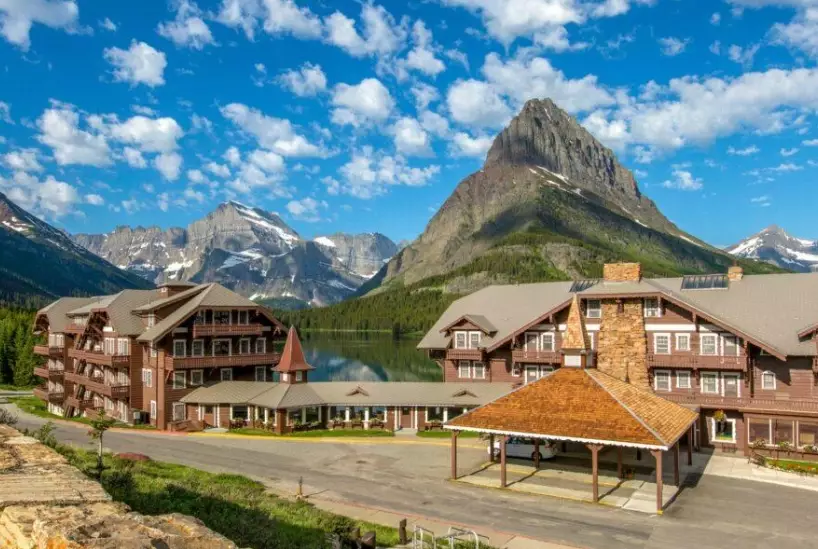
Why Bother with Inside-the-Park National Parks Lodging?
You could stay in a motel just outside the gate. It's often cheaper, sure. But you're trading something huge.
Time and access. Parks are big. Really big. Driving from an outside town to the most popular trailhead at sunrise can mean an hour or more in the car, in the dark, fighting day-trip traffic. When you're already inside, you get a head start on the entire world. You're there for the soft morning light photographers dream of. You're back at your cabin for a midday nap when the crowds are thickest. You're out for a quiet stroll after dinner when the park feels like it's yours alone. That proximity is the single biggest upgrade you can buy for your trip.
I remember one evening in Yosemite. We'd been out all day, tired. Everyone staying outside the Valley was in a long line of cars crawling toward the exit. We just turned off the main road, parked at our lodge, and walked five minutes to a clearing to watch the last light hit Half Dome with maybe three other people. That moment was free, but it was only possible because of where we stayed. That's the intangible value.
The vibe is different too. There's a shared feeling among people staying in the park. It's less of a tourist transaction and more of a basecamp experience. You're in it.
The Main Flavors of National Parks Lodging: From Rustic to Refined
Not all park stays are created equal. Knowing the categories helps you match the experience to your comfort level and budget. Broadly, you're looking at three worlds.
Historic Lodges & Hotels
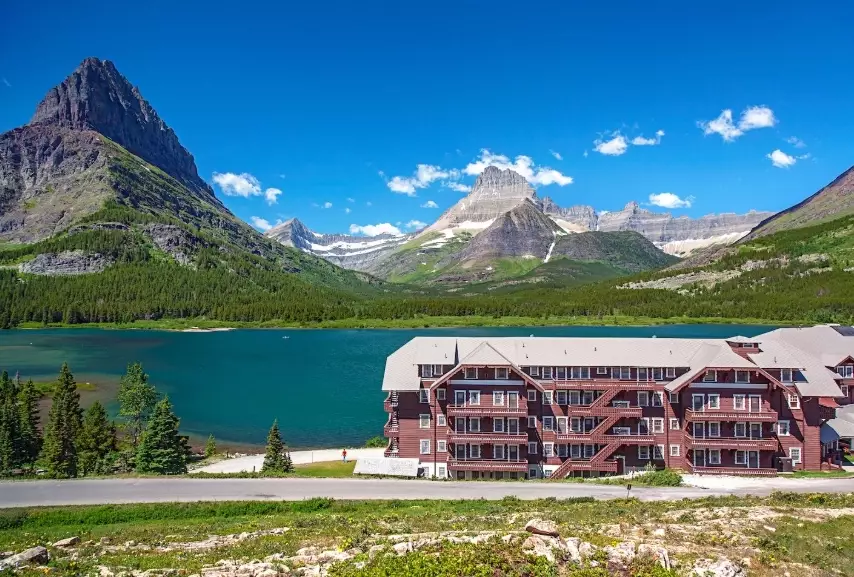
These are the crown jewels. The Old Faithful Inn in Yellowstone, the Ahwahnee in Yosemite, the Many Glacier Hotel. They're destinations in themselves, with massive stone fireplaces, towering timber beams, and history seeping out of the walls. Staying here is about the atmosphere as much as the location.
What you need to know: Rooms are often small and basic by modern luxury standards. You're paying for the history and the address. Bathrooms might be down the hall in some older buildings. Wi-Fi can be spotty or non-existent (which I actually think is a feature, not a bug). Dining is usually on-site but can be pricey and requires reservations. Booking these is a competitive sport—more on that below.
Cabins & Cottages
My personal favorite category. It splits the difference between rustic camping and hotel convenience. You get walls, a real bed, and usually a private bathroom. Some are bare-bones (just beds and heat), others are surprisingly cozy with kitchenettes. They're often clustered in villages, like at Zion's Zion Lodge or the Grand Canyon's South Rim.
The cabin life offers more privacy than a hotel and feels more connected to the surroundings. You can sit on your little porch with coffee. The downside? They can book up just as fast as lodge rooms. And don't expect luxury linens.
Campgrounds & RV Parks
The most affordable and immersive option. Falling asleep under a blanket of stars you can't see anywhere else is pure magic. The National Park Service (NPS) manages most campgrounds, and Recreation.gov is your primary booking portal. Some are first-come, first-served, which adds an element of stress (and very early morning arrival lines).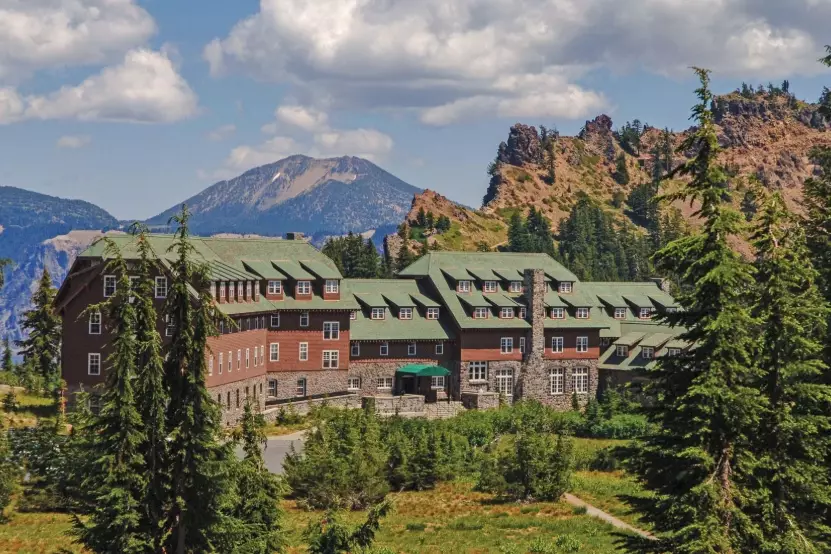
A quick reality check: "Rustic" means different things. Some campgrounds have flush toilets and showers, some have only pit toilets and no water. Always, always read the specific amenities on the NPS site for the campground you're targeting. Nothing ruins a trip faster than expecting a shower and not having one.
Here’s a quick comparison to help you decide:
| Lodging Type | Best For | Typical Cost Range (Per Night) | Booking Lead Time | Key Consideration |
|---|---|---|---|---|
| Historic Lodge Room | Atmosphere seekers, those wanting a central social hub, less concern about room size. | $250 - $500+ | 6-12 months (or more) | Book dining at the same time as your room. |
| Modern Hotel/Motel (in-park) | Travelers wanting predictable comfort and reliable amenities. | $200 - $400 | 6-9 months | Often newer construction, less historic charm. |
| Cabin with Bath | Families, small groups, those wanting a touch of privacy and nature. | $180 - $350 | 6-9 months | Check if kitchenette is included if you plan to cook. |
| Rustic Cabin (no bath) | Budget-conscious adventurers okay with shared facilities. | $80 - $150 | 3-6 months | Location can still be prime; great value. |
| Developed Campground | Road trippers, RVers, tent campers wanting facilities. | $20 - $50 | 6 months exactly at 10 AM ET on Recreation.gov. | Site selection matters (shade, privacy, proximity to restroom). |
| Backcountry/ Wilderness | Experienced backpackers seeking solitude. | Permit fee ($5 - $30) | Varies (lottery, advance, or walk-up). | Requires planning, proper gear, and Leave No Trace skills. |
A Park-by-Park Look at Your National Park Lodging Options
Every park has its own personality and booking quirks. Let's break down some of the big ones.
Yellowstone National Parks Lodging
It's a giant. Your choice of location inside Yellowstone is as important as the room type. Staying in the Old Faithful area means you can walk to the geyser at dawn. The Canyon area puts you near the Grand Canyon of the Yellowstone. Book through Yellowstone National Park Lodges. Cabins at Grant Village or Lake Yellowstone Hotel can be slightly easier to get than Old Faithful Inn rooms. Winter openings are a whole different, amazing ballgame with limited lodges open.
Yosemite National Park Lodging
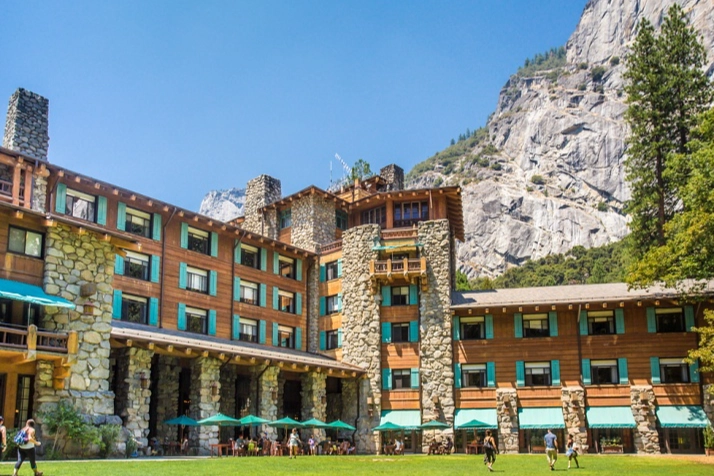
The Ahwahnee (now called the Majestic Yosemite Hotel due to a legal thing) is iconic. Yosemite Valley Lodge is more modern and central. Curry Village offers the classic canvas-tent cabins (some heated, some not). Everything in the Valley books insanely fast through TravelYosemite.com. A pro tip? Consider the Wawona Hotel or the lodging at Tuolumne Meadows (summer only) for a quieter, still-beautiful experience outside the crowded Valley.
Grand Canyon (South Rim) Lodging
Bright Angel Lodge and El Tovar are the historic heart, right on the rim. Book through Grand Canyon Lodges. The earlier you book, the better your chance at a "rim view" room—worth the splurge if you can. Maswik and Yavapai Lodges are a short walk back from the rim and offer more availability. The North Rim has one lovely lodge and is open seasonally; it's a completely different, quieter vibe.
Zion National Park Lodging
Zion Lodge is the only in-park hotel, smack in the middle of the canyon. Booking here means you can access the Scenic Drive when it's closed to most public traffic. It's huge. The red brick cabins are charming. It books up immediately when reservations open. The surrounding town of Springdale has tons of options, but you'll need to use the park shuttle.
Acadia National Park Lodging
Unlike western parks, Acadia has a unique model. The in-park option is the historic Jordan Pond House (known for popovers) and a few seasonal cottages run by a concessioner. Most "park adjacent" lodging in Bar Harbor or Southwest Harbor is just minutes from the gates, which works well here given the park's layout.
The Booking Game: Strategies to Actually Get a Room
This is the part that causes headaches. Let's demystify it.
Know Your Booking Windows: This is rule number one. Most park concessioners (like Xanterra or Aramark, who run the lodges) open reservations exactly 12-13 months in advance. Some do it in blocks. For NPS-run campgrounds on Recreation.gov, it's a rolling 6-month window, releasing sites at 10:00 AM Eastern Time. Mark these dates on your calendar. Set an alarm for 9:55 AM.
Be Flexible with Dates: Want a weekend in July at Old Faithful Inn? Good luck. Try a Sunday-to-Thursday stay. Shift your trip by a week into the shoulder season (late May/early June or September). You'll deal with fewer people and have a better shot.
The Cancellation Refresh Tactic: People's plans change. Cancellation policies vary, but there's often a flurry of activity 30, 14, and 7 days before arrival, as penalty deadlines hit. Be ready to check the site frequently during those windows. I've scored amazing last-minute national parks lodging this way.
Don't just look for your exact dates. Try booking two separate reservations if you see one night available here, two nights there. You might have to switch rooms, but it's better than nothing. Call the reservation line—sometimes agents can see things or link waitlists you can't online.
Consider the Shoulder or Off-Season: This is my biggest recommendation. October in Yosemite? Stunning. April in the Grand Canyon? Chilly but empty. Many parks have some lodging open year-round. You trade perfect weather for solitude and availability. Worth it, in my book.
What About Last-Minute National Parks Lodging?
All hope is not lost if you didn't plan a year ahead.
First, embrace the cancellation strategy mentioned above. Be a persistent but polite website refresher.
Second, look at surrounding public lands. National Forests (like the Shoshone next to Yellowstone or the Dixie near Zion) often have fantastic, more readily available campgrounds and even rustic cabins you can book. The Recreation.gov site covers many of these too. It's not "in the park," but it's still in stunning nature and a short drive away.
Third, check for in-park camping that's first-come, first-served (FCFS). This requires a willingness to arrive early, often mid-week, and take a risk. Have a backup plan outside the park.
I once rolled into Glacier National Park with no reservation at 7 AM, asked at the campground office, and got a site because someone had just left. It happens. But don't bet your whole trip on it.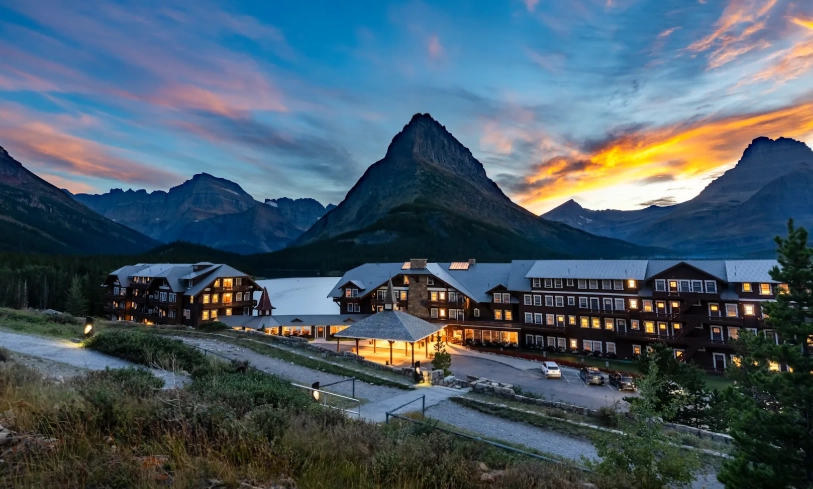
Costs, Value, and How to Not Go Broke
Let's talk money. In-park lodging is rarely cheap. You're paying for a monopoly on an incredible location.
Is it worth it? For a special trip, a milestone, or to maximize a short visit, absolutely. For a longer trip, maybe mix it up—a couple of nights in the park, a few nights in a more affordable motel outside.
Ways to save: Book the most basic room. You won't be in it much. Skip the private balcony. Choose a cabin with a shared bath. Cook your own meals instead of eating every one at the lodge restaurant (if you have a kitchenette). Bring a cooler.
Hidden Fee Watch: Resort fees are creeping into some park lodges. Parking is usually free but can be limited. Wi-Fi might cost extra. Always check the final breakdown before booking. That $250/night cabin can easily become $300 with fees and taxes.
Think of it as an investment in experience, not just a place to sleep. The money you save on gas and time from not commuting can offset some of the cost.
Answers to the Questions You're Actually Asking (FAQ)
Final Thoughts Before You Hit "Book"
Getting the right national parks lodging takes effort. It's a puzzle. But the payoff—those extra quiet hours in the park, the feeling of being part of the landscape, the convenience—is immense.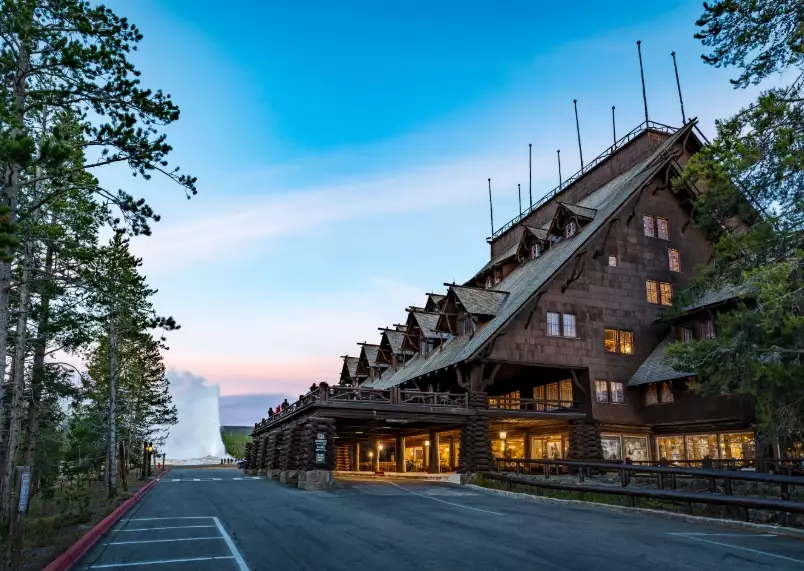
Start early. Be flexible. Use the official NPS and concessioner websites for the most accurate info and booking. Don't get discouraged if your first choice is gone; your second or third choice might lead to an even better adventure.
Remember, the goal isn't a perfect hotel room. The goal is to wake up in a national park. However you manage that, you've already won.
Now go check those booking calendars.