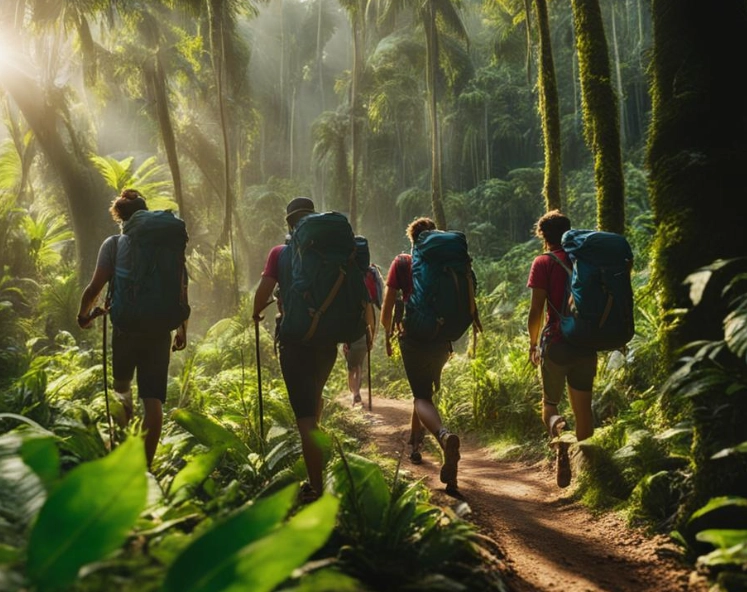
Let's get something straight. Wilderness backpacking isn't just hiking with a bigger bag. It's a negotiation with self-reliance. You carry your world on your back—shelter, food, water, safety—and the trail's response is pure, unfiltered reality. No ranger station every two miles, no cell signal to bail you out. That's the appeal, and honestly, the part that keeps most people from ever trying it. They get lost in gear lists and calorie counts and forget the core skill: decision-making with consequences. I learned this the hard way on my first solo trip in the North Cascades, shivering in a damp sleeping bag because I prioritized a fancy stove over a proper sleeping pad. This guide is about avoiding that kind of mistake.
Your Trail Map to This Guide
Mindset First, Gear Second
Before you buy a single piece of equipment, internalize this: comfort is not the goal. Competence is. You will be tired, you might be a little scared, and something will probably go not-quite-as-planned. That's normal. The goal is to have the skills and resilience to handle it.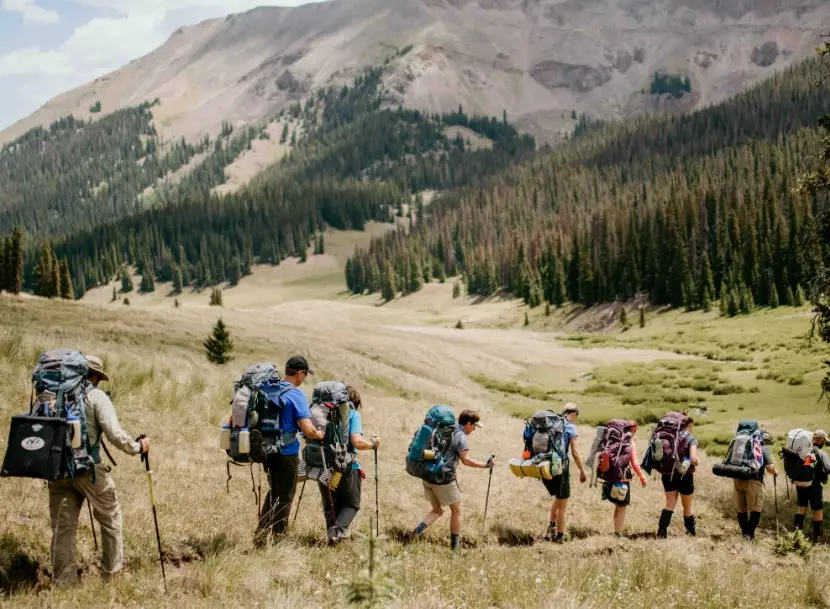
A huge, rarely mentioned mistake beginners make is trying to buy their way to comfort with the heaviest, most car-camping-like gear. That 8-pound tent seems cozy until you're carrying it up 3,000 feet of elevation gain. Your pack weight is your biggest enemy. Every ounce compounds fatigue, which clouds judgment, which leads to poor decisions.
Start by renting gear from an outfitter like REI or a local shop. Try a lightweight tent, a few different packs. Do an overnight in a local state park or even your backyard. The goal is to fail small and learn. Can you work the stove in the dark? Does that sleeping pad actually keep you warm? This experiential knowledge beats any online review.
Building Your Backpacking System
Think in systems, not individual items. Your gear needs to work together to keep you dry, warm, fed, and safe. Here's a breakdown focused on function, not just a branded checklist.
| System | Core Items & The "Why" | Common Pitfall to Avoid |
|---|---|---|
| The Shelter & Sleep System | Tent/Tarp, Sleeping Bag, Sleeping Pad. The bag keeps you warm, the pad insulates you from the ground (critical!), the shelter keeps you dry. Match the bag's temperature rating to the lowest temp you expect. A pad's R-value measures insulation; below 40°F, aim for R-3 or higher. | Using a cheap foam pad from a big-box store. It might be okay for summer, but it won't insulate on cold ground, leading to a miserable, sleepless night. |
| The Kitchen & Hydration System | Stove, Fuel, Pot, Water Filter, Bottles/Bladder. Simplicity wins. A canister stove is reliable for beginners. Your water filter is non-negotiable—giardia ruins trips. Consider a Smartwater bottle; it's light, durable, and fits most filters. | Underestimating water needs between sources. Always check recent trail reports for spring status. Carrying 2 liters is a good minimum in dry areas. |
| The Clothing System | Baselayer, Insulation (Fleece/Puffy), Rain Shell, Hiking Pants/Shorts, Socks. All synthetic or merino wool. Cotton is "death fabric"—it holds moisture and steals heat. Dress in versatile layers you can add/remove while moving. | Packing too many "what-if" clothes. You need a hiking set, a sleeping set (kept dry!), and layers. That's it. You can rinse and dry items. |
| The Navigation & Safety System | Detailed Paper Map, Compass, Headlamp, First-Aid Kit, Repair Kit, Firestarter, Bear Canister (if required). Electronics fail. Your phone/GPS is a backup. Know how to use the map and compass. A 10+ lumen headlamp is a must. | Relying solely on a phone app with downloaded maps. Phone dies, you're lost. Also, a tiny "adventure" first-aid kit with only band-aids is useless. Include blister care, pain meds, and trauma supplies. |
Your backpack is the final piece. Get fitted at a store with weighted bags. The pack should carry 60-70% of its weight on your hips, not your shoulders. A common fitting error is getting a pack too long for your torso; it will pull on your shoulders all day.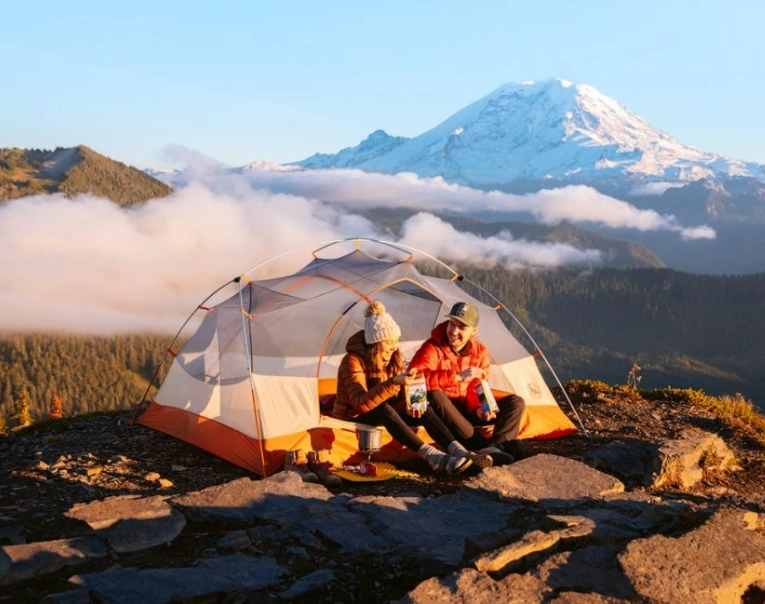
Planning Your First Multi-Day Route
Don't jump on the John Muir Trail for your maiden voyage. Be strategic.
Choose a Manageable Trail: Look for a 2-day, 1-night loop or out-and-back with moderate mileage. Aim for 5-8 miles per day with your full pack. Websites like AllTrails are great, but cross-reference with official land manager sites (e.g., National Park Service, US Forest Service) for permit requirements, regulations, and current conditions.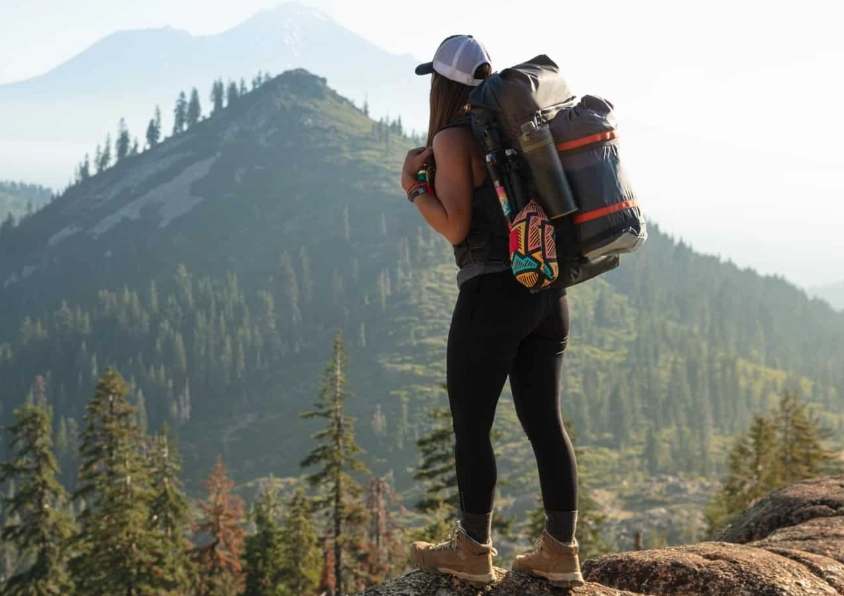
Trailhead: Skyline Trailhead, National Forest.
Permit: Self-issue at trailhead (always verify!).
Day 1: Hike 5.5 miles to Lost Lake. Gradual climb, reliable water source at mile 3. Set up camp, filter water, explore lakeshore.
Day 2: Hike 4.5 miles back to trailhead via the slightly steeper but scenic ridge route. Total trip: 10 miles, 1,800 ft elevation gain.
This builds confidence with a safe fallback (the known water source) and a short second day.
Permits and Regulations: This is non-negotiable. Popular areas require permits, often won via lottery months in advance. Others have self-issue permits at the trailhead. Research this first. Also, understand fire regulations (often no open flames) and mandatory bear canister zones. Hanging food is rarely sufficient in bear country anymore; canisters are the proven standard.
Navigation: You Can't Rely on Trail Markers
Trails fade, especially above treeline or in early season. Snow covers cairns. Your ability to locate yourself on a topographic map is your primary safety skill.
Paper Map & Compass: Buy a detailed map from a source like National Geographic Trails Illustrated. Before you go, trace your route. Identify bail-out points. Practice identifying landmarks—that distinct peak, the bend in the river, the saddle between two hills.
Digital Tools as Backup: Apps like Gaia GPS or CalTopo allow you to download maps for offline use. Put your phone in airplane mode to save battery. But if you haven't correlated the blue dot on your screen with the features on your paper map, you're one dead battery away from being helpless.
A Navigation Drill Before You Go
Find a local park with trails. With your map and compass, try this:
1. Orient your map so north on the map points to magnetic north.
2. Pick a distant landmark (water tower, hilltop).
3. Find it on your map.
4. Now, locate your position on the map based on what you see around you.
This simple exercise builds the spatial awareness you need when the trail disappears in a meadow.
Safety and Leave No Trace
Safety is about habits. Always tell someone your detailed itinerary—trailhead, route, campsites, and when you'll check in. Carry a satellite communication device like a Garmin inReach or Zoleo if going truly remote. It's worth the rental fee for peace of mind.
Leave No Trace (LNT) isn't just polite; it's essential for preserving the wilderness you're there to experience.
The Big Three for Backpackers:
1. Camp on Durable Surfaces: Use established sites. If none exist, camp on rock, sand, or dry grass, never on fragile vegetation.
2. Dispose of Waste Properly: Human waste: dig a cathole 6-8 inches deep, at least 200 feet from water. Pack out all toilet paper in a baggie. Yes, really.
3. Leave What You Find: That includes rocks, flowers, and archaeological artifacts. Photos are your only souvenirs.
I once watched a group wash their dishes directly in an alpine lake with soap. It's a glaring error. Wash everything 200 feet away from water sources, using a small amount of biodegradable soap scattered widely.
Your Wilderness Backpacking Questions Answered
How can I overcome the fear of backpacking alone in the wilderness?
What is the most common mistake beginners make with their backpacking gear?
Is a bear canister really necessary, or can I just hang my food?
How do I choose between an inflatable and a foam sleeping pad for backpacking?
The final step is just to go. Your plan won't be perfect. You'll forget the salt for your dinner. You'll take a wrong turn and have to backtrack. That's the process. Wilderness backpacking strips away the noise and gives you a simple set of problems: find the trail, make camp, stay dry, eat food. Solving them with your own hands and mind is the reward that keeps you coming back, with a lighter pack and a clearer head each time.