I almost learned this the hard way. A few years back, I told friends I was going "climbing" in the Colorado Rockies. They pictured ropes and harnesses, but I meant a steep hike. When I showed up in trail runners and a daypack, the guide laughed—it was a class 3 scramble requiring helmets. That mix-up could have been dangerous. Hiking and mountain climbing aren't interchangeable terms. One's a stroll; the other's a sport. Get it wrong, and you might end up underprepared or over your head.
Let's cut through the confusion. If you're planning an outdoor trip, knowing the difference isn't just semantics—it's about safety, gear, and fun. I've spent a decade exploring trails and peaks, from the Appalachian Trail to Mount Rainier, and I've seen too many beginners blur the lines. This guide will break it down so you can choose wisely.
What You'll Discover in This Guide
The Terrain Tells the Tale: Hiking vs Climbing Defined
It all starts with the ground under your feet. Hiking typically follows established trails—think dirt paths, forest walks, or gentle slopes. You might gain elevation, but you're mostly walking. Mountain climbing, on the other hand, involves technical terrain where you use hands and equipment to ascend. The American Alpine Club defines climbing as any ascent requiring rope, ice axe, or specialized techniques.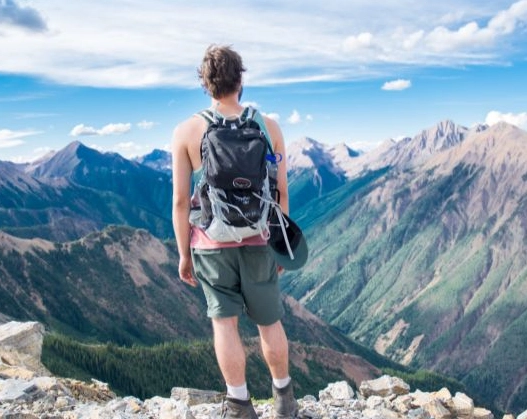
What Defines a Hike?
Hiking is accessible. Trails like those in Great Smoky Mountains National Park are well-marked, with signs and maps. You can do it in sneakers (though boots are better). The goal is enjoyment, exercise, or reaching a viewpoint. I've hiked the Inca Trail in Peru—it's tough, but it's a hike because you're on a path, not scaling cliffs.
What Defines a Mountain Climb?
Climbing gets technical. Routes involve rock faces, ice, or steep snow. You'll see ratings like Class 4 (scrambling with exposure) or Class 5 (roped climbing). For example, climbing Mount Washington in New Hampshire in winter is a mountaineering feat due to ice and weather. It's not just about height; it's about difficulty. A 14,000-foot peak in Colorado might be a hike, while a 10,000-foot one in the Alps could be a climb.
Here's a quick way to tell: if you're wondering whether you need a helmet, it's probably climbing.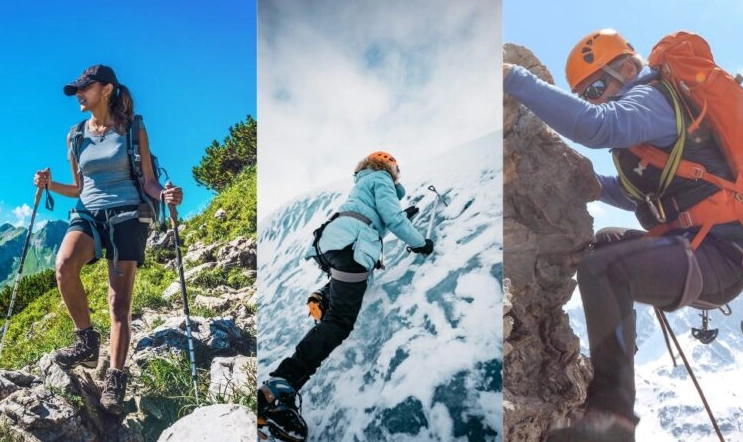
Gear Showdown: What You Really Need
Gear is where the rubber meets the road—or rock. I've wasted money on fancy equipment I didn't need, so let's keep it simple. The table below sums it up, but I'll add some personal notes.
| Item | Hiking | Mountain Climbing |
|---|---|---|
| Footwear | Trail runners or hiking boots (flexible) | Mountaineering boots (stiff, for crampons) or climbing shoes |
| Clothing | Layers, rain jacket, hat | Same, plus insulated layers and gloves for cold |
| Safety Gear | First aid kit, map, whistle | Helmet, harness, rope, ice axe, crampons |
| Backpack | Daypack (20-30 liters) | Technical pack (30-50 liters) with gear loops |
| Navigation | GPS or smartphone app | Altimeter, compass, detailed topo maps |
Notice the gap? Hiking gear is about comfort; climbing gear is about survival. I learned this on a climb in the Cascades where my hiking jacket wasn't windproof enough—big mistake. Also, many blogs push expensive brands, but for hiking, a decent pair of Merrell boots works fine. For climbing, don't skimp on the helmet; a Petzl model saved my head once from falling ice.
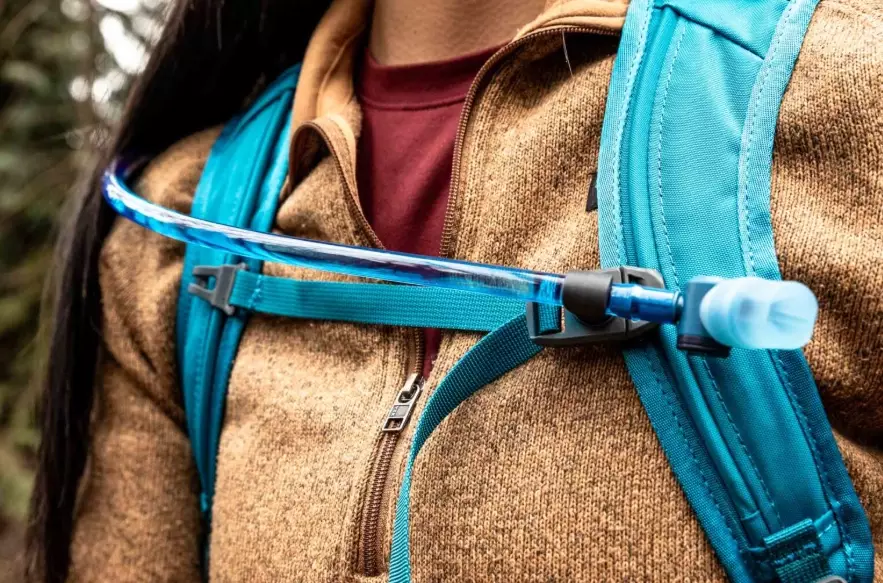
Another thing: hydration. Hikers can use water bottles; climbers often need hydration bladders with insulated tubes to prevent freezing. Small details matter.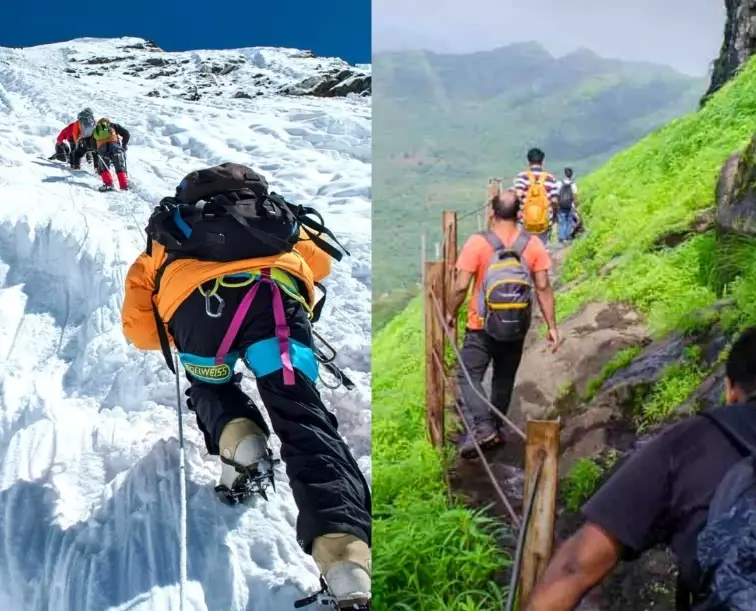
Skill Level and Training: Are You Ready?
Skills separate the casual from the committed. Hiking requires basic fitness and navigation. You can start with a local trail and build up. Climbing demands technical training—things like belaying, rappelling, and self-arrest with an ice axe.
How to Build Hiking Skills
Start easy. Pick a trail under 5 miles with minimal elevation gain. Use apps like AllTrails to track your progress. I recommend joining a hiking group; REI offers classes on map reading. The key is consistency. Over months, you can tackle longer hikes like the John Muir Trail sections.
How to Learn Climbing Skills
You can't wing it. Take a course from the American Mountain Guides Association. I did my first course in Boulder, Colorado—it covered knots, rope management, and crevasse rescue. Practice at a climbing gym first. Many beginners think they can transition from hiking to climbing overnight, but it's like going from biking to motocross. The skills don't fully transfer.
Fitness-wise, climbing needs upper body strength and balance. Hiking is more about cardio. I've seen hikers struggle on climbs because they neglected arm workouts.
Risk Assessment: Safety First
Risk is the elephant in the room. Hiking has risks—getting lost, weather changes—but they're manageable. Climbing multiplies them: falls, avalanches, rockfall. The National Park Service reports more incidents on climbs than hikes in places like Denali.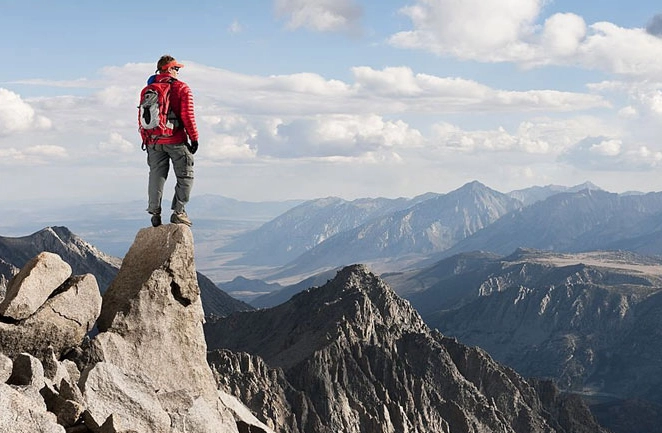
Let's break it down:
- Hiking risks: Dehydration, sprains, wildlife encounters. On a hike in Yellowstone, I once met a bear—stayed calm, backed away. Always carry bear spray in such areas.
- Climbing risks: Falls, hypothermia, equipment failure. On a climb in the Alps, a partner slipped on ice; the rope caught him, but it was close. That's why redundancy in gear is crucial.
My rule: if you're scared of heights, stick to hiking. Climbing exposes you to exposure—literal drops that can trigger panic. I've guided friends who froze on ledges, and it's not fun for anyone.
Weather is another factor. Hikers can turn back if storms roll in; climbers might be committed to a route. Check forecasts from NOAA, but assume they're wrong in mountains.
Choosing Your Adventure: A Practical Guide
So, how do you pick? It's not about what's cooler; it's about what fits you. Imagine this scenario: you have a weekend free, and you want an outdoor challenge. Here's a step-by-step approach.
Step 1: Assess your experience. If you've never hiked before, start with a local park trail. If you're a seasoned hiker, consider a guided intro climb. I did my first climb after five years of hiking, and it still felt overwhelming.
Step 2: Consider your budget. Hiking is cheap—maybe $100 for boots. Climbing costs: courses ($300+), gear ($1000+), guides ($200/day). I've seen people drop thousands on gear they never use. Rent first.
Step 3: Think about time. A hike can be a few hours; a climb often takes a full day or more. For example, climbing Mount Hood in Oregon requires an overnight stay or a very early start.
Step 4: Check location. Some places blur the line. In Yosemite, Half Dome's cables route is a hike with climbing elements—you need permits and gloves. Research on sites like Mountain Project.
If you're still unsure, try a "scramble"—a middle ground. Routes like the Dragon's Tail in Glacier National Park offer a taste of climbing without full gear. But bring a helmet!
Personally, I love both, but I hike more often because it's less hassle. Climbing is for special occasions, like summiting a peak for a birthday. It's more rewarding but also more draining.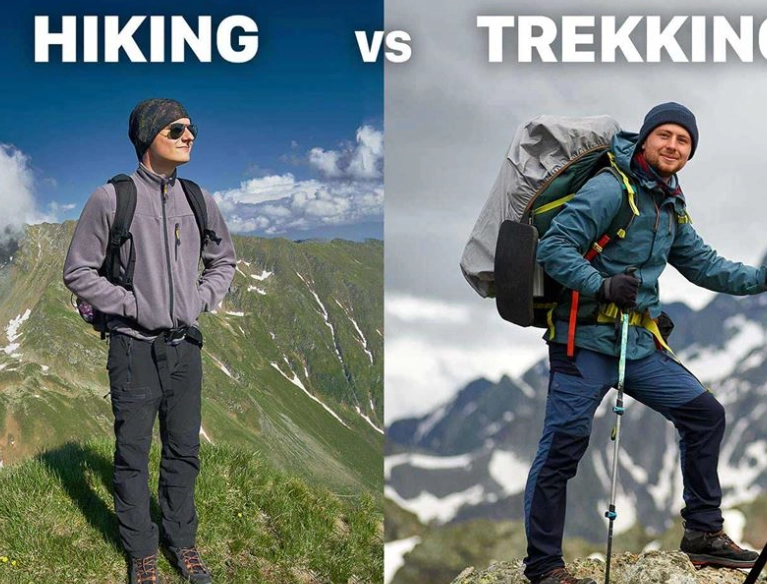
FAQ: Straight Answers to Common Confusions
At the end of the day, both hiking and mountain climbing offer incredible ways to connect with nature. But knowing the difference keeps you safe and ensures you have the right gear. I still mix them up sometimes—just last month, I called a tough hike a "climb" to sound impressive. But on the trail, honesty matters. Pick based on your skills, not ego. Start with a hike, dream of a climb, and maybe one day you'll stand on a summit, looking down at the path you took to get there.