You see the words all the time. Hiking. Trekking. They get tossed around like they're interchangeable. I did too, early on. Then I found myself on day three of a muddy, remote trail in Nepal, my "hiking" daypack feeling utterly ridiculous, and I learned the hard way. The difference between hiking and trekking isn't just pedantic—it's the gap between a satisfying day out and a potential survival situation. Getting it wrong can ruin a trip, or worse.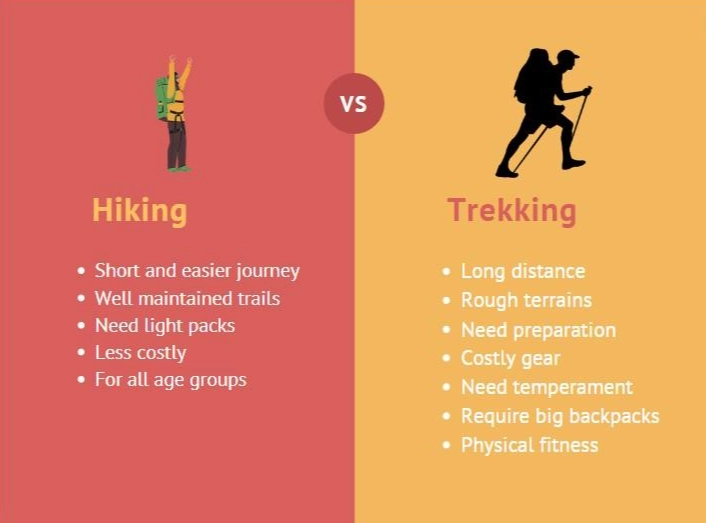
This guide cuts through the confusion. We're not just listing dictionary definitions. We're breaking down the real-world implications for your time, budget, fitness, and gear closet.
Your Quick Trail Map
What is Hiking? The Accessible Adventure
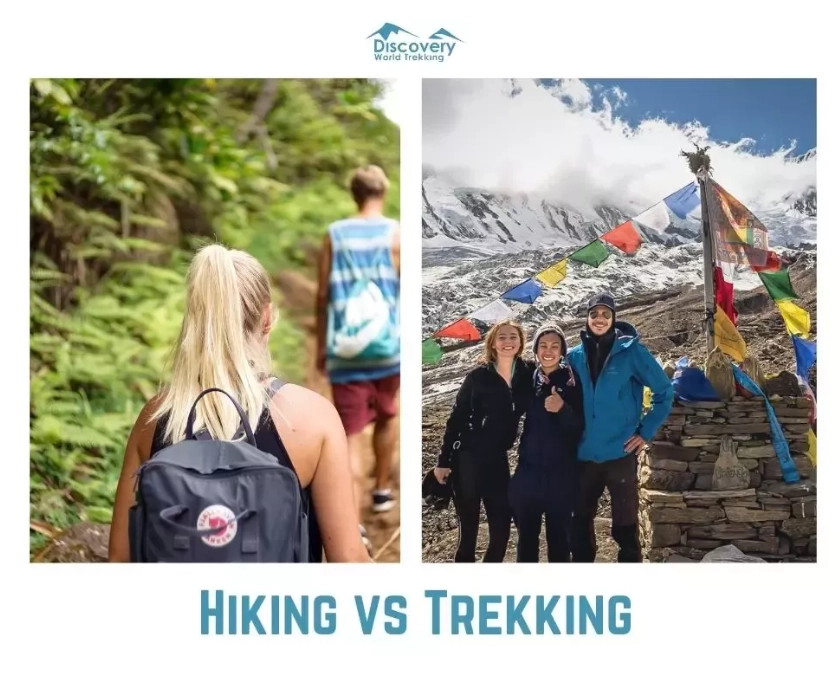
Think of hiking as your go-to outdoor escape. It's a day-long activity, usually on established, well-marked trails. You start and finish at the same trailhead, or maybe do a point-to-point with a car shuttle. The goal is often a specific payoff: a waterfall, a summit view, a serene lake for lunch. You carry what you need for the day—water, snacks, a rain layer, a first-aid kit.
The beauty of hiking is its low barrier to entry. You can find fantastic hikes in nearly every national park, state forest, or even urban greenway. Planning is straightforward: check the weather, park opening times (like the 24/7 access vs. dawn-to-dusk gates at many US National Parks), trailhead parking fees (often $5-$30 via Recreation.gov or an onsite kiosk), and maybe download an offline map. You're home by dinner.
I've seen the classic mistake here. People treat a 10-mile mountain hike like a walk in the city park. They wear cotton jeans, bring a single 500ml plastic water bottle, and have no backup navigation. That's a fast track to becoming a statistic. Even on a "simple" hike, preparation is non-negotiable.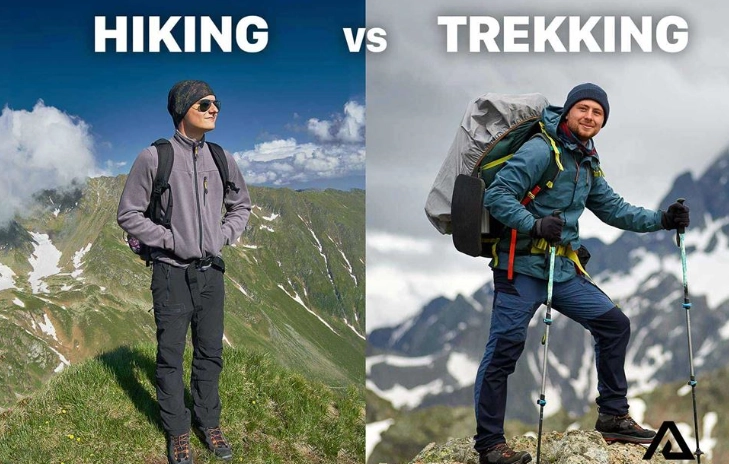
What is Trekking? The Immersive Journey
Trekking is a multi-day expedition. It's a journey where the trail itself is the destination. You're committing to a route that takes you deep into a landscape, often requiring overnight camping or stays in basic lodges (teahouses). You carry your shelter, sleeping system, food, and supplies for the entire journey, or hire porters/animals to do so.
This is where the mental game changes. It's not just about physical stamina; it's about resilience, self-sufficiency, and adapting to changing conditions over consecutive days. Think of famous routes: the Inca Trail to Machu Picchu (4 days, requires a licensed guide), the Tour du Mont Blanc (about 11 days), or Nepal's Everest Base Camp trek (12-14 days). These aren't just long hikes; they're logistical operations.
Planning a trek involves securing permits months in advance (Inca Trail permits sell out instantly), understanding seasonal weather windows, arranging airport transfers to remote trail towns (like Lukla for Everest), and packing for a massive range of temperatures and scenarios. The cost isn't just gear; it's flights, guide services, accommodation, and food for days on end.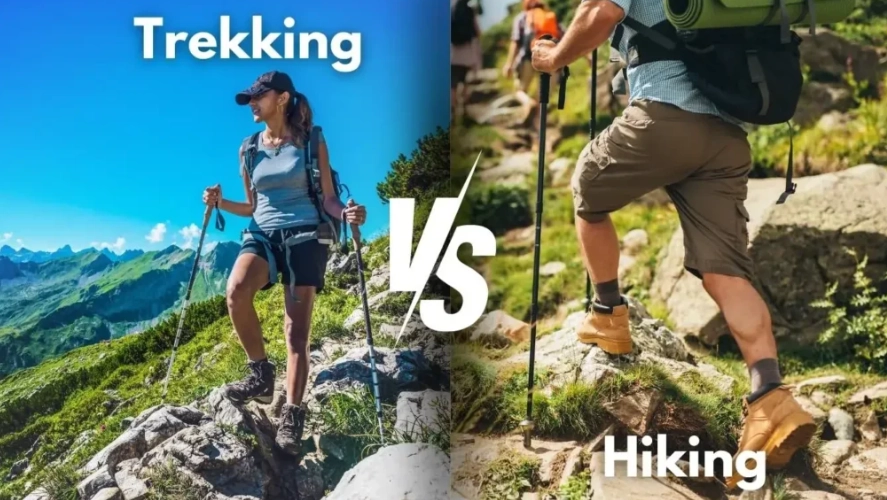
Hiking vs Trekking: A Side-by-Side Breakdown
Let's get concrete. This table isn't about which is better, but about what each activity fundamentally demands from you.
| Factor | Hiking | Trekking |
|---|---|---|
| Duration & Distance | Hours to a full day. Typically 3-15 miles. | Multiple days to weeks. Often 40+ miles total. |
| Infrastructure | Marked trails, maintained paths, often cell service. | May include unmarked sections, remote areas, no service. |
| Primary Goal | Reach a destination and return. Enjoy scenery/exercise. | Complete a journey. Experience immersion and self-reliance. |
| Gear Core | Daypack. The 10 Essentials. Weather-appropriate clothing. | Expedition backpack (50-70L). Shelter, sleep system, cooking gear, multi-day food/water plan. |
| Fitness Focus | Cardio endurance, leg strength for a sustained effort. | All of the above, plus recovery ability, joint resilience, and load-bearing stamina. |
| Planning Horizon | Days or weeks. Check trail conditions, pack bag, go. | Months. Permits, travel, gear testing, physical training plan. |
| Cost Range | Low to moderate (gas, park entry, maybe new shoes). | Moderate to high (flights, guides, gear investment, daily costs on trail). |
The table tells a clear story, but the nuance is in the daily reality. On a trek, your biggest concern isn't the distance—it's whether your blister care kit is adequate, if you filtered enough water for the dry stretch tomorrow, and if your mental energy will hold.
How to Choose: Hiking or Trekking?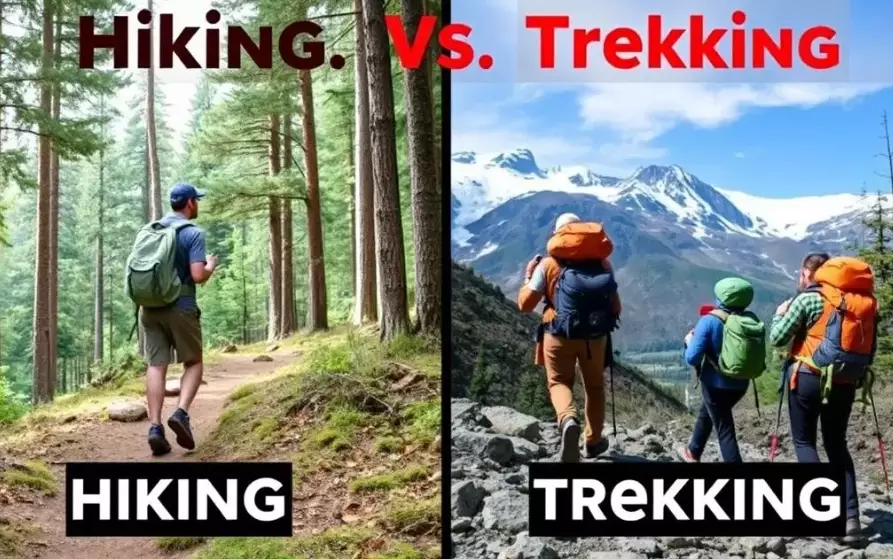
Don't pick based on what sounds cooler. Pick based on an honest assessment of your resources. Ask yourself these questions:
How much time do you really have? A 4-day trek requires at least 6-7 days when you factor in travel to/from the remote start point. A hike can be slotted into a weekend.
What's your fitness baseline? Can you comfortably walk 10 miles with a 10-pound pack and feel fine the next day? That's a good hiking baseline. For trekking, you need to be able to do that, with a 30-pound pack, for 4-5 days in a row. It's a different kind of fatigue.
What's your budget for gear? A proper trekking backpack, a lightweight tent, a sleeping bag rated for sub-freezing temps, a reliable water filter—this kit can easily surpass $1,000. You can start hiking with a $100 daypack and shoes you already own.
What's your appetite for uncertainty? Hiking has unknowns (weather, trail closures). Trekking multiplies them: altitude sickness, route-finding errors, supply issues in remote villages.
My advice? Master hiking first. Do a series of challenging day hikes. Then, try an overnight backpacking trip—that's the perfect bridge activity. If you love the overnight, you're ready to start planning a true trek.
The Gear Mistakes Everyone Makes (And How to Avoid Them)
Here’s where 10 years of guiding and personal missteps pays off. These are the subtle errors that don't make most lists.
The Hiking Mistake: The "Just in Case" Overpack
You throw in extra clothes, a heavy novel, a giant first-aid kit with surgical tools. Your daypack hits 25 lbs. By mile 8, every extra ounce screams at you. You're miserable. The fix? Pack for probability, not possibility. Will you probably need a full change of clothes? No. Layer your clothing system (base, insulation, shell). Carry a compact emergency bivy instead of a bulky blanket. Weigh your pack before you go; a day hike pack over 15-18 lbs for an average person means you're likely carrying fears, not necessities.
The Trekking Mistake: New Boots on the Big Trail
This is a classic disaster. You buy fancy, stiff, waterproof trekking boots for your Himalayan adventure. You break them in on three treadmill sessions. On day one of the trek, you develop blisters the size of quarters. By day three, you're limping. The fix? Your footwear should be the most worn-in item you own. Buy them 3-4 months in advance. Wear them everywhere—to the grocery store, on short hikes, while doing chores. They should feel like slippers by the time you hit the trailhead. And consider trail runners for many non-technical treks; they're lighter, dry faster, and cause fewer blisters for many people.
The Universal Mistake: Ignoring Your Feet Until It's Too Late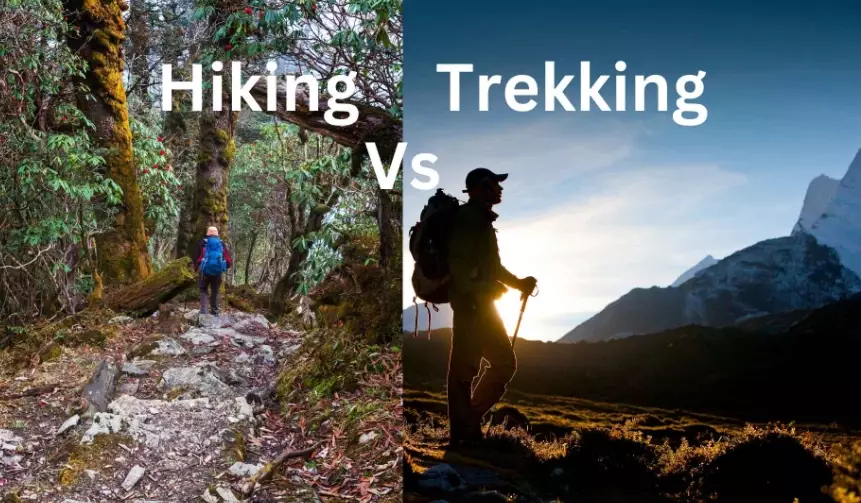
Blister prevention isn't reactive; it's a constant, proactive ritual. At the first hint of a hot spot—not when you feel pain—stop. Immediately. Take off your boot and sock. Apply leukotape or a specialized blister patch (like Compeed) over the area. Change into a dry pair of socks. This 5-minute stop saves you days of agony. I carry a dedicated "foot care kit" in my hip belt pocket: leukotape pre-cut on wax paper, a needle sterilized in alcohol, and a small tube of lubricant.
Your Burning Questions Answered
 What's the one piece of gear you'd never skimp on for either activity?
The line between hiking and trekking is a line of commitment. One is a superb way to connect with nature on a manageable scale. The other is a transformative journey that tests and rewards you in deeper ways. Know the difference, respect the demands of each, and you'll unlock the right adventure for where you are right now. Your boots are waiting.