In This Guide
- The Road and the Ice: An Inseparable Story
- Your Practical Guide to Conquering Going-to-the-Sun Road
- Where to Stop for the Best Going-to-the-Sun Road Glacier Views
- Understanding What You're Looking At: Glacier Science 101
- Beyond the Drive: Hikes to Touch the Ice
- Navigating the Crowds and Preserving the Park
- Frequently Asked Questions (The Stuff You're Actually Wondering)
- The Takeaway: More Than Just a Scenic Drive
Let's talk about one of the most incredible drives on the planet. You've probably seen the photos—a narrow ribbon of pavement clinging to the side of a mountain, winding past sheer cliffs and overlooking valleys so deep they make your stomach drop. That's Going-to-the-Sun Road. But here's the thing most postcards don't tell you: this engineering marvel was built to showcase a disappearing world. The very glaciers that give Glacier National Park its name are retreating, and fast. So what's the real story behind Going-to-the-Sun Road Glacier views, and what are you actually going to see when you get there?
I remember my first time driving it. I was white-knuckling the steering wheel around Logan Pass, completely overwhelmed. I kept looking for those massive rivers of ice I'd imagined. The reality was more subtle, and honestly, a bit sobering. It sparked a curiosity in me that led down a rabbit hole of geology, park history, and trip planning nightmares. This guide is everything I wish I'd known before that trip.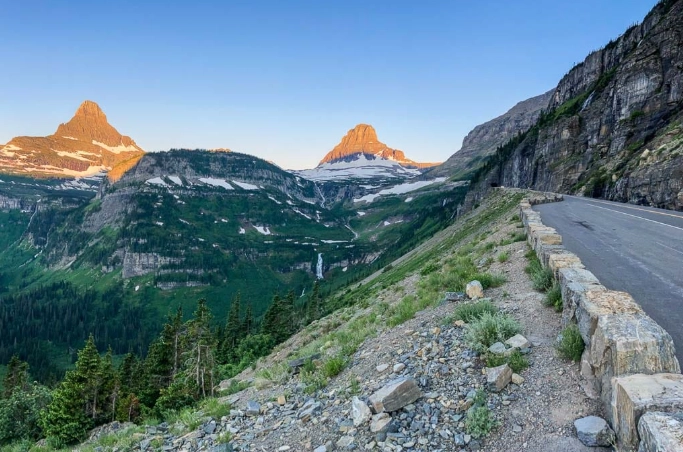
The Core Truth: Going-to-the-Sun Road isn't just a way to get from point A to point B. It's a 50-mile-long moving theater showcasing the dramatic work of ancient ice. It's your front-row seat to understanding landscape shaped by glaciers, even as the modern ones shrink before our eyes.
The Road and the Ice: An Inseparable Story
You can't separate the story of the road from the story of the ice. They're tangled together. The road's very route was dictated by glacial geology. Engineers in the 1920s and 30s had to follow the paths carved by massive glaciers thousands of years ago—the U-shaped valleys, the hanging tributaries. They couldn't just blast through solid rock anywhere they wanted; they were at the mercy of ancient ice flow patterns.
So when you're driving, you're literally tracing the footsteps of giants. Every sweeping curve around Going-to-the-Sun Road, every tunnel, every overlook is there because a glacier was there first.
But what about the glaciers you can see from the road today?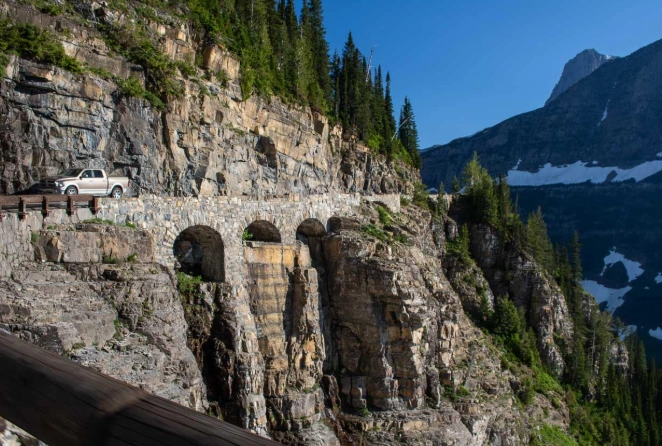
That's where it gets interesting. The park's most famous glaciers—like Grinnell, Jackson, and Blackfoot—require a hike to see up close. But from Going-to-the-Sun Road itself, you're looking at smaller, clinging glaciers and permanent snowfields, often tucked into high north-facing cirques. The most famous and visible one is probably the Jackson Glacier, which you can spot from a dedicated pullout. It's one of the easiest major glaciers to see from a roadway in the entire lower 48 states. Seeing it from that overlook is a powerful, silent lesson in change.
A quick personal gripe: finding that Jackson Glacier Overlook for the first time is trickier than it should be. The sign isn't huge, and if you're coming from the west, it's right after a bend. Blink and you'll miss it. My advice? Set your map app or use the park's official map and know it's between Logan Pass and St. Mary Falls.
Your Practical Guide to Conquering Going-to-the-Sun Road
Alright, let's get down to brass tacks. How do you actually do this drive without losing your mind? Summer traffic on Going-to-the-Sun Road is no joke. It feels like everyone in the world decided to visit on the same Tuesday in July.
When to Go (The Timing is Everything)
This is the million-dollar question. The road has a famously short season, typically fully open from late June or early July until mid-October. The plowing effort is Herculean—crews deal with avalanches and 80-foot snowdrifts. You can check the National Park Service's road status page for real-time updates.
Here’s my breakdown of the pros and cons:
| Timeframe | Pros | Cons | Best For... |
|---|---|---|---|
| Late June - Early July (Opening) | Maximum snowpack, stunning contrasts of snow & rock, rushing waterfalls, fewer bugs. | Road may not be fully open, some trails snow-covered/closed, unpredictable weather. | Photographers, those who love snowscapes, avoiding peak crowds. |
| Mid-July - August (Peak) | All trails & roads open, wildflowers in alpine meadows, stable warm weather. | Extreme crowds, difficult parking, need for very early starts, potential for smoke from wildfires. | Families, hikers wanting full trail access, first-time visitors. |
| September (Shoulder) | Dramatic fall colors (larch trees!), significant crowd drop-off after Labor Day, pleasant temps. | Shorter days, chance of early snowstorms, some services start to close. | Hikers, solitude seekers, landscape photographers. |
| October (Closing) | Solitude, golden light, potential for snow-dusted peaks. | High chance of road closure due to snow, very cold, most services closed. | Adventurous, self-sufficient travelers who don't mind uncertainty. |
My personal favorite? September. The light is golden, the crowds thin out, and the larch trees turn a brilliant yellow. It’s magic. But you trade that for the risk of an early winter closing the road on you.
The Vehicle Rules Are No Joke
This isn't a highway. There are strict vehicle size limits: 21 feet long, 8 feet wide, and 10 feet tall. That includes your mirrors and anything on your roof. Why? The lanes are narrow, the tunnels are tight, and the curves are blind. I've seen RVs have to do a multi-point, heart-stopping turnaround because they missed the signs. Don't be that person. If you're renting an RV or a big truck, double-check the dimensions.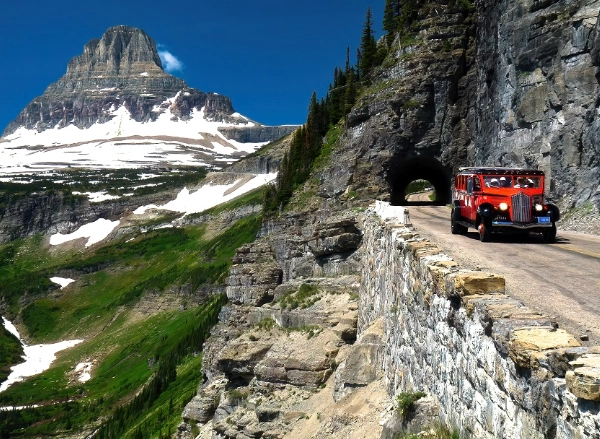
Heads up: The park is serious about these limits. Rangers will turn you around at the entrance gates if you're over. There are no exceptions. It's for everyone's safety.
Honestly, the best vehicle is the smallest one you can manage. A regular car or small SUV is perfect. It makes parking at those tiny, crowded pullouts possible.
Where to Stop for the Best Going-to-the-Sun Road Glacier Views
You don't just drive this road. You experience it in chunks, at specific spots. Here’s my curated list of can't-miss stops, from west to east.
Lake McDonald Valley: The start (or end) of the journey. The lake itself is pristine, with colorful rocks under the water. It’s a gentle introduction. The views here are of the glacial valley, not the ice itself.
The Loop: A famous, tight switchback. Park here and look back west. You get a phenomenal view of the Heavens Peak area and the deep, U-shaped valley carved by ice.
Then comes the crown jewel.
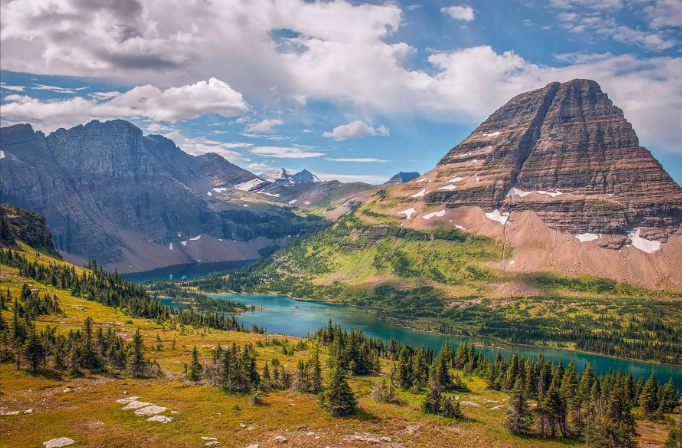
Logan Pass (Continental Divide): The highest point on the road at 6,646 feet. This is the alpine heart of the park. The parking lot is famously full by 7:30 AM. Your mission: get here early or take the free park shuttle. From here, you can see the Garden Wall, a razor-thin arête carved by glaciers on both sides. The Hidden Lake Overlook trail starts here—a must-do boardwalk hike that offers staggering views of Bearhat Mountain and the basin where glaciers once sat.
Jackson Glacier Overlook: As mentioned, this is your main event for seeing a current glacier from the road. There’s a large interpretive sign that helps you identify what you're looking at across the valley. It's a sobering stop when you compare the glacier's size on the sign's historic photo to what you see today.
St. Mary Lake & Wild Goose Island: The iconic view you see on every poster. This long, finger-like lake was gouged out by a massive glacier. The view is less about seeing ice and more about appreciating the scale of glacial sculpture.
Pro Photography Tip: The light for Jackson Glacier is best in the morning. For St. Mary Lake and Wild Goose Island, come at sunrise or late afternoon. Midday light flattens everything out. And bring a telephoto lens (200mm+). The glaciers are far away across the valley.
Understanding What You're Looking At: Glacier Science 101
Okay, let's pause the travel log for a second. To really appreciate Going-to-the-Sun Road Glacier scenery, you need a quick primer on what a glacier even is. It's not just a permanent snowfield.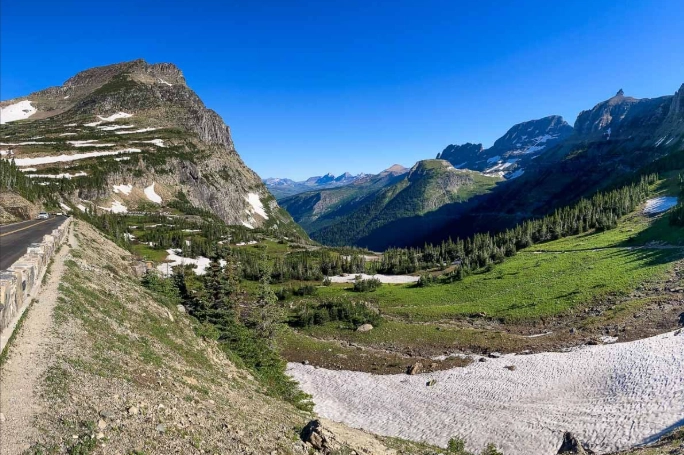
A glacier is a river of ice that flows under its own weight. It forms where more snow accumulates in winter than melts in summer over many, many years. The snow compresses into dense ice, and gravity pulls it downhill. They are powerful, slow-moving landscape artists.
From the road, you'll see evidence of both alpine glaciers (the ones in the mountains now) and the work of much larger Pleistocene-era glaciers that filled entire valleys.
- U-Shaped Valleys: Rivers carve V-shaped valleys. Glaciers, with their immense bulk, grind out wide, U-shaped valleys like Lake McDonald and St. Mary. That's the most obvious sign.
- Hanging Valleys: See a smaller valley that seems to end abruptly high up on a main valley wall? That's a hanging valley, where a smaller tributary glacier met the main one. St. Mary Falls is in one.
- Cirques & Arêtes: The bowl-shaped hollows at the head of a glacier are cirques. When two cirques erode back-to-back, they leave a sharp ridge called an arête (like the Garden Wall).
The U.S. Geological Survey (USGS) has been monitoring the park's glaciers for decades. Their data is stark. In 1850, the park had an estimated 150 glaciers. Today, only about 25 remain that are larger than 25 acres (the benchmark for being active), and they are all shrinking. The connection between Going-to-the-Sun Road and glacier retreat is now a central part of the park's story. Rangers aren't just talking about beautiful scenery; they're talking about climate change in real-time.
Beyond the Drive: Hikes to Touch the Ice
The road gives you the panorama, but to feel the chill of a glacier, you need to hike. Remember, these are strenuous, high-elevation hikes. Be prepared with water, layers, and bear spray.
Grinnell Glacier Trail: This is the classic. It starts from Many Glacier area (north of the road, requires driving around) and is a full-day, 11-mile round-trip commitment. The payoff? You stand at the foot of Grinnell Glacier and its stunning turquoise lake. It's the most direct way to comprehend the scale and beauty of these ice remnants.
Iceberg Lake Trail: Also from Many Glacier. A bit easier than Grinnell, this 10-mile trail ends at a lake that often has icebergs floating in it well into August, calved from the snowfields above.
Highline Trail from Logan Pass: If you want those epic, jaw-on-the-floor views of the Garden Wall without a brutal climb, this is it. The trailhead is at Logan Pass. It traverses along the cliffs, giving you a bird's-eye view of the road below and the glacial geology all around. You can go as far as you want and turn back.
I attempted Grinnell once in late June. Bad idea. The upper part was a steep snowfield, and I wasn't equipped with microspikes. I turned around, frustrated. Lesson learned: check trail conditions with rangers before you head out. The NPS trail status page is your best friend.
Navigating the Crowds and Preserving the Park
Let's be real. The popularity is a double-edged sword. Everyone wants this experience, and it can feel cramped. Here’s how to cope and be part of the solution.
Use the FREE Shuttle System: This is the #1 tip for a stress-free experience. The shuttle runs along the entire Going-to-the-Sun Road corridor. Park at Apgar Visitor Center or St. Mary Visitor Center, hop on, and get off at any stop. No parking headaches. You can hike one way and shuttle back. It's brilliant. Seriously, use it.
Go Early or Go Late: The road is quietest before 8 AM and after 5 PM. Not only will you find parking, but the light is sublime for photos, and you might see more wildlife.
Practice Leave No Trace: This isn't a city park. Pack out ALL your trash (including fruit peels). Stay on designated trails to protect fragile alpine vegetation. Give wildlife plenty of space—use your zoom lens, not your feet.
The park is considering a timed entry reservation system for the Going-to-the-Sun Road corridor in future peak seasons, similar to other popular parks. Always check the current park conditions for the latest on permits, closures, and alerts before your trip.
Frequently Asked Questions (The Stuff You're Actually Wondering)
The Takeaway: More Than Just a Scenic Drive
Driving Going-to-the-Sun Road is a pilgrimage for a reason. It's not just a checklist item. It's a sensory immersion into power—the raw power of ice to shape continents, and the humbling power of time and a changing climate to reshape them again.
You come for the postcard views, but you leave with a deeper understanding. You see the U-shaped valley and understand the glacier that was there. You see the small, dirty patch of ice across the valley and understand it's a fading remnant of something vast. The road connects you to that story in a way no textbook ever could.
So plan well, go early, pack your patience, and look beyond the pavement. You're not just on a road trip. You're traveling through geologic time, witnessing a landscape in transition. And that is an experience that sticks with you long after you've driven the last mile.
Safe travels.