In This Guide
- What Exactly Is a Mountain Ecosystem, Anyway?
- The Staggering Biodiversity of High Places
- Why We All Depend on Mountains (Yes, Even You)
- The Mounting Threats: A System Under Siege
- Conservation: What's Being Done and Does It Work?
- Your Questions Answered: Mountain Ecosystem FAQs
- Looking Ahead: The Future of Our High Places
Let's talk about mountains. Not just the postcard views or the challenging hikes, but the entire, complex, living world that exists on those slopes. We often see them as silent, stoic giants, but scratch the surface (literally and figuratively) and you find some of the most dynamic, diverse, and frankly, fragile places on Earth. I'm talking about mountain ecosystems. They're not just rocks and snow. They're intricate tapestries of life, woven together by altitude, climate, and geology in ways that still surprise scientists. I remember hiking in the Rockies years ago, thinking I understood "wilderness," only to have a park ranger point out a tiny, ancient lichen clinging to a north-facing rock. That was my first real lesson in scale and specificity. The story of a mountain isn't one story; it's thousands, stacked on top of each other.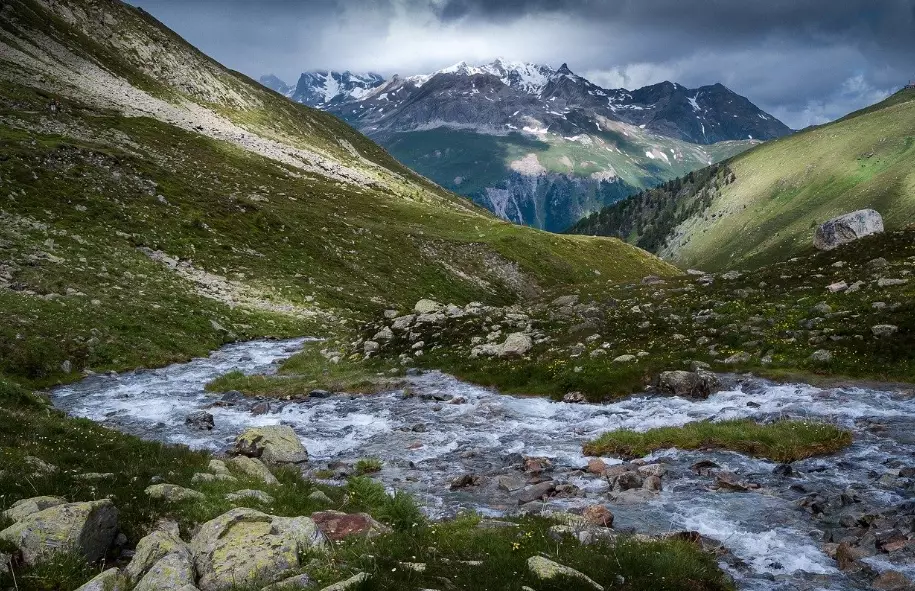
So, what's the big deal? Why should someone sitting miles away from the nearest peak care about these high-altitude worlds? Well, if you drink water, care about weather patterns, or appreciate biodiversity, you're directly connected to the health of mountain ecosystems. They're water towers for billions, harbors for unique species found nowhere else, and early warning systems for our planet's changing climate. But they're under immense pressure. This isn't just an environmentalist's concern; it's a practical one that touches agriculture, energy, and global security. This guide is my attempt to unpack all of that—to move beyond the basic textbook definition and look at how these systems actually work, what's threatening them, and what, if anything, we can do about it.
What Exactly Is a Mountain Ecosystem, Anyway?
It sounds like a simple question, but the answer is wonderfully messy. A mountain ecosystem isn't a single thing. It's the entire community of living organisms (plants, animals, microbes) interacting with each other and their non-living physical environment (the rocks, soil, climate, water) within a mountainous region. The key driver here? Altitude. As you go up, temperature drops, pressure decreases, sunlight intensity changes, and conditions get harsher. This creates distinct life zones stacked vertically. It's like taking a journey from the equator to the poles, but compressed into a few thousand vertical feet.
Think about hiking up a big mountain. You start in a forest of tall trees. A few hours up, the trees get shorter and scrubbier. Keep going, and you hit the tree line—that magical boundary where trees just can't grow anymore. Beyond that, it's alpine meadows, then rocky scree, and finally permanent snow and ice. Each of those zones is a different mini-ecosystem with its own rules and residents. The connectivity between these zones is what makes the whole system tick. Water, nutrients, and even animals move between them. A change in the snowpack at the top can completely alter the water supply for the forests at the bottom. That interconnectedness is the heart of the matter.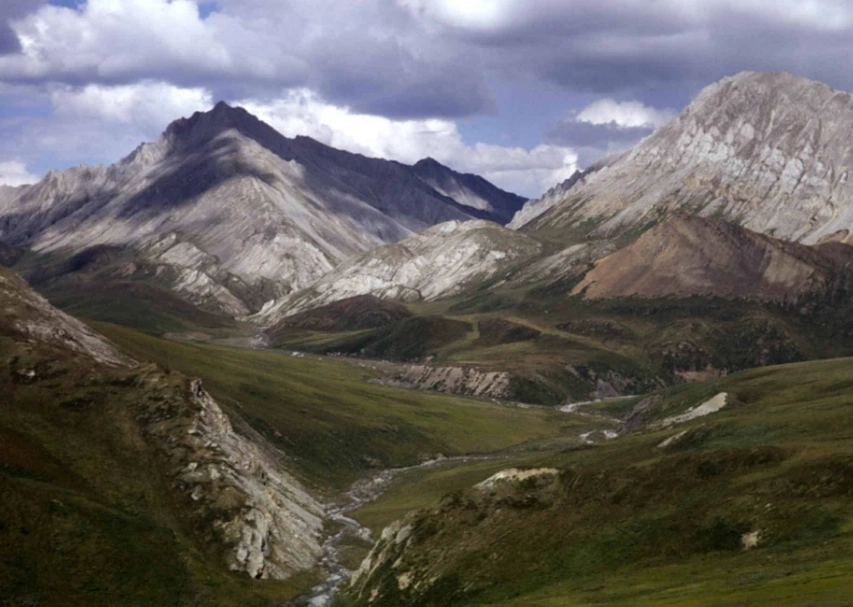
Here's the thing most people miss: The boundaries of these zones aren't fixed. They creep up or down the mountain in response to climate. That's why scientists study them so intensely—they're like a giant, natural laboratory showing us real-time ecological change.
The Staggering Biodiversity of High Places
If you picture mountains as barren, think again. They are hotspots of biodiversity, especially in the tropics. The variety is insane. Isolated by valleys and peaks, species evolve in unique directions, leading to high levels of endemism—species that live nowhere else on the planet. The Tropical Andes, for example, are mind-bogglingly rich. But even temperate mountains hold incredible, specialized life.
Let's break down the cast of characters you might find in a typical temperate mountain ecosystem, from the bottom to the top:
- The Foundation (Soil & Microbes): This is the unsung hero. Mountain soils are often young, thin, and nutrient-poor. But they're teeming with bacteria and fungi that break down organic matter (which is scarce) and form symbiotic relationships with plant roots, helping them survive in tough conditions. Without this microscopic workforce, the whole system would collapse.
- The Engineers (Plants): Plants here are tough cookies. They have to deal with short growing seasons, intense UV radiation, wind, cold, and poor soil. Adaptations are incredible: low, cushion-like growth forms to conserve heat and moisture (like the Moss Campion), hairy leaves for insulation, and the ability to photosynthesize at near-freezing temperatures. Coniferous forests often dominate lower slopes, giving way to hardy deciduous trees, then shrubs, and finally grasses and wildflowers in the alpine zone.
- The Movers (Animals): Animal life is all about specialization and movement. You have permanent residents like the mountain goat, with its incredible grip and thick coat, or the pika, a small mammal that spends summers harvesting "hay" to survive under the snow. Then you have migrants, like birds and some mammals, that move up and down the slopes with the seasons to access food. Predators like snow leopards or lynx roam vast territories across these zones, linking them together.
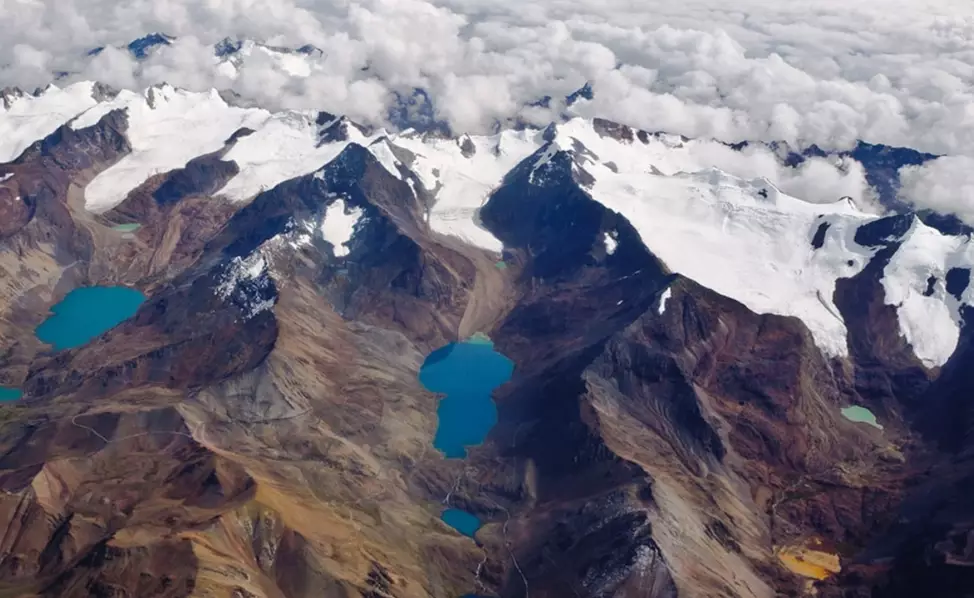
This biodiversity isn't just for show. It provides what economists call "ecosystem services"—real, tangible benefits to humanity. Which brings me to my next point.
Why We All Depend on Mountains (Yes, Even You)
You might live on a flat coastal plain and never see a hill, but mountain ecosystems are working for you. Their value is immense and multifaceted. I'd argue it's the most underappreciated aspect of their story.
The Water Tower Function
This is the big one. Mountains intercept moisture from the atmosphere, often as snow. This snow acts as a natural reservoir, storing water in the winter and releasing it slowly as meltwater through spring and summer. This regulated supply is critical for:
- Drinking Water: Major cities like Los Angeles, Nairobi, and countless others rely on mountain watersheds.
- Agriculture: Irrigation for crops in downstream plains, which produce a huge portion of the world's food.
- Hydropower: A major source of renewable energy for many mountainous countries.
- Industry: Water for manufacturing and cooling.
When the mountain water cycle is disrupted, everything downstream feels it. It's a direct pipeline to our taps and our food.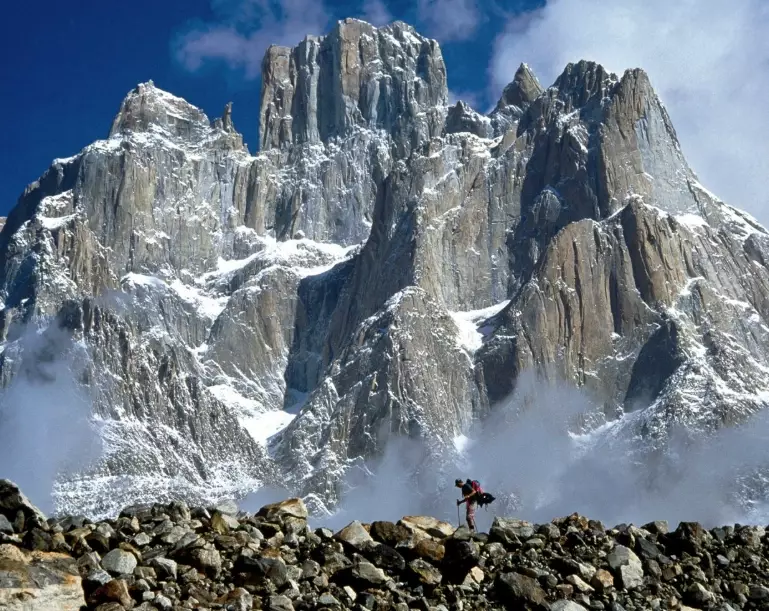
Climate Regulation and Carbon Storage
Mountain forests and soils are significant carbon sinks. They absorb and store carbon dioxide from the atmosphere. High-altitude peatlands, in particular, are carbon storage powerhouses. When these areas are degraded—drained for grazing or burned—that stored carbon is released, accelerating climate change. It's a vicious feedback loop we're only starting to understand fully.
Cultural and Recreational Value
This is more subjective but no less real. Mountains hold deep spiritual and cultural significance for many communities. They are places of pilgrimage, inspiration, and identity. And let's not forget recreation—tourism, hiking, skiing. These industries provide livelihoods for millions. But here's my personal, slightly negative take: sometimes we love them to death. The footprint of tourism can be a major threat, which feels like a tragic irony.
I've seen both sides of this. A pristine alpine lake, silent and breathtaking, and then the same lake a few years later, with a new parking lot and a trail eroded two feet deep from overuse. Finding the balance between access and preservation is one of the trickiest parts of managing these places.
The Mounting Threats: A System Under Siege
Okay, so these places are amazing and vital. So what's the problem? The problem is that they are getting hit from all sides by pressures that are changing them faster than many species can adapt. It's a perfect storm.
| Threat | How It Manifests in Mountains | Direct Consequence |
|---|---|---|
| Climate Change | Rapid warming at high altitudes, glacial melt, shifting precipitation (more rain, less snow), earlier snowmelt. | Altered water regimes, species forced to migrate uphill (until they run out of space), increased risk of droughts & floods downstream. |
| Habitat Loss & Fragmentation | Deforestation for timber/agriculture, mining, road and infrastructure development, expanding human settlements. | Isolation of species populations, reduced genetic diversity, direct loss of critical habitat (e.g., alpine meadows). |
| Invasive Species | Non-native plants, animals, and pathogens introduced (often unintentionally) by humans. | Outcompetition of native species, alteration of fire regimes, disruption of food webs. Mountain ecosystems, being isolated, are especially vulnerable. |
| Pollution | Long-range transport of air pollutants (e.g., mercury, nitrogen), plastic waste, agricultural runoff. | Acidification of soils and water, toxic buildup in food chains, eutrophication of high-altitude lakes. |
| Overexploitation | Unsustainable logging, overgrazing by livestock, poaching of rare species (for trophies/medicine), overharvesting of plants. | Depletion of key species, soil erosion, degradation of vegetation cover, disruption of ecological balance. |
The scary part is how these threats interact. Climate change weakens a forest, making it more susceptible to pest outbreaks (like mountain pine beetles), which then increases the risk of severe fires. It's a cascade of problems. And because everything is connected vertically, a problem at a lower elevation doesn't stay there—it climbs.
A concrete example: Glacial retreat isn't just about losing ice. It exposes unstable rock and sediment, leading to more landslides and rockfalls. It also changes the temperature and flow of streams fed by meltwater, which can wipe out cold-water adapted species like certain trout. One change ripples through the entire mountain ecosystem.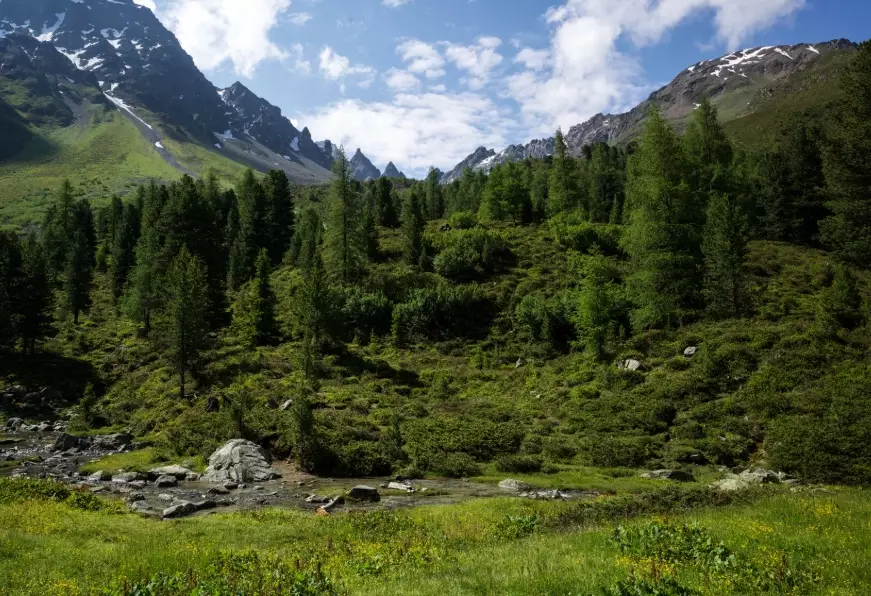
Conservation: What's Being Done and Does It Work?
It's easy to feel hopeless reading that list. But people are fighting for these places. Conservation isn't just about putting a fence around a park anymore (though protected areas are still crucial). It's about smarter, more integrated approaches that involve local communities and look at whole landscapes.
Protected Areas and Corridors
National parks and nature reserves are the bedrock. But the new thinking is about connectivity. Creating wildlife corridors that allow animals to move between protected areas, especially as they try to migrate to cooler altitudes. It's about managing the matrix of land between the pristine spots. The work of organizations like the International Union for Conservation of Nature (IUCN) in categorizing and advocating for protected areas is fundamental here.
Community-Based Conservation
This, in my opinion, is where the most promising work happens. Top-down rules often fail if the people living in and around these mountain ecosystems don't benefit. Programs that provide alternative livelihoods (like ecotourism or sustainable harvesting of non-timber forest products), involve locals in monitoring (citizen science), or give communities stewardship rights over their lands have shown real success. It aligns human well-being with ecosystem health.
Science and Monitoring
We can't protect what we don't understand. Long-term ecological monitoring programs are essential. Agencies like the U.S. Geological Survey (USGS) and global networks like GLORIA (Global Observation Research Initiative in Alpine environments) are tracking changes in climate, vegetation, and species across mountain ranges worldwide. This data is what drives policy and prioritizes action.
Restoration Ecology
Fixing what's been broken. This includes reforestation with native species, stabilizing slopes to prevent erosion, and even assisted migration—helping species relocate to more suitable habitats as their current range becomes inhospitable. It's hands-on, difficult, and expensive, but necessary.
The challenge is scale and politics. Conservation science often knows what to do. Getting it funded and implemented across international borders (many major mountain ranges span multiple countries) is the real hurdle. Cooperation is non-negotiable.
Your Questions Answered: Mountain Ecosystem FAQs
Are mountain ecosystems more fragile than others?
Generally, yes. The extreme conditions mean species are often highly specialized with narrow tolerances. A small change in temperature or moisture can be a big deal. Their physical setting—steep slopes, thin soils—also makes them prone to erosion and landslides when disturbed. Recovery from damage is usually very slow.
What is the biggest misconception people have about mountains?
That they are remote and disconnected from our daily lives. As we've discussed, the water link alone shatters that idea. They are intimately connected to global systems. A second misconception is that they are static. They are constantly changing, just now at an unnaturally fast rate due to human pressure.
Can mountain species just move uphill to escape warming?
This is a common theory, and we are observing it happening. But it's not a perfect solution. First, there's only so much "up" to go. Eventually, you hit the summit and have nowhere left to go—a phenomenon called "mountaintop extinction." Second, the new habitat at a higher altitude might have different soil, moisture, or community interactions. It's not just about temperature. And third, human development often fragments the landscape, blocking their path.
Is planting trees on mountains always good for the ecosystem?
Not necessarily. This is a critical point. Planting the wrong type of tree (fast-growing non-natives, for example) in the wrong place (like ancient, carbon-rich alpine meadows or peatlands) can do more harm than good. It can deplete water, alter soil chemistry, and reduce biodiversity. Restoration must be ecologically informed, aiming to restore the native plant community, not just create a tree plantation.
What can an ordinary person do to help?
Think about your water and energy use—the less we strain downstream systems, the better for the upstream sources. Support sustainable tourism operators if you visit mountains (stay on trails, pack out waste). Be mindful of your carbon footprint—climate change is the overarching threat. Finally, support organizations (local or global) that are doing the on-the-ground conservation and advocacy work for these specific places.
Looking Ahead: The Future of Our High Places
So where does this leave us? The future of mountain ecosystems is uncertain, but it's not a foregone conclusion. They are resilient in their own way—they've survived ice ages, after all. But the current pace and combination of threats are unprecedented.
The path forward has to be multi-pronged: aggressive global action on climate change, smarter local land-use planning, genuine investment in community-led conservation, and a continued push for scientific research. We need to shift our view of mountains from being just scenic backdrops or resource stores to being recognized as critical, active, living infrastructure that supports life on a continental scale.
I'll leave you with this thought. Protecting mountains isn't about preserving a wilderness for its own sake, though that has value. It's about safeguarding a fundamental operating system for our planet. The health of our lowland cities, farms, and economies is inextricably linked to the health of those high, rocky slopes. Understanding the complexity and vulnerability of mountain ecosystems is the first, essential step in making better choices for them, and ultimately, for us.