Quick Trail Guide
You know that feeling, right? You see pictures of friends on mountain ridges, or you drive past a trailhead sign and think, "I should do that." Hiking seems simple enough—just walking, but outside. But then the questions start. Where do I even go? What do I need to bring? Is it safe? What if I get lost?
Let's be honest, that uncertainty stops a lot of people before they even start. I was one of them. My first "hike" was a comedy of errors involving cotton everything, a single small water bottle, and shoes better suited for a mall. I was miserable, thirsty, and my feet were a blister museum by the end. I almost swore off the whole idea.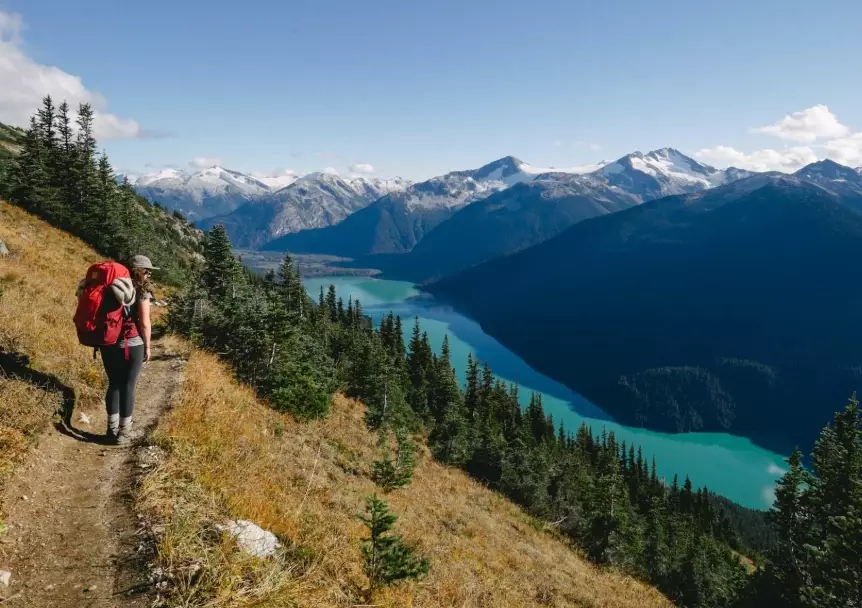
But I'm glad I didn't. Hiking became more than just exercise; it's my reset button, my way to untangle a busy week, and a source of genuine joy. This guide is everything I wish I'd known back then. We're not talking about scaling Everest here. We're talking about getting you out the door, onto a trail, and back home safely with a smile on your face. That's the goal.
Why Bother Hiking Anyway?
Sure, you could just walk on a treadmill. But it's not the same, not even close.
The benefits of hiking stack up in ways that surprise most people. It's not just a leg workout. The uneven terrain of a trail engages your core, improves your balance, and strengthens stabilizing muscles the pavement never touches. According to the American Heart Association, regular aerobic activity like brisk hiking is a cornerstone for heart health.
Mental Reset: This is the big one for me. There's a growing pile of research, including studies often cited by the National Park Service, pointing to the mental health benefits of time in nature. It can lower stress hormones, reduce anxiety, and boost mood. Something about focusing on the path in front of you makes the inbox and the to-do list fade into the background.
It's accessible. You don't need a gym membership or fancy equipment to begin. A huge part of successful hiking is just starting with the right expectations and a little knowledge.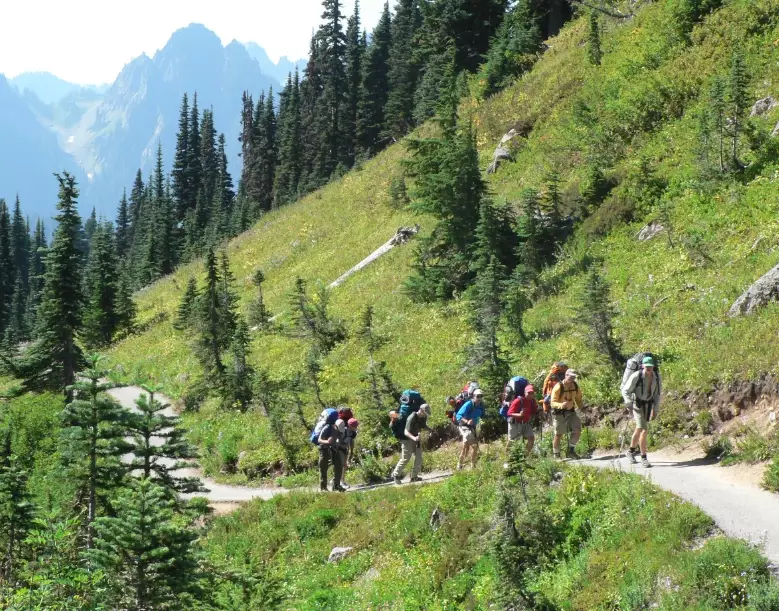
Your First Hike: A Step-by-Step Plan
Don't try to run a marathon on day one. The same logic applies to hiking.
Finding Your Trail
This is where most beginners get overwhelmed. You don't need to find the most epic, Instagram-famous trail. You need to find the right trail for you.
My go-to resource is the AllTrails website and app. It's not perfect—some reviews can be overly dramatic—but the filters are gold. For your first few hikes, filter for:
- Difficulty: "Easy" or maybe "Moderate" if you're fairly active.
- Length: Under 3 miles. Seriously. A short, enjoyable hike is better than a long, grueling slog.
- Elevation Gain: Low. This is the total uphill climbing. Look for something under 500 feet for a start.
Read the recent reviews. People often note if a trail is muddy, overgrown, or has confusing turns. Look for phrases like "great for beginners" or "family-friendly."
Local county or state park websites are also fantastic, often less crowded, and their information is usually very reliable.
Decoding the Weather
Checking the weather isn't just about seeing if it will rain. You need to think in layers.
The temperature at the trailhead can be wildly different at the summit. A rule of thumb is that the temperature drops about 3-5 degrees Fahrenheit for every 1,000 feet you climb. So a sunny 65°F (18°C) day in the valley could be a chilly 50°F (10°C) at the top of a 3,000-foot climb. Wind makes it feel even colder.
I've been caught in a sudden mountain shower wearing a cotton hoodie. It soaked through in minutes, and wet cotton loses all insulating ability. I was cold, miserable, and it was a dumb, preventable mistake. Now I always pack a light, waterproof shell, even if the sky is clear when I start.
The Non-Negotiable Gear List (And What's Overhyped)
You don't need to spend a fortune. Focus on a few key items that will make or break your comfort and safety.
Footwear: The Foundation
This is your most important purchase. Blisters can ruin a hike instantly. You have two main choices: hiking shoes or hiking boots.
| Type | Best For | Pros | Cons (My Take) |
|---|---|---|---|
| Hiking Shoes | Day hikes on well-maintained trails, dry conditions, lighter loads. | Lighter, more breathable, break in faster, feel more like sneakers. | Less ankle support, won't keep feet dry in deep puddles/mud. |
| Hiking Boots | Rough/rocky terrain, carrying a heavier pack, wet/cold conditions, ankle support needs. | More stability and ankle support, better waterproofing, more durable. |
Go to a reputable outdoor store and get fitted. Your feet will swell when hiking, so try them on with the socks you plan to wear. There should be a thumb's width of space in front of your longest toe when standing.
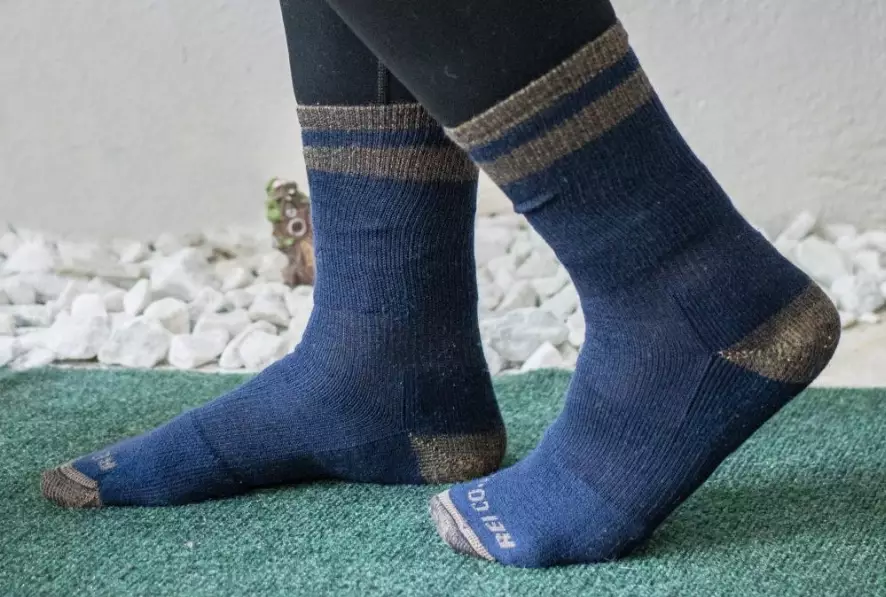
And socks! Avoid cotton at all costs. Merino wool or synthetic blends are the way to go. They wick moisture away, dry quickly, and prevent blisters. A good pair of socks is just as critical as the shoe.
The Daypack & The 10 Essentials
You need a comfortable pack to carry your stuff. A 20-30 liter daypack is perfect for most outings. Look for padded shoulder straps and a waist belt—it transfers weight to your hips and saves your shoulders.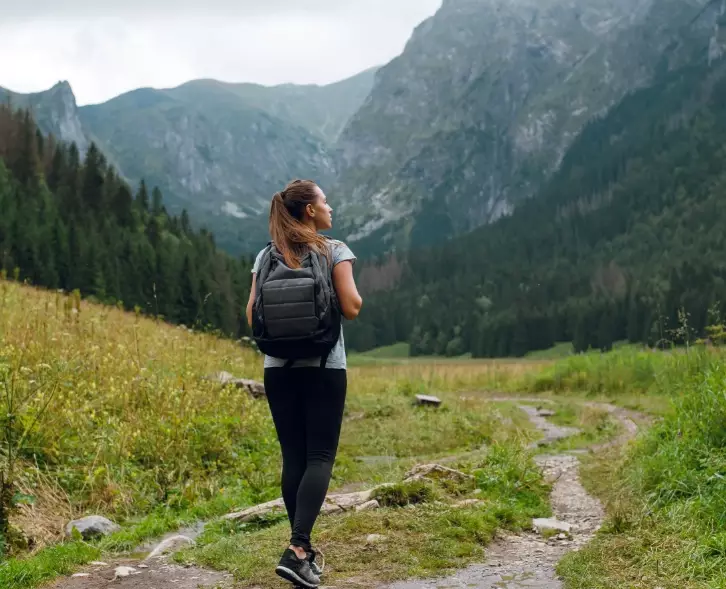
Now, what to put in it? For decades, outdoor educators have preached the "Ten Essentials"—a list of systems you should have to handle common emergencies. The National Park Service has a great modern version of this list. Don't think of it as a checklist of things, but as systems for safety:
- Navigation: Map (physical, waterproof), compass, and GPS/phone (with offline maps). Electronics fail.
- Sun Protection: Sunglasses, sun-protective clothes, and broad-spectrum sunscreen. The sun is stronger at altitude.
- Insulation: An extra layer (like a fleece or puffy jacket). Weather changes fast.
- Illumination: Headlamp or flashlight, with extra batteries. Hikes can take longer than planned.
- First-Aid Supplies: A basic kit plus any personal meds.
- Fire: Lighter/matches in a waterproof container, fire starter. For emergency warmth.
- Repair Kit & Tools: Duct tape, multi-tool, a few zip ties.
- Nutrition: Extra day's worth of food. Snacks like nuts, bars, jerky.
- Hydration: Extra water AND a way to purify more (filter, tablets).
- Emergency Shelter: A lightweight emergency bivvy or space blanket.
This list looks long, but it all packs down small. That emergency bivvy is the size of a deck of cards. Carrying this stuff isn't paranoid; it's responsible. I've used my extra layer and headlamp more times than I can count because a hike just took longer than expected.
My Gear Mistake: I once bought a super technical, expensive rain jacket for casual day hiking. It was overkill—noisy, less breathable, and I was terrified of snagging it on branches. A simple, affordable waterproof shell from a reputable brand has served me far better for 90% of my trips.
Safety: The Unsexy, Critical Stuff
This is the part people skip, but it's what lets you hike again next weekend.
Before You Go: The Trip Plan
Always tell someone where you're going and when you expect to be back. Text a friend or family member: "Hiking the Blue Loop at Pine Ridge Park. 4 miles. Should be back at the car by 3 pm. Will text when I'm out." This simple act is your number one safety tool. If you don't return on time, someone knows where to start looking.
On the Trail: Situational Awareness
Pay attention. It sounds obvious, but it's easy to get lost in conversation or a podcast.
- Track Your Progress: Glance at your map or app occasionally. Note landmarks.
- Turn Around Time: Decide on a hard turn-around time before you're tired. No matter how close the summit seems, if it's 2 PM and your turn-around time was 1:30 PM, you turn around. Reaching the top is optional; getting back safely is mandatory.
- Trust Your Gut: If a trail looks sketchy, a river crossing seems too high, or the weather is turning, there is zero shame in turning back. The mountain will be there another day.
If You Get Lost: STOP. This is the classic acronym from survival courses. Stop walking. Think. Observe. Plan. Panicking wastes energy. Stay put if you're truly disoriented. You are easier to find if you stay in one place. Use your emergency shelter if needed, and signal for help if you see or hear searchers.
Wildlife Encounters
This varies hugely by region. Do a quick search for wildlife guidelines for your specific hiking area. General rules:
- Give animals plenty of space. Never approach or feed them.
- Make noise in areas with bears to avoid surprising them. Talking or occasional clapping works.
- Know how to store your food properly. In bear country, use a bear canister or provided bear boxes.
- For smaller critters like snakes, watch where you step and place your hands.
The U.S. Forest Service website has excellent, region-specific wildlife safety tips.
Hiking Etiquette & Leaving No Trace
We all want clean, peaceful trails. That takes a little effort from everyone.
The core idea of Leave No Trace is simple: leave the place as good as or better than you found it. The seven principles are a great framework, but for day hiking, focus on these big ones:
Stay on the trail. Cutting switchbacks erodes the hillside and damages plant life. Muddy? Walk through the mud—it's part of hiking. Your boots will dry.
Pack it in, pack it out. EVERYTHING. Orange peels, nut shells, used tissues, and especially all trash. These things don't belong there and take a long time to decompose.
Be mindful of noise. People are out there to enjoy the quiet. Keep voices down and skip the Bluetooth speaker. Use headphones if you want music.
Right of way. Generally, uphill hikers have the right of way (it's harder to restart on a climb). Step aside and give them a smile. Bikers yield to hikers, and everyone yields to horses.
The best hike leaves nothing behind but footprints and takes nothing away but photos and memories. It's a cliché because it's true.
Leveling Up Your Hiking Game
Once you've got a few easy hikes under your belt, you might want to explore further.
Tackling Longer or Steeper Trails
It's all about gradual progression. Increase your distance or elevation gain by no more than 10-15% per week to build stamina and avoid injury. Start incorporating those longer hikes with more of the Ten Essentials in your pack. Maybe you try a trail with a 1,000-foot gain, or one that's 6 miles long.
Venturing Into the Backpacking World
Backpacking—hiking with all your camping gear to stay overnight—is the natural next step for many. It's a whole new level of planning and gear (tent, sleeping bag, stove, bear canister), but the reward of waking up deep in the wilderness is incredible. I'd suggest trying a short, one-night trip close to home first, or even better, going with an experienced friend or a guided group.
Your Hiking Questions, Answered
It happens to everyone. The Leave No Trace principle is to do it at least 200 feet (about 70 adult steps) from any water source, trail, or campsite. Dig a "cat hole" 6-8 inches deep with a small trowel (carry one!), do your business, fill it in, and pack out your toilet paper in a zip-top bag. For urine, just go well away from water sources. It's not glamorous, but it's part of being responsible outdoors.
Solo hiking can be very rewarding, but it increases risk. You must be extra diligent with your trip plan, gear, and decisions. Stick to popular, well-marked trails at first. Trust your intuition absolutely. Many people love the solitude, but it's not for everyone, and that's okay.
Ticks and mosquitoes are the usual suspects. Wear light-colored long sleeves and pants, tuck pants into socks, and use a reliable insect repellent (EPA-registered ones with picaridin or DEET are most effective). Do a thorough tick check when you get home, including hidden areas.
You're not alone. Downhill hiking is tough on joints. Using trekking poles can take 20-30% of the impact off your knees. Also, go slow, take smaller steps, and try to keep a slight bend in your knee when your foot lands. Building stronger leg muscles overall helps too.
Wrapping It Up and Getting Out There
Look, the most important step in hiking is the first one out your door. Don't get paralyzed by planning or gear. Find an easy, highly-rated trail near you this weekend. Pack more water and snacks than you think you need, wear decent shoes, tell someone your plan, and go take a walk.
You might get a little muddy. You'll probably be a bit more tired than you expected. But you'll also hear birds you don't hear in your backyard, see a view that wasn't on a screen, and feel a sense of accomplishment that's entirely your own.
That's the magic of it. It's simple, but it's not always easy. And that's what makes it worthwhile. So what are you waiting for? Your trail is out there.