Your Wildlife Viewing Quick Guide
- Breaking Down the Top Contenders: A Side-by-Side Look
- Deep Dive: The Heavy Hitters for Wildlife Viewing
- Beyond the Big Names: Worthy Honorable Mentions
- The Real Secrets: How to Actually See Wildlife (Practical Tips)
- Answering Your Burning Questions (FAQ)
- Final Thoughts: It's About the Hunt, Not Just the Trophy
Let's be honest, that's the million-dollar question, right? You're dreaming of seeing a bear, a moose, or a wolf in the wild, and you want to know where your chances are best. You type "which national park is best for wildlife viewing?" into Google, and you get a dozen lists that all seem to say something different. It's frustrating.
I've been there. I've spent countless hours in parks, sometimes seeing nothing but squirrels, other times having my breath taken away by an unexpected encounter. The truth is, there's no single "best" park for everyone. It depends entirely on what you want to see, when you go, and a hefty dose of luck. But some parks consistently deliver more reliable and diverse wildlife spectacles than others.
Instead of just giving you one answer, I'm going to break down the top contenders based on what *you* might be looking for. Think of this as your cheat sheet for planning a trip where you're more likely to see amazing animals than just amazing crowds (though let's be real, some of these places have those too).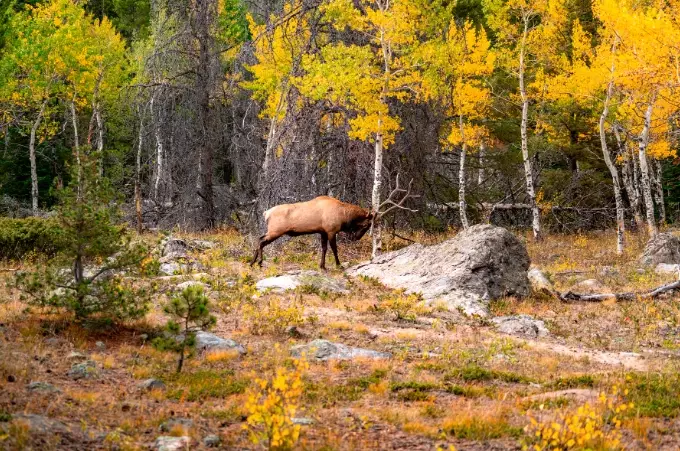
Breaking Down the Top Contenders: A Side-by-Side Look
To help you compare apples to oranges (or bison to alligators), here's a quick snapshot. This table sums up the "vibe" and top draws of the parks we'll dive deep into.
| National Park | Star Attractions (The "Big Draw") | Best Time to Visit for Wildlife | The "Vibe" & Unique Experience |
|---|---|---|---|
| Yellowstone | Bison herds, elk, grizzly & black bears, wolves, pronghorn, bald eagles | Spring (April-June) & Fall (Sept-Oct) | The classic American safari. Mammal-watching from your car is common. Can be crowded. |
| Denali | Dall sheep, caribou, moose, grizzly bears, wolves | Late May to mid-September | Vast, raw wilderness. Limited road access means fewer people, more pristine viewing. |
| Katmai | Brown Bears (famous for Brooks Falls), salmon runs | July & September (for bear viewing at falls) | Ultimate bear-watching pilgrimage. Remote, expensive, but utterly unforgettable. |
| Everglades | American Alligator, manatees, countless bird species, crocodiles, Florida panther (rare) | Dry season (Dec-Apr) | A subtropical river of grass. Exploring by boat, kayak, or boardwalk is key. |
| Great Smoky Mountains | Black bears (high density), white-tailed deer, elk (reintroduced), salamanders | Spring & Fall | Lush, forested mountains. Great for bear sightings, but often busy. |
See? Already it's not so simple. "Best" depends on if you're after bears, birds, or something totally prehistoric-looking.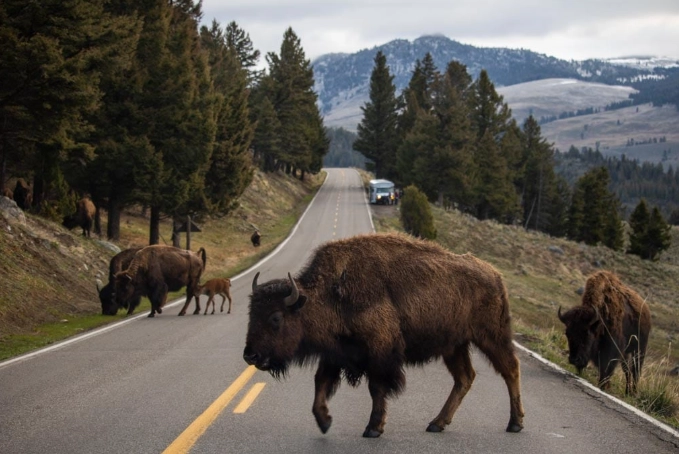
Deep Dive: The Heavy Hitters for Wildlife Viewing
Let's get into the nitty-gritty of each park. What can you really expect?
Yellowstone National Park: The American Serengeti
When most people ask which national park is best for wildlife viewing, they're probably picturing Yellowstone. It's the gold standard for a reason. The Lamar and Hayden valleys are often called the American Serengeti, and for good reason. You can see hundreds of bison dotting the landscape, herds of elk moving through the sagebrush, and if you're lucky, a wolf pack on the hunt or a grizzly bear digging for roots.
The park's geothermal features create unique winter habitats, making it a great (though challenging) place for wildlife viewing in the colder months too, when crowds thin out. Check the National Park Service's Yellowstone wildlife page for current animal activity and safety alerts. It's an essential resource.
The downside? Everyone knows it. The main roads in summer can feel like a wildlife traffic jam. Patience is required. And while seeing a bear is possible, never, ever approach them. Use binoculars or a long lens.
Denali National Park: Wilderness on a Grand Scale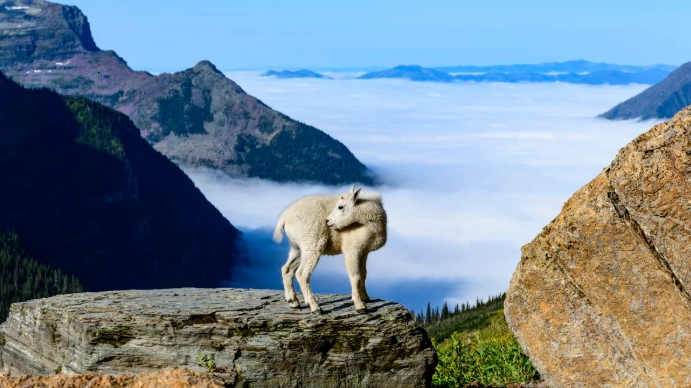
If Yellowstone feels like a curated wildlife showcase, Denali feels like you've been dropped into the wilderness with no guarantees. And that's the beauty. There's only one road, and most of it is closed to private vehicles. You explore by park bus, bike, or foot. This limitation is its greatest strength—it protects the animals from constant disturbance.
The landscape is staggering, and the animals are part of that tapestry. Spotting a blonde grizzly bear on a distant hillside, or a band of Dall sheep clinging to a cliff face, feels like a real discovery. The Denali animal species list isn't as long as Yellowstone's, but the experience of seeing them in such an untouched setting is unparalleled.
You want solitude and the feeling of true wilderness? This is a top contender for which national park is best for wildlife viewing in that category.
Katmai National Park: For the Bear Obsessed
This is not a casual visit. Katmai, in Alaska, is remote and accessed by plane. But if your answer to "which national park is best for wildlife viewing?" is unequivocally "the one with the most bears," then Katmai is your holy grail. Specifically, Brooks Camp.
During the summer salmon run, dozens of massive brown bears congregate at Brooks Falls to fish. Watching a bear stand in the waterfall, snatching a salmon out of mid-air, is one of the most iconic wildlife scenes in North America. The park service has built viewing platforms that allow for safe, incredibly close observation. It's a managed, almost theatrical experience, but the raw power on display is 100% real.
For planning, the Brooks Falls live bear cam is addictive and gives you a perfect sense of what to expect.
Everglades National Park: A Different World
Switching ecosystems completely, the Everglades answers the question of which national park is best for wildlife viewing if you love reptiles, birds, and subtropical weirdness. This is the only place on Earth where alligators and crocodiles coexist. The birdlife is insane—roseate spoonbills, great blue herons, anhingas drying their wings.
You don't just drive through the Everglades; you paddle it, airboat through it, or walk its boardwalks. Anhinga Trail, early in the morning, is almost a guaranteed alligator sighting. I've seen manatees floating lazily in the marina at Flamingo. It's a slower, stealthier kind of wildlife watching.
The Everglades bird guide from the NPS is fantastic for identifying the dizzying array of species.
Great Smoky Mountains: The Black Bear Capital
This is the most visited national park, and surprisingly, it has one of the highest densities of black bears in the East. Seeing a bear here is more common than you might think (I've seen several just from my car on the Newfound Gap Road). Cades Cove is a famous wildlife watching loop, especially at dawn or dusk, where you might see bear, deer, turkey, and the reintroduced elk.
It's accessible and can deliver great sightings, but the sheer number of people means animals can be more wary. Go early, go late, and get away from the main parking lots.
Beyond the Big Names: Worthy Honorable Mentions
Focusing only on the famous parks does a disservice to some other incredible spots. If you're still pondering which national park is best for wildlife viewing, consider these:
- Glacier National Park: Mountain goats and bighorn sheep on the high cliffs, bears in the valleys. The Going-to-the-Sun Road is a spectacular wildlife corridor.
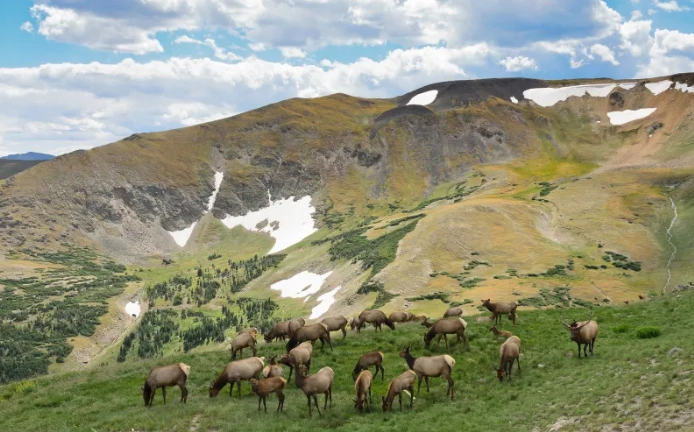
- Grand Teton National Park: Right next to Yellowstone, but with its own charm. Massive elk herds in the fall, moose in the willow flats, and pristine reflections of the mountains in the lakes.
- Channel Islands National Park: Off the coast of California. This is for marine life and island endemics. Think sea lions, elephant seals, island foxes, and incredible bird colonies.
- Theodore Roosevelt National Park (North Dakota): A hidden gem for prairie wildlife. Huge bison herds, wild horses, prairie dogs, and elk in the rugged badlands landscape. Far fewer crowds.
The Real Secrets: How to Actually See Wildlife (Practical Tips)
Knowing where to go is half the battle. The other half is knowing *how* to look. You can be in the best park and still see nothing if you do it wrong.
Timing is Everything
Animals are most active during crepuscular hours—dawn and dusk. The middle of the day, especially when it's hot, is when they rest. If you sleep in until 9 am, you've missed the prime show. Be out there at sunrise. Seriously. It makes a world of difference. Also, consider seasons. Spring often means babies and active predators. Fall brings mating seasons (rut) for elk and moose, and migrations.
Slow Down and Look Closer
Driving 45 mph through a park? You'll see nothing. Drive slowly, or better yet, pull over at pullouts and just scan the landscape with binoculars. Look for movement, shapes that don't quite fit, and the reflections of eyes at night. Sometimes the animal is farther away than you think.
Listen and Talk to Rangers
Park rangers are treasure troves of information. They know where recent sightings have been, what the animals are doing, and can offer priceless advice. Stop at a visitor center and ask. Also, listen to the forest. Bird alarm calls (like frantic squirrel or jay calls) can often signal a predator like a bear or owl is nearby.
Get Away from the Road (Safely)
Most visitors never go more than a quarter-mile from their car. If you're able and prepared (with bear spray, water, good maps), hiking even a short distance on a trail can leave the crowds behind and increase your chances of a quiet encounter.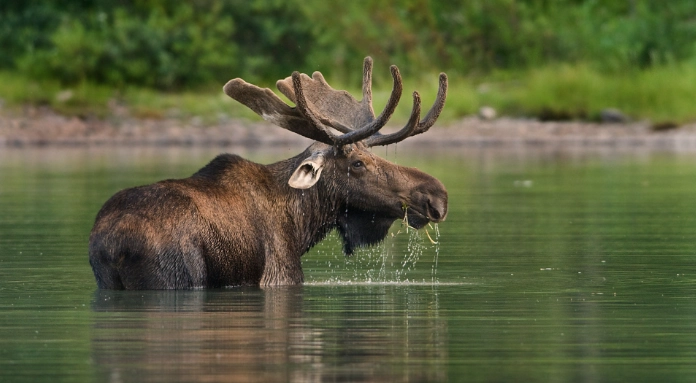
Answering Your Burning Questions (FAQ)
Let's tackle some of the specific questions that pop up when you're researching which national park is best for wildlife viewing.
Which national park has the most wildlife sightings per day?
For sheer volume and ease of sightings, Yellowstone in the spring or fall is hard to top. The open landscapes and high density of large animals mean you can often see multiple species in a single pullout. Cades Cove in the Great Smoky Mountains also offers a high probability of black bear sightings during the right season.
I'm on a tight budget. Which park offers great wildlife without breaking the bank?
Great Smoky Mountains has no entrance fee, which is huge. Theodore Roosevelt National Park is also relatively affordable and has amazing wildlife with minimal crowds. For many, driving to a closer park saves on flights, so consider parks within a day's drive.
Which park is best for wildlife viewing with young kids?
Kids have short attention spans. Parks where you can see animals relatively easily from the car or short, paved paths are ideal. Yellowstone (from the car), the Everglades (Anhinga Trail boardwalk), and Cades Cove in the Smokies are excellent choices. Always prioritize safety and set expectations—seeing a squirrel is still a win!
What if I go and don't see any major animals?
It happens to everyone. Adjust your definition of "wildlife." Watch birds, insects, tracks, and scat. Take a ranger-led walk to learn about the ecosystem. The park is more than just its megafauna. Often, the pressure to "see a bear" can ruin the enjoyment of everything else. Relax, be present, and appreciate what you do see.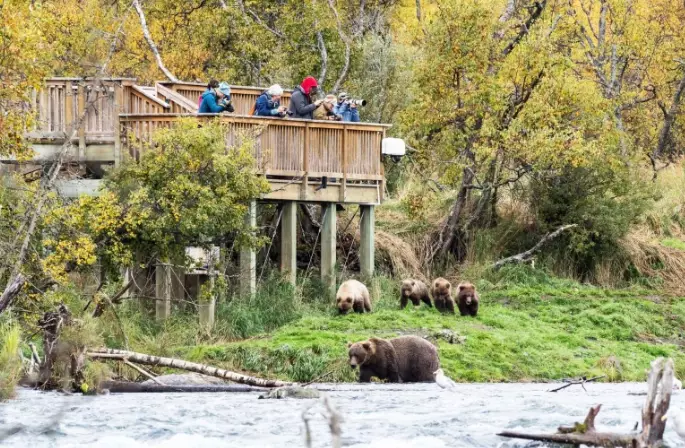
Is there a single "best" season for wildlife viewing across all parks?
No. It's totally park-specific. For Alaska parks (Denali, Katmai), it's summer. For Yellowstone and mountain parks, it's spring and fall to avoid crowds and catch animal movements. For the Everglades, it's the dry winter season. Always research your specific park.
Final Thoughts: It's About the Hunt, Not Just the Trophy
After all this, if you pinned me down and asked, "Okay, but for a first-timer who wants the classic, high-odds experience, which national park is best for wildlife viewing?" I'd say start with Yellowstone. It's iconic for a reason, the infrastructure supports it, and the likelihood of leaving with incredible memories and photos is very high.
But I hope this guide shows you that the question has many beautiful answers. The "best" park is the one that matches your curiosity—whether it's for gators, grizzlies, or goats. Do your research, manage your expectations, prioritize the animal's well-being over your photo, and get out there.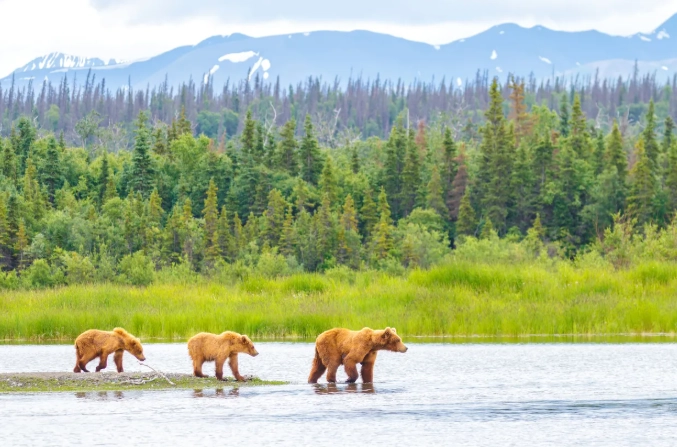
The moment you spot an animal going about its life, unaware of you, in its own home… that's the real prize. No matter which park you choose.
Now, go plan your trip. And pack your binoculars.