Essential Insights
- Why Travel for Climbing? It's More Than Just Sending
- The Pre-Trip Blueprint: Your Roadmap to a Successful Climbing Trip
- Top Destinations for Every Type of Climber
- On the Ground: Making Your Trip a Success
- Frequently Asked Questions (The Stuff You Really Want to Know)
- Wrapping It Up: The Journey Home
Let's be honest. You're sitting at your desk, probably right now, staring at a screen but your mind is a thousand miles away. It's wedged into a crack in some red desert sandstone, or smearing on a granite slab with an ocean view, or maybe just breathing in the crisp, thin air of a high alpine approach. The dream of combining travel with climbing isn't just a hobby; it's a calling. It's the itch to move, to explore new rock, to test yourself in a completely different context. That's what travel for climbing is all about.
But where do you even start? The logistics can feel overwhelming. Flights, gear, permits, guidebooks, finding partners, staying safe in a foreign place... it's enough to make some folks just book another weekend at the local crag. I get it. I've been there, staring at a chaotic pile of gear and a confusing airline baggage policy, wondering if it's all worth it.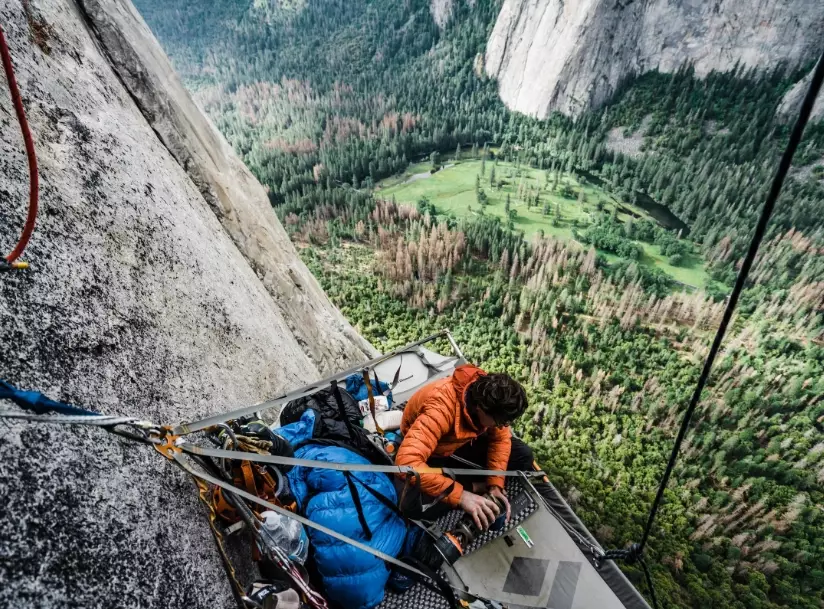
It absolutely is.
This guide is the one I wish I'd had before my first big international climbing trip. We're not just going to list cool places (though we'll do plenty of that). We're going to dig into the how and the why. We'll talk money, fear, logistics, culture, and how to come home with more than just sore tendons—with stories that'll last a lifetime. Whether you're a seasoned trad climber looking for your next big wall or someone who just led their first 5.10 and wants to take it on the road, there's something here for you.
Why Travel for Climbing? It's More Than Just Sending
Okay, let's step back for a second. Why go through all the hassle? Your local crag is fine, right? Sure. But travel for climbing offers something unique that staying local never can. It's a total reset for your climbing brain.
I remember my first time climbing on limestone. I'd grown up on granite. My feet felt useless. The holds were weird pockets and pinches I'd never seen. I got spanked on grades I should have walked up. It was humbling, frustrating, and incredibly educational. In one week, I learned more about footwork and body tension than I had in the previous six months at home. Travel forces adaptation. It breaks you out of your stylistic rut and makes you a more versatile, thoughtful climber.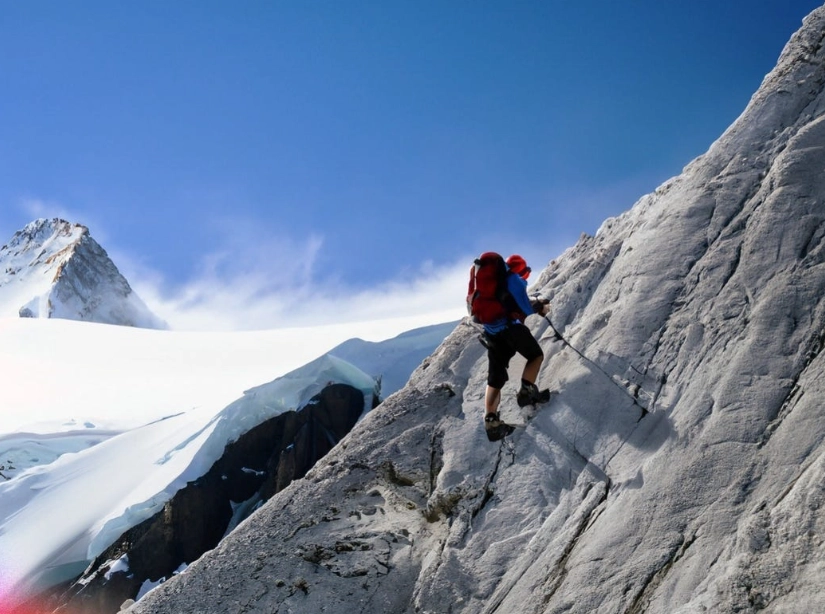
Then there's the cultural immersion. Climbing in a new country isn't just about the rock. It's about sharing beta with locals who climb in a different style, trying the post-climb food you can't pronounce, and understanding a different perspective on the outdoors. You're not a tourist passing through; you're a participant, using the universal language of rock to connect. That's a powerful thing.
And let's not forget the pure, unadulterated adventure. The approach that takes you through a village untouched by time. The wildlife you'd never see back home. The feeling of self-reliance when you're problem-solving in a remote location. This is the stuff that fuels you long after the trip is over. Planning a trip dedicated to travel for climbing builds anticipation that gets you through the dreary days of training indoors.
The Pre-Trip Blueprint: Your Roadmap to a Successful Climbing Trip
Dreaming is easy. Planning is where the magic (and the headaches) happen. A successful climbing trip isn't an accident; it's built on a foundation of good research and realistic preparation. Let's break down the absolute essentials.
Choosing Your Destination: Matching Rock to Ambition
This is the fun part, but it's easy to get seduced by Instagram photos and end up in way over your head. You need to be brutally honest with yourself about what you want and what you're capable of.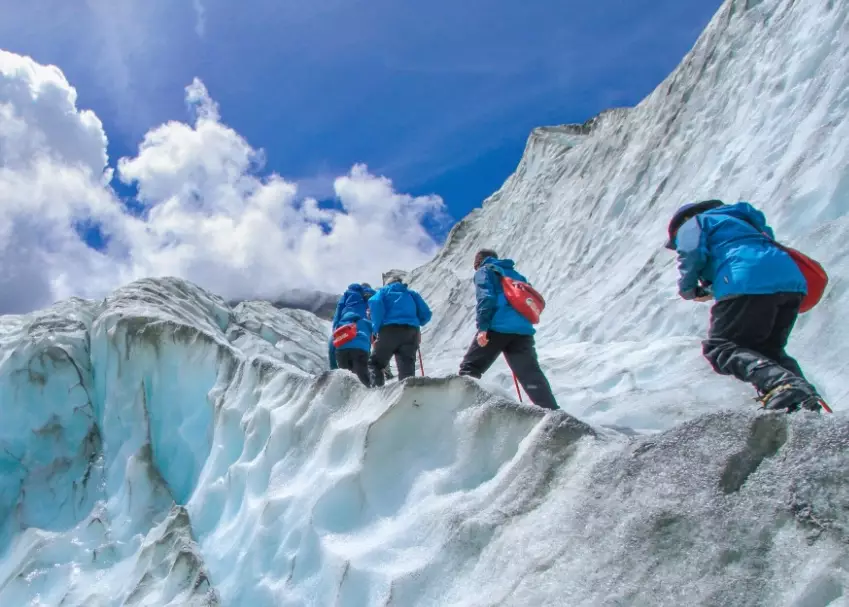
Ask yourself these questions:
- What's my primary climbing style? Are you a sport climber, a trad enthusiast, a boulderer, or an alpinist? While many areas offer a mix, most have a dominant specialty.
- What's my realistic grade range? Be honest. If you're a solid 5.10 climber at home, don't plan a trip around projecting 5.12 test-pieces. Aim for areas with a wealth of climbs in and just above your comfort zone. Travel climbing should be about volume and enjoyment, not just projecting your limit.
- What's my adventure tolerance? Do you want a 5-minute walk from the car to world-class sport climbs, or are you willing to hike for hours with a heavy pack for remote, untouched lines? There's no right answer, but your choice will drastically narrow the field.
- What's the season? This is a trip-killer if ignored. Climbing in Kalymnos in August is a sweaty nightmare. Attempting alpine routes in the Canadian Rockies in October is dangerous. Research the ideal season for your target area religiously. Sites like Rock & Ice often have great seasonal guides.
- Who's coming with me? Traveling with a partner of similar ability and goals is ideal. Solo travel is possible (and rewarding) but requires more planning for finding partners, often through local gyms or online forums like Mountain Project.
The Budget Breakdown: How Much Does a Climbing Trip Really Cost?
Money talk isn't sexy, but it's critical. Under-budgeting is the fastest way to turn a dream trip into a stressful ordeal. Let's look at a realistic cost table for a two-week trip for one person. These are estimates and can vary wildly by destination and personal style.
| Expense Category | Budget-Friendly | Mid-Range Comfort | Notes & Tips |
|---|---|---|---|
| Flights | $500 - $900 | $900 - $1,500 | Book 2-3 months out. Be flexible with dates. Consider flying into a major hub and taking a budget airline/bus. |
| Accommodation | $150 - $300 (Camping) | $600 - $1,200 (Hostel/Guesthouse) | Camping is king for budget trips. Research camping legality at the crag. Some hostels cater specifically to climbers. |
| Food & Drink | $200 - $350 (Self-cooked) | $500 - $800 (Mix of eating out) | Cooking your own food saves a fortune. Local markets are your friend. Factor in post-cling celebration meals! |
| Local Transport | $100 - $200 (Bus/Hitch) | $400 - $700 (Rental Car) | A rental car offers priceless freedom for cragging but is a major cost. Splitting with 2-4 people makes it viable. |
| Gear & Logistics | $50 - $150 | $150 - $300 | Guidebook, park permits, guide fees (for a day or two), SIM card, guidebook. |
| Contingency Fund | $200 | $400 | NON-NEGOTIABLE. For emergencies, gear replacement, unexpected costs, or an extra rest-day activity. |
| TOTAL ESTIMATE | $1,200 - $2,100 | $2,950 - $4,900 | These are per person. Traveling with partners significantly cuts accommodation/transport costs. |
See that contingency fund? That's not extra spending money. That's your "oh crap" fund. The rental car gets a flat tire. You tear a hole in your only pair of climbing pants. You need to see a doctor for a minor infection. It happens. Having that buffer is what separates a minor hiccup from a trip-ruining crisis.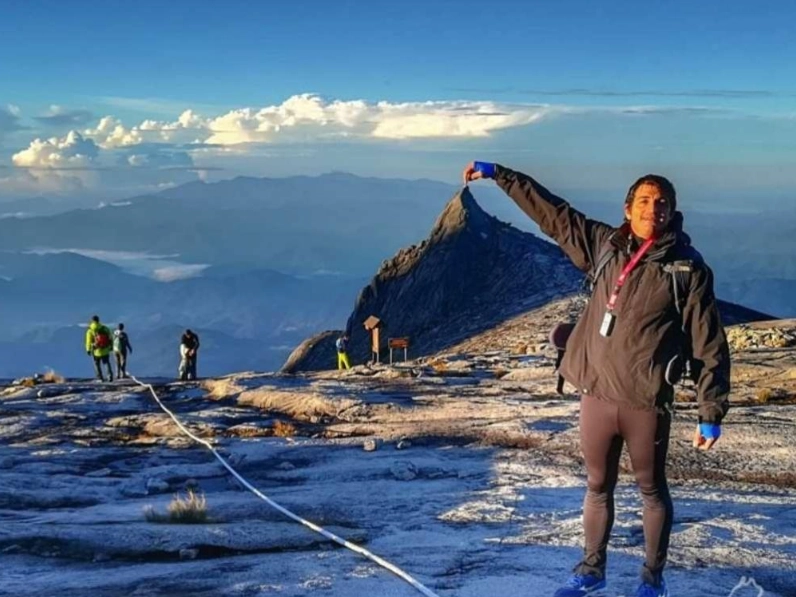
Gear Strategy: What to Bring, What to Rent, What to Leave
Packing for travel for climbing is an art form. The goal is to bring everything you need and nothing you don't. Airlines are brutal with overweight bags, and hauling a massive pack through airports and bus stations is miserable.
The Must-Pack Core (Carry-On if Possible!):
- Harness, shoes, helmet, belay device. These are personal, critical, and non-negotiable. Losing these in checked luggage would be a disaster.
- Chalk bag & chalk. Simple.
- Personal safety kit: First aid supplies, headlamp, multi-tool, duct tape wrapped around a water bottle.
- Key clothing: One or two sets of climbing-specific clothes, a warm layer, a rain shell, and comfortable approach shoes.
Consider Renting or Borrowing On-Site:
- Rope. This is the big one. A quality dynamic rope is heavy and bulky. Many climbing destinations have shops or guide services that rent ropes by the day or week for a reasonable fee. It saves space and weight.
- Quickdraws/Sport Gear. If you're flying to a pure sport destination, you can often rent a set of draws. For trad, this is riskier as you need to trust the gear implicitly.
- Trad Gear. I'm hesitant to recommend renting a full trad rack unless it's from a highly reputable guide service you're climbing with. Gear integrity is everything. If you're doing a trad trip, you likely need to bite the bullet and check your rack.
- Crash Pads. For bouldering trips, renting pads locally is almost always the way to go. They are airline kryptonite.
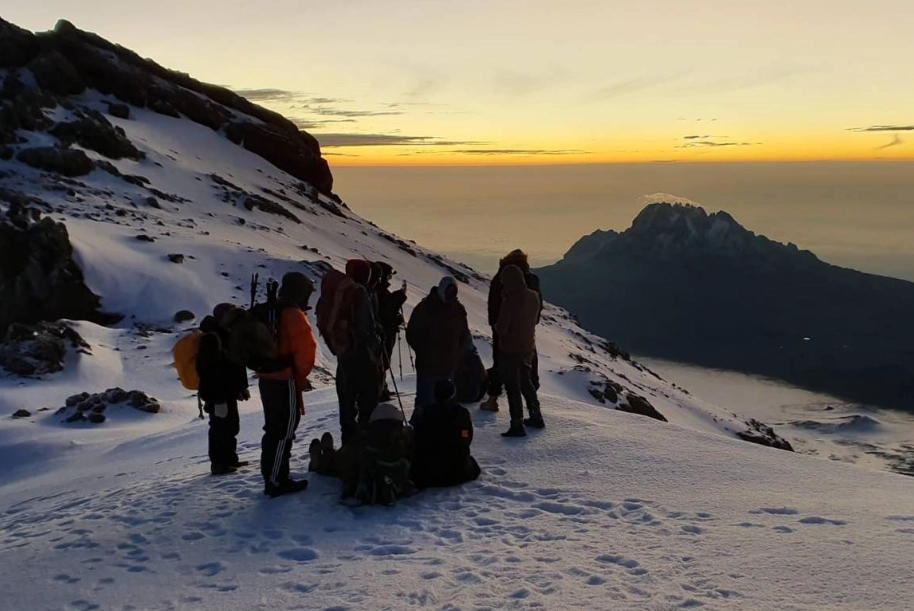
Getting Fit (The Right Way)
You can't just show up to a climbing trip out of shape and expect to have a good time. But "training" for a trip isn't just about pulling harder. It's about resilience.
Focus on volume and endurance. You'll likely be climbing multiple days in a row, something your home routine might not prepare you for. Build up to 3-4 days of climbing per week in the months leading up. Do linked boulder problems or auto-belay laps to simulate the pump of a long sport route.
Don't neglect your skin! Climbing on new, often sharper rock can destroy untrained skin. Climb regularly on different textures if you can.
And for the love of all that is holy, train your approach fitness. If your destination involves long hikes with a pack, get used to hiking with weight. There's nothing worse than being too wrecked from the approach to actually climb well. My biggest mistake on a trip to the Bugaboos was underestimating the hike. I was gassed before I even tied in.
Top Destinations for Every Type of Climber
Alright, let's talk about the rock. This isn't an exhaustive list—that would be a book—but a curated selection of iconic and accessible spots that represent the incredible diversity of global climbing. Each offers a unique flavor of adventure for your travel for climbing plans.
The All-Rounder Classic: Kalymnos, Greece
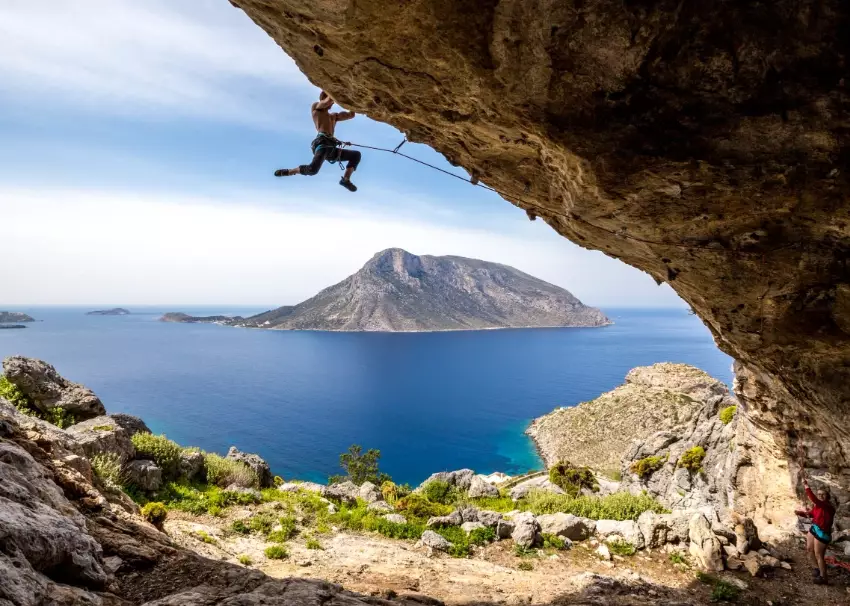
If there's a paradise for the traveling sport climber, this is it. Kalymnos is the gold standard for a reason. The island atmosphere is relaxed, the limestone is featured and forgiving (mostly), the routes are long and steep, and the community is fantastic. You can climb from sun-drenched seaside cliffs in the morning and swim in the Aegean Sea in the afternoon. The grades are plentiful across the spectrum, though it truly shines in the 5.10 to 5.12 range. The infrastructure is built for climbers, with rentals, guides, and accommodations everywhere. It's a perfect first major international climbing destination.
The downside? It can get crowded in the peak seasons (spring and fall). Some of the easier classics get polished. And it's almost exclusively a sport climbing destination—don't come looking for trad.
The Adventure Trad Mecca: Squamish, Canada
For the crack climber, Squamish is hallowed ground. Nestled in the coastal rainforest of British Columbia, the granite here is world-class. From the splitter cracks of the Smoke Bluffs to the multi-pitch epics on the Chief, it offers a lifetime of challenges. The town is climber-friendly, and the setting—between ocean and mountains—is stunning. It’s a place where you can test your trad skills on perfect fingers, hands, and off-width cracks. The culture is deeply rooted in adventure and respect for the rock.
The catch? The weather. The Pacific Northwest is famously damp. You need to be flexible and prepared for rain, even in summer. The rock is slick when wet. Planning a longer trip here increases your chances of getting good weather windows.
The Bouldering Playground: Fontainebleau, France
"Bleau" isn't just a bouldering area; it's a pilgrimage. The forest of Fontainebleau, just south of Paris, is home to the most concentrated and historic collection of sandstone boulders on the planet. The rock is featured, sometimes slopey, and demands technical precision and footwork. The circuits (color-coded trails of problems at set grades) are a genius invention, allowing you to spend a day moving from one classic to the next without ever checking a guidebook. It's family-friendly, magical, and will make you a better climber.
Things to know: The sandpaper-like rock is brutal on skin. Bring lotion and tape. It can be incredibly busy on weekends. Consider visiting during the week. Camping options are plentiful, but book ahead in peak season.
The Alpine Dream: Chamonix, France
This is the big leagues. Chamonix isn't just a climbing destination; it's the birthplace of alpinism. The scale is humbling. Here, climbing travel takes on a more serious tone. It's about multi-pitch rock routes, mixed climbs, glacier travel, and high-altitude objectives. The town is a buzzing hub of mountain culture. Even if you're not tackling the North Face of the Dru, you can find incredible guided introductions to alpine climbing or stunning long rock routes on the Aiguilles.
Serious warning: This is not a place for beginners to venture into the high mountains alone. The objective dangers (weather, rockfall, crevasses) are real. Hiring a guide from the Compagnie des Guides de Chamonix is a wise and often essential investment for anything beyond valley cragging. Respect the mountains here.
The Emerging Gem: Ha Long Bay, Vietnam
For something truly different, look to Southeast Asia. The limestone karsts of Ha Long Bay and the nearby inland crag of Cat Ba Island offer deep water soloing (DWS) and sport climbing in a breathtaking seascape. Climbing over turquoise water, staying on floating hostels, and experiencing Vietnamese culture makes for an unforgettable adventure. The climbing is steep, pocketed, and powerful. It's a fantastic winter destination for those in the Northern Hemisphere.
Considerations: The rock can be sharp. DWS requires a specific mental game and comfort with falling into water (from safe heights). Travel logistics within Vietnam are part of the adventure. It's humid and hot, so plan your climbing hours for early morning or late afternoon.
On the Ground: Making Your Trip a Success
You've arrived. The jet lag is fading, and the rock is calling. This is where the planning pays off. Here’s how to navigate the actual climbing part of your climbing travel.
Day 1: Acclimatization is Not Just for Altitude
Your first day on rock should be a mellow recon mission. Don't try to send your project. Don't even try to climb at your limit. Use the day to:
- Feel the rock: Is it sharp? Gritty? Polished? How does your skin react?
- Learn the style: Are the holds different? Does the movement feel strange?
- Test your gear: Are your shoes right for the texture? Do you need a different edge?
- Scope the area: Find the classic warm-ups, figure out the descent trails, locate the best sectors for your goals.
I always plan a pure "familiarization" day. It takes the pressure off and sets you up for a stronger rest of the trip.
Partnering Up & Community Etiquette
If you didn't travel with a partner, you'll need to find one. Local climbing gyms are the best starting point. Be friendly, humble, and clear about your abilities and goals. Online forums specific to the area can also work.
Remember, you're a guest in a local climbing community. Respect goes a long way.
- Follow established practices: Are dogs allowed off-leash? Is there a specific way to dispose of human waste? What's the parking situation?
- Share the crag: Don't hog popular routes. Be mindful of other groups.
- Beta spray sparingly: Unless someone asks, let them figure out the sequence.
- Support local businesses: Buy your food, gear, or guidebook from the local shop. Hire a local guide for a day to learn the area and contribute to the economy.
Safety in a Foreign Context
This is paramount. Your normal risk calculus changes when you're far from home.
Communication: Have a way to call for help. A local SIM card with data is cheap insurance. Share your daily plans with someone back home or at your accommodation.
Rescue Services: Know the emergency number for the country. In the EU, it's 112. Research if there is a dedicated mountain rescue service and how they are activated. In places like Chamonix, organizations like the PGHM (Peloton de Gendarmerie de Haute Montagne) are world-class, but their time is precious—don't take unnecessary risks.
Gear Double-Check: If you rented a rope or draws, inspect them thoroughly yourself. Don't just take the shop's word for it. Look for core shots, worn sheaths, and gate malfunctions.
Know Your Limits: It's tempting to push harder because "you're on a trip." But an injury in a remote location with unfamiliar healthcare is a nightmare. Climb smart. The goal is to come back.
Rest Days Are Productive Days
You will need them. Don't fight it. Use them to explore the non-climbing attractions, let your skin heal, do some light hiking or swimming, and plan your final climbing days. Forcing climbs on tired tendons is a recipe for injury.
Frequently Asked Questions (The Stuff You Really Want to Know)
Based on countless conversations with fellow traveling climbers, here are the real questions that come up again and again.
Wrapping It Up: The Journey Home
Your trip will end. You'll pack your dusty, chalky gear one last time, say goodbye to new friends, and start the journey home. This is a weirdly reflective time.
You'll be tired, maybe a little banged up, but filled with a quiet satisfaction. You planned something, executed it (more or less), and pushed yourself in a new environment. You'll have stories that aren't just about a crux move, but about the people you met, the food you ate, the moment you got hopelessly lost, and the sunset you watched from a summit.
That's the real prize of travel for climbing. It's not just a tick list of routes in a foreign guidebook. It's a deeper understanding of yourself as a climber and a traveler. It's the confidence that you can navigate the complexities of an adventure in an unfamiliar place. And it's the hunger to start planning the next one, armed with all the lessons from the last.
So go. Do the research, save the money, book the flight. The rock is waiting, and it has so much to teach you.
Just remember to tape your tips.