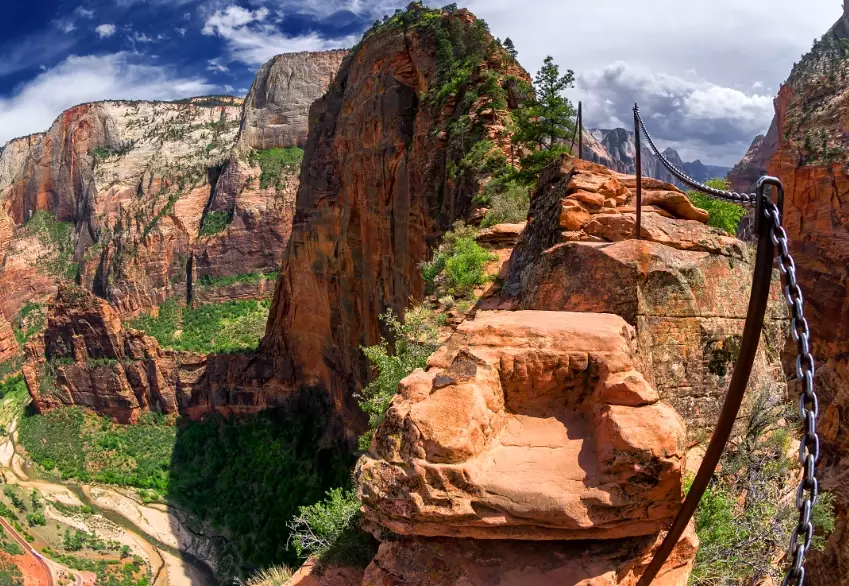
You've seen the pictures. The layers of red rock, the dizzying drops, the narrow slits of sky. But standing at the edge of a national park canyon is different. The scale hits you. The silence, broken maybe by a distant raven, feels immense. Planning a trip to these places can feel just as vast. Which park is right for you? How do you avoid the crowds that flood the Instagram spots? What does it really take to hike down into the earth and—crucially—back out again?
I've spent over a decade hiking, photographing, and sometimes just sitting quietly in these parks. I've made my share of mistakes—running out of water on a deceptively cool day in Canyonlands, underestimating a "short" hike in Bryce—so you don't have to. This isn't just a list of parks. It's a toolkit for experiencing them deeply, safely, and on your own terms.
Your Canyon Adventure Starts Here
Top Canyon National Parks Compared
They're all stunning, but they offer wildly different personalities. Picking the right one depends on what you want to do.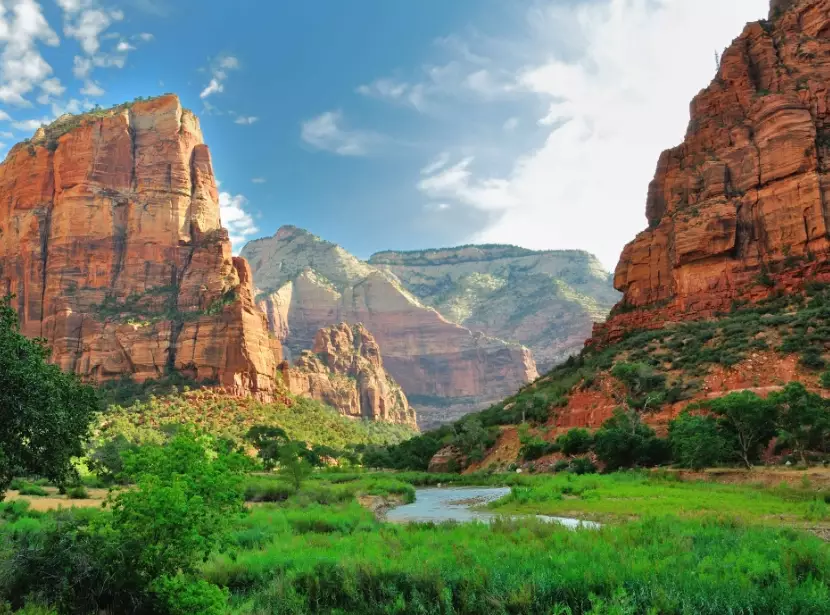
| Park (State) | The Vibe & Signature Experience | Can't-Miss Spot | Best For... | Entrance Fee (Vehicle) |
|---|---|---|---|---|
| Grand Canyon (AZ) | Overwhelming scale, iconic views. Hiking from rim to river. | Mather Point (South Rim), Cape Royal (North Rim) | First-timers, epic photography, serious backpackers. | $35 (7 days) |
| Zion (UT) | Vertical, immersive canyon walls. The Narrows river hike. | Angels Landing (permit required), The Narrows | Thrilling hikes, slot canyons, feeling surrounded by rock. | $35 (7 days) |
| Bryce Canyon (UT) | Whimsical, intricate hoodoos. Viewpoints along the rim. | Sunrise Point, Queen's Garden/Navajo Loop combo hike. | Unique geology, sunrise/sunset views, family-friendly trails. | |
| Canyonlands (UT) | Vast, remote, Martian landscape. Island in the Sky district. | Mesa Arch at sunrise, Grand View Point Overlook. | Solitude, 4x4 adventures, feeling like you're on another planet. | $30 (7 days) |
| Black Canyon of the Gunnison (CO) | Steep, dark, dramatic gneiss. Sheer vertical drops. | Painted Wall View, Warner Point Trail. | Raw, lesser-visited grandeur, rock climbing, stargazing. | $30 (7 days) |
Here's a personal take most lists won't give you: if you only have time for one Utah park and hate crowds, skip Zion for Canyonlands. Zion's beauty is undeniable, but its main canyon can feel like a natural theme park shuttle line in peak season. Canyonlands' Island in the Sky gives you that "end of the world" vastness with a fraction of the people. You trade the intimate, up-close walls for a panoramic, philosophical kind of awe.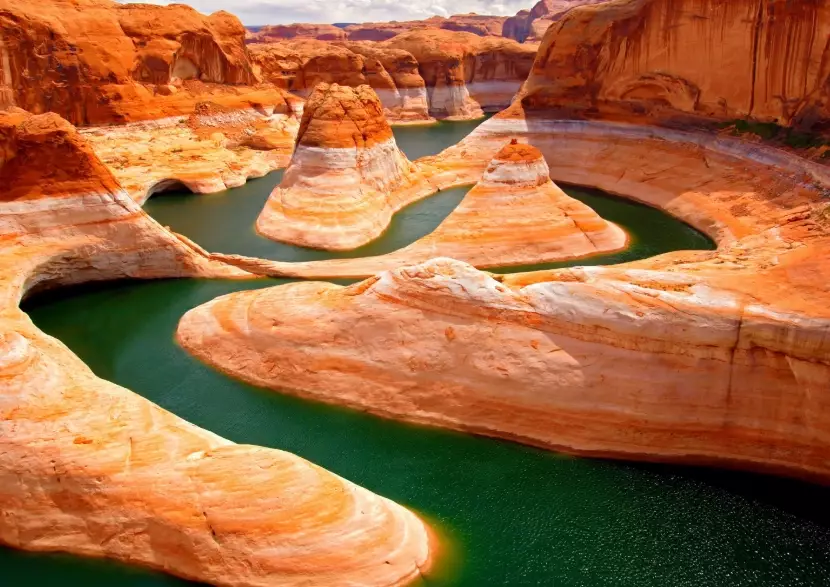
Pro Tip: The America the Beautiful Pass
If you're visiting more than two of these parks in a year, buy the America the Beautiful Annual Pass for $80. It covers entrance fees for you and your passengers at all national parks and federal recreation lands. It pays for itself almost instantly on a Southwest road trip. Get it at any park entrance station or online via the National Park Service.
Planning Your Canyon Hike: A Realistic Guide
Hiking a canyon is backwards. You start high, go down, and save all the hard work for the end when you're tired and it's hotter. This simple fact ruins more days than anything else.
Rule #1: The Descent is a Liar
That trail down into the Grand Canyon on the Bright Angel Trail? It's beautiful, shady in parts, and you'll feel fantastic. The problem is your knees and quads are taking a pounding they're not used to, and you're burning energy. The hike out will take twice as long and require triple the effort. I judge my turnaround point not by how I feel going down, but by honestly asking: "Do I have enough water, food, and leg strength to do this twice, right now?" If there's any doubt, I turn around earlier.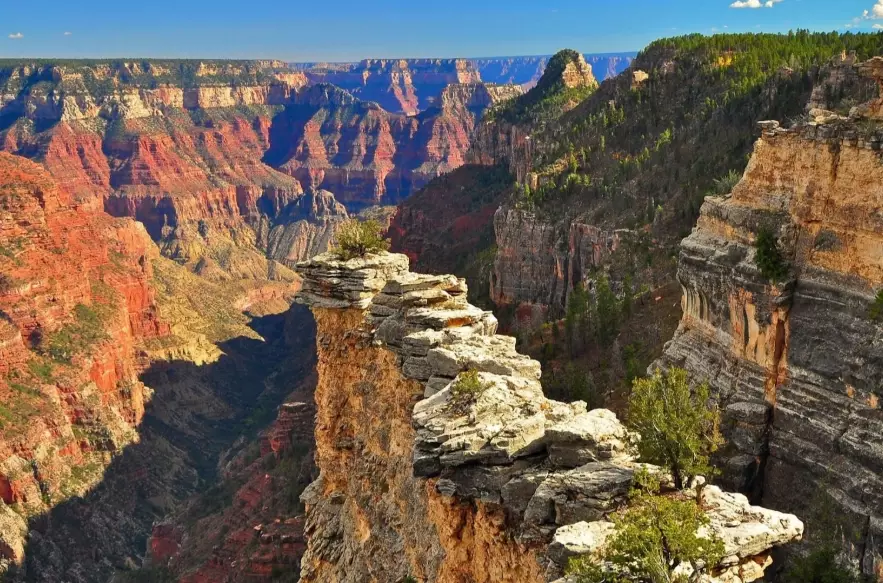
Essential Gear Beyond Water
Everyone says water. I'll say it too: carry at least one gallon (4 liters) per person for a full-day hike. But here's what else is non-negotiable:
Electrolytes. Sweating out salt in dry heat leads to cramping and hyponatremia. Throw electrolyte tablets or powder into one of your water bottles.
Real Food. Not just snacks. A sandwich, some cheese, jerky. You need sustained energy for the climb.
Trekking Poles. They save your knees on the descent and give you four-wheel drive on the ascent. The single best piece of gear for canyon hiking.
A Headlamp. Even if you don't plan to be out past dark. If you twist an ankle and your pace slows, sunset comes fast in a deep canyon.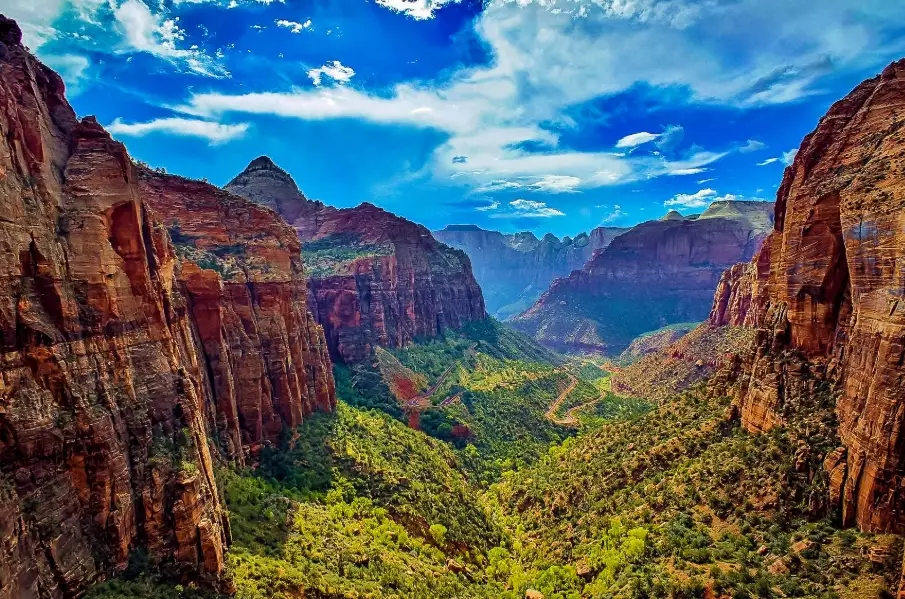
Crafting Your Southwest Canyon Trip
Trying to see Grand Canyon, Zion, and Bryce in three days is a recipe for seeing only parking lots. Here’s a saner 5-7 day loop from Las Vegas.
Day 1-2: Zion National Park. Stay in Springdale. Reserve shuttle tickets in advance (they're required March-November). Hike the Riverside Walk, scout Angels Landing if you have a permit, or do the Watchman Trail for sunset. The Narrows is a full-day commitment—check water levels with the park first.
Day 3: Bryce Canyon. It's a 2-hour drive from Zion. Spend the afternoon walking the Rim Trail from Sunset to Sunrise Point. Stay in the park lodge or nearby. Get up for sunrise at Sunrise Point—the hoodoos light up like fire.
Day 4: Grand Canyon (South Rim). Long drive (~4.5 hours). Skip the I-40 route and take scenic Highway 89 through Page, AZ. Stop at Horseshoe Bend if you have time. Settle in at the South Rim (Tusayan is the town just outside). Watch sunset at Hopi Point.
Day 5: Grand Canyon Deep Dive. Hike a section of the Bright Angel Trail (maybe to the 1.5-mile resthouse and back). Or drive the Desert View Drive to the Watchtower. Have a slow dinner and stargaze—the park has some of the darkest skies in the country.
Where to stay? Book at least 6 months in advance for in-park lodges like Zion Lodge, Bryce Canyon Lodge, or any Grand Canyon National Park Lodges. These fill instantly. If you're late, look at gateway towns: Springdale for Zion, Tusayan for Grand Canyon South Rim.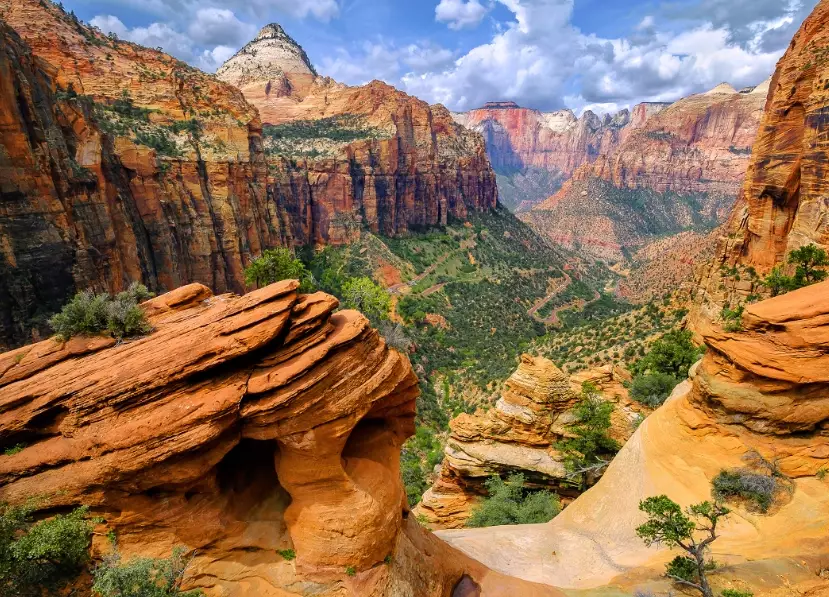
Expert Tips: Fewer Crowds, Better Photos
The secret to a great canyon experience is timing. Most visitors operate between 9 AM and 5 PM. You shouldn't.
For Solitude: Be on the trail at sunrise. Not just in the park, but on the trail. The light is magical, the animals are active, and you'll have famous viewpoints mostly to yourself. The second-best time is late afternoon, hiking until the last safe light.
For Photography: The midday sun flattens canyons. The best shots come in the hour after sunrise and the hour before sunset, when long shadows carve out texture and depth. At Mesa Arch in Canyonlands, photographers gather for the famous sunrise shot where the underside of the arch glows red. It's crowded, but for good reason. For a different shot, come 30 minutes after the sun clears the arch—the crowd leaves, and you get beautiful side light on the canyon below.
A piece of advice I rarely see: sometimes the best view isn't at the marked overlook. Walk 50 yards down the trail from Mather Point at the Grand Canyon. You'll find a quiet spot away from the selfie sticks with an equally stunning vista.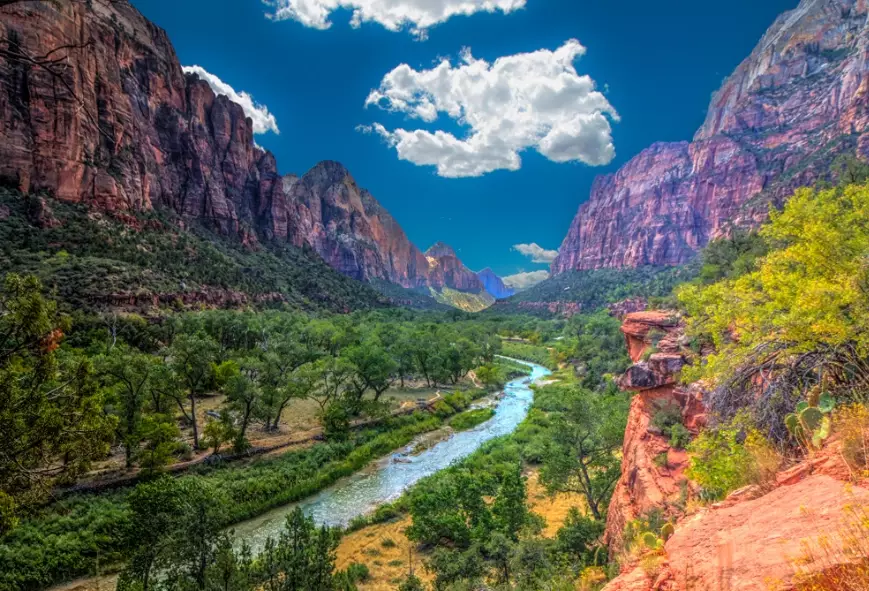
Canyon FAQs Answered
What is the best time of year to visit canyon national parks to avoid extreme heat and crowds?
The shoulder seasons—late spring (April to early June) and early fall (September to October)—are ideal for most Southwest canyon parks. Summer brings intense heat, especially at lower elevations like the Grand Canyon's South Rim floor, making strenuous hikes dangerous. Winter can be cold with ice on trails in places like Zion. Crowds peak around holidays and summer break. Aim for weekdays in the shoulder months. For a specific example, visiting Arches or Canyonlands in late September means pleasant 70s (Fahrenheit) during the day and far fewer people than in July.
How can I secure permits for popular hikes like The Wave or Angels Landing?
Planning far ahead is non-negotiable. For The Wave in Coyote Buttes North (administered by the Bureau of Land Management), you must enter the online lottery four months in advance or try the daily in-person lottery in Kanab, Utah. The odds are low, so have backup plans like nearby Wire Pass Trail. For Angels Landing in Zion National Park, you need a permit obtained via a seasonal lottery on Recreation.gov. The lottery for spring/summer typically opens in January, and for fall/winter in July. A common mistake is only applying for one date; increase your chances by selecting every available date in your travel window during the lottery application.
I have limited time. Should I choose the North Rim or South Rim of the Grand Canyon?
Choose based on your trip style. The South Rim is open year-round, has more services (lodges, restaurants, shuttle buses), and the classic, expansive views you see in photos. It's also much more crowded. The North Rim is higher, cooler, forested, and feels more remote. It's only open from mid-May to mid-October. If you seek solitude and a quieter, more intimate canyon experience and are visiting in summer, the North Rim is superior. However, if it's your first visit, you want extensive amenities, or are traveling outside the North Rim's season, the South Rim is the reliable choice. The drive between them is about 4-5 hours, so you can't do both in a short visit.
What is the most common mistake first-time visitors make when hiking in canyon parks?
Underestimating the hike back up. Descents into canyons are deceptive—you feel great going down, saving all the hard work for the return trip in the hotter part of the day. This leads to exhaustion, dehydration, and rescues. The rule of thumb: going down takes half the time and a third of the effort of coming back up. Before you descend, honestly assess if you have double the water, double the time, and double the energy needed for the climb out. Turning around at the halfway point of your energy or water is a sign of smart planning, not failure.
The canyons aren't going anywhere. They've been there for millions of years. The key is to approach them with respect for their scale and a plan that prioritizes experience over checklist tourism. Start early, carry more water than you think, and don't be afraid to just sit on a rock and watch the light change. That's often when the real magic happens, far from any trail sign or crowded overlook.