Your Trail Map
Let's be honest. The first time I stood at the base of a proper mountain peak, my reaction wasn't pure awe. It was a messy mix of excitement and a deep, gut-level fear. It looked impossibly big, cold, and frankly, a bit hostile. Why on earth would anyone want to climb that? But that's the thing about mountain peaks – they get under your skin. They're not just geographical features; they're personal challenges, natural cathedrals, and brutal teachers all rolled into one.
This guide isn't here to sell you a dreamy, filtered Instagram version of climbing. It's the stuff I wish I knew before my first big hike, the lessons learned from mistakes (and there were many), and the practical, nitty-gritty details that actually matter when you're facing a real slope. Whether you're dreaming of your local hill or eyeing distant, famous mountain peaks, let's break it down from the ground up.
Choosing Your Mountain Peak: It's Not One-Size-Fits-All
You wouldn't run a marathon without training, right? The same logic applies here. Picking the right peak is your first and most important decision. Jumping straight onto a technical climb because it looks cool in photos is a recipe for a bad time, or worse.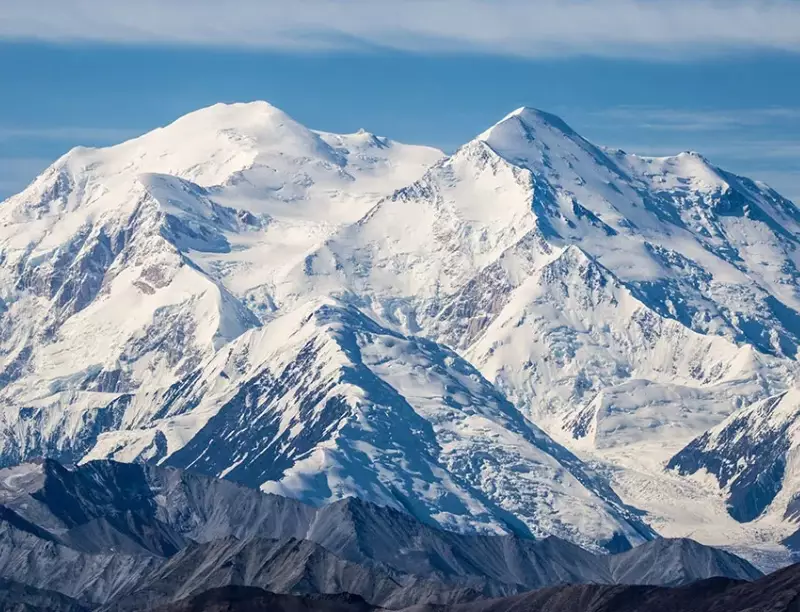
So, how do you choose? Think about what you actually want. A peaceful day with big views? A physical test? A technical puzzle? Mountain peaks cater to all of it, but you've got to match the mountain to your motivation and skill.
The Three Broad Categories of Peaks
Most climbs fall into one of these buckets. Knowing which one you're looking at changes everything.
| Peak Type | What It Means | Best For... | A Real-World Example |
|---|---|---|---|
| Non-Technical Hike/Walk-Up | No ropes, harnesses, or climbing skills needed. The challenge is fitness and endurance on a defined trail or path. | Beginners, families, hikers who want big rewards without technical risk. | Mount Washington (NH) via the Tuckerman Ravine Trail (still serious due to weather!). |
| Scrambling/Exposed Terrain | Hands-on rock. You'll use your hands for balance and progress. Falls could be dangerous, but ropes aren't typically used. | Experienced hikers comfortable with exposure, looking for a step up from trail hiking. | The Class 3/4 routes on Colorado's 14ers, like the Keyhole Route on Longs Peak. |
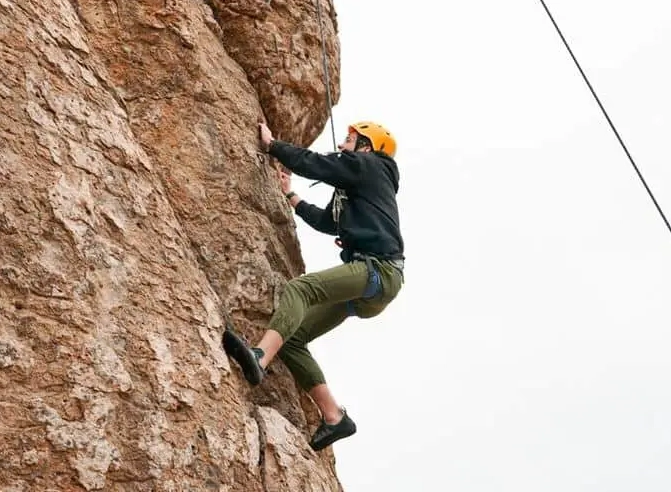
| Technical Climb | Requires ropes, protection (cams, nuts), harnesses, and specific skills like belaying and anchor building. | Trained climbers. This is rock climbing or ice climbing on a mountain scale. | The summit block of California's Mount Whitney via the East Face route. |
My advice? Start firmly in the first column. Build your mountain legs and mountain sense on trails before even thinking about the other categories. I made the mistake of trying a "moderate" scramble too early and spent an hour frozen, hugging a rock face. Not fun. The mountain didn't care about my ambition, only my ability.
The Nuts and Bolts: Planning and Preparing to Climb
Okay, you've picked a target. Now the real work begins. This phase is boring but critical. Skipping it is like building a house without a foundation.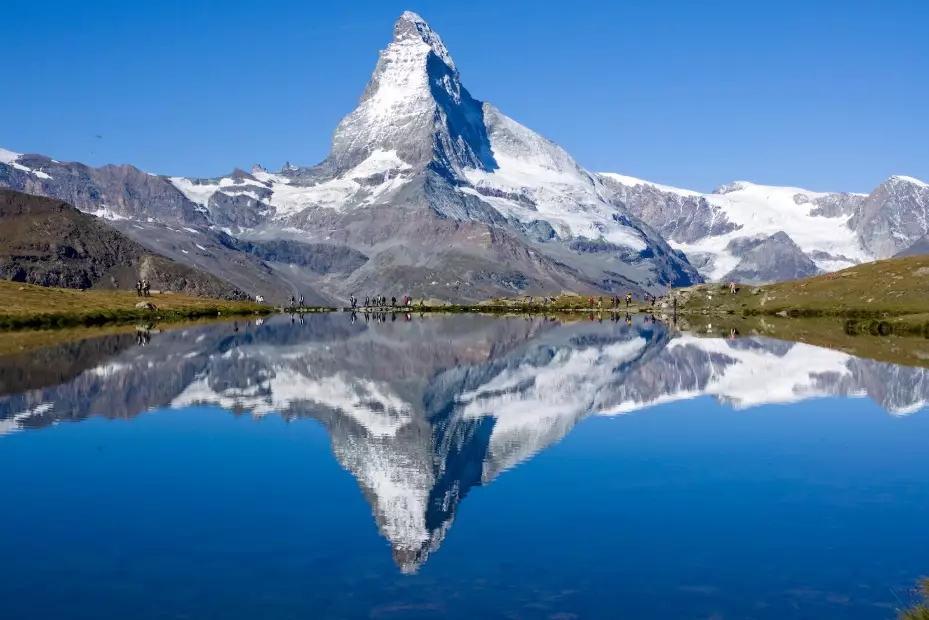
Phase 1: Research and Paperwork (The Unsexy Part)
First, hit the official sources. I can't stress this enough. For any major peak in the US, your first stop should be the managing agency's website. Looking at Mount Rainier? Go straight to the National Park Service page. Planning for the Rockies? Check US Forest Service resources. These sites have the only guaranteed info on permits, closures, regulations, and current conditions.
Permits are a huge deal now. Popular peaks use lottery systems (like Whitney) or have daily quotas. Apply early. I missed a dream trip once because I assumed I could get a walk-up permit. The ranger just laughed. Lesson learned.
Phase 2: Gear Up Without Going Broke
Gear is a rabbit hole. You can spend a fortune. Don't. Focus on the essentials that keep you safe and comfortable. Here's a non-negotiable list for a typical 1-3 day trek to a non-technical peak.
- The Footwear System: Boots broken in over 20+ miles of walking, not just around the house. Merino wool socks (never cotton). Consider gaiters if there's snow or scree.
- The Clothing System (Layering): This is the core philosophy. Base layer (moisture-wicking), insulating mid-layer (fleece/puffy), and a waterproof/windproof shell. All synthetic or wool.
- The Pack: A comfortable, properly fitted 30-50 liter pack for overnight trips.
- Navigation: A physical map and compass, and the skill to use them. A GPS/GPS phone app (like Gaia GPS) is a great backup, but electronics fail.
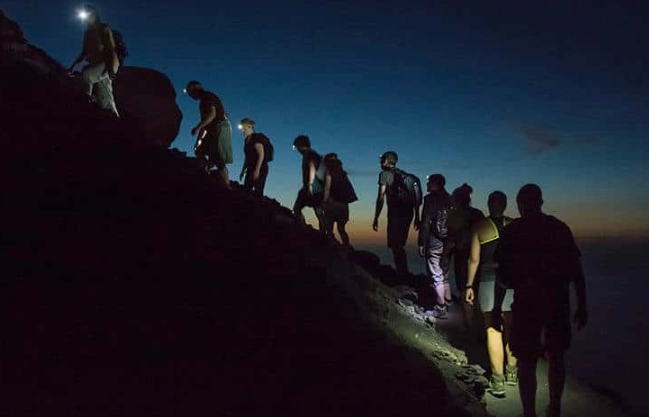
- Illumination: Headlamp with extra batteries. Don't be caught out after dark.
- Emergency & Repair: First-aid kit, fire starter, emergency blanket, duct tape, a multi-tool.
- Nutrition & Hydration: More food/water than you think you need. I always carry a water filter or purification tablets.
You'll notice I didn't list a $500 jacket. Start functional, not fancy. Borrow or rent big-ticket items like a heavy winter sleeping bag or a 4-season tent until you're sure you need them.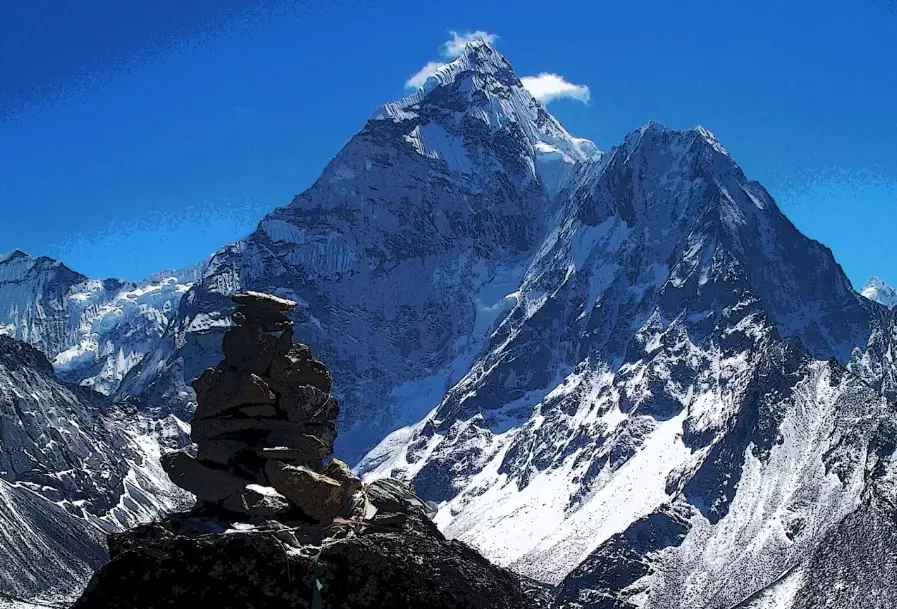
Phase 3: Train Your Body (And Mind)
Climbing a mountain is a full-body endeavor. It's not just about strong legs.
Cardio is king.
Stairmaster, hiking with a weighted pack, running. Get your heart and lungs ready for long, slow effort.
Strength matters more than you think.
Your core stabilizes you with every step. Your legs need to descend, which is often harder on the muscles than going up. Don't neglect strength training.
Practice with your pack.
Do your training hikes with the weight you'll carry. It changes your balance and fatigue levels completely.
On the Mountain: Techniques That Actually Help
You're there. The trailhead is behind you. Now what? How you move can save energy and prevent injury.
The Rest Step and Pressure Breathing
This is the secret weapon for steep, sustained climbs. The rest step isn't stopping. It's a micro-pause built into every step. As you transfer weight to your forward leg, you momentarily lock that knee, letting your skeleton hold the weight instead of your muscles. It feels awkward at first, but it's a game-changer for efficiency.
Pair it with pressure breathing. On the exhale, force the air out with a sharp “whoosh” through pursed lips. This helps fully expel CO2 and makes the next inhale more effective, especially at altitude. Sounds silly, works wonders.
Pacing: The Tortoise Always Wins
The biggest mental battle is watching people sprint past you at the trailhead. Let them go. Establish a pace you can maintain for hours without stopping. A good rule? You should be able to hold a broken conversation. If you're too breathless to speak, slow down. I've passed countless “sprinters” who bonked two hours in because they burned all their matches early.
Descending: The Real Test
Summit fever is real. Everyone focuses on getting up. But most injuries happen on the way down. You're tired, your focus wanes, and gravity is pulling on fatigued muscles.
- Keep your knees slightly bent. Never lock them on impact.
- Use trekking poles. They take 20-30% of the impact off your knees. Worth their weight in gold.
- Shorten your stride on steep descents to maintain control.
Reaching the summit of those majestic mountain peaks is only halfway. You have to get back down.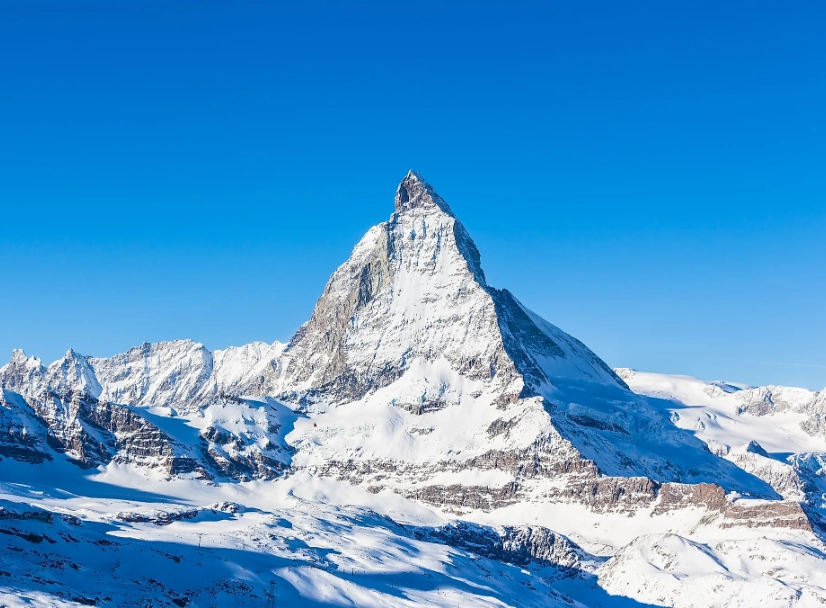
Safety and Risks: The Stuff No One Likes to Talk About
This is the most important section. Mountains are inherently risky. Respecting that risk is what allows you to manage it and come home safe.
Weather: The Ultimate Boss
Mountain weather is not like valley weather. It's faster, fiercer, and more dangerous. A sunny morning can turn into a white-out blizzard or a lightning storm in under an hour. Always, always check the mountain-specific forecast, not the town forecast. Sites like Mountain-Forecast are good tools, but also learn to read the sky. Puffy cumulus clouds building vertically? That's a thunderstorm brewing. Get below treeline.
Altitude Sickness: It Can Happen to Anyone
This isn't about fitness. It's about how your body reacts to lower oxygen. It typically starts above 8,000 feet. The best prevention is gradual ascent (climbing high, sleeping low is the mantra). Know the symptoms:
| Symptom Level | Signs | What to Do |
|---|---|---|
| Mild (AMS) | Headache, nausea, dizziness, fatigue, loss of appetite. | Stop ascending. Descend if symptoms don't improve or worsen after rest. |
| Moderate to Severe | Severe headache unrelieved by meds, vomiting, confusion, loss of coordination, shortness of breath at rest. | DESCEND IMMEDIATELY. This is a medical emergency (could be HAPE or HACE). |
The only real cure for altitude sickness is descent. Pushing through is how people die. Listen to your body, not your ego.
The Turn-Around Time
This is the hardest skill to learn. Before you start, set a firm turn-around time. This is the absolute latest time you will head back down, summit or no summit. Factor in daylight, weather, and your energy. And then stick to it. The mountain will always be there. Your safety won't be if you ignore the clock.
Protecting the Peaks: We're Just Visitors
More people than ever are heading to the hills. With that comes a responsibility. Those pristine mountain peaks and alpine environments are incredibly fragile. Tread marks on tundra can last for decades.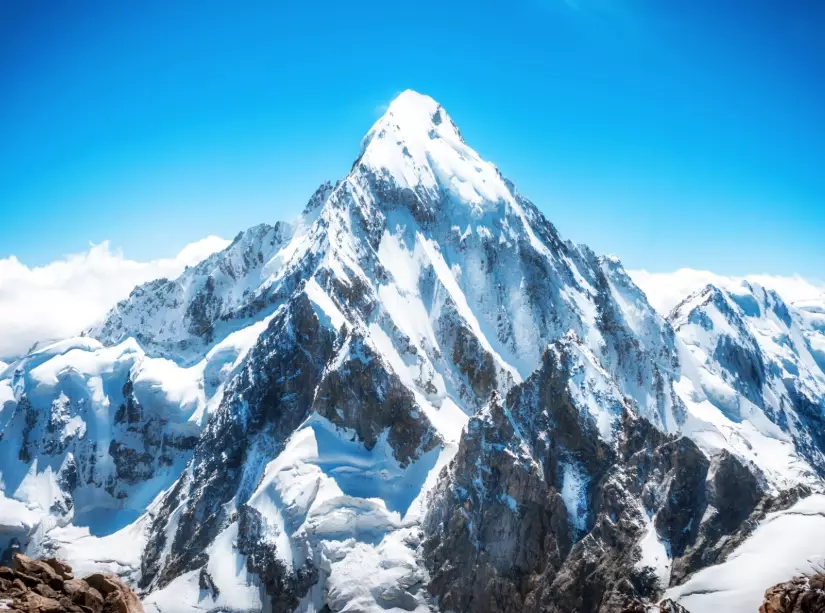
The Leave No Trace Center for Outdoor Ethics principles aren't just suggestions; they're a necessity. For mountains, a few are extra critical:
- Plan Ahead & Prepare: This reduces your impact from the start.
- Travel & Camp on Durable Surfaces: Stay on rock, sand, gravel, snow, or established trails. Never cut switchbacks—it causes massive erosion.
- Dispose of Waste Properly: Pack out all trash, including food scraps and toilet paper. For human waste, use WAG bags or dig a cathole 6-8 inches deep at least 200 feet from water, camp, and trails.
- Leave What You Find: That cool rock or wildflower? Take a picture. It belongs there.
- Minimize Campfire Impacts: In high alpine zones, use a camp stove. Wood is scarce and the ecological impact is high.
It's simple: we want these places to stay wild and beautiful for the next person, and for the ecosystems that call them home.
Your Mountain Peaks Questions, Answered
So there you have it. The world of mountain peaks is vast, challenging, and deeply rewarding. It's taught me more about my own limits and the natural world than anything else. It's humbling. It's hard. And sometimes, when the wind is quiet and the view stretches forever, it's absolutely perfect.
Start small, learn constantly, respect the mountain, and you'll find your own way up. See you on the trail.