In This Guide
Let's be honest. Most of us have that dusty plastic box tucked away in a bathroom cabinet or under the kitchen sink. You know the one. It's probably got a few faded band-aids, some ancient gauze, and maybe a pair of rusty tweezers from another decade. We buy it because we think we should, then we forget about it until someone gets a nasty paper cut or a splinter. And in that moment, we fumble through it, hoping we have what we need.
But what happens when it's more than a paper cut? A bad burn from cooking, a deep cut from a DIY project, or a sudden allergic reaction? That's when a well-thought-out first aid kit stops being a "nice-to-have" and becomes absolutely critical. It's the difference between managing a situation calmly and scrambling in a panic.
I learned this the hard way a few years ago during a camping trip. A friend slipped and gashed his leg on a rock. Our "kit" was a sorry excuse—a ziplock bag with a roll of medical tape and some antiseptic wipes that had dried out. It was a mess. We ended up using a (hopefully clean) t-shirt to stem the bleeding until we could get help. Not ideal. That experience changed my perspective completely.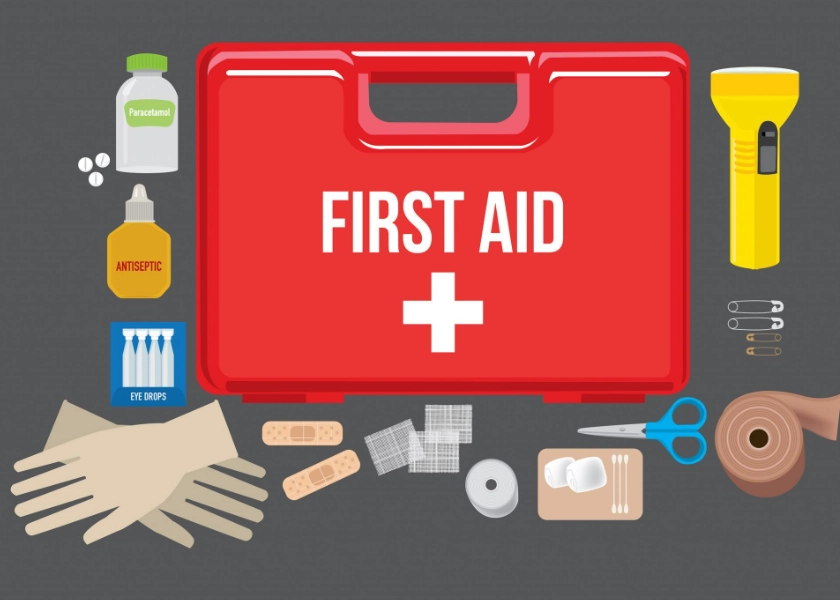
The core idea is simple: A first aid kit is a personalized collection of supplies and tools to provide initial, often crucial, care for injuries or sudden illness until professional medical help is available or the situation resolves. It's not about playing doctor; it's about providing effective, immediate care.
So, What Actually Goes in a Good First Aid Kit?
This is where people get overwhelmed. Do you need a tourniquet? What kind of pain reliever? The answer, frustratingly, is: it depends. A kit for a family with young kids will look different from one for a serious hiker. But there's a foundation everyone should start with.
The American Red Cross has a solid, no-nonsense list of recommended supplies for a basic home first aid kit. It's a fantastic starting point. You can check out their full, detailed list on their First Aid Supplies List page. I like their list because it's practical and based on the most common household injuries.
The Non-Negotiable Basics (The Universal Core)
Think of this as your kit's backbone. No matter who you are or where you live, these items are essential.
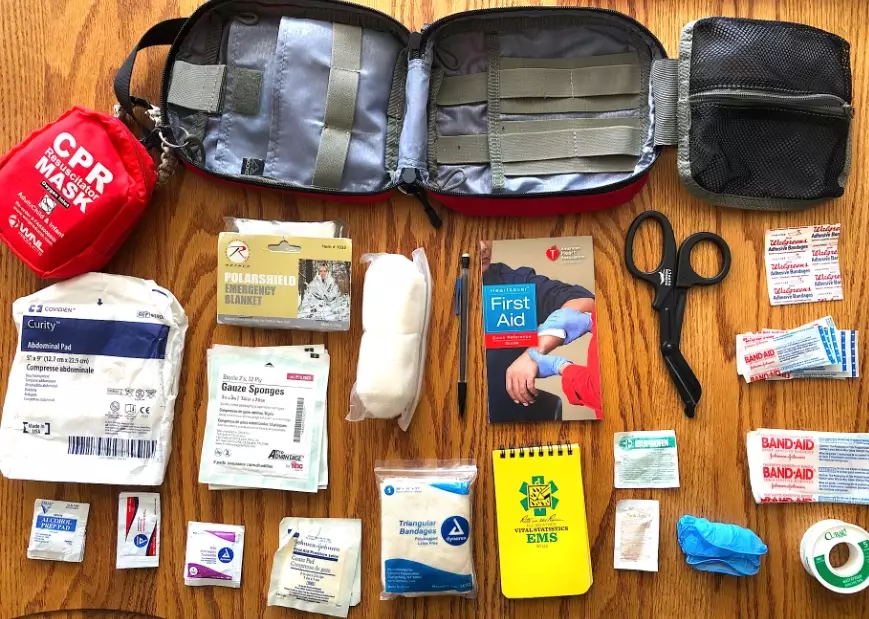
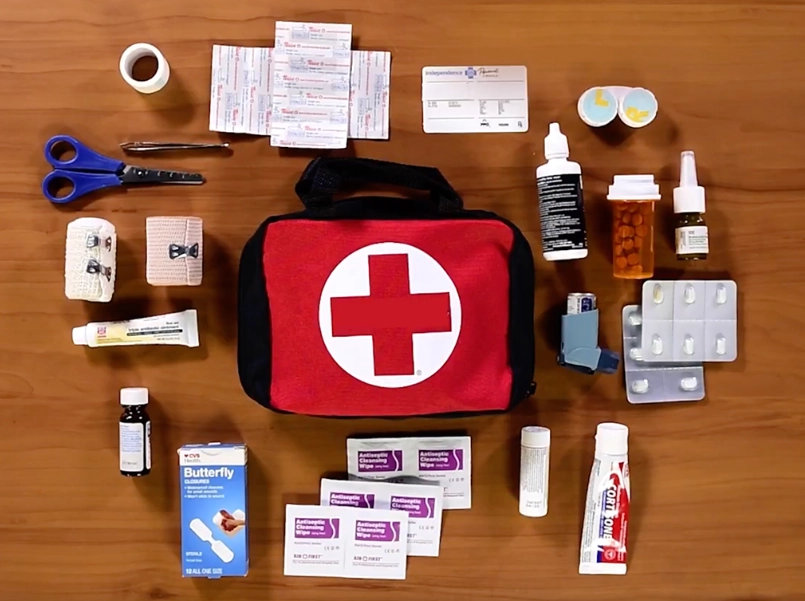
- Protection for You: Several pairs of disposable, non-latex gloves. Don't skip this. It protects both you and the injured person.
- Wound Cleaning: Antiseptic wipes or a bottle of antiseptic solution (like povidone-iodine) and sterile saline wash. Wipes are convenient, but a bottle of saline is great for flushing out debris from a scrape.
- Bandaging, The Star Players:
- Adhesive bandages (Band-Aids): Assorted sizes. Get more of the larger ones than you think you need.
- Sterile gauze pads: 4x4 inch pads are the most versatile. Get a pack.
- Roller gauze or a conforming bandage roll to hold pads in place.
- Adhesive tape: Hypoallergenic paper tape is gentle; cloth tape is stronger.
- Tools:
- Sharp scissors (trauma shears are amazing—they cut through clothing).
- Tweezers (for splinters, not eyebrows—get a good, pointed pair).
- A digital thermometer (non-mercury).
- Medications (with caution):
- Antibiotic ointment packets.
- Hydrocortisone cream for itchy bites or rashes.
- Antihistamines (like diphenhydramine) for allergic reactions.
- Pain relievers/fever reducers (acetaminophen, ibuprofen). Always check expiration dates and know proper dosages.
Just having these basics puts you ahead of 90% of households. But why stop there?
Building Kits for Specific Lives (Beyond the Basics)
Here's the fun part—customizing. A generic, store-bought first aid kit is okay, but it's rarely perfect. Tailoring your supplies to your actual life is what makes a kit truly useful.
| Kit Type | Essential Additions & Why | Personal Note / Watch Out For |
|---|---|---|
| Family Kit (with young kids) | Children's pain/fever meds (liquid & chewable), more fun-shaped bandages (they work!), a cold pack that doesn't need refrigeration, electrolyte packets for vomiting/diarrhea, a list of emergency contacts & pediatrician info. | Kids get fevers and tummy bugs at 2 AM. Having Pedialyte packets ready is a lifesaver. Also, check medication dosages by weight, not just age. |
| Car First Aid Kit | Heavy-duty items: a space blanket for shock/hypothermia, a brighter flashlight, a window breaker/seatbelt cutter tool, a larger trauma pad, bottled water (for cleaning or drinking). | Temperature extremes in a car can ruin meds and melt adhesives. Don't store pain relievers here long-term. The tool is for extreme emergencies, but good to have. |
| Hiking/Backpacking Kit | Blister treatment (moleskin or specialized pads), a compact splint, a signal whistle, water purification tablets, a lighter, duct tape (wrapped around a water bottle). | Weight matters. Multi-use items are king. Duct tape can fix gear, secure a bandage, or cover a blister. |
| Office Kit | Eye wash solution (for dust or irritants), burn gel packets, instant cold packs, antacids, spare phone charger, a clear list of office emergency procedures. | Office kitchens are burn and cut factories. A good burn gel provides immediate relief while you decide on next steps. |
See how that works? You look at the most likely problems in that environment and equip for them. The Centers for Disease Control and Prevention (CDC) has great resources on preparing for emergencies specific to different scenarios, which can inform what you add to your kits. It's worth a look at their Emergency Preparedness hub.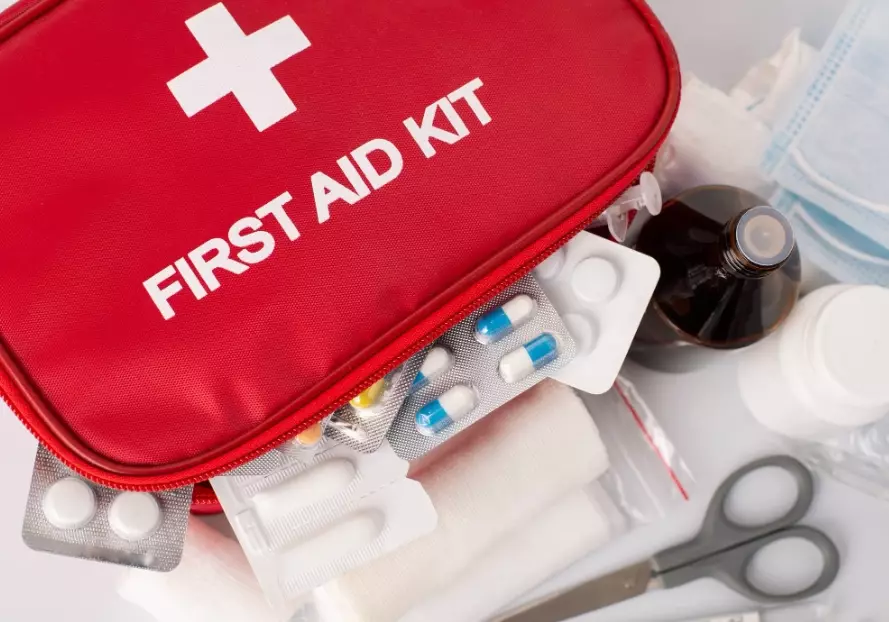
Buying vs. Building Your Own First Aid Kit
This is a classic debate. Let's break down the pros and cons, because honestly, I've done both and there are clear winners for different situations.
The Pre-Made Kit (Buying): The biggest advantage is convenience. You click one button and it shows up. Good for beginners who don't know where to start. The downside? They are almost always padded with cheap, low-quality items you'll never use (dozens of tiny band-aids, flimsy gauze) while skimping on the important stuff (only 2-4 gauze pads, cheap scissors). The medication inside is often generic and expires quickly.
Building Your Own: This is my preferred method. Yes, it takes an hour of your time and maybe a trip to the pharmacy or an online order. But you control the quality of every item. You can buy brand-name adhesive bandages that actually stick, a proper pair of shears, and medications you trust. In the long run, it's often cheaper because you're not paying for filler. You also learn what's in your kit as you assemble it, which is half the battle.
My advice? If you're just starting and want something now, buy a decent mid-range kit from a reputable brand (not the $10 special). Then, immediately open it, remove the junk, and upgrade the key items. Add more gauze, better tape, and your preferred medications. You've now hybridized it into a good kit.
The Stuff Everyone Forgets (Maintenance & Knowledge)
Here's the dirty secret: assembling the perfect first aid kit is only 50% of the job. The other 50% is maintenance and knowing how to use it. A kit is useless if the glue on the band-aids has dried out or you don't know how to stop serious bleeding.
Keeping Your Kit “Alive”
- Check Dates, Seriously: Set a calendar reminder every 6 months. Go through every single item. Check expiration dates on medications, ointments, and even the sterile water. Replace what's old. This takes 5 minutes.
- Restock After Use: Used the last band-aid? Write it on your shopping list immediately. Don't trust future-you to remember.
- Location, Location, Location: Keep it in a central, easy-to-access place. Everyone in the household should know where it is. Not buried in the garage. I keep a main one in the hall closet and a smaller one in the kitchen (where most minor injuries happen).
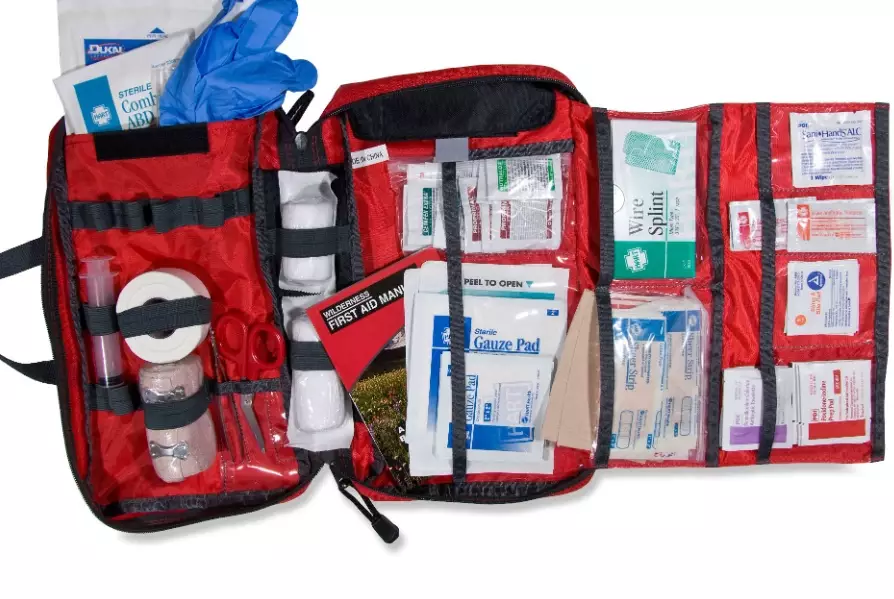
- Consider the Container: A hard-sided, waterproof box is best. Those floppy fabric bags look cute but don't protect contents from moisture or getting crushed.
Knowledge is the Most Important Tool
You can have a $500 tactical medical kit, but if you don't know how to apply direct pressure to a wound, it's just a fancy paperweight.
Take a basic first aid and CPR course. The peace of mind is worth it. The American Red Cross and many local community centers offer them. They teach you how to recognize serious situations, how to treat common injuries, and how to use the items in your kit effectively. For example, when should you use an elastic bandage versus a rigid splint? A course will show you.
Print out a simple first aid guide and put it in your kit. Laminated is even better. When adrenaline is high, it's hard to think straight. A step-by-step guide for CPR, the Heimlich maneuver, or treating a burn can be invaluable.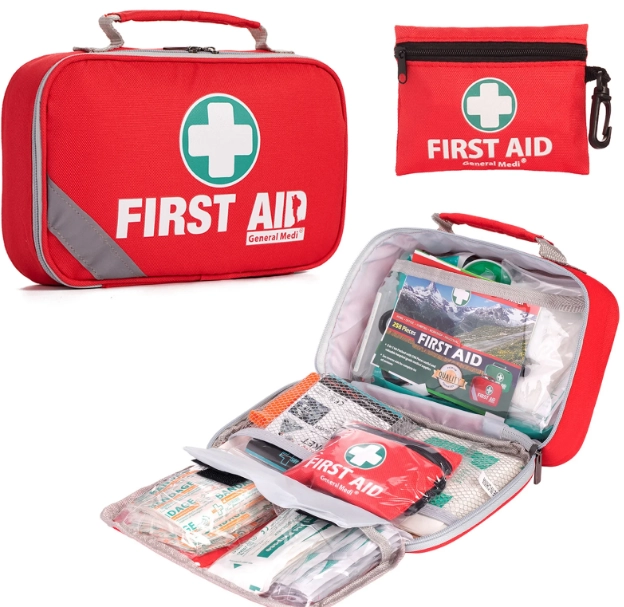
Think of your first aid kit like a fire extinguisher. You hope you never need it, but if you do, you need it to work perfectly, and you need to know how to use it without reading the instructions for the first time.
Wrapping It Up: Your Action Plan
This isn't about creating fear. It's about building confidence. So let's not make it complicated.
Here's what you can do this week:
- Find Your Current Kit. Go dig it out right now. I'll wait.
- Do an Audit. Dump it out on a table. Throw away anything expired, rusty, or opened. Be ruthless.
- Make Two Lists: List A is "Need to Buy Now" (basics you're missing). List B is "Nice to Have Later" (custom items for your lifestyle).
- Buy the Basics. Hit the pharmacy or an online retailer. Get quality versions of the core items listed earlier.
- Assemble & Label. Put it all in a good container. Maybe even put a small list of contents on the inside of the lid.
- Tell Your Household. Show everyone where it is. It's not a secret.
- Set a Reminder. Put a 6-month check-up in your phone's calendar.
That's it. You don't have to do it all at once. Start with the basics. A simple, well-stocked, and maintained first aid kit is one of the most practical and caring things you can do for yourself and your family. It turns "Oh no!" into "I've got this." And that feeling is worth far more than the cost of the supplies inside.
Stay safe out there.