You see pictures of people clinging to cliffs, muscles straining, with a huge drop below. Or maybe you've walked past a colorful indoor wall full of people solving puzzles with their bodies. It all gets called "rock climbing," but the experience of a kid on a top-rope at summer camp is worlds apart from someone spending a week on a 3,000-foot granite wall in Yosemite.
The confusion is real. I've been climbing for over a decade, and I still meet seasoned gym climbers who have no idea what a "cam" is. This guide isn't just a dry list. We'll dig into the five main styles of rock climbing, the unique mindset each requires, the gear that goes with it, and—crucially—how to know which one might be your perfect vertical match.
Quick Navigation: Find Your Climbing Style
The Five Main Flavors of Climbing
Think of these as different sports under the same umbrella. The goals, risks, and required skills shift dramatically.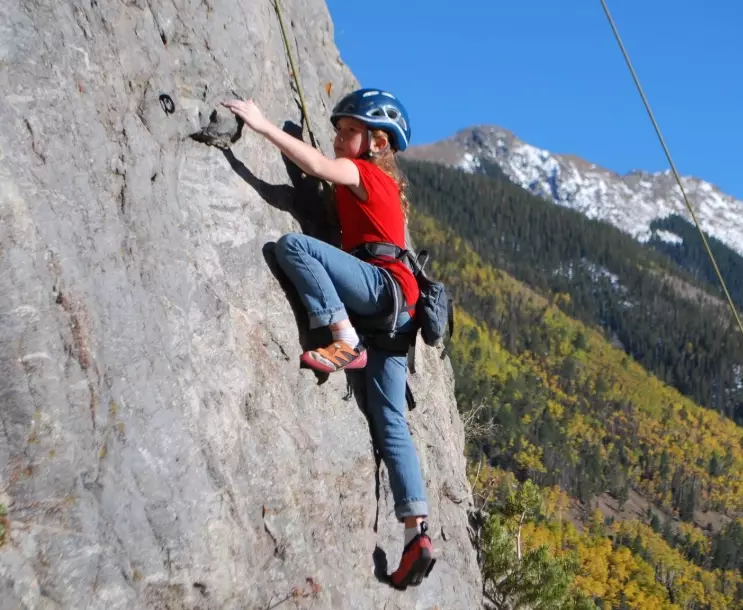
| Style | Core Idea | Typical Height | Key Gear | Best For... |
|---|---|---|---|---|
| Bouldering | Climbing short, hard problems without ropes. | 10-15 feet (3-5 meters) | Climbing shoes, chalk bag, crash pad | Problem-solvers, power builders, social climbers. |
| Top-Rope Climbing | The rope is already anchored above you. | 30-80 feet (10-25 meters) | Harness, rope, belay device, helmet | Beginners, building technique without lead fear. |
| Sport Climbing | Climbing up while clipping your rope into permanent bolts. | 30-120+ feet (10-40+ meters) | Harness, rope, quickdraws, helmet, belay device | Those who love the physical challenge over gear management. |
| Trad (Traditional) Climbing | Placing and removing your own temporary gear as you go. | One pitch to multi-day big walls | Full rack (cams, nuts), harness, rope(s), helmet | Adventurers, gear nerds, risk managers who love wilderness. |
| Alpine & Big Wall Climbing | Climbing massive routes in remote, high-mountain environments. | Hundreds to thousands of feet | Everything from trad gear to portaledges, haul bags | The ultimate all-rounders seeking epic commitment. |
That table gives you the blueprint. Now let's add the color and texture you won't find in a manual.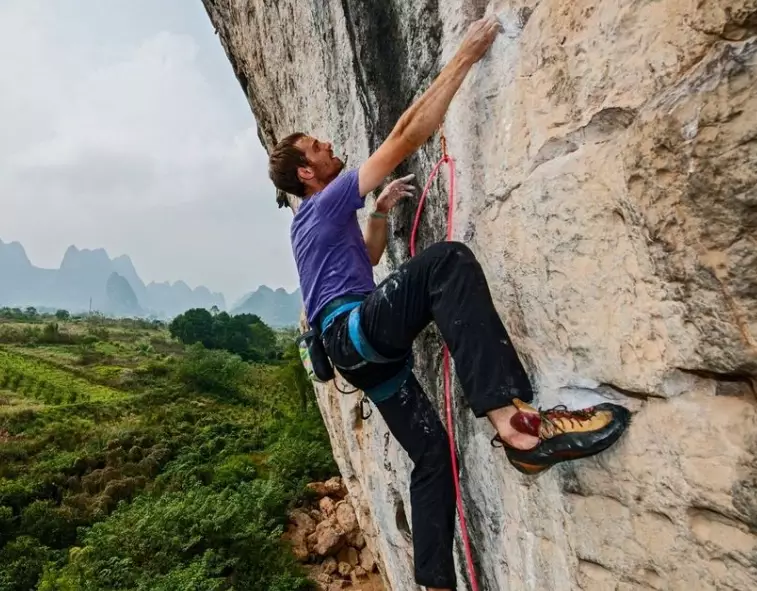
A quick note on helmets: I see too many climbers skip them, especially in gyms or on popular sport crags. This is a subtle, deadly mistake. A single falling rock or an unexpected swing into the wall can change everything. The American Alpine Club's annual Accidents in North American Climbing reports are filled with preventable head injuries. My rule? If I'm off the ground outdoors, the helmet is on. It's the least sexy but most critical piece of gear.
How to Choose Your First Climbing Style
Don't overthink the first step. Your local climbing gym is the perfect, safe laboratory. Here’s a practical flow:
Step 1: Visit a Gym. Try both a bouldering session (shoes and chalk only) and an introductory top-rope class (they'll provide harness and belay training). See which feels more natural. Do you enjoy the intense, social bursts of bouldering? Or the sustained, rhythmic flow of a longer rope climb?
Step 2: Rent, Don't Buy (At First). Rent shoes and a harness for your first few months. Your foot size and preferences will change as your technique develops. Buying aggressive, downturned shoes day one is a classic beginner error—they're for advanced climbers on steep walls and will murder your novice feet.
Step 3: Find a Mentor or Guide. Want to go outdoors? This is non-negotiable. Hire a certified guide (find one through the American Mountain Guides Association) or find an experienced, patient friend. They'll teach you how to read guidebooks, assess anchor safety, and manage the very real hazards that don't exist in the gym.
Most climbers naturally gravitate towards one or two styles. I'm primarily a sport and trad climber. I love the puzzle of gear placement. My partner? She's a bouldering powerhouse who thinks my rope rituals are tedious. There's no right answer, only your answer.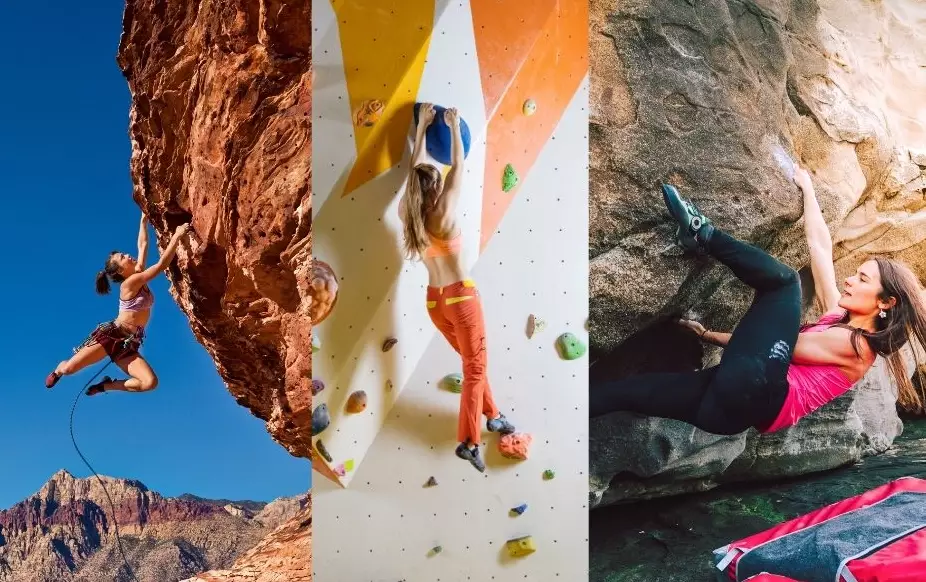
A Closer Look: Bouldering
Bouldering is climbing distilled to its essence: you, the rock (or plastic), and a few moves. No ropes, no partners—just pure movement. It happens on boulders (obviously) or on short, dedicated sections of walls indoors.
What People Get Wrong About Bouldering
The biggest misconception is that it's safer because you're lower. The reality? Most climbing injuries happen in bouldering. You take repeated, high-impact falls onto pads. Wrist, ankle, and shoulder injuries are common. A tip most gyms don't teach: learn to fall. Roll onto your back, don't reach out to catch yourself with a straight arm.
Deep Water Soloing (DWS): This is bouldering's wild cousin. You climb sea cliffs or overhangs above deep water, using the water as your crash pad. It's exhilarating and requires a whole different risk calculus—knowing the water depth, tide schedules, and having a solid swim exit. Places like Mallorca, Spain, and Railay, Thailand, are meccas for it. The International Federation of Sport Climbing has info on this emerging competition discipline.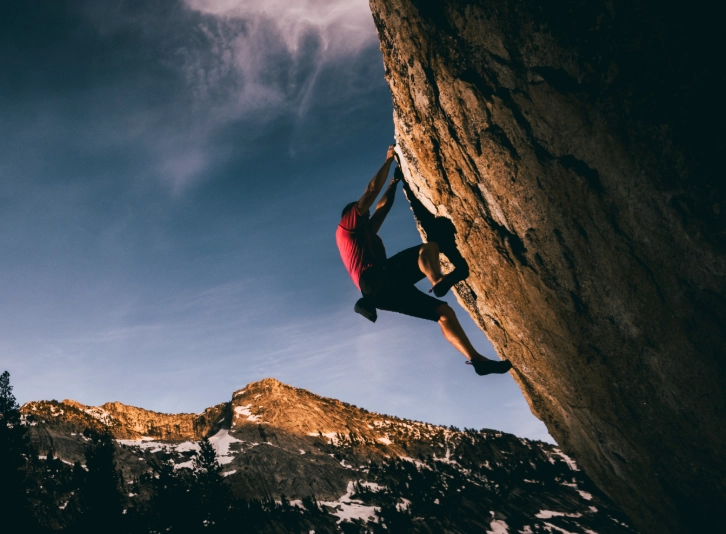
Sport vs. Trad: The Great Rope Debate
This is where the philosophical split happens in the climbing community. Both use ropes, harnesses, and lead climbing (clipping in as you go up), but the mindset is opposite.
Sport Climbing is about physical performance. The protection (steel bolts drilled into the rock) is generally reliable. Your mental energy goes into clipping the next bolt efficiently and pushing your physical limit. The rock is the gym. Crags like Rifle Mountain Park in Colorado or Kalymnos in Greece are world-famous sport destinations.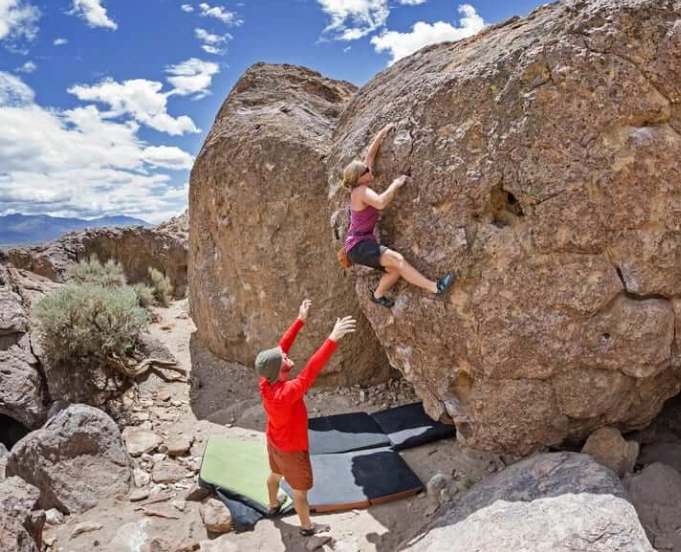
Trad Climbing is an intellectual and risk-management game. You carry a rack of metal nuts and spring-loaded camming devices (cams) that you slot into cracks and constrictions in the rock. Every piece you place is a critical decision. Is the rock solid? Is the cam the right size? Is it placed in the right direction? A successful trad climb feels like you've outsmarted the mountain. Places like Yosemite's Tuolumne Meadows or the UK's Peak District are trad heartlands.
One subtle error I see new trad climbers make: focusing only on the hard moves. The real test often comes on the "easy" sections where you get lazy with gear placement, just when a fall would be longer and more dangerous. The climbing maxim holds true: "The leader must not fall." In trad, that's a principle, not a suggestion.
Alpine and Big Wall climbing take trad to its logical extreme. You're dealing with weather, altitude, and carrying everything you need to live on the wall for days. It's less about a single hard move and more about sustained efficiency, suffering, and logistics. The Nose on El Capitan is the iconic big wall testpiece.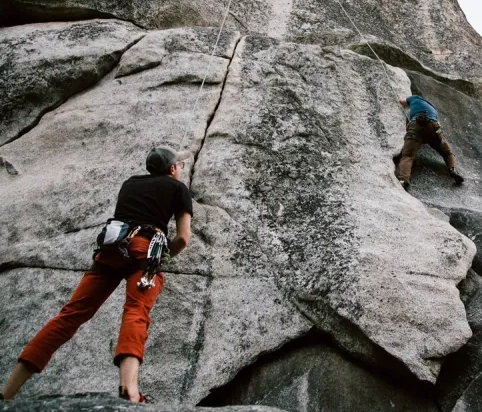
Your Climbing Questions, Answered
The vertical world is vast. You might spend years perfecting the dynamic leaps of indoor bouldering, or you might find your calling in the slow, methodical puzzle of a multi-pitch trad route. The beauty is that these disciplines aren't mutually exclusive—skills from one often translate to another. The best next step is to find a local gym, walk in, and put your hands on the wall. Your own climbing story starts with that first reach.