Let's get one thing straight: a list of rock climbing techniques is useless if you don't understand the why behind them. It's not about memorizing moves like a robot. It's about learning a language of movement that lets you dance up the rock with efficiency, safety, and a huge grin on your face. After a decade of climbing everything from gym plastic to alpine granite, I've seen the same fundamental gaps hold people back, regardless of their strength.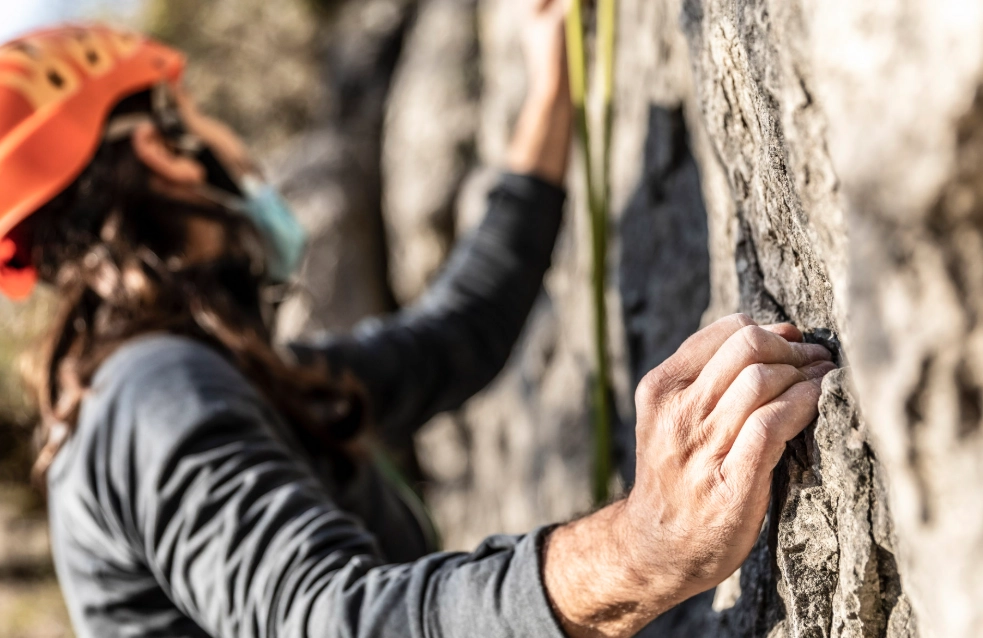
This guide is the manual I wish I had. We're going beyond the basic list. We'll dig into the body mechanics, the common pitfalls nobody talks about, and the subtle shifts that turn a struggle into a flow.
What's Inside This Guide
Footwork: The Secret Weapon You're Probably Ignoring
Your arms get all the glory, but your legs are the engine. Good footwork saves your arms, builds confidence, and is the single biggest differentiator between a thrashing beginner and a smooth climber.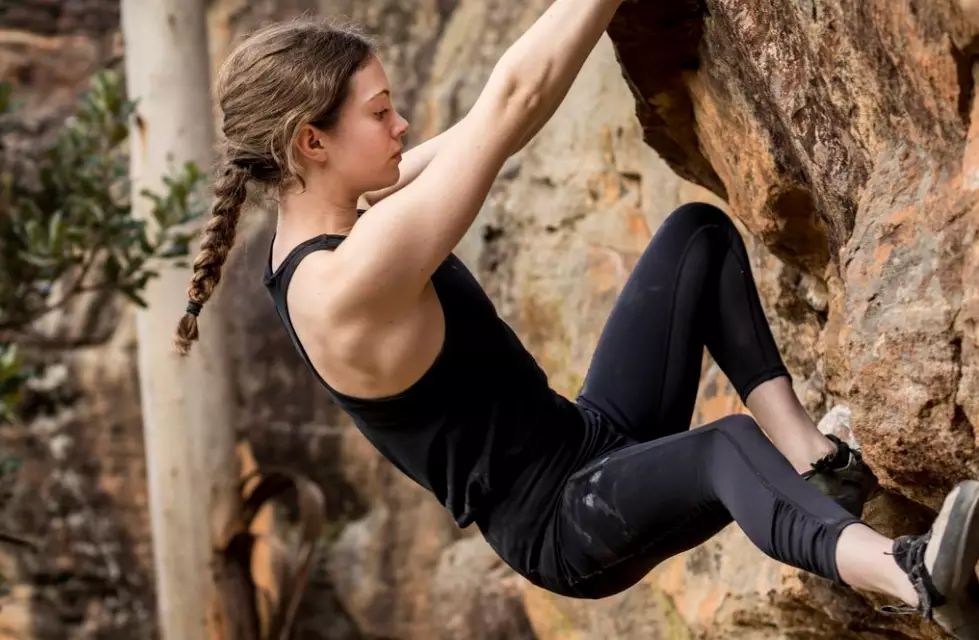
Silent Feet and Precision Placement
This isn't just a drill; it's a philosophy. Every time your foot slaps or scrapes against the wall, you're wasting energy and showing a lack of control. The goal is to place your foot on the hold once, with intention and precision.
How? Look at your foot until the rubber is perfectly placed. I mean, really stare it down. Don't glance and hope. This one habit, practiced relentlessly on easy routes, will improve your climbing more than any hangboard workout in the first year.
Edging vs. Smearing
- Edging: Using the defined edge of your shoe's toe. This is for small, sharp holds. The key is to keep your heel low to maximize pressure through the toe. A high heel reduces surface area and control.
- Smearing: Using the flat, rubbery surface of your sole on a blank or sloping part of the wall. It's all about trust and pressure. Push your foot into the wall as if you're trying to leave a footprint. The more you commit, the more friction you create. Hesitant, tentative smears fail every time.
Most beginners edge when they should smear, and smear when they should edge. On a sloping hold, a committed smear is often better than trying to balance on a tiny, unreliable edge.
Flagging and Backstepping
These are your primary tools for balance. Flagging is extending a leg out to the side to counterbalance your body weight and prevent you from swinging out like a barn door.
There's an inside flag (foot crossed behind your other leg) and an outside flag (foot away from the wall). The inside flag is criminally underused. It lets you keep your hips incredibly close to the wall on reaches.
Backstepping is when you turn your hip into the wall and place the outside edge of your foot on a hold. This rotation engages your glutes and core, letting you stand up powerfully instead of just pulling with your arms. It's the gateway to climbing steeper terrain efficiently.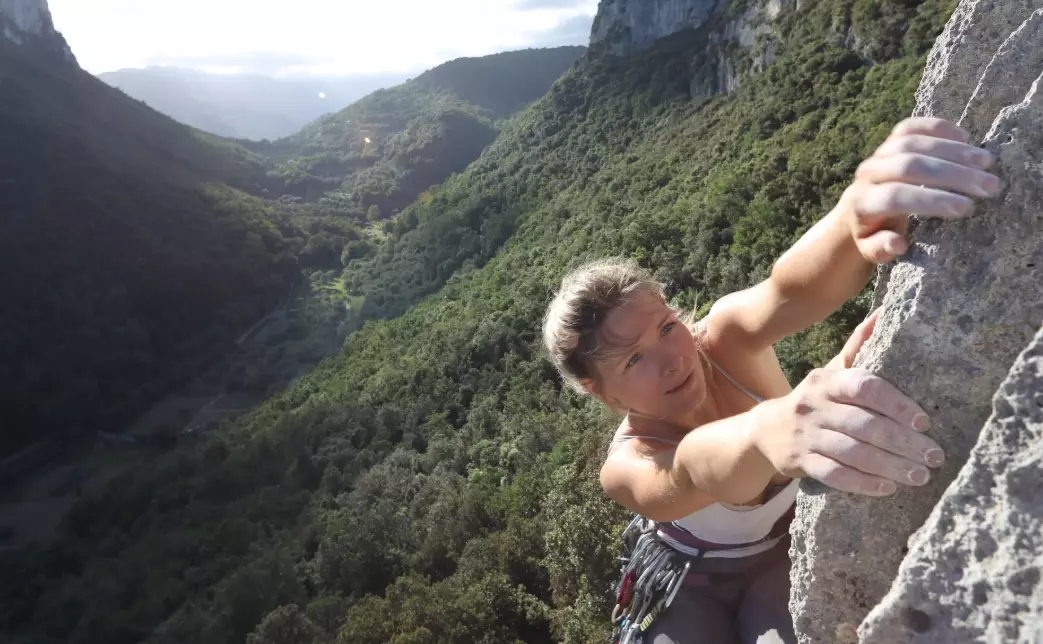
Handholds and Body Positioning: It's Not Just Pulling
If you're getting pumped out quickly, your hand technique and body position are likely to blame. It's not about how hard you can grip; it's about how little you need to.
Basic Grip Types and When to Use Them
| Grip Type | Best For | Key Point |
|---|---|---|
| Open Hand Grip | Slopers, pockets, resting. The most sustainable grip. | Fingers are straighter, using friction more than tendon strain. Saves your pulleys. |
| Crimp Grip (Full) | Small edges when you need maximum pull. | High stress on finger tendons. Use sparingly. Don't "full crimp" unless you have to. |
| Half Crimp | A safer, stronger middle ground for small edges. | Fingers at 90 degrees. Builds strength more sustainably than full crimping. |
| Pinch Grip | Pinches (obviously). | Engage your thumb! It's not decoration. Squeeze between thumb and fingers. |
I see strong new climbers wreck their fingers because they default to a full crimp on everything. Train the open hand and half crimp. Save the full crimp for desperate moments on real rock, not the gym warm-up.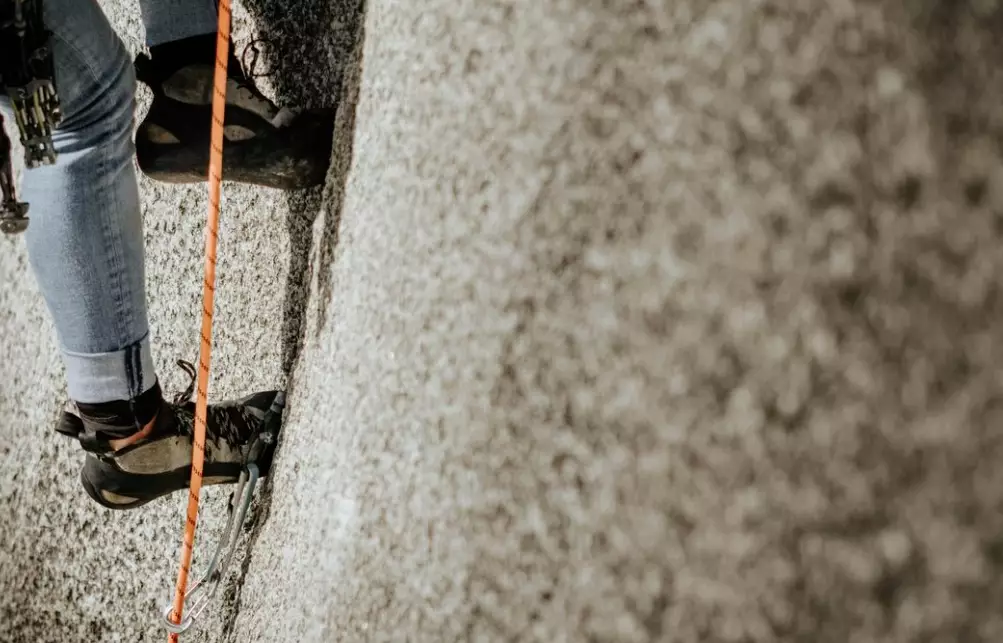
Body Positioning: Hips are Your Steering Wheel
Where your hips go, your body follows. To reach a hold on your right, move your right hip closer to the wall. This isn't a slight shift; it's a conscious rotation or drop of the hip.
On vertical terrain, strive for a "square" position—hips facing the wall. On overhangs, you almost always need to turn a hip in (backstep) or flag to prevent swinging.
The most common mistake? Keeping hips square to an overhanging wall. You'll feel like you're doing endless pull-ups. Twist that hip in, and suddenly your legs can push again.
Resting and Shaking Out
You must learn to rest on the wall. Find a stable, feet-high position where you can straighten your arms and let the skeleton, not the muscles, hold you. Shake one arm out at a time, opening and closing your hand to encourage blood flow.
Good rest stances aren't always obvious. Sometimes it's a heel hook, sometimes a wide stem, sometimes just a moment of balance with straight arms. Actively look for them.
Balance and Dynamic Movement: Finding Your Flow
Climbing is not a static sport. The best climbers move with rhythm, using momentum to their advantage.
Static vs. Dynamic Movement
Static moves are controlled, with three points of contact. They are safe and energy-efficient. Dynamic moves (dynos or lunges) use momentum to reach a hold that's otherwise out of range.
The choice isn't about courage; it's about efficiency. A dynamic move can be less strenuous than a slow, static lock-off to a far hold. The key is controlled momentum, not wild jumping.
The Deadpoint: The Heart of the Dynamic Move
This is the non-negotiable skill for dynamic movement. The deadpoint is the moment of near-weightlessness at the apex of your upward motion. It's when you grab the hold.
Practice this on a boulder problem: generate upward momentum from your legs, and try to grab the next hold at the very top of your movement, just as you stop rising and before you start falling. It's a catch, not a grab.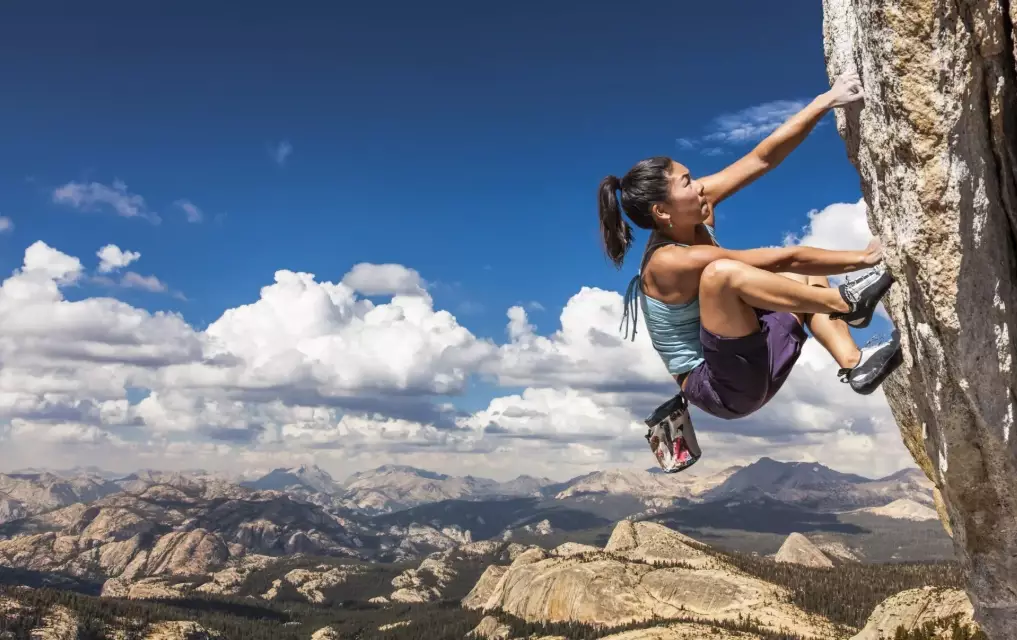
Specialized Techniques for Specific Terrain
Different rock types and angles demand specific tools. Here’s how techniques shift across disciplines.
| Climbing Type | Technique Emphasis | Gear/Consideration |
|---|---|---|
| Bouldering | Power, dynamic movement, complex body positions. Heel hooks, toe hooks, and compression are king. | Crash pads are essential. Spotting technique is a safety skill. Short, intense sequences. |
| Sport Climbing | Endurance, pacing, clipping efficiency. Resting and route reading are critical. | Quickdraws, rope work, and clipping stances. Knowing how to take a safe fall is part of the technique. |
| Trad Climbing | All of the above, plus crack climbing techniques (jamming), gear placement, and immense mental focus. | Cams, nuts, alpine draws. The technique extends to placing secure protection. Mentorship is highly recommended. |
Crack climbing is a world of its own—hand jams, fist jams, foot jams. It's painful at first, then incredibly secure. The technique is all about twisting and torquing your limbs to create opposition inside the crack.
For authoritative information on climbing safety and best practices, the American Alpine Club (AAC) provides invaluable resources. When it comes to gear standards, the International Climbing and Mountaineering Federation (UIAA) sets the benchmarks that manufacturers follow.
Putting It All Together: Practice Drills and Mindset
Technique without deliberate practice is just theory. Here’s how to make it stick.
- Deliberate Practice: Don't just climb. Have a goal for each session. "Today, I will inside flag on every move possible." "This route, I will practice silent feet."
- Downclimb: The best drill in existence. It forces careful foot placement and body awareness when you're tired.
- Climb Easy Routes Hard: Projecting your limit is fun, but you ingrain bad habits under fatigue. Spend 70% of your time climbing well below your limit, focusing purely on perfect technique.
- Watch and Learn: Watch better climbers. Don't just stare at their hands. Watch their hips, their feet, the timing of their movements.
The mental game is half the battle. Fear stiffens movement. Breathe. Focus on the move in front of you, not the top. Visualize the sequence before you start. Accept that falling is part of the process in a safe environment (like a gym with auto-belays or on boulder pads).
Remember, this isn't a checklist to be completed. It's a toolkit to be explored. Start with footwork. Make it your obsession for a month. Then layer in body positioning. The progress will feel real.