You've booked the flights, you've trained for months, you're staring at photos of those epic mountain vistas. Then it hits you – a nagging worry about altitude sickness. Will it ruin your trip? I've been there. I've also seen too many hikers on trails like the Inca Trail or around Everest Base Camp turn back because they ignored the basics. The good news? Preventing altitude sickness isn't about luck; it's a science. And most people get it subtly wrong, focusing on the wrong things. Forget just drinking water. Here’s the practical, no-nonsense guide based on what actually works, blending medical advice with hard-earned trail experience.
What You’ll Learn in This Guide
Step 1: Acclimatize Smartly (Your Body’s Best Friend)
This is the single most important factor, and where most generic advice falls short. Acclimatization isn't just "take it slow." It's a specific protocol.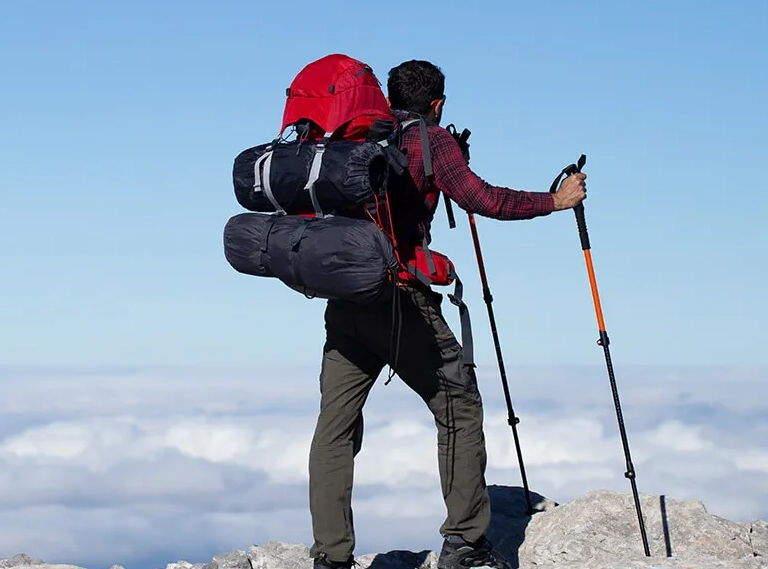
The golden rule: Above 2,500 meters (8,200 feet), don't increase your sleeping altitude by more than 300-500 meters (1,000-1,600 feet) per day. Plan a rest day (sleep at the same altitude) for every 1,000 meters (3,300 feet) gained.
But here’s the nuanced part everyone misses: Activity level matters as much as sleeping altitude. You can sleep at 3,500m, but if you day-hike up to 4,200m, you're stressing your body as if you slept there. The principle is "climb high, sleep low." It's not just a catchy phrase; it's how your body builds red blood cells and adjusts to thinner air efficiently. On a rest day, take a short, gentle hike to a higher point, then descend to sleep. This signals your body to adapt without overstressing it overnight.
The Biggest Acclimatization Mistake I See
Relying on a "pre-acclimatization" day in a city like Cusco (3,400m) or La Paz (3,650m) without respecting the rule afterward. People land, feel okay on day one (because symptoms often take 6-12 hours to appear), and then jump on a tour that goes even higher the next day. That's a recipe for trouble. The first 24-48 hours at a new altitude are critical. Go extra slow.
Step 2: To Medicate or Not? Making an Informed Choice
Medication is a tool, not a magic pill that lets you ignore Step 1. Talk to a doctor who understands travel medicine before your trip. This is non-negotiable.
| Medication | What It Does | Key Considerations & Dosage* |
|---|---|---|
| Acetazolamide (Diamox) | Helps your body acclimatize faster by stimulating breathing and making blood slightly more acidic, which tricks your brain into breathing more. | The go-to for prevention. Start 24-48 hours before ascent, continue for 48 hours at highest altitude. Typical dose: 125mg twice daily. Side effects: tingling fingers/toes, carbonated drinks tasting flat (seriously). |
| Dexamethasone | A potent steroid that reduces brain swelling. It treats symptoms but doesn't aid acclimatization. | Not for routine prevention. A rescue drug for severe AMS or HACE. Carried by guides for emergencies. Requires medical supervision. |
| Ibuprofen | Anti-inflammatory. Can help with headache, a common AMS symptom. | Can mask headache pain, which is a crucial warning sign. Use cautiously. Treating a headache with ibuprofen doesn't mean the underlying AMS is gone. |
*Dosages are examples. Consult your doctor for a prescription and personalized advice.
My personal stance? On a rapid ascent (like flying into Cusco for a short Inca Trail trip), I take Acetazolamide. It's an insurance policy. For a longer, slower trek where I can control the pace, I often go without it, relying solely on acclimatization. It's a personal risk assessment.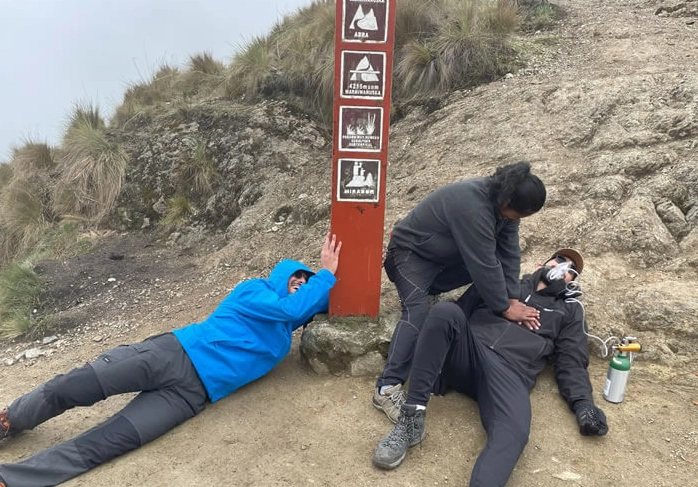
Step 3: Fuel and Hydrate for High Altitude
You'll hear "drink lots of water" until you're sick of it. It's correct, but incomplete.
Hydration: Aim for 3-4 liters per day. But here’s the catch – drinking excessive plain water without electrolytes can lead to hyponatremia (low blood sodium), whose symptoms mimic altitude sickness (nausea, headache, confusion). It's a dangerous mix. Add electrolyte tablets or powder to at least one liter of your daily water. Monitor your urine color – aim for pale yellow.
Diet: Your metabolism spikes at altitude. Eat more calories than you think you need, even if you're not hungry (loss of appetite is a symptom!). Focus on carbohydrates. They require less oxygen to metabolize than fats or proteins. Think oatmeal, pasta, rice, bread. Go easy on heavy, greasy foods and excessive alcohol – they'll dehydrate you and make sleep, which is already harder at altitude, even more difficult.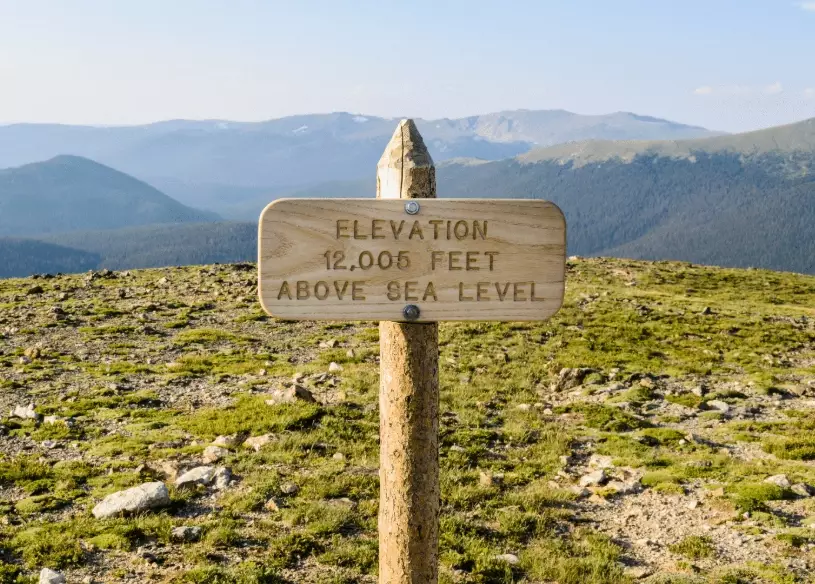
How to Recognize Altitude Sickness Symptoms
Knowing the signs is prevention too. It tells you to stop and rest. Altitude illness is a spectrum, from mild AMS to life-threatening HAPE and HACE.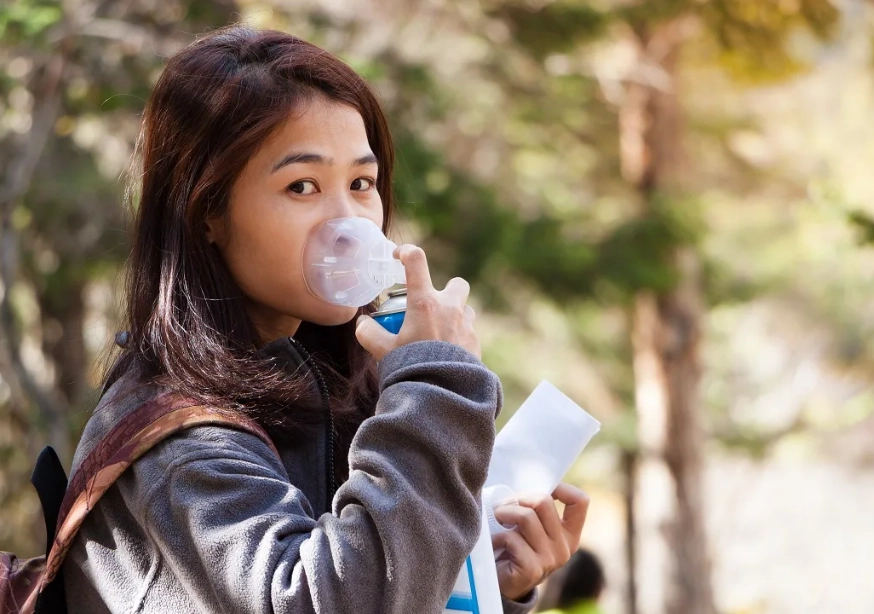
Acute Mountain Sickness (AMS): The common one. It feels like a bad hangover. Headache (the cardinal symptom), plus at least one of: nausea/vomiting, dizziness, fatigue, loss of appetite, difficulty sleeping.
High-Altitude Cerebral Edema (HACE): This is AMS gone severe. It's a swelling of the brain. Symptoms include: severe headache unrelieved by medication, confusion, loss of coordination (stumbling, can't walk a straight line), irrational behavior, vomiting, eventually coma.
High-Altitude Pulmonary Edema (HAPE): Fluid in the lungs. Symptoms: breathlessness at rest, a persistent dry cough that may become wet and pink/frothy, chest tightness, extreme fatigue, gurgling sounds in the chest, blue-tinged lips/nails.
The treatment for all three starts the same: Stop ascending. If symptoms are mild (AMS), rest at the same altitude until they resolve. If symptoms do not improve or are severe (HACE/HAPE), descend immediately. Even 500 meters can be lifesaving. Oxygen and medication (like Dexamethasone for HACE) are temporary measures to facilitate descent, not a substitute for it.