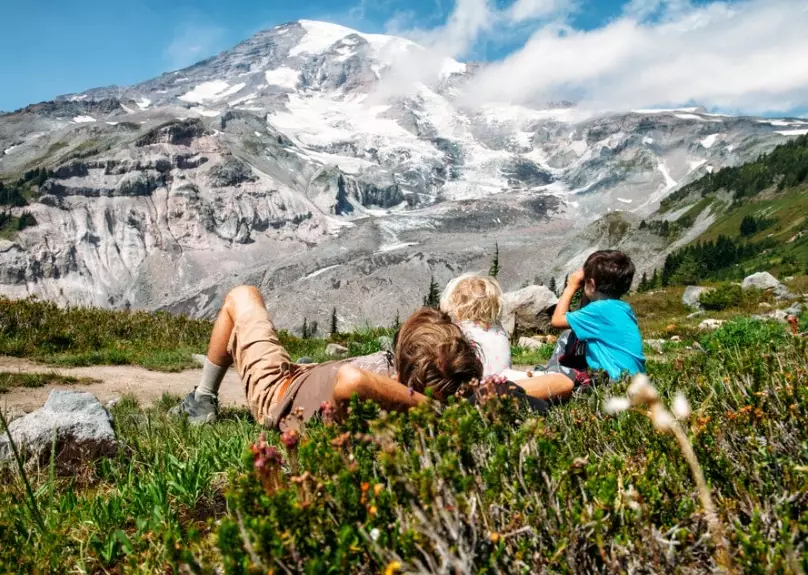
So you've decided to try hiking. Great choice. The fresh air, the views, the sense of accomplishment—it's fantastic. But let's be honest, scrolling through photos of epic mountain peaks can also spark a little anxiety. What if I get lost? What do I actually need to bring? Is this trail too hard for me? These worries stop a lot of people before they even start. The good news is that hiking safety for beginners isn't about being an expert survivalist; it's about a handful of smart, non-negotiable habits. I've been hiking for over a decade, and I've learned most of these lessons the hard way so you don't have to. This guide strips away the fluff and gives you the practical, actionable hiking safety tips you need to walk out the door with confidence.
What You'll Find in This Guide
Step 1: Plan and Prepare (The Most Important Step)
Your safety is decided long before you take your first step on the dirt. Rushing this stage is the number one mistake beginners make.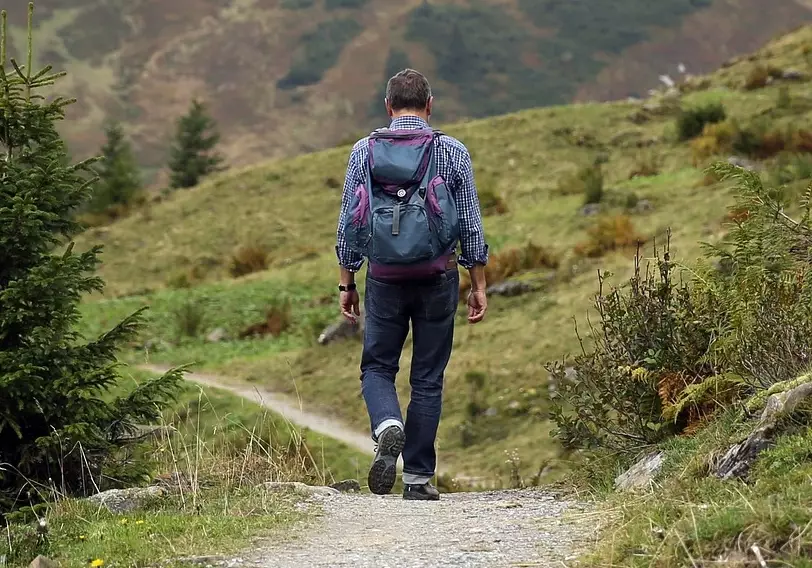
Research Your Trail Like a Pro
Don't just look at the distance. A "3-mile loop" could be a flat stroll or a brutal climb. Dig into the details on sites like AllTrails or official park websites. Look for the elevation gain—that's the total amount you'll climb. For your first few hikes, aim for less than 500 feet of gain per mile. Read recent reviews. Someone might mention that a bridge is out or that the trail is overgrown. Check if you need a permit or if parking fills up by 7 AM.
The Weather Check: Beyond the Forecast
Checking the weather the night before isn't enough. Mountain weather is fickle. Look at the forecast for the specific trailhead, not just the nearest town. Understand that temperature drops about 3-5°F for every 1,000 feet you climb. A sunny 75°F day in the valley can be a windy 55°F on the ridge. If there's any chance of thunderstorms, plan to be off exposed ridges and peaks by early afternoon.
Tell Someone Your Plan (The Forgotten Lifeline)
This is the simplest and most neglected safety rule. Text a friend or family member: the trail name, the specific route you're taking (e.g., "taking the Lakeside Trail to the summit, not the Ridge Cut-off"), your planned start time, and your expected return time. Tell them, "If you don't hear from me by 6 PM, call the park rangers." It feels overly cautious until the moment you need it.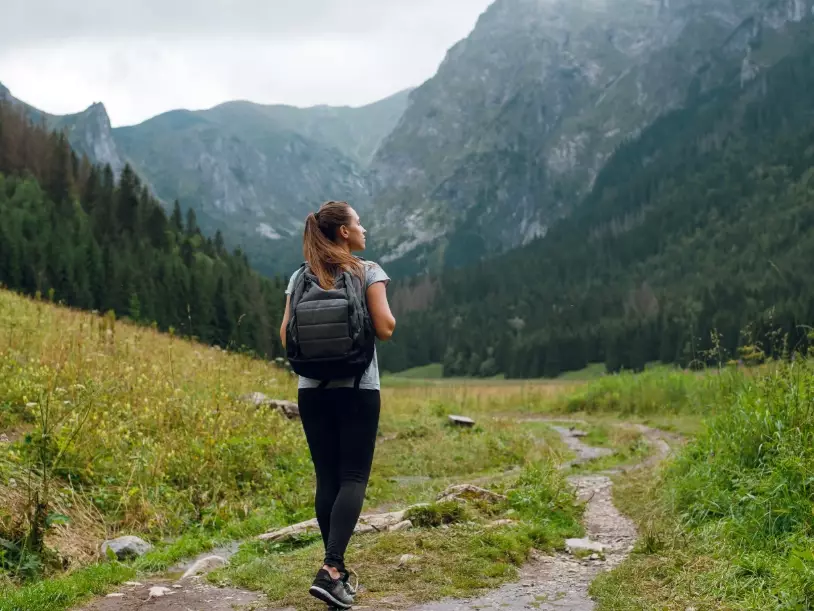
Your Beginner Hiking Gear Essentials
You don't need $500 worth of gear. You need the right gear. Think of this as a system, not a shopping list.
>Look for one with a hip belt—it transfers weight off your shoulders and prevents back pain.>Carry more water than you think. For a 2-3 hour hike, I bring at least 2 liters. Pack high-energy snacks like nuts, jerky, and a piece of fruit.>Your phone is a backup, not a primary tool. Bring a physical map and compass, and know how to read the map's basic landmarks.>A moisture-wicking base layer, an insulating mid-layer (fleece), and a waterproof/windproof outer shell.>Don't buy a bulky premade kit. Make a small one with bandages, blister pads, antiseptic wipes, pain relievers, and any personal meds.>Even on a day hike. Getting caught in the dark without light is terrifying and dangerous.>Sunscreen (SPF 30+), sunglasses, and a hat are non-negotiable, even on cloudy days.| Item | Why It's Essential | Beginner-Friendly Note |
|---|---|---|
| Footwear | Prevents blisters, provides ankle support, grips slippery surfaces. | Don't hike in running shoes on rocky trails. Get trail runners or hiking shoes. Break them in on short walks first. |
| Backpack (20-30L) | Carries all your safety and comfort items. | |
| Water & Food | Dehydration and low energy are the top causes of problems. | |
| Navigation | Prevents you from getting lost. | |
| Layers | Manages body temperature in changing conditions. | |
| First-Aid Kit | Treats minor injuries on the spot. | |
| Headlamp | Lets you see if your hike takes longer than planned. | |
| Sun Protection | Prevents sunburn and heat illness. |
The classic list calls these the "Ten Essentials," a concept popularized by climbing organizations. It's a perfect starting framework. Packing these items addresses 95% of the common issues you'll face.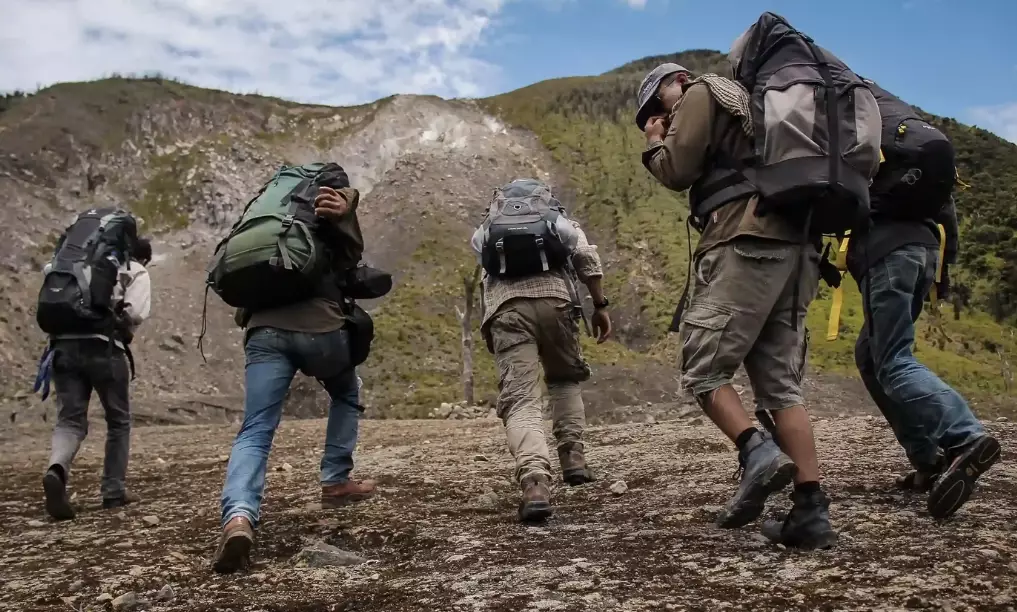
On the Trail: Smart Hiking Practices
Okay, you're prepped and on the trail. Now, how you hike matters just as much as what you brought.
Pacing: It's Not a Race
Start slow. I mean, embarrassingly slow. Your pace should allow you to hold a conversation without gasping for air. If you're breathing too hard to talk, you're going too fast and will burn out in the first mile. The goal is a steady, sustainable rhythm. Take short, frequent breaks (5 minutes every hour) rather than one long, exhausting stop.
Hydration and Nutrition: Don't Wait for Thirst
By the time you feel thirsty, you're already dehydrated. Take small sips of water every 15-20 minutes. Eat snacks before you're hungry—a handful of trail mix at your hourly break keeps your energy stable. The "bonk" (sudden, total energy loss) is real and miserable.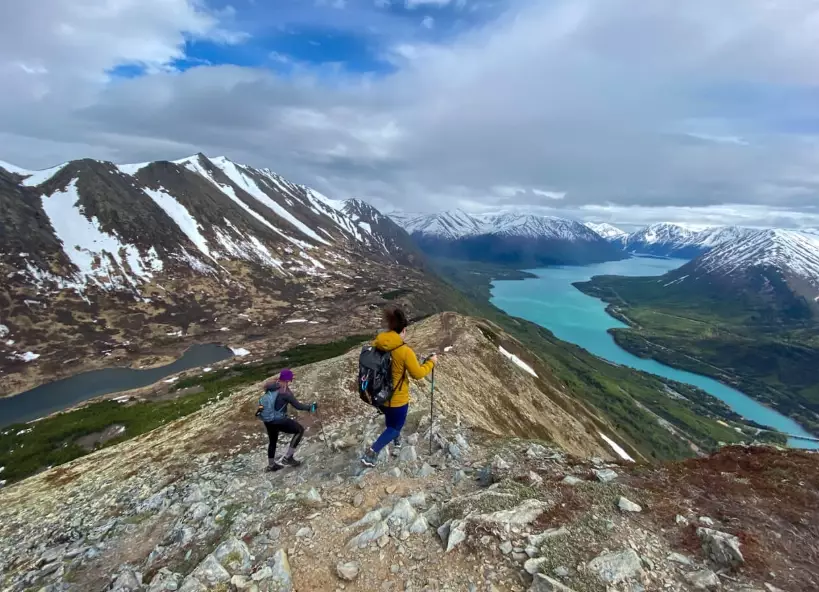
Navigation: Trust the Trail, Verify with the Map
Pay attention to trail markers (blazes on trees, cairns—stacks of rocks). If you haven't seen a marker in a while, stop. Pull out your map and locate yourself. Is the trail supposed to bend left here? Is that stream on your right where it should be? This constant, low-level checking prevents you from ever getting truly lost. If a trail junction is confusing, stop and figure it out immediately. Don't guess.
Wildlife and Environment
For most areas, wildlife safety is straightforward: give animals space, never feed them, and store your food properly. Research any specific concerns for your area (e.g., bear canister requirements in some national parks). More common is environmental respect: stay on the designated trail to prevent erosion, pack out every single scrap of your trash (including apple cores and peanut shells), and don't pick flowers or disturb rocks.
How to Handle Common Trail Emergencies
Even with perfect planning, things happen. Staying calm is your first tool.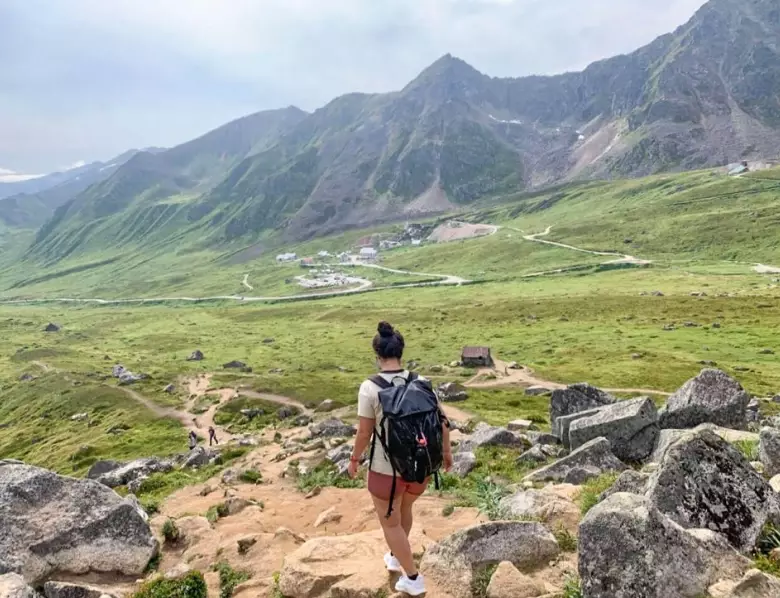
You're Lost: Stop. Don't wander. Remember the acronym STOP: Sit, Think, Observe, Plan. Retrace your mental steps. Can you find your last known location on the map? If not, and you told someone your plan, stay put. You are much easier to find if you're not moving. Use your whistle (three short blasts is the universal distress signal).
You're Injured (Sprained Ankle, Minor Cut): This is where your first-aid kit and extra layers pay off. Clean and bandage cuts. For a sprain, rest, ice (use a cold stream water pack if you have a bag), compress (with an ace bandage or even a spare shirt), and elevate. Can you walk out slowly? If not, and you're with others, one person can go for help while others stay with the injured hiker.
A Storm Rolls In: Get off high, exposed ground immediately. Avoid isolated tall trees, open fields, and water. Seek lower ground in a dense group of smaller trees. Put on your rain shell, and if lightning is close, crouch on your pack (or sleeping pad if you have it) to minimize contact with the ground.
You're Running Out of Daylight: This is why the headlamp is essential. If you're not prepared with light, your best move is to stop before full dark, find a safe spot off the trail, put on all your layers, and wait for morning. Wandering in the dark without light leads to falls and getting more lost.