Picture this. It's late June on a popular alpine route. The snow has melted, revealing a mess. The trail isn't a clear path anymore; it's a three-foot-wide braided network of muddy ruts where hikers skirted the worst of the muck. Water pools in the middle of the tread. Exposed roots trip the unwary.
This is the moment trail grooming moves from theory to critical, on-the-ground action. It's not just making things look nice. It's a deliberate act of ecological stewardship and user safety. Done wrong, you ruin the trail and the surrounding habitat. Done right, you create a resilient path that can handle hundreds of boots without widening or eroding.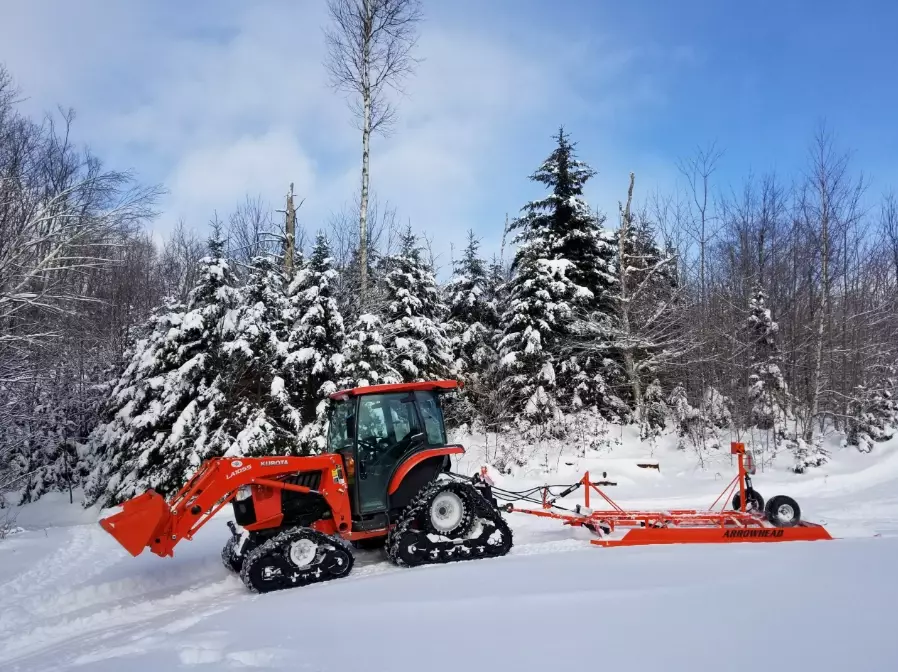
I've spent over a decade with shovels, McLeods, and even the seat of a small tractor, fixing trails from the Rockies to the Appalachians. The biggest lesson? Grooming is about understanding what the land wants, not forcing your idea of a perfect path onto it.
What's Inside: Your Trail Grooming Quick Reference
What is Trail Grooming (And What It Isn't)
Let's clear something up first. When most hikers hear "trail grooming," they think of wide, manicured ski slopes or the perfectly graded gravel paths in a city park. Mountain trail grooming is fundamentally different. It's not about creating a sterile, uniform surface.
Real mountain trail grooming has one core goal: to maintain a defined, sustainable tread that protects the surrounding ecosystem while providing a safe, enjoyable user experience. It's a balancing act. You're managing water, soil, vegetation, and human impact all at once.
It encompasses everything from clearing drainage ditches (water bars) after a storm to manually resetting stepping stones across a creek. In winter, it means packing snow for snowshoeing or setting a skin track for ski tourers. In summer, it's about addressing soil erosion, trimming back vegetation that's narrowing the sightlines, and repairing damage from off-trail use.
The philosophy from groups like the International Mountain Bicycling Association (IMBA) and the U.S. Forest Service's trail guides emphasizes "minimum tool, maximum effect." You do just enough to solve the problem, not a stroke more.
The Essential Grooming Toolkit: From Hand Tools to Machines
The tools you need depend entirely on the scale of the job. A volunteer weekend with a local hiking club requires a different kit than a parks department maintaining 50 miles of trail.
Here’s a breakdown of the workhorses of trail grooming, from simple to complex.
| Tool Type | Best For | Key Considerations |
|---|---|---|
| McLeod | The ultimate multi-tool. Rake side for loosening soil and clearing debris. Flat hoe side for grading and tamping. | Indispensable for finish work. The go-to for shaping the trail's outslope (the slight angle that sheds water). |
| Pulaski | Heavy-duty work. Axe head for cutting roots and small logs, adze head for digging and grubbing. | Essential for building or repairing water bars and check dams. Tough on the arms, but unmatched for power. |
| Rogue Hoe | Clearing vegetation and loosening compacted soil with less effort than a McLeod. | The curved head gets under roots and rocks efficiently. A favorite for trail crews doing long days of tread work. |
| ATV/UTV with Drag | Maintaining fire roads or wide, non-technical trails. The drag levels loose material and breaks up clumps. | Easy to overuse. Can create a "bathtub" effect if the trail isn't properly outsloped first. Good for maintenance, not for fixing major problems. |
| Walk-Behind Tiller/Power Rake | Rehabilitating severely compacted or rocky sections of trail. Breaks up hardpan and mixes in new aggregate. | Requires skill. Can destroy soil structure if used when the ground is too wet. A powerful tool for specific problems. |
| Compact Tractor | Large-scale projects: hauling gravel, digging major drainage, moving boulders for retaining walls. | Access is a major constraint. Can cause more damage than it fixes if operated without careful planning and a skilled operator. |
My personal rule? Always start with hand tools. They force you to understand the trail's micro-contours. I've seen tractor operators blithely grade a beautiful, natural outslope right into a water-collecting ditch because they were moving too fast to see it.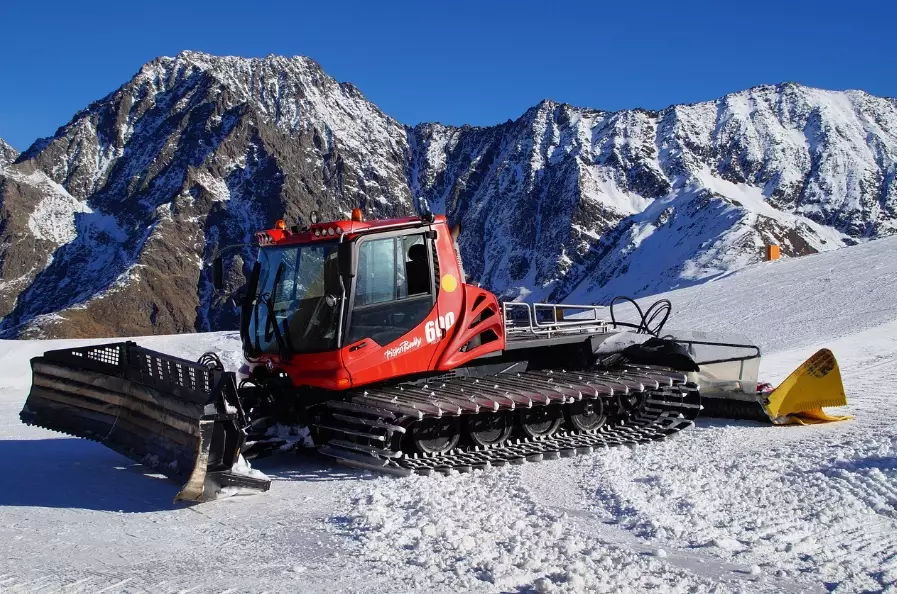
A Season-by-Season Grooming Guide
Grooming isn't a one-and-done summer task. The needs of a trail change dramatically with the weather.
Spring (The Assessment & Drainage Season)
This is the most critical time. The ground is thawing, saturated, and vulnerable.
Priority #1: Walk the trail and look for water. Where is it running down the trail instead of across it? Clear every single water bar, ditch, and culvert. This is non-negotiable. A clogged drain is a trail-killer.
Priority #2: Note problem areas—deep ruts, muddy bogs, braided sections—but don't work the soil yet. Flag them. The soil is too wet. Working it now compacts it into concrete. Your job in spring is to get the water off the trail and document what needs fixing later.
Summer (The Repair & Tread Season)
Once the soil has dried to a "moist cookie dough" consistency (it holds a shape but doesn't glisten), you can address the problems you flagged.
- Fill ruts with mineral soil (not organic topsoil).
- Re-establish the tread width and outslope.
- Trim back vegetation that's narrowing the corridor to a defined width (usually 18-24 inches for single-track).
- This is when you do your major rock work, like building or repairing retaining walls and steps.
Fall (The Preparation Season)
Get the trail ready for winter and the next spring melt.
Clear drains one more time after leaf fall. Add a light layer of crushed rock or gravel to high-traffic, vulnerable sections (like approaches to stream crossings) to armor them against winter freeze-thaw cycles. Inspect and tighten any wooden structures like bridges or boardwalks.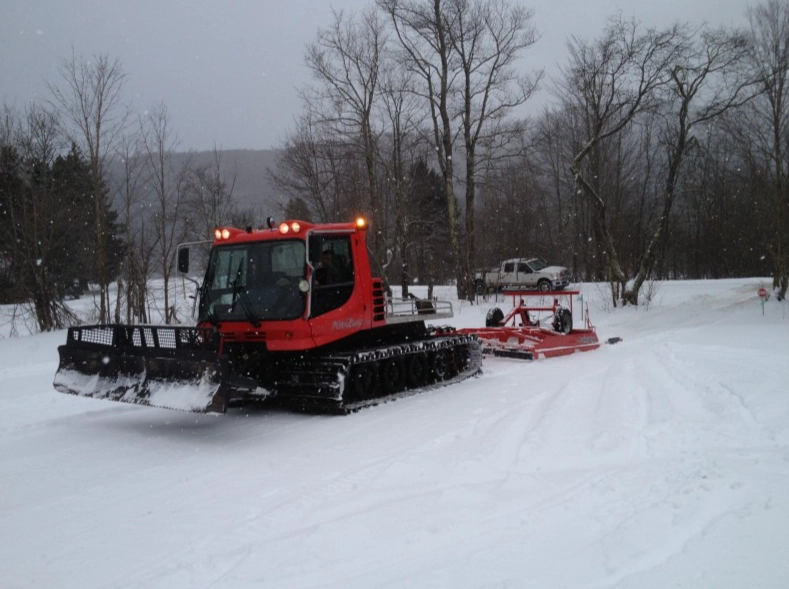
Winter (The Snow Grooming Season)
This is a specialized world. For hiking and snowshoe trails, the goal is to set a track, not flatten everything. Using snowshoes or a dedicated snowmobile-pulled track setter, you create a firm, defined path. The key is consistency and letting the snow settle after a storm before grooming. For shared-use trails, clearly separate ski tracks from snowshoe/walking corridors.
The 3 Most Common Grooming Mistakes (And How to Avoid Them)
These are the errors I see repeated by well-meaning volunteers and even some pros.
1. The "Highway" Effect: Over-grooming a narrow trail into a wide road. This happens when you clear vegetation too far back on each side or grade the tread too wide. It invites users to walk side-by-side, further widening the trail, and increases the area of impacted soil. Fix: Maintain a clear but narrow corridor. Use logs, rocks, or dense vegetation to visually define the edge and keep users on the durable tread.
2. The "Bathtub" Effect: Creating a perfectly flat or inwardly sloped trail tread. This turns your trail into a gutter that collects and channels water, guaranteeing erosion. Fix: Always build in a 2-5% outslope. Water should sheet off the trail, not run down it. Use a clinometer or just train your eye—the slope should be just noticeable.
3. The "Cosmetic" Clear-Cut: Removing every obstacle, like small rocks and roots. These are often nature's armor, protecting the soil beneath. Removing them exposes soft soil to erosion. Fix: Only remove true trip hazards. If a rock or root is stable and flush with the tread, leave it. It's part of the trail's structure.
The Sustainable Grooming Philosophy
Modern trail grooming, as advocated by the U.S. Forest Service and leading trail associations, is moving towards a more holistic view. It's not just about the tread under your feet.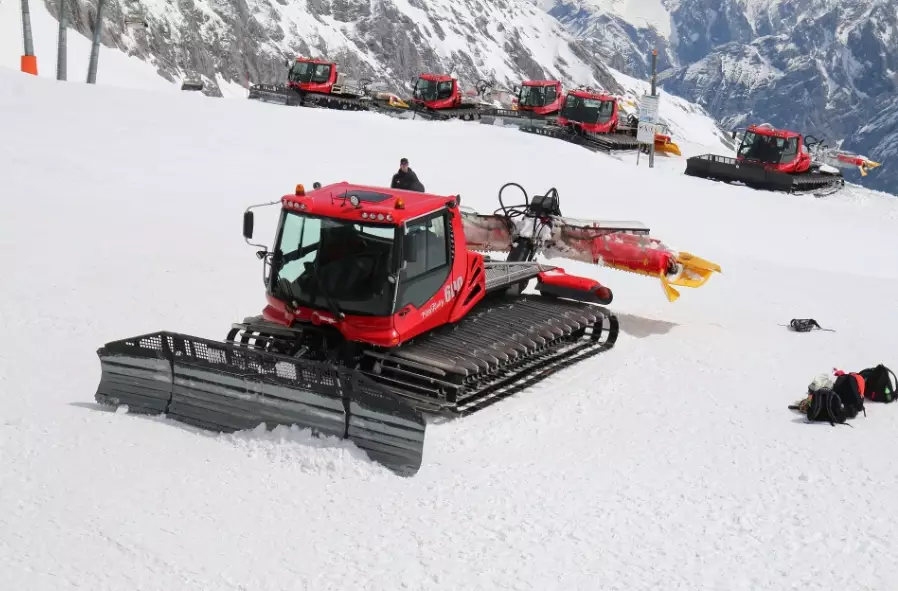
It's about using locally-sourced, durable materials for repair work. It's about designing trails from the start with sustainable grades and alignments that minimize the need for heavy grooming later. It's about understanding that sometimes, the best action is to close and restore a badly damaged section and reroute the trail to a more sustainable location.
The gold standard is a trail that feels natural, challenges the user appropriately, and after a light grooming session after a storm, looks like it's always been there, perfectly in sync with the landscape. That doesn't happen by accident. It happens with a rake, a shovel, and a lot of careful thought.
Trail Grooming Deep Dive: Your Questions Answered
What's the biggest mistake people make when grooming a muddy trail?
The instinct is to grade and smooth it out immediately. That's often the worst thing you can do. Working on saturated soil compacts it, destroying its structure and creating a hardpan that repels water and kills roots. The correct approach is to first install proper drainage—water bars, rolling dips, or outsloping—to get the water off the trail. Let the trail dry to a "moist cookie dough" consistency before doing any surface work. I've seen trails ruined in a single season by over-enthusiastic grooming during spring thaw.
Can I use a regular ATV for basic trail grooming, or do I need a specialized vehicle?
A standard utility ATV with a tow hitch is a great starting point for volunteer groups or small land managers. You can pull a drag, a harrow, or a small roller. The limitation is power and weight. For consistent results on compacted soil or for breaking up thick vegetation, you'll hit the ATV's limits quickly. A UTV (side-by-side) with more horsepower and a hydraulic system for powered attachments like rotary cutters or tillers is the next step. For serious, frequent grooming on longer trails, a compact tractor or a dedicated trail groomer like a Prinoth or PistenBully becomes necessary. It's a progression based on scale, frequency, and soil conditions.
 How often should a high-use hiking trail be groomed in the summer season?
There's no fixed schedule; it's about monitoring and responding. After a major rain event, check for ruts and drainage. After a busy holiday weekend, look for braiding (new trails forming alongside the main one) and soil compaction. A general rule for a moderate-use trail is a walk-through inspection every two weeks and light grooming (clearing drainage, tamping down loose edges) monthly. Heavy grooming—full-width grading, redefining the tread—might only happen once or twice a season, ideally in late spring after the ground has dried and in early fall to prepare for winter. The goal is minimal effective intervention.
Is it true that sometimes the best grooming is doing nothing at all?
Absolutely. This is a hard lesson for eager new trail stewards. In sensitive alpine or wetland areas, mechanical grooming can cause irreversible damage. Sometimes, the most sustainable practice is to define the trail with clear markers and durable surfacing (like rock steps) at the entry points, and then let foot traffic naturally find the most resilient line. Over-grooming can widen a trail unnecessarily, fragmenting habitat. If a social trail appears in a fragile area, the best "grooming" might be actively restoring it: covering it with native duff and logs, and redirecting traffic to the durable, intended route.