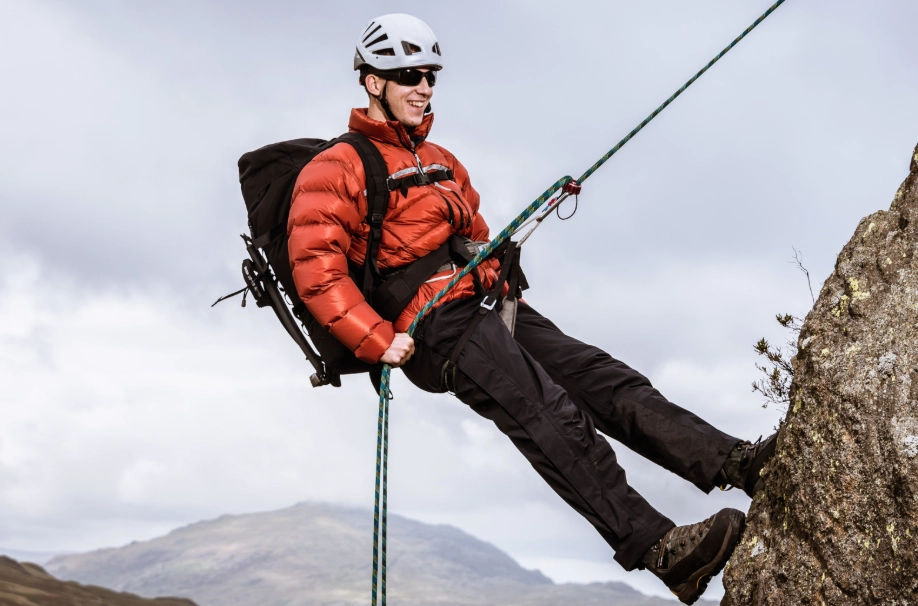
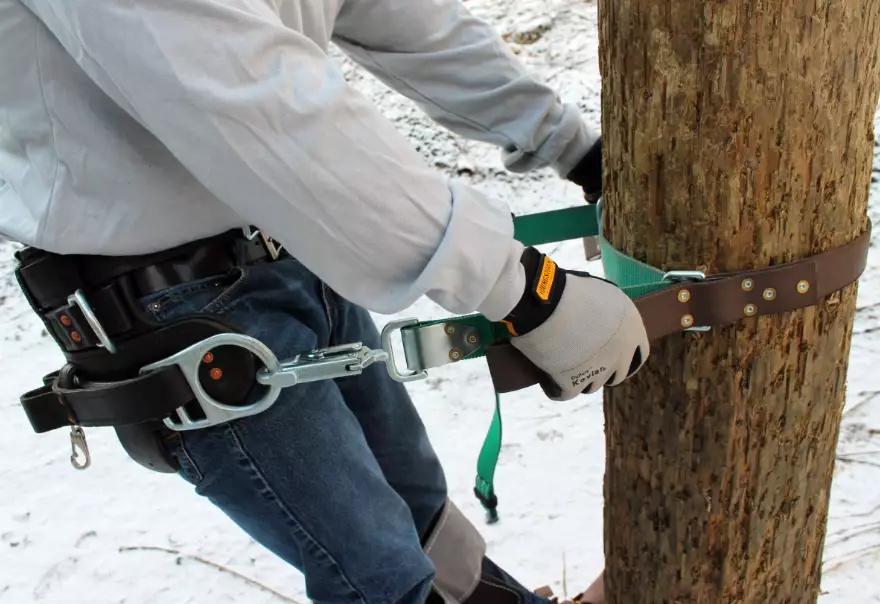
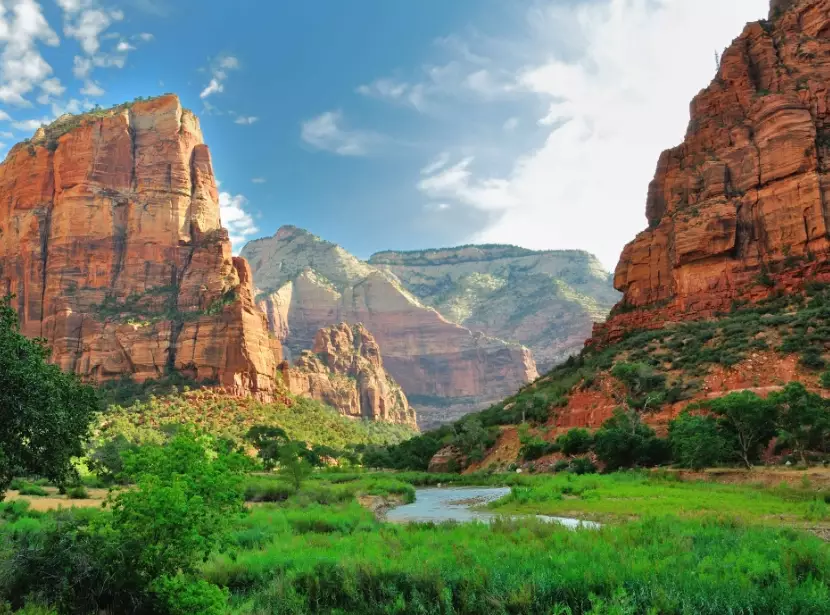
I still remember my first solo camping trip. The excitement was real. I drove for hours, found a perfect spot by a lake, and then realized I'd forgotten the tent poles. A bundle of fabric and a very long, uncomfortable night in the car later, I learned a brutal lesson: a camping gear list isn't a suggestion; it's a survival blueprint.
Since that disaster, I've spent over a decade refining my system. I've camped in desert heat, mountain cold, and everything in between. The goal isn't to pack your entire garage, but to bring exactly what you need—nothing more, nothing less. Forget those generic lists with 100 items. Let's build a smart, adaptable camping checklist that actually works.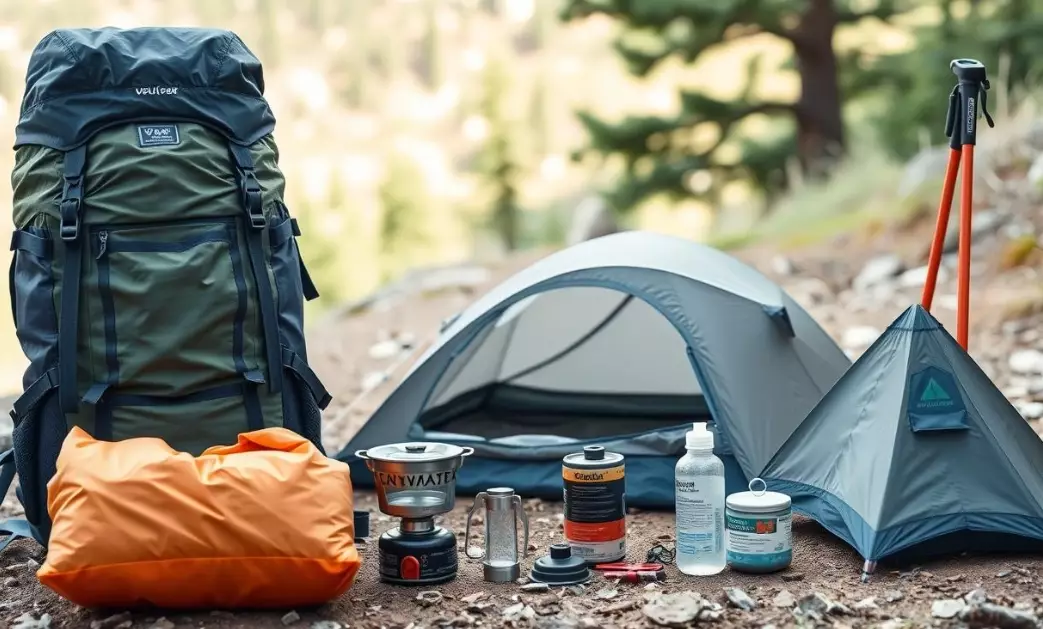
What's Inside This Guide
The Mindset: Core Principles of a Smart Gear List
Before we dive into specific items, let's get the philosophy right. A great backpacking gear list or car camping checklist follows three rules.
The Multi-Use Rule: Every item should ideally have at least two functions. A bandana is a towel, a pot holder, a sun shield, and a pre-filter for muddy water. A trekking pole can be a tent pole in a pinch. This thinking slims down your pack fast.
The Redundancy Rule (Selectively): For critical safety items—fire, water, navigation—have a backup. Two light sources. Two fire starters. A physical map and a digital one. For comfort items? One is usually enough.
The Weight-to-Comfort Ratio: This is personal. Are you willing to carry an extra 2 pounds for a comfy camp chair? Maybe for car camping, but never for a 10-mile backpacking trip. Always ask: "What does this item cost me in weight, and what's the comfort return?"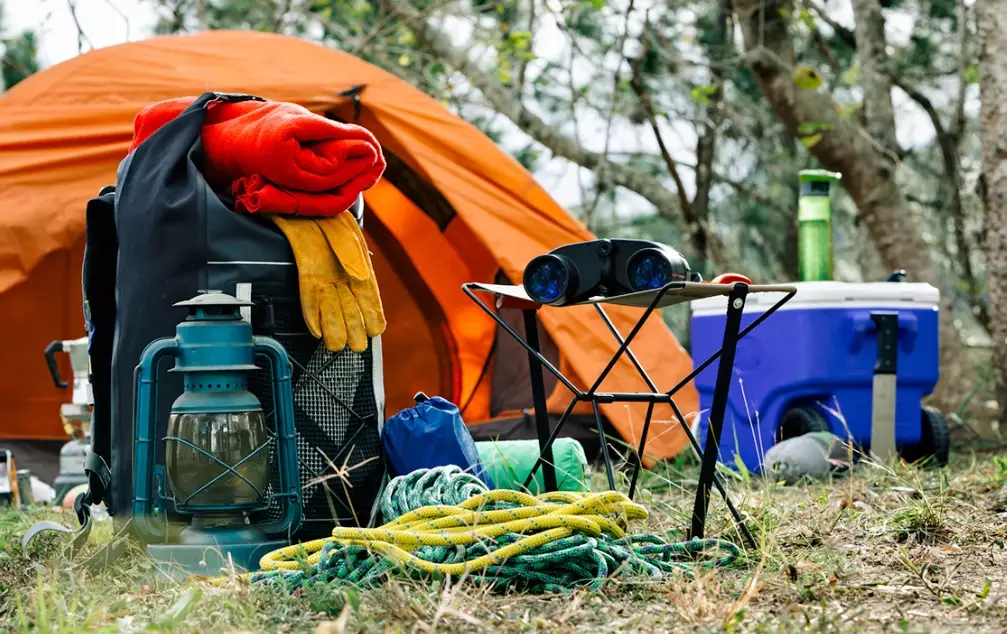
The Non-Negotiables: Your Core Camping Gear Essentials
This is the foundation. Miss one of these, and your trip gets complicated or unsafe. I've broken it down by system, not just a random list.
1. Shelter & Sleep System: Your Mobile Bedroom
This is where most of your budget and thought should go. A bad night's sleep ruins everything.
- Tent: Focus on capacity (always add 1 person to the rating), season rating (3-season is perfect for most), and weight. A common mistake? Not checking the packed size. That "4-person" tent might not fit in your trunk with all your other stuff.
- Sleeping Bag: The temperature rating is a survival limit, not a comfort rating. If you expect nights at 30°F (-1°C), get a bag rated for 20°F (-7°C). Down is lighter and packs smaller but dies when wet. Synthetic is bulkier but cheaper and still warm when damp.
- Sleeping Pad: This isn't just comfort; it's insulation. The ground sucks heat from you. An inflatable pad offers great comfort and R-value (insulation rating), while a foam pad is bombproof and cheap. I often bring both in winter.
2. Kitchen & Hydration: Fueling the Adventure
You'll be hungry. Be ready.
| Item | Pro-Tip & Why It's Essential |
|---|---|
| Stove & Fuel | Canister stoves are easiest for beginners. For colder weather, consider a liquid fuel stove. Always test your stove at home first. |
| Pot & Pan Set | A single 1.5L pot with a lid can boil water and cook meals. Non-stick coating is a lifesaver for cleanup. |
| Water Filtration | Never rely solely on boiling. A Sawyer Squeeze filter or Katadyn pump is lightweight insurance against giardia. Carry a backup purification method (tablets/drops). |
| Utensils & Mug | A long-handled spork and an insulated mug are game-changers. That morning coffee tastes better when your hands aren't burning. |
| Biodegradable Soap | For cleaning dishes and hands. Use it 200 feet away from any water source. Dr. Bronner's is a classic multi-use option. |
3. Clothing & Layering: Mastering the Art of Staying Dry
Cotton is rotten. Remember that. It absorbs moisture and loses all insulating power. Stick to synthetic fabrics (polyester, nylon) or wool.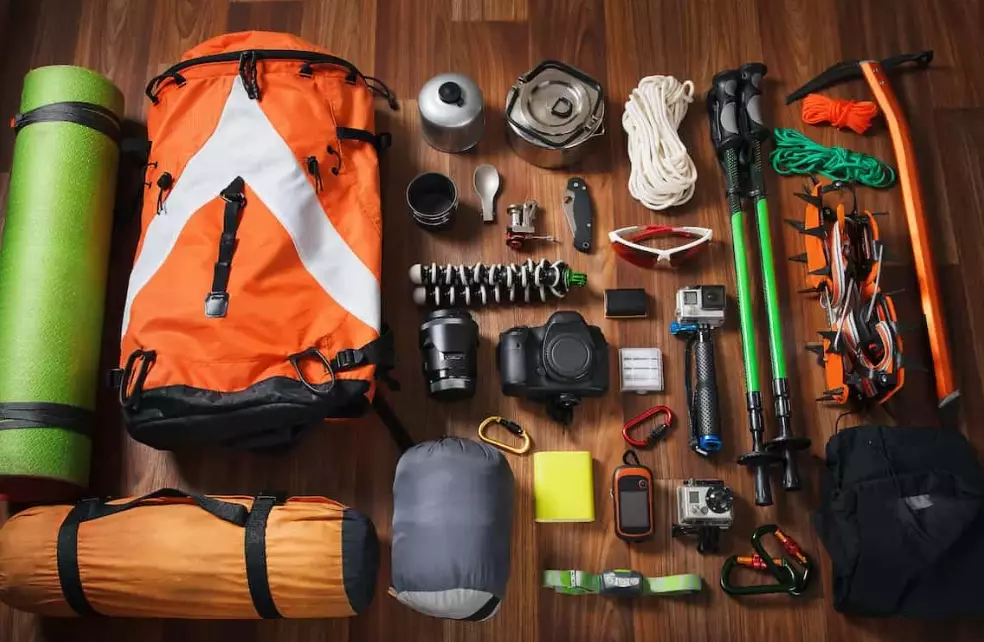
Always pack one complete set of dry clothes (especially socks) sealed in a plastic bag. This is your emergency reset button if you get soaked.
4. The "Oh Crap" Kit: Safety & Navigation
This stuff lives in a dedicated, easy-to-reach pouch.
- Headlamp (with extra batteries). Hands-free light is non-negotiable.
- First-Aid Kit: Don't buy a pre-made mini one. Build your own with bandages, blister care (moleskin is magic), antiseptic wipes, pain relievers, and any personal meds.
- Fire Starter: Waterproof matches and a butane lighter. Keep them in separate bags.
- Navigation: A physical map of the area and a compass—and know how to use them. GPS phones fail.
- Multi-tool or Knife: For repairs, food prep, a hundred little tasks.
How to Adapt Your List: Season, Location & Duration
A summer weekend by the car is a different beast than a 5-day fall backpacking trip. Here’s how your camping checklist morphs.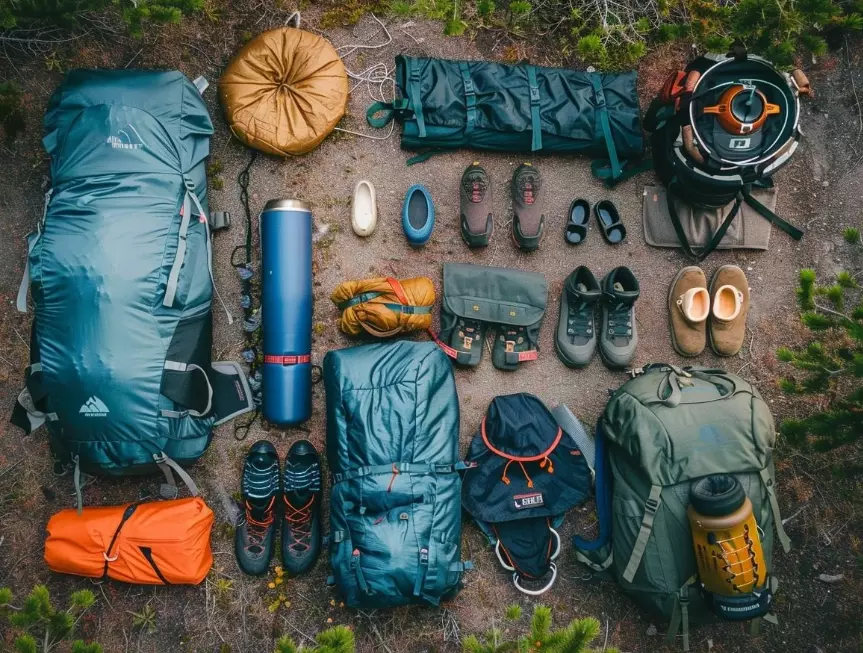
Summer Car Camping: This is where luxury lives. You can add that camp chair, a cooler for real food, a larger tent, and even a solar shower. The weight penalty is low because your car carries it.
Fall/Spring Backpacking: The focus shifts to weight and weather preparedness. Swap the heavy chair for a lightweight sit pad. Your sleeping bag rating becomes critical. Add a warmer hat, gloves, and consider a sleeping bag liner for extra warmth. A tent with a solid rainfly is a must.
Desert vs. Mountain: For desert trips, water capacity is your #1 priority. I carry two 3-liter bladders instead of one. Sun protection (wide-brim hat, long sleeves, high-SPF sunscreen) is paramount. In the mountains, prepare for rapid weather shifts. A warm layer and a rain shell should always be in your daypack, even if the morning is sunny.
Packing Hacks That Save Space and Sanity
How you pack is as important as what you pack.
Use stuff sacks or packing cubes by category: kitchen bag, clothes bag, sleep system bag. Color-code them. In the dark, you don't want to be digging for your headlamp in the food bag.
Roll your clothes, don't fold them. It saves space and reduces wrinkles.
Line your backpack with a heavy-duty trash compactor bag. It's the cheapest, most effective waterproof liner you can buy. Everything inside stays dry.
Pack your sleeping bag at the bottom of your backpack. It's usually the last thing you need at camp and the first thing you pack in the morning. Heavy items (stove, food, water) should be close to your back and centered in the pack for better balance.
Common Gear Mistakes (And How to Avoid Them)
I've made most of these so you don't have to.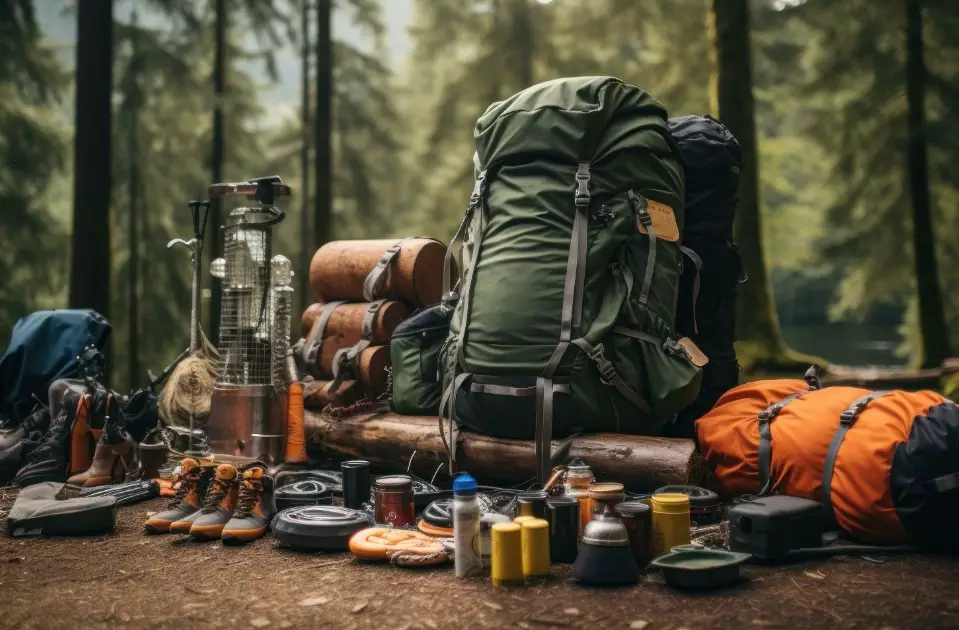
Forgetting a Repair Kit: A small roll of duct tape (wrap some around your water bottle or trekking pole), a few safety pins, and some paracord can fix a torn tent, broken strap, or malfunctioning zipper.
Overpacking Food: You eat more at home than you think on trail. For a weekend trip, you don't need 12 gourmet meals. Simple, calorie-dense foods like nuts, oatmeal, and dehydrated meals work best. The U.S. Forest Service has great guidelines on safe food storage to avoid attracting wildlife.
Never Testing Gear Before the Trip: That new tent? Set it up in your backyard. The new stove? Boil some water. Break in those new boots on a local walk. The campsite is not the place for surprises.
Your Camping Gear Questions, Answered
 Is going "ultralight" worth the hype and expense for a beginner?
The perfect camping gear list is a living document. It evolves with every trip. You'll add things (I now never go without a small foam sit pad), and you'll leave things behind (goodbye, giant camp pillow). Print this list, scribble on it, make it yours. The goal isn't to pack your fears, but to pack your confidence. Now get out there.