Packing for a 4-day camping trip feels like a puzzle. Bring too little, and you're miserable. Bring too much, and your back hates you. I learned this the hard way on a trip where I forgot a can opener and spent 20 minutes trying to stab a can of beans with a pocket knife. Not fun. After a decade of camping everywhere from state parks to remote backcountry, I've refined my list to the bare essentials that guarantee comfort and safety without the kitchen sink.
This isn't just a generic list. It's a system. We'll break down exactly what you need, why you need it, and how to pack it smartly for a three-night, four-day adventure. Whether you're car camping at a developed site or hiking a short distance to a primitive spot, this guide has you covered.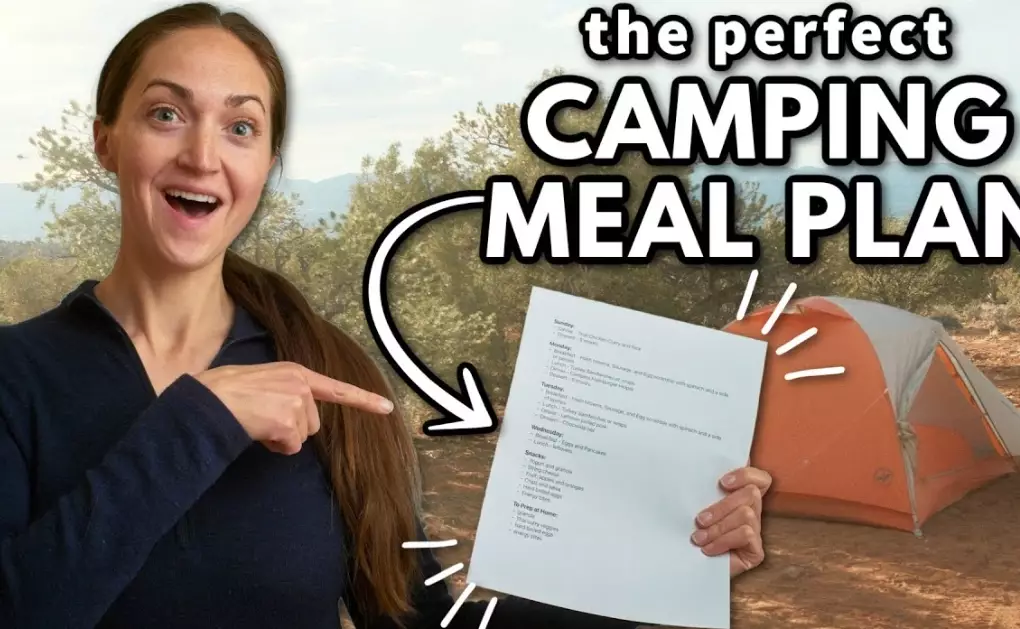
Your Camping Trip Roadmap
Shelter & Sleep System: Your Home Base
This is where your trip is made or broken. A bad night's sleep ruins everything. Don't just grab any tent and sleeping bag.
The Tent: For 4 days, you want reliability, not an ultralight race tent. A 3-season, freestanding tent like the MSR Hubba Hubba or REI Co-op Half Dome is perfect. Make sure it has a full-coverage rainfly. Practice setting it up in your backyard first. Trust me, you don't want to learn this in the dark with a headlamp in your mouth.
Sleeping Bag & Pad: Your bag's temperature rating should be at least 10°F (5°C) lower than the coldest expected temperature. A 20°F (-6°C) bag is a versatile choice. The pad is more important than the bag for warmth—it insulates you from the cold ground. An inflatable pad like a Therm-a-Rest NeoAir offers great comfort and R-value (insulation rating). Skip the thin foam ones unless you're a masochist.
Pillow & Extras: A compressible camping pillow is worth every ounce. Also, a small battery-powered lantern for the tent interior beats fumbling with a headlamp.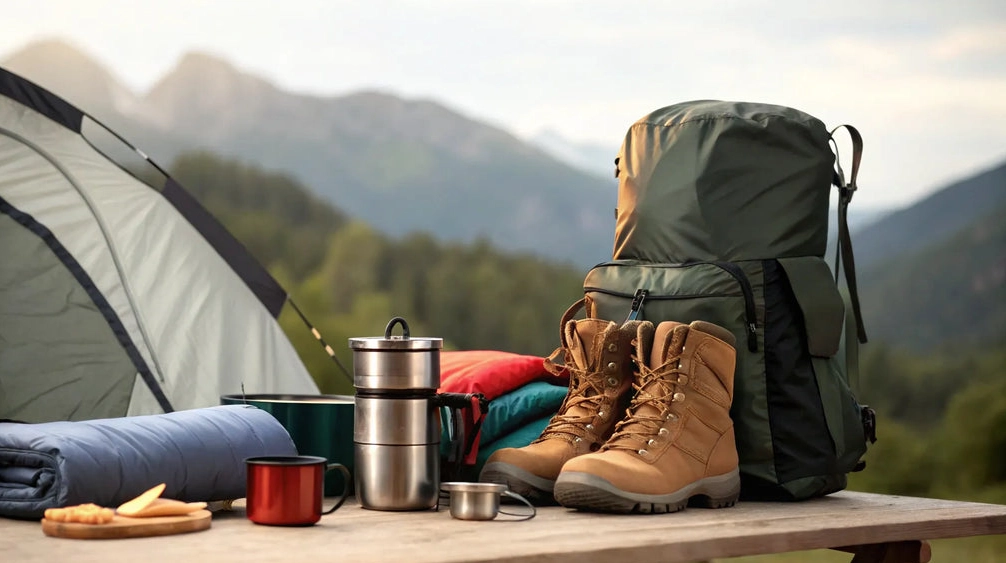
The Camp Kitchen: Fueling Your Adventure
You'll be hungry. Plan meals that are simple, hearty, and require minimal cleanup. Here’s a solid 4-day food plan framework.
| Day | Breakfast | Lunch | Dinner |
|---|---|---|---|
| Day 1 | Oatmeal with nuts (pre-mixed at home) | Sandwiches (eat on arrival) | Pre-made chili, reheated |
| Day 2 | Granola & powdered milk | Wraps with tuna packet & cheese | Pasta with shelf-stable sauce & sausage |
| Day 3 | Breakfast bars & fruit | Leftover pasta | Foil packet meals (veggies & protein) |
| Day 4 | Last of the oatmeal | Snack-style lunch for the road | — |
Gear Checklist:
- Stove & Fuel: A classic canister stove (like the Jetboil Flash or MSR PocketRocket) is foolproof. Calculate one small 100g fuel canister per person for 4 days of boiling water and simple cooking.
- Pot & Pan: One 1.5-liter pot with a lid is enough for 2 people. A non-stick frying pan is nice but not essential.
- Utensils & Tools: Spork, sharp knife, quick-dry camp towel, biodegradable soap, sponge, and a collapsible sink for washing. A lightweight French press or pour-over coffee maker is a luxury that feels necessary.
- Water: Two 1-gallon jugs for camp plus one 1-liter bottle per person for day hikes. A Sawyer Squeeze water filter is a safety net if you have a water source nearby.
- Food Storage: A bear-resistant canister is mandatory in many wilderness areas. Elsewhere, a sturdy rat-proof container like a Vittles Vault works. Never, ever leave food in your car or tent.
Clothing & Layering: Be Ready for Anything
The biggest mistake? Packing too many cotton t-shirts and jeans. They hold moisture and get cold. You need a layering system.
The Base Layer (Wicking)
Merino wool or synthetic tops and bottoms. Pack two sets. They manage sweat and stay warm even when damp.
The Mid Layer (Insulation)
A fleece jacket or a lightweight puffy (like a Patagonia Nano Puff). This is your main warmth layer around camp.
The Outer Layer (Shell)
A waterproof and breathable rain jacket with hood. Non-negotiable. Rain pants are a wise addition if the forecast is iffy.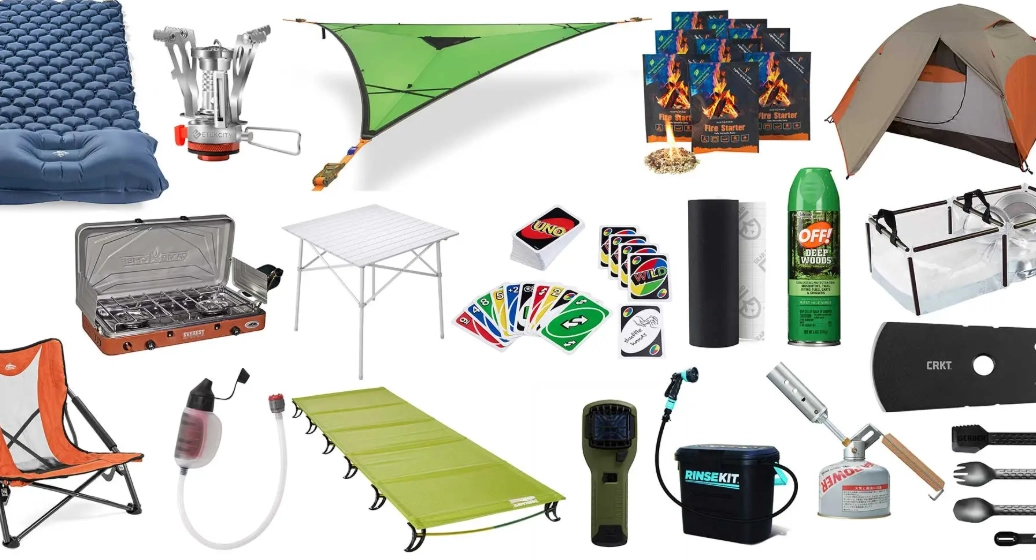
Bottoms & Extras
One pair of quick-dry hiking pants, one pair of shorts. Two pairs of hiking socks (merino wool), one pair of camp socks. A warm beanie and a sun hat. Sunglasses. Don't forget camp shoes—Crocs or lightweight sandals are game-changers after a day in boots.
Essentials & Safety: The Non-Negotiables
This stuff stays in your pack, always. It's boring until you need it, then it's everything.
- Navigation & Light: A physical map and compass (and know how to use them), plus a GPS or phone with offline maps (like Gaia GPS). A headlamp with extra batteries. A small backup flashlight.
- First-Aid Kit: Don't buy a pre-made mini kit. Build one with adhesive bandages, blister treatment (moleskin!), antiseptic wipes, gauze, medical tape, pain relievers, antihistamines, and personal medications.
- Fire & Repair: Waterproof matches, a lighter, and a fire starter. Include that duct tape, multi-tool, and some paracord.
- Sun & Bug Protection: High-SPF sunscreen, lip balm with SPF, and insect repellent with DEET or picaridin. A head net can save your sanity in bug season.
- Emergency Shelter: A lightweight emergency bivvy or space blanket. Weighs nothing, could save your life if you get stranded.
Always check the specific regulations and conditions for your destination, like on the National Park Service website for park alerts.
How to Pack It All: The Tetris Game
If you're car camping, use plastic storage bins. Label them: Kitchen, Food, Camp Essentials. It keeps your car organized and makes setting up camp a breeze.
If you're backpacking even a short distance, weight distribution is key. Heavy items (food, stove, water) go in the middle of your pack, close to your back. The sleeping bag goes at the bottom. Rain gear and layers you might need quickly go in the top lid or outer pockets. Use compression sacks for your clothes and sleeping bag to save space. Before you go, put on your fully loaded pack and walk around the block. Any uncomfortable pressure points? Fix them now, not on the trail.
My personal rule: Lay out everything you think you need. Then, remove one-third of it. You almost always pack too many "just in case" items.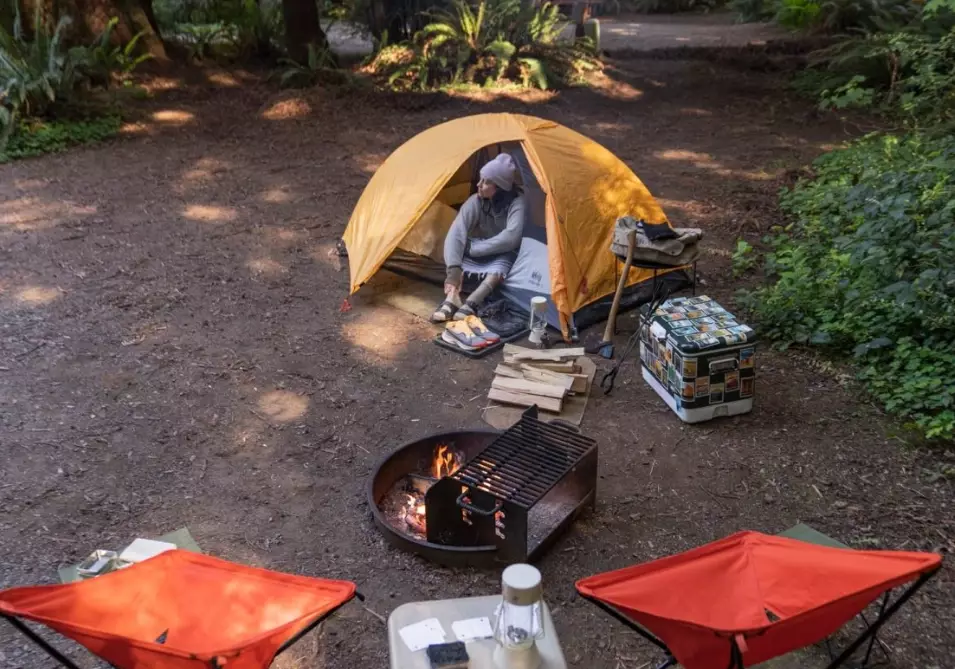
Your Camping Questions, Answered
What's the one piece of gear most first-timers forget for a 4-day trip?
How do I keep my food cold for 4 days without ice melting?
Is it okay to wear the same hiking clothes for multiple days?
What's a common packing mistake that makes camping harder?
How much water should I really plan for per person, per day?