Let's be real, most of us just grab a banana and hope for the best. I did that for years. Then I plateaued hard on V6. My fingers felt weak, my sessions ended with a foggy brain, and recovery took forever. Turns out, treating bouldering like a casual workout is the fastest way to stall your progress. Bouldering is a series of max-effort, explosive bursts. It torches your glycogen stores, fries your central nervous system, and creates micro-tears in your muscles and tendons. Your body needs specific fuel to handle that. This isn't about getting ripped for the beach; it's about giving your body the raw materials to generate power, focus intensely, and rebuild stronger.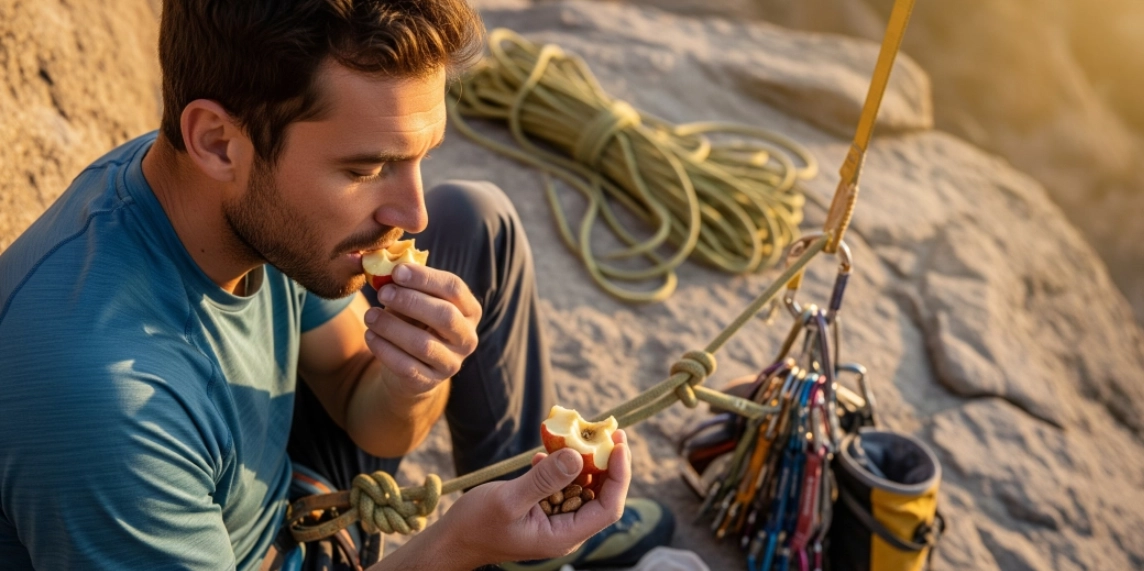
Your Quick Beta
Why Bouldering Nutrition is Different
You're not running a marathon. The energy demand is acute and intense. The primary fuel for hard, short bouldering moves is adenosine triphosphate (ATP) and creatine phosphate, which rely heavily on carbohydrates for regeneration. If your glycogen (stored carbs) is low, your power output drops. It's that simple. But there's a subtle mistake I see all the time: climbers who eat a huge, fiber-heavy meal right before climbing. You feel full, maybe even energized, but all your blood is in your gut trying to digest that kale salad, not in your forearms and brain where you need it. The goal is to be fueled, not full.
Think of it this way: Your body is a high-performance sports car. You wouldn't put low-grade fuel in it and expect to win a drag race. Bouldering is the drag race of climbing. You need premium fuel, delivered at the right time.
The Three Phases of Fueling: Before, During, After
Timing is everything. Let's break down what to focus on in each part of your climbing day.
1. Pre-Climb (1-3 Hours Before)
This is your foundation meal. Aim for a moderate portion that's high in easily digestible carbohydrates, has some protein, and is low in fat and fiber. Fat and fiber slow digestion, which can lead to stomach discomfort mid-crux.
Solid Options (if you have 2-3 hours):
- Oatmeal with a scoop of protein powder and berries.
- A turkey and avocado sandwich on whole wheat bread (go light on the avocado).
- Rice bowl with grilled chicken and some steamed veggies.
Last-Minute Top-Up (30-60 minutes before): If you're short on time, go for fast-digesting carbs and minimal bulk.
- A banana or an apple.
- A rice cake with a thin spread of almond butter.
- A small serving of dried fruit (like dates).
2. During Your Session
For sessions under two hours, water is usually enough. But for those long, project-focused days at the gym or crag, you need to replenish. The trick is to consume before you feel the energy crash or brain fog.
Every 45-60 minutes, have a small bite. We're talking 20-30 grams of carbs. This isn't a meal; it's a tactical refuel.
- My personal go-to: a medjool date stuffed with a little almond butter. It's nature's energy gel.
- Other great options: a handful of gummy bears (seriously, simple sugars work fast), a few crackers, or a half of a sports drink.
Avoid heavy protein bars mid-session. They're great for recovery but sit in your stomach during climbing. I made this mistake with a popular "high-protein" bar once and felt sluggish for the next hour.
3. Post-Climb Recovery (The Golden Hour)
This is the most critical window most climbers ignore. Your muscles and tendons are screaming for nutrients to start repairs. Within 30-60 minutes after your last attempt, get a mix of protein and carbs in your system.
Protein provides amino acids to rebuild muscle and tendon fibers. Carbs replenish glycogen and help shuttle those amino acids into the muscles.
Fast & Effective Options:
- A protein shake with a banana blended in.
- Greek yogurt with honey and granola.
- Chocolate milk (it's a classic recovery drink for a reason).
Then, follow up with a balanced whole-food meal 1-2 hours later.
Macros & Micros: The Building Blocks
Understanding what each nutrient does helps you make better food choices beyond just following a list.
| Nutrient | Primary Role for Bouldering | Top Food Sources |
|---|---|---|
| Carbohydrates | Primary fuel for high-intensity moves. Spares protein for repair. | Oats, sweet potatoes, rice, quinoa, fruits (bananas, berries), whole-grain bread. |
| Protein | Repairs muscle & tendon micro-tears. Crucial for recovery and adaptation. | Chicken, fish (salmon, tuna), eggs, Greek yogurt, lentils, tofu, protein powder. |
| Fats | Long-term energy, hormone production, joint health. Consume away from session time. | Avocado, nuts & seeds, olive oil, fatty fish. |
| Iron | Carries oxygen in blood. Fatigue and weakness can be a sign of low iron. | Red meat, spinach, lentils, fortified cereals. |
| Calcium & Vitamin D | Bone strength and density. Critical for preventing stress fractures. | Dairy, leafy greens, fortified plant milks (Vitamin D from sun/fatty fish). |
| Zinc & Magnesium | Involved in hundreds of enzyme reactions, including protein synthesis and nerve function. Magnesium can aid with muscle relaxation and sleep. | Nuts, seeds, legumes, whole grains, dark chocolate. |
Hydration: The Non-Negotiable
Even 2% dehydration can significantly impair strength and cognitive function. You're not just sweating; you're losing water through respiration with every heavy breath on the wall.
The Strategy: Drink consistently throughout the day, not just at the crag. Your urine should be light yellow. During your session, sip water every 15-20 minutes. For intense, sweaty outdoor days in heat, consider an electrolyte mix or tablet in your water to replace lost sodium and potassium. A pinch of salt in your water bottle can work in a pinch.
Putting It Together: A Sample Day of Bouldering Nutrition
Let's say you have a project session planned for 4 PM at the local crag.
- 8 AM Breakfast: Scrambled eggs (2) with spinach and a slice of whole-wheat toast. Hydrate with a big glass of water.
- 12 PM Lunch (3-4 hours before): A bowl with quinoa, grilled chicken breast, roasted broccoli, and a tahini dressing. Moderate portion.
- 3:15 PM Pre-Climb Snack (45 min before): A banana.
- During Session (starting at 5 PM): Sip water constantly. At 5:45 PM, eat two medjool dates.
- 6:30 PM Immediate Recovery: A whey protein shake mixed with water and a dash of tart cherry juice (for antioxidants).
- 8 PM Dinner: Baked salmon, a large sweet potato, and a big side salad with olive oil dressing. Focus on replenishing and repairing.
Your Bouldering Nutrition Questions, Answered
Should I eat during a bouldering session, even if it's only 90 minutes?
If you had a solid pre-climb meal and you're feeling strong, you might get away with just water. But if you start to feel your power fading or your focus drifting—what climbers call "the fuzzies"—that's your signal. Have a few bites of simple carbs. It's better to prevent the crash than to try to climb out of it.
I'm trying to lose a bit of weight to improve my strength-to-weight ratio. How do I manage nutrition without killing my performance?
This is a tightrope walk. The biggest mistake is cutting calories too drastically on climbing days. You'll have no energy. Instead, create a smaller deficit on rest days by slightly reducing portion sizes, especially carbs and fats. On climbing days, eat at maintenance or even a slight surplus to fuel and recover properly. Prioritize protein to maintain muscle. Never climb in a fasted state if you're aiming for max power.
 Are energy bars and gels good for bouldering?
They can be convenient, but read the labels. Many bars are high in protein and fiber, making them poor intra-climb choices but good for recovery. Gels are pure fast carbs, which can be useful mid-session, but they can also cause a sugar spike and crash for some people. I find real food like dates or a piece of fruit gives a more sustained release without the weird aftertaste or stomach issues some gels cause.
How important is the post-climb meal if I'm not hungry?
Crucially important. After intense exercise, your body is primed to absorb nutrients, but your appetite can be suppressed due to adrenaline and fatigue. This is where a liquid recovery option shines. Force down a shake or some chocolate milk. You're not eating for hunger; you're eating to signal your body to start the repair process. Skipping this often leads to excessive soreness and a longer recovery before your next quality session.
 Do I need to take supplements for bouldering?
Food first, always. However, a few can be helpful if your diet is lacking. A quality protein powder makes post-climb nutrition easy. Vitamin D3 is recommended for most people, especially if you climb indoors or live in northern latitudes, for bone and immune health. Creatine monohydrate is one of the most researched supplements and has been shown to increase strength and power in short-duration, high-intensity activities—like bouldering. It also may have cognitive and recovery benefits. It's not a magic pill, but it's one of the few with solid evidence for our sport.