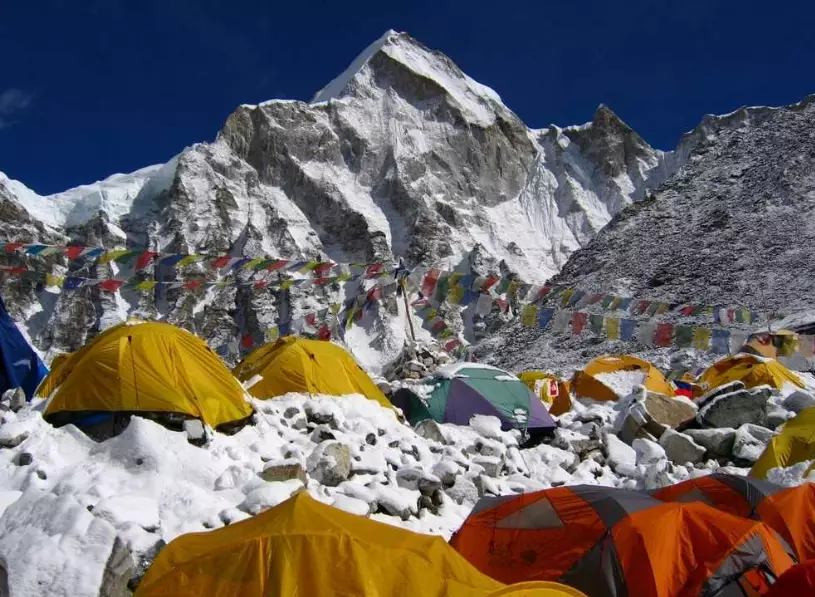
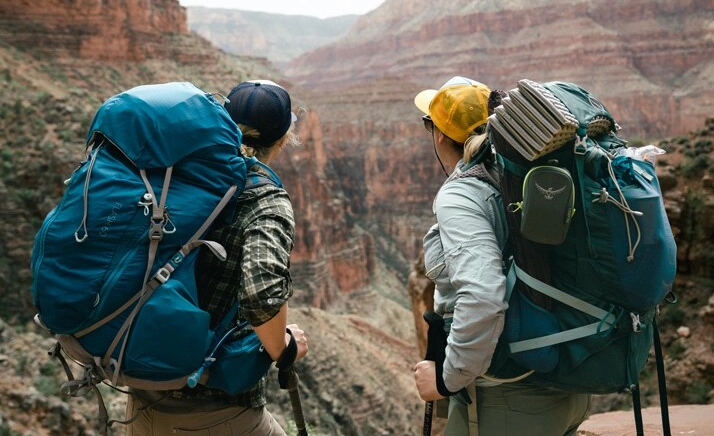
You've booked the trek of a lifetime to Machu Picchu, Kilimanjaro, or maybe the Himalayas. The excitement is real. Then, a nagging thought creeps in: what about altitude sickness? Is it just a bad headache you can power through, or something more serious? Let's cut to the chase. Yes, altitude sickness is dangerous. It can range from a miserable inconvenience to a genuine, life-threatening medical emergency. But here's the crucial part: with the right knowledge and preparation, its risks are almost entirely manageable. This isn't about scaring you off the mountain; it's about equipping you to enjoy it safely.
What You'll Find in This Guide
The Spectrum of Danger: From AMS to HACE
Altitude sickness isn't one thing. It's a progression, and understanding the stages is key to understanding the danger. Think of it as a warning system from your body.
Acute Mountain Sickness (AMS): The Common Warning Sign
This is what most people experience. It's your body saying, "Hey, I'm struggling with this thin air." Symptoms usually hit within 6-12 hours of ascent.
The classic signs are headache, nausea, dizziness, fatigue, and loss of appetite. It feels like a bad hangover combined with jet lag. Now, AMS itself, while miserable, isn't immediately life-threatening. The danger lies in ignoring it. Pushing higher with untreated AMS is the single biggest trigger for the severe, deadly forms.
A Quick Symptom Check
If you have a headache plus one of the following (nausea/vomiting, fatigue, dizziness, trouble sleeping) after a recent ascent, you likely have AMS. Stop ascending, rest, and hydrate.
High-Altitude Pulmonary Edema (HAPE): When Your Lungs Fill With Fluid
This is where things get serious. HAPE is a buildup of fluid in the lungs, preventing oxygen from getting into your bloodstream. It can develop from AMS or strike seemingly on its own.
Watch for these signs: A dry cough that becomes wet and frothy, extreme shortness of breath even at rest (you can't finish a sentence without gasping), a feeling of tightness or congestion in the chest, and lips or fingernails turning blue (cyanosis). Fatigue becomes overwhelming.
HAPE is a true emergency. Without immediate descent and medical treatment, it can be fatal within hours. I've seen fit, young climbers airlifted off mountains because they dismissed a worsening cough as "just a cold."
High-Altitude Cerebral Edema (HACE): The Brain Under Pressure
This is the most severe and lethal form. Fluid builds up in the brain, causing it to swell inside the skull.
Symptoms include a severe, unrelenting headache that medication doesn't touch, loss of coordination (ataxia—stumbling, unable to walk a straight line heel-to-toe), confusion, irrational behavior, and eventually, loss of consciousness.
HACE can progress rapidly. A climber who was joking at dinner can be comatose by morning. This is why the mountaineering adage exists: "If you think you might have HACE, you already do." Any sign of ataxia or mental change at altitude means immediate, rapid descent is non-negotiable.
| Condition | Key Symptoms | Level of Danger | Immediate Action |
|---|---|---|---|
| Acute Mountain Sickness (AMS) | Headache, nausea, dizziness, fatigue. | Moderate (A warning sign) | Stop ascent, rest, hydrate. Consider descent if no improvement. |
| High-Altitude Pulmonary Edema (HAPE) | Severe shortness of breath at rest, wet cough, chest tightness, blue lips. | High (Life-threatening) | Immediate descent is the primary treatment. Supplemental oxygen and medication (nifedipine) are critical. |
| High-Altitude Cerebral Edema (HACE) | Severe headache, loss of coordination (ataxia), confusion, vomiting, coma. | Very High (Life-threatening) | Immediate and rapid descent. Dexamethasone and oxygen are vital. This is a race against time. |
Who Gets Hit Hardest? (It's Not Who You Think)
Here's a non-consensus point that many blogs miss: Fitness does not equal altitude tolerance. In fact, very fit individuals are often at higher risk because they ascend too quickly, pushing their bodies before they've acclimatized. Their cardiovascular fitness masks the early signs of strain.
The primary risk factor is the rate of ascent. Flying directly to a high-altitude city like Cusco (3,400m) or Lhasa (3,650m) puts you at immediate risk. Driving to a high trailhead too fast does the same.
Past history of altitude sickness is a strong predictor. If you got sick on a Colorado 14er, you'll likely get sick in the Andes unless you manage your ascent carefully.
Underlying medical conditions like heart or lung problems can be exacerbated, but surprisingly, age isn't a consistent factor—older adults sometimes acclimatize more patiently and thus more successfully than gung-ho youngsters.
Your Practical Prevention Plan: More Than Just "Go Slow"
Everyone says "ascend slowly." That's good, but vague. Here’s what that actually looks like on a real trip, with specifics most guides gloss over.
The Golden Rules of Ascent
- Above 3,000 meters (10,000 feet), don't increase your sleeping altitude by more than 300-500 meters (1,000-1,600 feet) per day. This is the single most effective rule. Plan your itinerary around this.
- Take a rest day every 3-4 days, or after a big ascent. Sleep at the same altitude. Your body needs this pause to catch up.
- Climb high, sleep low. It's an old mountaineering trick. If you day-hike to a higher point, return to a lower altitude to sleep. This aids acclimatization without increasing risk.
Hydration and Diet: The Overlooked Details
Drink water, yes. But the goal is clear, copious urine, not just sipping occasionally. Dehydration thickens your blood, making altitude symptoms worse.
Here’s a subtle mistake: over-hydrating with plain water can flush out electrolytes, causing its own problems (hyponatremia). Include some electrolytes in your fluids.
Eat carbs. Your body metabolizes them more efficiently in low-oxygen environments. Even if you're not hungry (a common AMS symptom), force down some crackers, oatmeal, or energy bars.
Medication: Acetazolamide (Diamox)
This prescription medication can help prevent AMS by speeding up acclimatization. It's not a magic pill that lets you ignore the ascent rules. Common side effects include tingling in fingers/toes and carbonated drinks tasting flat. Start it 24-48 hours before ascent and continue for the first 2-3 days at altitude. Talk to a doctor who understands travel medicine.
Warning: Do not use sleeping pills or narcotic pain relievers (like strong prescription opioids) at altitude. They can depress your breathing and mask worsening symptoms, turning a manageable situation into a dangerous one.
Recognizing Trouble and Knowing When to Act
The most dangerous thing you can do is downplay symptoms or let group pressure push you higher when you should stop.
The Lake Louise Score (LLS) is a simple, widely used tool. It assigns points to symptoms (headache, GI issues, fatigue, dizziness) and functional ability. A score of 3-5 indicates mild AMS; 6+ indicates moderate to severe AMS, necessitating no further ascent.
But forget the numbers for a second. Use this simpler rule of thumb: If you feel worse, go down. If symptoms are improving, it's okay to rest. If they are static or worsening, you must descend. Even a descent of 300-500 meters can bring dramatic improvement.
Carry a pulse oximeter if you want data. Resting oxygen saturation (SpO2) below 85% at altitudes above 3,000m is a concern and correlates with poor acclimatization. But don't rely on it alone—how you feel is the ultimate guide.
On guided trips, speak up. Good guides are trained to assess this, but they aren't mind readers. Telling your guide "I have a pounding headache and just vomited" is critical information, not a sign of weakness.
Your Altitude Sickness Questions, Answered
The final word? Respect the altitude, but don't fear it. The danger is real but predictable. By understanding the spectrum of illness, knowing your personal risk, and having a concrete, conservative plan for ascent, you transform a potential hazard into a manageable aspect of your adventure. Your dream trip doesn't have to end in a clinic or worse. It can be the safe, awe-inspiring experience you imagined, as long as you listen to your body and prioritize safety over summit fever.