Let's cut straight to the chase. The death rate on Mount Everest is lower than you probably think, yet the mountain remains profoundly dangerous. That's the paradox. For decades, the narrative has been one of extreme peril, often fueled by dramatic media coverage of disasters. But if you look at the raw numbers from the Himalayan Database, the most authoritative source for climbing statistics in the region, a more nuanced picture emerges. Since the first ascent in 1953 through the 2023 season, approximately 6,664 different people have reached the summit. During that same period, 330 people have died on the mountain. This gives us an overall fatality rate of just under 5% for all climbers who attempt the peak.
But here's where most articles get it wrong. That 5% figure is almost meaningless. It's an average that smooths over the terrifying spikes in risk. Your personal risk on Everest isn't defined by a seventy-year average. It's defined by the route you choose, the season you climb, the team you're with, and—most critically—the decisions you make above 8,000 meters, in the so-called "Death Zone."
I've spent over a decade talking to guides, Sherpas, and returning climbers. The consistent theme isn't just about the objective hazards like avalanches or crevasses. It's about the subtle, cumulative effect of poor judgment under extreme hypoxia. A mistake that would be trivial at sea level becomes fatal at 8,500 meters. This article isn't meant to scare you away, but to replace fear with understanding. We'll dissect where the real dangers lie, how the death rate has changed, and what you can actually do to stack the odds in your favor.
What's Inside This Guide
How the Everest Death Rate is Really Calculated
You'll see numbers tossed around everywhere—1 in 100, 4%, 6.5%. The confusion stems from the denominator. Are we talking about deaths per summit attempt? Per total number of people on the mountain (including support staff)? Per expedition? The most common and useful metric is the death-to-summit ratio. This compares the total number of deaths to the total number of successful summits. Using the Himalayan Database figures (1953-2023), that's 330 deaths vs 6,664 summiteers, resulting in a ratio of about 1 death for every 20 summits, or a 4.95% rate.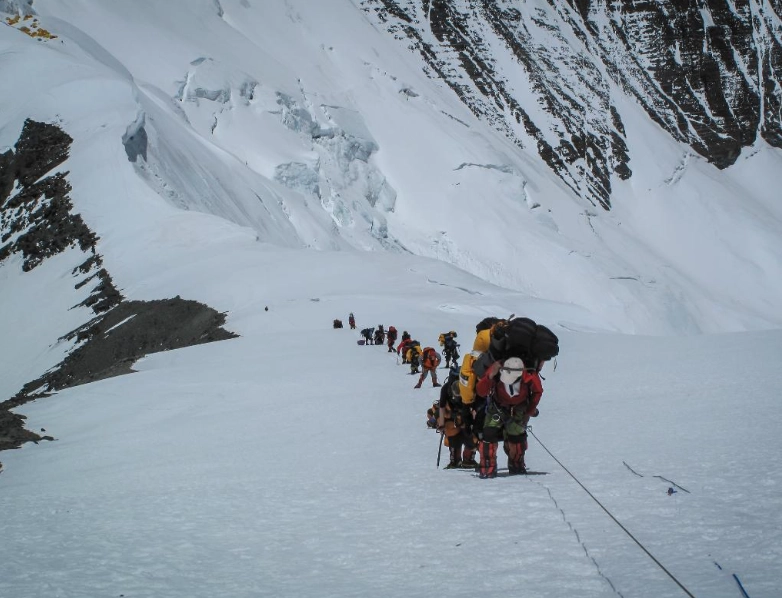
But there's a darker, more telling statistic: the death-to-attempt ratio. Not everyone who tries summits. Many turn back. If we estimate total attempts (a trickier number to pin down), the death rate as a percentage of all who set foot on the mountain with intent to climb is significantly lower, likely between 1-2%. This highlights a crucial survival strategy: turning around is the most powerful risk mitigation tool you have.
A mistake I see in amateur analysis is ignoring the role of experience. Data from researchers like Raymond Huey, published in analyses of the Himalayan Database, shows that climbers on their first 8000m peak have a significantly higher death rate than those with prior experience. The mountain filters out the unprepared in a brutal, final way.
The Deadliest Zones on Everest: A Step-by-Step Breakdown
Risk on Everest isn't evenly distributed. It's concentrated in specific, infamous sections. Think of the climb not as a uniform slope, but as a series of gates, some far more dangerous than others.
The Khumbu Icefall: The Unpredictable Gauntlet
This is the statistical leader in causing fatalities. A constantly shifting river of ice, it's littered with crevasses and towering seracs—ice cliffs that can collapse without warning. The Icefall Doctors (a team of elite Sherpas) work tirelessly to install and maintain a ladder-and-rope pathway through this maze, but it remains the most dangerous part of the South Col route objectively. Most deaths here are due to avalanches or ice collapse. The risk is so well-known that climbers aim to pass through it as few times as possible, often in the pre-dawn cold when the ice is most stable.
The Death Zone: Where Your Body Eats Itself
Above 8,000 meters, the atmospheric pressure is so low that your body cannot acclimatize further. You are literally dying. Cells deteriorate, cognitive function plummets, and appetite vanishes. The death rate spikes here not from one specific obstacle, but from the cumulative effect of exhaustion, hypoxia, and poor decision-making. Climbers develop High Altitude Cerebral Edema (HACE) or Pulmonary Edema (HAPE), or they simply become too weak to descend. This is where the "summit fever" phenomenon—ignoring turning-back time—becomes a death sentence.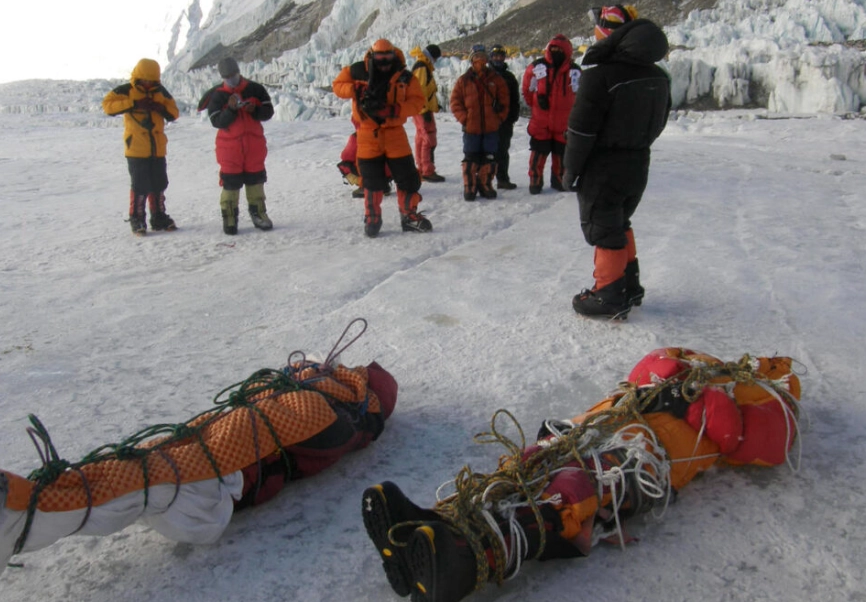
The Hillary Step and the Summit Ridge: The Traffic Jam Problem
This near-vertical 12-meter rock step just below the summit has become a notorious bottleneck on busy summit days. While technically not the hardest climbing on the route, the delay it causes can be lethal. Waiting for an hour in -30°C weather at 8,800 meters burns precious oxygen and body heat, pushing climbers into a dangerous deficit for the descent. Since the 2019 season, reports indicate the step has changed due to rockfall, becoming somewhat easier but still a critical chokepoint.
| Danger Zone | Primary Risks | Risk Mitigation Strategy |
|---|---|---|
| Khumbu Icefall | Avalanche, ice collapse, crevasse fall | Cross at night/dawn, move quickly, limit number of crossings |
| Death Zone (Above 8000m) | HACE/HAPE, exhaustion, hypoxia-induced poor judgment | Strict turn-around time, adequate oxygen supply, climb high sleep low acclimatization |
| Summit Ridge & Hillary Step | Exposure, falls, delays causing oxygen/fuel depletion | Choose less crowded summit window, have oxygen buffer, maintain pace |
| Descent (All areas) | Most deaths occur on descent due to depleted resources | Conserve 50% of energy/oxygen for the descent, team accountability |
Is the Death Rate Going Up or Down? The Modern Risk Profile
This is a hot debate. On one hand, technology and knowledge have made climbing safer. Better insulated boots, lighter oxygen systems, and detailed weather forecasts from companies like Meteotest are huge advantages. On the other hand, the perception of commercialization has led to concerns about inexperienced climbers being "dragged" up by guides, potentially increasing accidents.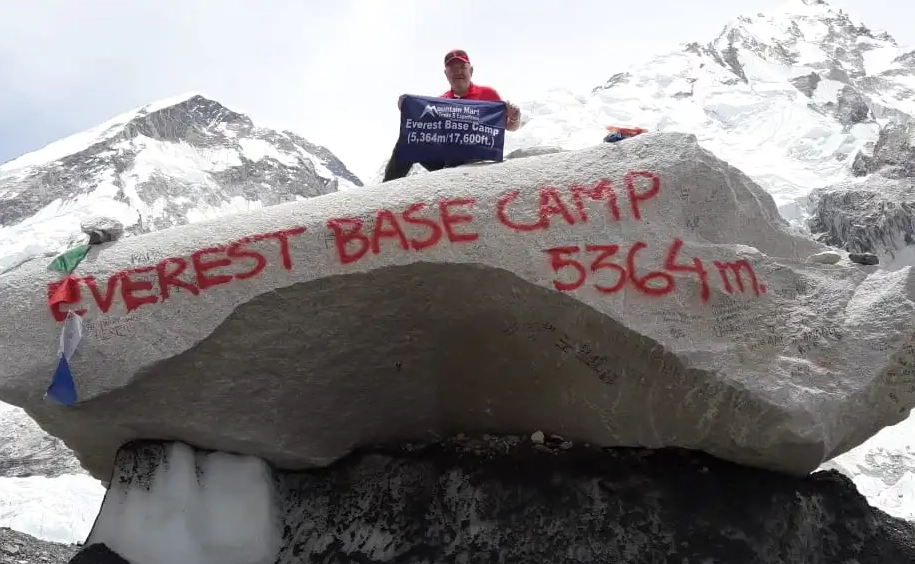
The data suggests a complex story. According to a long-term trend analysis, the death rate per summit has actually decreased since the 1990s, the era of commercial guiding. However, the absolute number of deaths in single events can be higher due to the larger number of people on the mountain when disaster strikes, like during the 2014 Icefall avalanche or the 2015 earthquake.
One positive shift is the professionalization of the Sherpa guiding community. Their expertise in route-setting, risk assessment, and high-altitude rescue is now unparalleled. Climbers who listen to their Sherpa team have a dramatically better survival rate. The tragic counterpoint is that Sherpas themselves bear a disproportionate share of the risk, spending more time in dangerous areas like the Icefall to prepare the route for clients.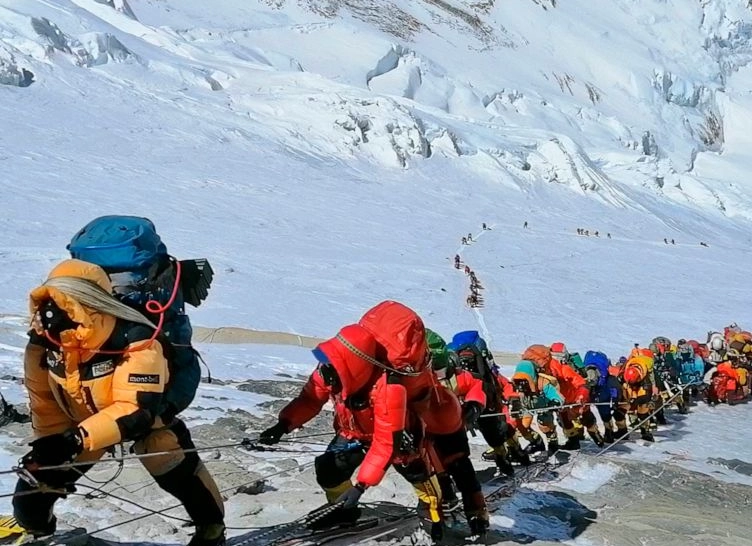
How to Drastically Reduce Your Personal Risk on Everest
Forget trying to change the mountain. Focus on what you can control: your preparation, your team, and your decisions.
Physical and Mental Preparation is Non-Negotiable. This isn't about being able to run a marathon. It's about having a massive reservoir of endurance. You need to train with a heavy pack, on steep inclines, for months. More importantly, you need mental resilience. Can you make the hard call to turn around 100 meters from the summit when your oxygen gauge is low and your guide says it's time? That decision is what separates statistics from stories.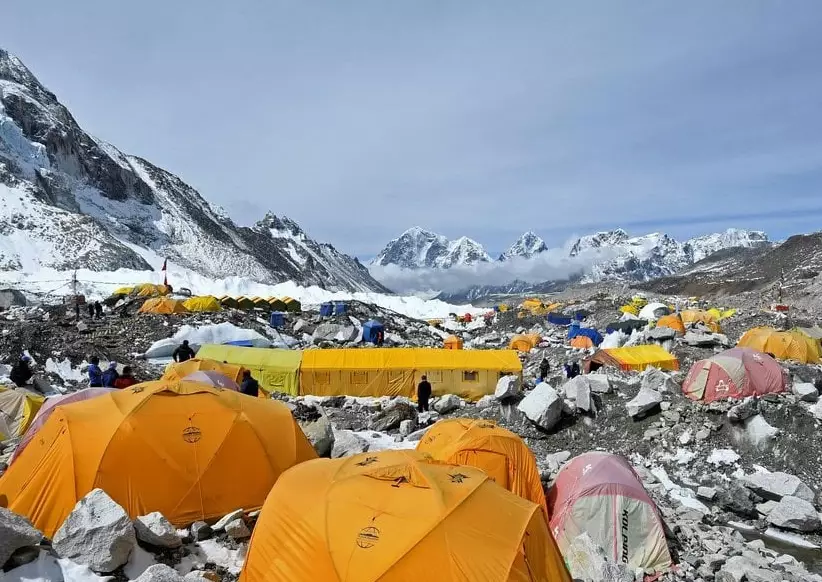
Choose Your Operator Like Your Life Depends on It (It Does). Don't just look at summit success rates. Dig deeper. Ask about their guide-to-client ratio on summit day (1:1 is ideal). Ask what their protocol is for a client who cannot continue—do they have dedicated support Sherpas for rescue? Ask about their oxygen system—do they provide a sufficient volume (like 7 liters) and have a backup? A cheaper operator often cuts corners on these critical safety buffers.
Acclimatize Like a Pro, Not a Tourist. The standard "climb high, sleep low" rotations are designed to build your red blood cell count. Rushing this process to save time or money is a direct ticket to HAPE or HACE. Listen to your body, not just the schedule. A headache that doesn't respond to ibuprofen is a major red flag.
The Descent is the Goal, Not the Summit. This is the single most important mindset shift. The summit is only the halfway point. You must conserve enough physical strength, mental clarity, and oxygen to get back down. Anyone can be pushed to the top with enough help. Getting yourself down is the real test.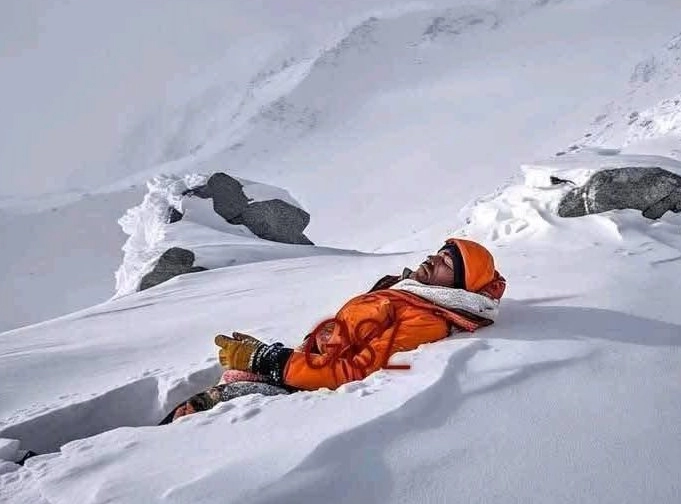
Your Burning Questions Answered (FAQ)
The final word on the Mount Everest death rate isn't a percentage. It's a principle. The mountain is a master of exploiting tiny errors. The climbers who come back are the ones who respect the statistics but focus on the variables they can control: their fitness, their team, their gear, and most of all, their judgment. The risk will never be zero. But understanding where it truly lies is the first and most important step in managing it.