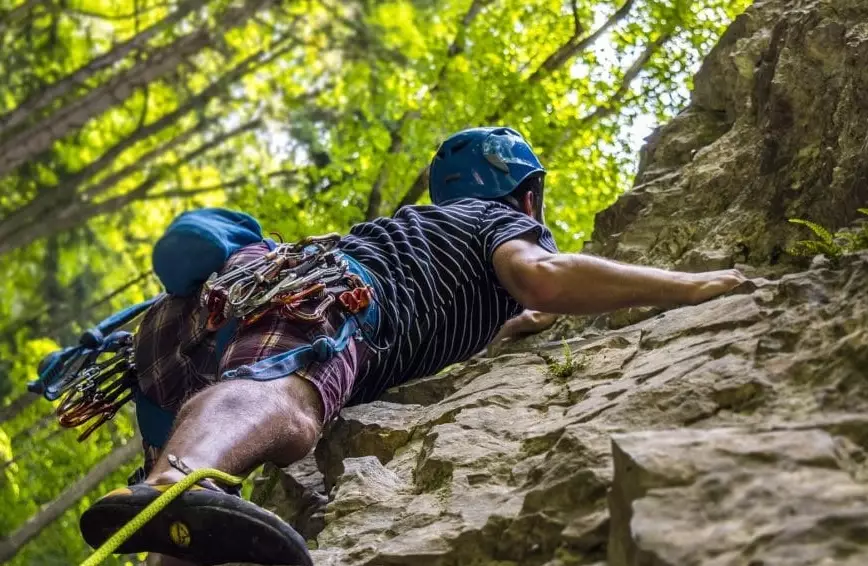
You want to climb harder. You've hit a plateau, or you're moving from the gym to real rock and need more endurance. A random workout here and there won't cut it. What you need is a structured 12 week climbing training plan. This isn't about getting marginally better; it's about building a foundation of strength, power, and technique that lets you tackle grades you thought were out of reach. I've used variations of this plan for years, both for myself and climbers I coach, and the results are consistent: focused progress.
The biggest mistake I see? People jump straight into fingerboarding or campus boarding without the supporting musculature. This plan avoids that by prioritizing structural integrity first.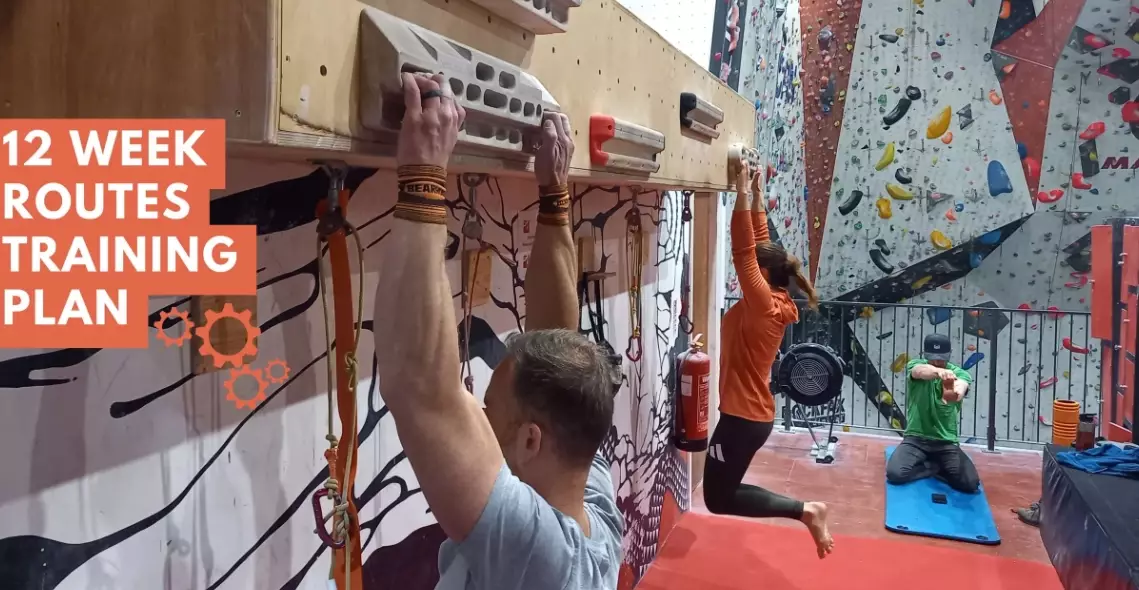
What's Inside This Plan?
- Why a 12-Week Structured Plan Beats Random Training
- The 12-Week Climbing Training Plan: A Phase-by-Phase Overview
- Detailed Breakdown of Each Training Phase
- What a Sample Training Week Looks Like
- The Non-Negotiables: Nutrition & Active Recovery
- 3 Common Mistakes That Derail Climbing Training Plans
- Your Climbing Training Questions Answered
Why a 12-Week Structured Plan Beats Random Training
Climbing three times a week is good. Climbing with a purpose is transformative. A 12-week rock climbing workout schedule works because it applies the principle of periodization. You can't train everything at maximum intensity all the time. Your body needs phases: building a base, adding intensity, then peaking. Twelve weeks is the sweet spot—long enough to create significant adaptation, short enough to stay motivated.
Without a plan, you likely train your strengths and neglect weaknesses. This plan forces balance. It systematically addresses the four pillars of climbing performance: strength, power, endurance, and technique.
The 12-Week Climbing Training Plan: A Phase-by-Phase Overview
Think of this as a roadmap. Each 4-week block has a distinct focus, building on the previous one. Here’s the macro view:
| Phase | Weeks | Primary Focus | Key Training Elements | Climbing Days/Week |
|---|---|---|---|---|
| Foundation & Hypertrophy | 1-4 | Building muscle, tendon resilience, basic technique | Volume climbing, antagonist muscles, core fundamentals | 3 |
| Strength & Power | 5-8 | Maximizing force production, explosive movement | Limit bouldering, weighted pull-ups, fingerboard (intro), power endurance intervals | 3-4 |
| Peak & Performance | 9-12 | Converting strength to climbing-specific endurance & skill | Linked boulder circuits, route simulations, project attempts, technique refinement | 3 |
The transition between phases is crucial. Week 4 and Week 8 are deload weeks—lighter volume and intensity to let your body super-compensate and absorb the training. Skipping these is asking for injury.
Detailed Breakdown of Each Training Phase
Phase 1: Foundation & Hypertrophy (Weeks 1-4)
This phase is boring but critical. The goal isn't to send your hardest grade; it's to prepare your body for the intense work ahead. We're building a robust chassis.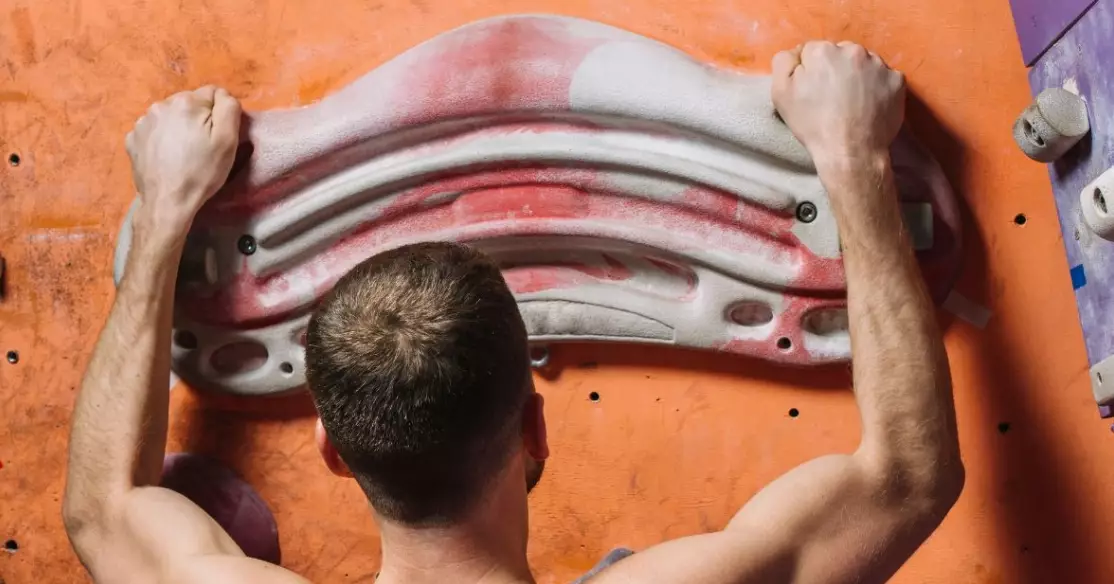
- Climbing Sessions: Focus on volume. Climb lots of problems/routes 2-3 grades below your max. Aim for perfect repeats. Work on your silent feet, body positioning, and hip engagement on every single move. I'd spend 60-70% of my session just drilling basic footwork.
- Strength Training: This is where you bulletproof yourself. Prioritize exercises that balance the pulling-dominated climbing muscles.
- Push-ups & Dips (for chest/triceps)
- Rows & Face Pulls (for upper back/rear delts)
- Shoulder Press (for shoulder stability)
- Deadlifts or Kettlebell Swings (for posterior chain)
- Core: Not just crunches. Think anti-rotation and stability. Planks, side planks, hollow body holds, leg raises.
Expert Tip: In this phase, keep a "technique journal." After each session, note one specific movement you struggled with (e.g., "outside flag on slopers"). Next session, spend 15 minutes before your workout just practicing that move on easy terrain.
Phase 2: Strength & Power (Weeks 5-8)
Now we add intensity. The goal is to increase the maximum force your muscles can produce.
- Climbing Sessions: Shift to limit bouldering. Spend 45-60 minutes working on 3-4 moves that feel impossible. Long rests (3-5 minutes) between attempts are mandatory. Quality over quantity.
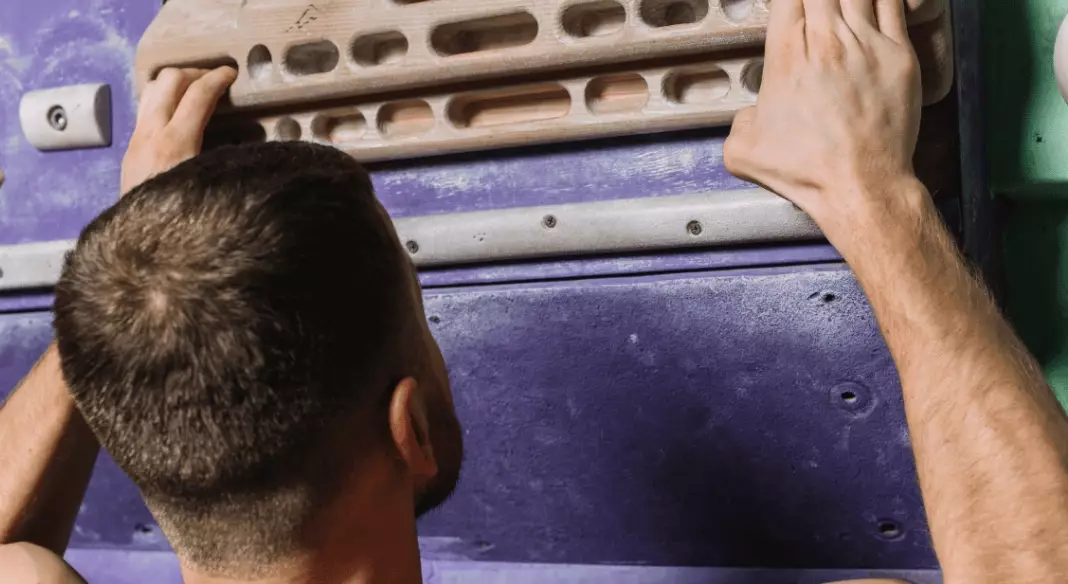
- Fingerboarding: Introduce it cautiously in Week 5. Start with basic open-handed and half-crimp hangs on a large edge (20mm+). Two sets of 10-second hangs with 2-3 minutes rest. Never train the full crimp grip in isolation—it's a recipe for pulley injury.
- Strength Training: Move to lower reps, higher weight.
- Weighted Pull-Ups (3-5 reps)
- Heavy Deadlifts (3-5 reps)
- Overhead Press (5-8 reps)
- Power Endurance: At the end of one climbing session per week, do 4x4s. Climb four boulder problems back-to-back with no rest, then rest 4 minutes. Repeat 4 times. Choose problems you can do consistently.
Phase 3: Peak & Performance (Weeks 9-12)
This is where it all comes together. We're shifting from general strength to climbing-specific endurance and mental readiness for your goal (a outdoor project, a competition, etc.).
- Climbing Sessions: Simulate your goal. If it's a long sport route, do linked boulder circuits or route intervals. Climb a sequence, downclimb or jump off, rest briefly, then climb the next sequence. If it's a hard boulder, structure your session like a redpoint attempt: long warm-up, focused work on the project with full rest.
- Strength Training: Maintain, don't build. Reduce volume by 30-40%. You're not trying to get stronger now; you're letting your body express the strength you've built.
- Technique Refinement: Be obsessive. Video yourself. Work with a coach or a critical friend. Identify the one technical flaw that's holding you back on your project and dedicate time each session to fixing it.
What a Sample Training Week Looks Like (During Phase 2: Strength & Power)
Let's make it concrete. Here’s how a typical Week 6 might schedule out:
- Monday: Limit Bouldering Session (90 min). Focus on 2-3 hard problems. Followed by 20 minutes of antagonist work (Push-ups, Dips, Rows).
- Tuesday: Rest or Active Recovery. A 30-minute walk, light yoga, or foam rolling. This is not optional.
- Wednesday: Strength & Fingerboard Day (60 min). Warm-up, then:
- Weighted Pull-Ups: 4 sets of 3 reps.
- Fingerboard (20mm edge): 4 sets of 10-second max hangs (open hand).
- Deadlifts: 3 sets of 3 reps.
- Core Circuit: 3 rounds.
- Thursday: Rest.
- Friday: Power Endurance & Technique Session (90 min). Warm-up, then 4x4 boulder circuit. Finish with 30 minutes of drilling a specific technique (e.g., drop knees).
- Saturday: Outdoor Climbing or Gym Projecting. Apply your strength in a less structured, fun environment. Try hard, but listen to your body.
- Sunday: Complete Rest.
See the pattern? Hard days are followed by easy or rest days. Climbing intensity is separated from heavy strength days where possible.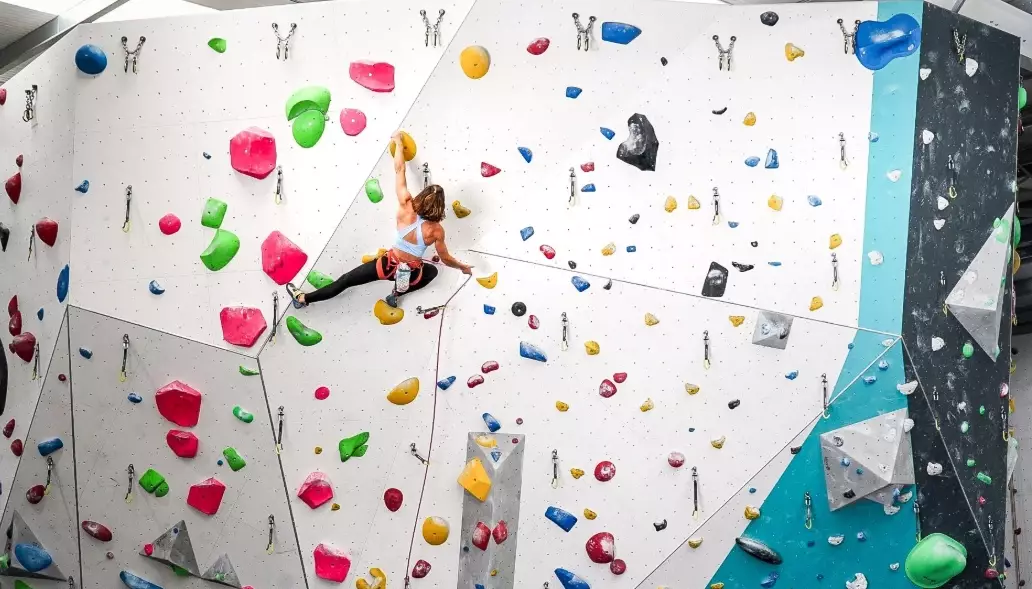
The Non-Negotiables: Nutrition & Active Recovery
You can't out-train a bad diet or poor recovery. This plan demands fuel and rest.
Nutrition: Focus on protein for muscle repair (aim for 1.6-2.2g per kg of body weight daily), complex carbs for energy (oats, sweet potatoes, rice), and healthy fats. Hydrate consistently. A post-workout shake with protein and carbs within 30 minutes can significantly improve recovery. Don't neglect micronutrients—eat your vegetables.
Sleep & Recovery: 7-9 hours of quality sleep is your most powerful performance enhancer. For active recovery, think "blood flow, not fatigue." A brisk walk, very light cycling, or dynamic stretching is perfect. Tools like foam rollers and massage guns are great for sore muscles, but they don't replace sleep.
3 Common Mistakes That Derail Climbing Training Plans
- Neglecting the Foundation Phase: Impatient climbers rush to hangboard and campus boards. Your tendons adapt slower than muscles. A strong back and core in Phase 1 protects your fingers in Phase 3.
- Under-Resting: More is not better. If you feel persistent fatigue, joint pain, or irritability, you need an extra rest day. The plan is a guide, not a dictator.
- Ignoring Technique: Strength lets you execute technique, but it's not a substitute. Every single session, even strength days, should include 10-15 minutes of pure technique practice. It's the multiplier for all your physical gains.
Your Climbing Training Questions Answered
I can only climb indoors twice a week. Can I still follow this 12-week climbing training plan?
Absolutely. Adjust the structure. Your two climbing days become your high-quality skill and intensity sessions (e.g., one limit bouldering day, one power endurance/volume day). Move the foundational strength and antagonist work to 1-2 separate days at home or a regular gym. The periodization principle still applies—spend the first few weeks on volume and technique indoors, then introduce more intensity. The key is maximizing the quality of your limited wall time.
How do I adjust this plan if my main goal is multi-pitch trad endurance, not bouldering power?
The phase structure remains, but the content shifts. Phase 1 (Foundation): Focus on long, easy climbing laps and heavy emphasis on footwork and efficiency. Phase 2 (Strength): You still need basic strength for crack climbing and cruxes, but add more aerobic capacity work—like climbing for 20-30 minutes continuously on an auto-belay or easy route. Phase 3 (Peak): Simulate pitches. Do 4x10-minute climbing intervals with 5-minute rests, or practice specific trad skills (gear placement, rope management) under fatigue. The strength exercises should prioritize shoulder stability (for packs) and lock-off strength.
 What's the one piece of gear, besides shoes, that has the biggest impact on following a training plan?
A simple stopwatch or interval timer app. Consistently timing your rest intervals is a game-changer. In limit bouldering, resting 90 seconds vs. 4 minutes produces completely different physiological effects. For hangboarding, precise work/rest ratios are critical for safety and progress. It removes guesswork and ensures your training stimulus is what you intend it to be.
I'm in the middle of the plan and feel weaker. Is this normal?
It can be, and it's often called a "performance trough." During intense training phases (especially Phase 2), cumulative fatigue builds up. You're breaking your body down to build it back stronger. As long as it's general fatigue and not sharp, localized pain (injury), trust the process. The upcoming deload week (Week 8) is designed for this. You'll often feel a surge in performance after a proper deload as your body super-compensates. If the weakness persists through the deload, you may need to reassess your nutrition or sleep.