Let's cut to the chase. California isn't just a good place to climb; it's a world-class arena that shaped modern rock climbing. From the sun-baked granite of the High Sierra to the surreal, grippy monzogranite of the desert, the variety here is insane. But "best" means different things to different climbers. Are you after multi-day big wall epics, roadside sport clips, or perfect crack systems? This guide isn't a bland list. It's a detailed breakdown of California's climbing soul, designed to help you pick the right crag for your next send.
Your Quick Climb Finder
The Heavyweight Champions: Yosemite, Joshua Tree & Lake Tahoe
Most lists will name these three. Here’s why they’re legends, and the specific zones within them that deliver.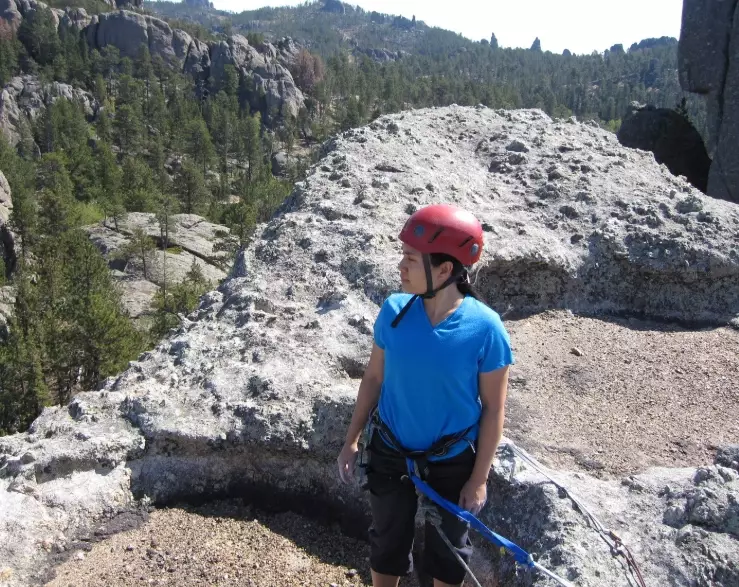
| Destination | Core Vibe & Rock Type | Signature Experience | Best For | Key Logistics |
|---|---|---|---|---|
| Yosemite National Park | Big Wall, Alpine. Immense, glacier-polished granite. | Multi-day aid or free climbs on El Capitan; classic cracks like Snake Dike on Half Dome. | Advanced trad climbers, aspiring big wall climbers, history buffs. | Park entrance fee ($35/vehicle). Highly competitive camping (reservations essential March-Oct). Valley closures for nesting peregrine falcons. Check NPS Yosemite site for latest. |
| Joshua Tree National Park | Trad & Bouldering Paradise. Rough, textured quartz monzonite. | Endless crack climbing on formations like Intersection Rock; world-class bouldering. | Trad climbers of all levels, boulderers, winter sun seekers. | Park entrance fee ($30/vehicle). Limited water, NO climbing after rain (rock is fragile). Camping in BLM land outside park is a popular free option. |
| Lake Tahoe (Various Crags) | Alpine & Sport Mix. High-quality Sierra granite, volcanic tuff at places like Donner Summit. | Long, moderate trad routes at Lover's Leap; steep sport climbing at Eagle Creek Canyon. | Trad climbers wanting long pitches, sport climbers, summer climbers escaping heat. | Dispersed camping in National Forest (follow Leave No Trace). Some crags require a Forest Service parking pass. Weather changes fast. |
Yosemite Valley: More Than Just El Cap
Everyone stares at El Cap. But the Valley's walls offer routes for mere mortals too. The Manure Pile Buttress near Glacier Point Apron has fantastic beginner-to-intermediate trad leads like Munginella (5.6). For a full-day classic, the Royal Arches route (5.7 A0, 16 pitches) gives you a taste of adventure without needing a portaledge. A mistake I see? People focus only on Camp 4. The Curry Village climbing scene has its own vibe and shorter approaches to crags like Five and Dime.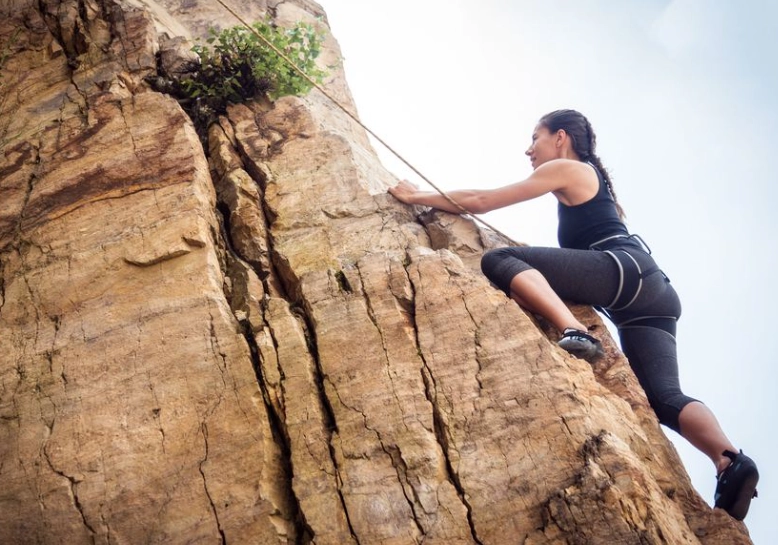
Joshua Tree: Navigating the Maze
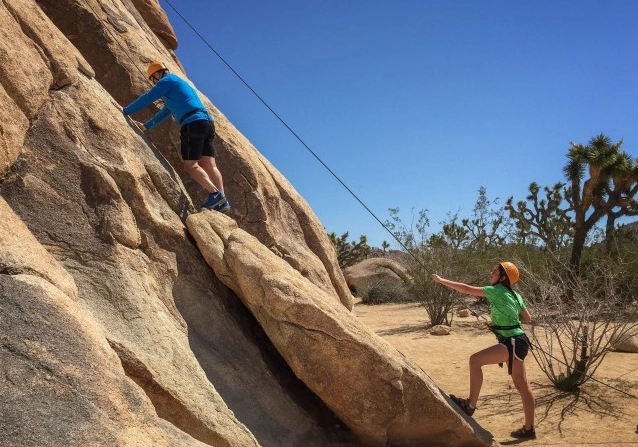
With over 8,000 routes, JTree is overwhelming. Newcomers flock to the Hidden Valley Campground area. It's good, but crowded. For better solitude, head to the Lost Horse area or the Outback. The rock is brutally sharp—tape your hands. A specific tip: many "5.6" routes here feel like sandbagged 5.7s by modern gym standards. Start a grade easier than usual. My first time, I got lost walking back from a crag at dusk. The boulder fields all look the same. Drop a pin on your phone's map at your car.
Tahoe's Secret: The Split Season
Lover's Leap is the poster child, with its iconic 5.7 route Corrugation Corner. But the real magic is the split season. Donner Summit's west-facing sport crags (like the Road Cut) are often climbable in late spring and fall when the high alpine areas are snowy. In deep summer, head to higher-elevation spots like the 90-foot basalt columns at Eagle Creek Canyon for steep, pumpy sport climbs in the shade.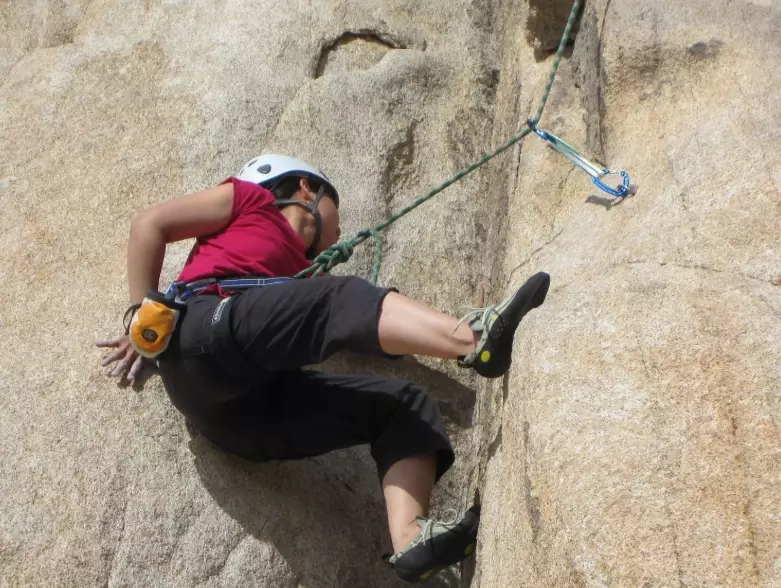
How to Choose Your California Climbing Destination
Don't just pick the most famous name. Match the crag to your goals.
Goal: "I want to try multi-pitch climbing for the first time."
Go to Tahoe. Lover's Leap offers long, well-protected moderate routes with straightforward descents (walk-off trails). The setting is stunning but less intimidating than Yosemite's sheer walls. The approach is a real hike, though—be ready for that.
Goal: "I'm a solid gym climber wanting to try real rock."
Joshua Tree is a harsh teacher. Consider Owens River Gorge near Bishop instead. It's a sport climber's dream with hundreds of bolted routes on volcanic tuff, grades from 5.6 to 5.14, and a concentrated area. The east-side location also gives access to the Buttermilks bouldering.
Goal: "I need a family-friendly spot with options for non-climbers."
Check out Pinnacles National Park. The volcanic spires offer fun, short trad and sport routes. Your family can hike the caves and trails while you climb. Camping is available right in the park.
When to Go: The Seasonal Reality Check
California's size means microclimates matter more than the state's general reputation for sun.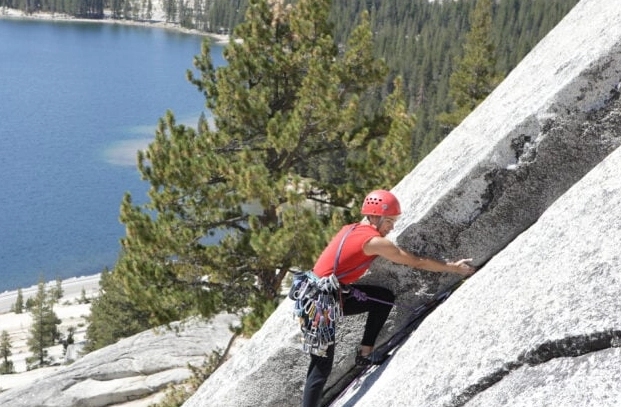
The Golden Rule: In summer, climb high or climb early. In winter, seek the desert. Spring and fall are the sweet spots for most areas, but also the most crowded.
Yosemite Valley is prime in late spring (May-June) and fall (Sept-Oct). Summer is hot, crowded, and smoggy. Winter can be cold but offers solitude on south-facing sun-traps like Five and Dime Cliff.
Joshua Tree is a winter destination (Oct-April). Summer temperatures are dangerously high. Even in spring, a 70°F (21°C) day in town can be 85°F (29°C) on the rock.
Lake Tahoe crags come to life as the snow melts, typically June through October. Lover's Leap faces south and gets scorching in midsummer—climb at dawn.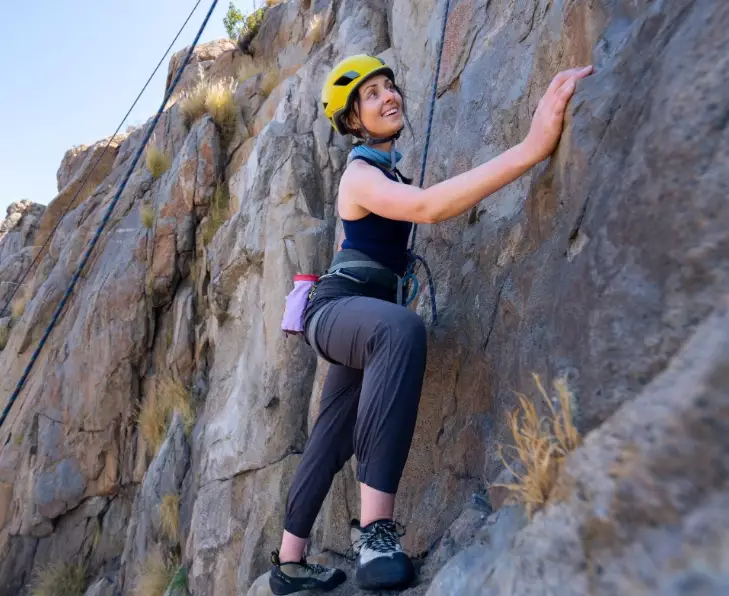
Safety and Local Ethics You Can't Ignore
Climbing here demands respect—for the rock and the rules.
Rain and Granite: Do not climb on granite for at least 24-48 hours after a significant rain. The friction is near zero, and it damages the rock. This is non-negotiable in Yosemite and Tahoe.
Desert Rock: In Joshua Tree, the rule is even stricter. Wait 2-3 days after rain. The rock is more porous and can literally break apart if climbed on when wet.
Permits and Camping: Wilderness permits are required for any overnight climbing in Yosemite backcountry (like on Half Dome). Camping is only in designated sites. The free, first-come-first-served Camp 4 is a cultural icon but involves lining up early.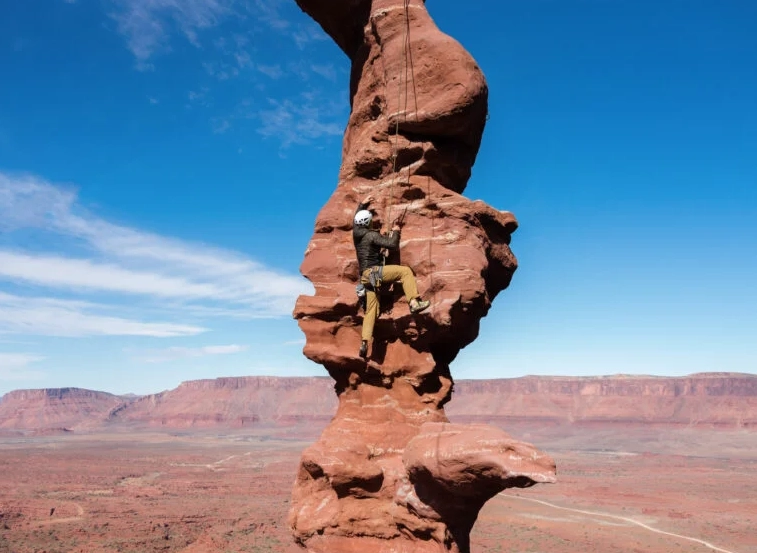
What to Pack: The Non-Negotiable Gear List
Beyond your standard rack and rope, California demands specific gear.
- A Wind Shell & Puffy: Even in summer, Sierra evenings are cold. Tahoe ridges get windy.
- Massive Water Storage: A 3-4 liter hydration bladder plus extra bottles. Desert and alpine sun dehydrate you fast.
- Approach Shoes: The approaches can be long, sandy, or scree-filled. Hiking boots are overkill, sneakers lack support.
- Headlamp with Fresh Batteries: Days are long, but routes take longer than expected. Always have a light.
- Sun Protection Arsenal: SPF 50+ sunscreen, a wide-brimmed hat, and a sun hoody. The UV exposure is intense.
- For Yosemite Big Walls: This is a whole other list—portaledge, haul bag, aiders, poop tube (yes, it's required).
Climbing California: Your Questions Answered
I'm planning my first trip to Joshua Tree. What's one common navigation mistake I can avoid?
Everyone talks about the sharp rock. Few mention how disorienting the parking can be. The pullouts along Park Boulevard look identical. You'll see a pile of boulders and think "this is it." Use the numbered roadside markers. Most guidebooks and apps like Mountain Project reference these markers (e.g., "Park at pullout near marker 45"). Take a photo of the marker near your car. The boulder field you walk into will look completely different on your return.
Is Yosemite Valley still worth it if I'm not ready for El Capitan?
Absolutely, but adjust your expectations. The valley floor is a zoo from April to October. The magic is in the early mornings and the shoulder seasons. Focus on the smaller, classic crags. Climb on the Five and Dime cliffs in the morning sun, then spend the afternoon hiking to the top of Yosemite Falls or swimming in the Merced River (check conditions). The history is palpable even on a single-pitch 5.8. It's less about sending your hardest grade and more about experiencing the birthplace of American climbing.
We want to climb in Tahoe but are worried about afternoon thunderstorms. How real is the risk?
Very real, especially July through September. The pattern is often clear, calm mornings with puffy clouds building by noon. By 2 or 3 PM, those clouds can turn into lightning storms. The rule is to be off the summit and away from exposed ridges by noon. Check the forecast religiously, but also learn to read the sky. If you see anvil-shaped clouds (cumulonimbus) developing, start your descent immediately. Getting caught on a multi-pitch route like the East Wall of Lover's Leap in a storm is a serious, potentially deadly situation.
What's a good "second-tier" destination that's less crowded but still has great climbing?
Look at the Needles, in the southern Sierra near Kernville. It's a long drive on a winding road, but the payoff is incredible: spires of clean granite with routes from 5.6 to 5.13, and a fraction of the crowds of Yosemite. You'll need a full trad rack. Camping is primitive. The other is Pinnacles, as mentioned, for its unique volcanic chimneys and family-friendly atmosphere. It gets hot in summer, but the spring wildflowers are spectacular.
How do I handle the camping situation in Yosemite if I didn't win the lottery months in advance?
The reservation release is brutal. Your best bets are 1) Check for cancellations daily on recreation.gov—people's plans change. 2) Camp outside the park. Forest Service land along Highway 120 (Tioga Pass) east of the park has dispersed camping (first-come, free). It's a 30-45 minute drive to the Valley, but you'll have solitude. 3) Consider visiting in late October or November. The weather is still decent, the crowds are gone, and first-come campgrounds like Camp 4 are much easier to get into. Just be prepared for shorter days and colder nights.