Let's cut to the chase. If you're searching for the state with the most mountain peaks, the answer is Alaska, and it's not even a close contest. While states like Colorado and California have impressive ranges, Alaska operates on a different scale entirely. We're talking about a state with over 39 mountain ranges and more than 3,000 named mountains towering above 3,000 feet. The sheer volume is staggering. But this isn't just about a number on a page. It's about a raw, untamed landscape that defines the very essence of high-altitude adventure. I've spent seasons up there, and the scale still messes with my head. This guide isn't a dry geography lesson; it's your roadmap to understanding why Alaska dominates the peak count and, more importantly, how you can realistically engage with its monumental terrain.
What You'll Find in This Guide
- Why Alaska Has More Peaks Than Anywhere Else
- The Major Players: Alaska's Iconic and Accessible Peaks
- The Biggest Challenges of Climbing in Alaska
- Planning Your Alaska Mountain Trip: A Realistic Timeline
- How Alaska Stacks Up Against Other Mountain States
- Seasons, Permits, and Getting There
- Your Alaska Mountain Peaks Questions Answered
Why Alaska Has More Peaks Than Anywhere Else
It boils down to geology and space. Most of the Lower 48's mountains are the weathered remnants of ancient events. Alaska's ranges, like the Alaska Range and the Saint Elias Mountains, are still actively growing, pushed up by the Pacific plate diving beneath the North American plate. This creates younger, sharper, and more numerous peaks.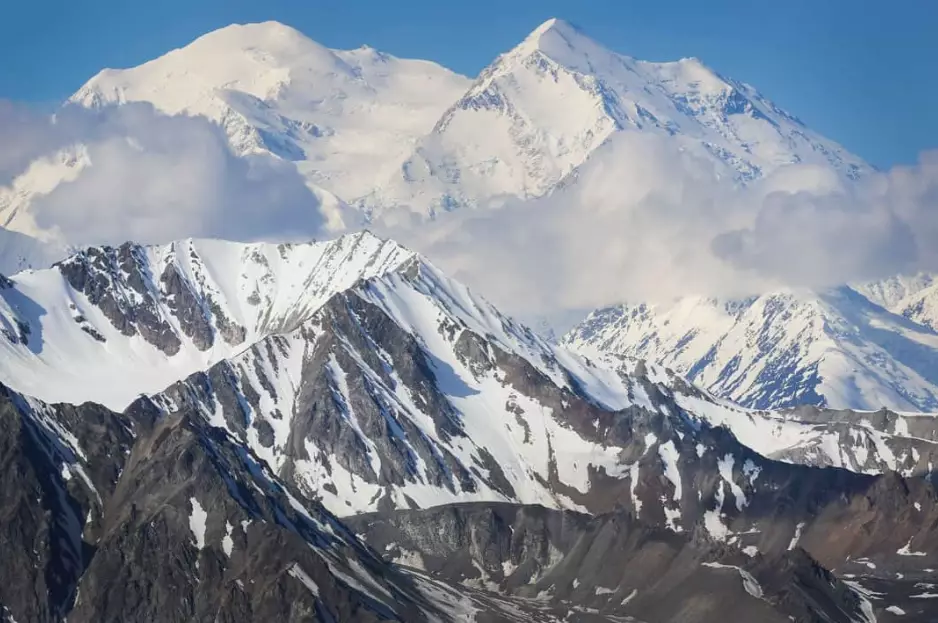
Then there's the sheer size. Alaska is massive. It's larger than Texas, California, and Montana combined. That's a lot of real estate for mountains to form. The state's extensive glacial systems have carved this uplifted rock into a dizzying array of individual summits, cirques, and ridges. According to data from the U.S. Geological Survey, the density and count of peaks over modest elevations in Alaska far surpass any other state. You're not just looking at a few famous high points; you're looking at a near-endless sea of mountains where many don't even have names.
The Major Players: Alaska's Iconic and Accessible Peaks
You can't talk about Alaskan peaks without starting with the giant. But beyond the famous one, there's a whole hierarchy of mountains offering everything from brutal expeditions to challenging but accessible climbs.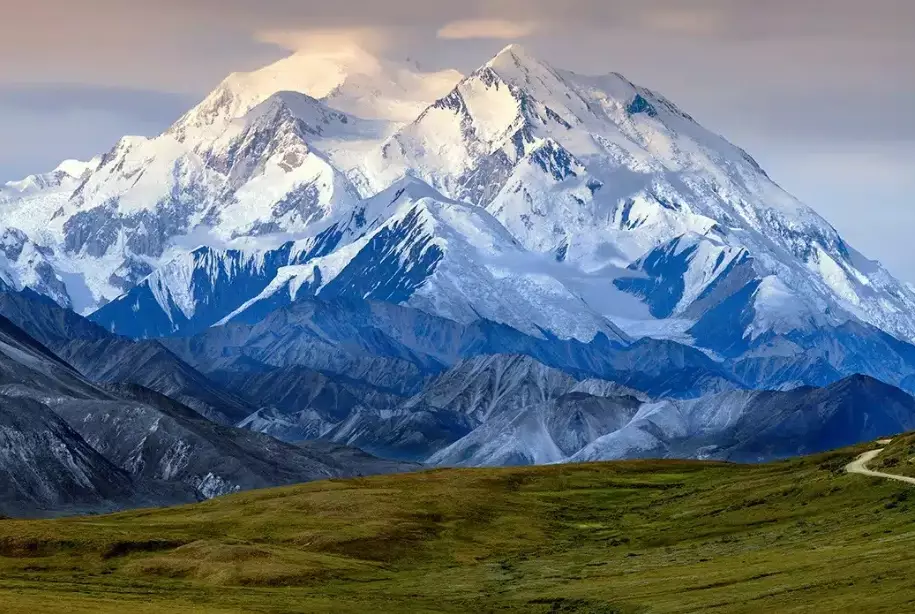
Denali (Mount McKinley): The Crown Jewel
At 20,310 feet, Denali is the highest peak in North America. It's not just tall; its base-to-summit rise of about 18,000 feet is greater than Everest's. Climbing it is a serious, multi-week expedition requiring glacier travel, extreme cold tolerance, and significant logistics. The standard West Buttress route, managed by Denali National Park & Preserve, sees hundreds of attempts each season (typically May-July). A guided expedition can cost $12,000+ and requires a lottery for a permit. It's the ultimate test for many, but it represents just one peak in a state full of them.
Peaks for the Ambitious Non-Professional
This is where Alaska's abundance really shines. You don't need to be a pro to bag a significant Alaskan summit.
- Mount Marathon (3,022 ft): Don't let the height fool you. This peak in Seward is famous for the brutal Mount Marathon Race, but it's a steep, grueling hike/scramble accessible to fit individuals. The view of Resurrection Bay is incredible. No permit needed, just sturdy legs and a willingness to get dirty.
- Flattop Mountain (3,510 ft): Often called Alaska's most-climbed peak, it's right outside Anchorage in Chugach State Park. It's a straightforward but steep hike, offering a perfect introduction to Alaskan terrain. The parking lot is often full on summer weekends.
- Pioneer Peak (6,398 ft): Near Palmer, this is a step up. A long, demanding scramble with some exposure. It gives you a real taste of alpine climbing without the glacier travel. Requires good route-finding skills.
The Biggest Challenges of Climbing in Alaska
Here's the truth most glossy brochures skip: the mountains are only part of the battle. The environment is the real adversary.
The #1 Underrated Challenge: It's not the cold or the altitude—it's the weather volatility. You can have sunshine, whiteout snow, and freezing rain all in a single afternoon hike near Thompson Pass. Storms roll in fast and can pin you down for days. I've seen more trips fail due to endless waiting on weather windows than due to technical inability. Your schedule needs massive buffers.
Remoteness and Access: There are no roads to the base of most objectives. You're looking at expensive bush plane flights with operators like Talkeetna Air Taxi or K2 Aviation. A flight to the Kahiltna Glacier for a Denali expedition can cost over $1,000 per person round-trip. If the weather closes in, you're not flying out, period.
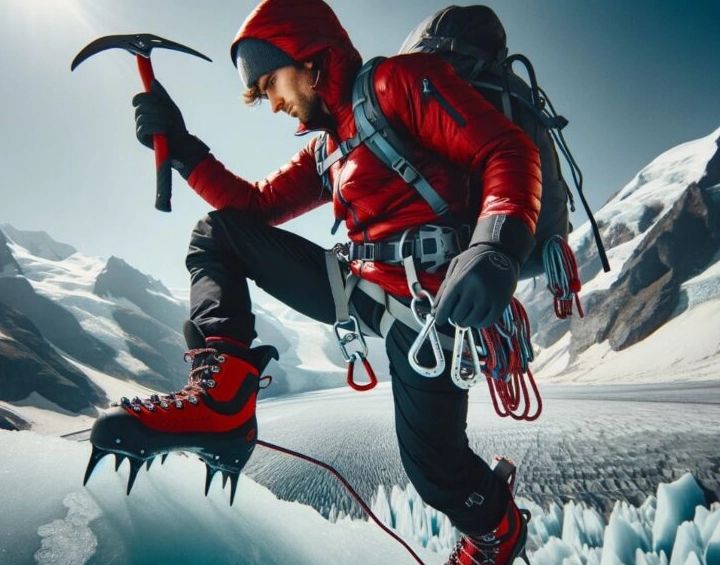
Glacier Travel & Crevasse Danger: Even approaches to "non-technical" peaks often cross active glaciers. Roped travel, crevasse rescue knowledge, and comfort on crampons are not optional skills—they are basic requirements for safety. A guided course in the Lower 48 is a wise investment before you go.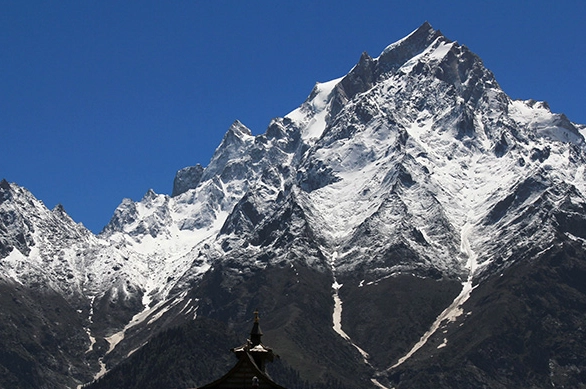
Planning Your Alaska Mountain Trip: A Realistic Timeline
Forget last-minute plans. A successful trip starts a year out.
| Timeline | Action Items | Why It's Critical |
|---|---|---|
| 12+ Months Out | Decide on primary objective(s). Research guiding companies if needed. Block vacation time. | Top guides/bookings for peaks like Denali fill over a year in advance. You need to secure your spot. |
| 6-9 Months Out | Book flights to Alaska (Anchorage is the hub). Apply for any required permits (e.g., Denali lottery in December). Book bush plane flights. | Summer airfare to Alaska is expensive and sells out. Permit deadlines are strict. |
| 3-6 Months Out | Physical training intensifies. Acquire and test all gear (boots broken in!). Finalize team roles and safety protocols. | Alaskan climbs demand peak fitness. Gear failures in remote locations are catastrophic. |
| 1 Month Out | Final logistics: bear canister rental, fuel purchases in Anchorage, weather briefing. | Many supplies are cheaper/easier to get in Anchorage than in small gateway towns. |
| Trip Week | Build in 2-3 flexible "weather days" before and after your climb. Be mentally prepared to wait. | This is the single most important factor for success. Rushing leads to bad decisions. |
How Alaska Stacks Up Against Other Mountain States
To appreciate Alaska's dominance, let's look at the competition.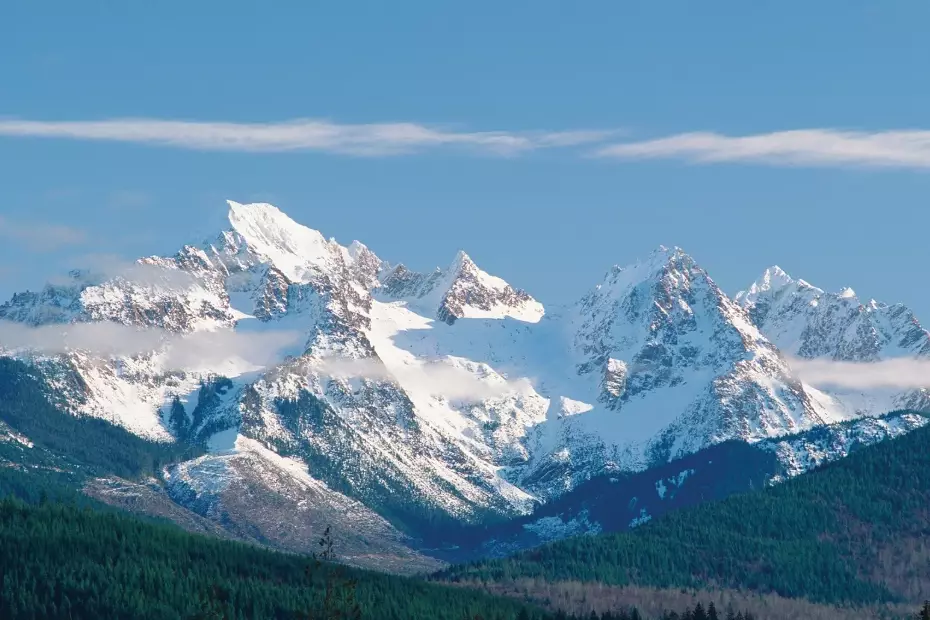
- Colorado: Famous for its 58 "Fourteeners" (peaks over 14,000 ft). Incredible for high-altitude training and accessible climbing. The key difference? Most Colorado 14ers have trails to the summit. In Alaska, you're often creating your own route from the glacier up.
- California: Home to the Sierra Nevada and Mt. Whitney (14,505 ft). Offers spectacular technical rock and alpine climbing. However, the range is more compact, and the peak count, while impressive, doesn't approach Alaska's sprawl.
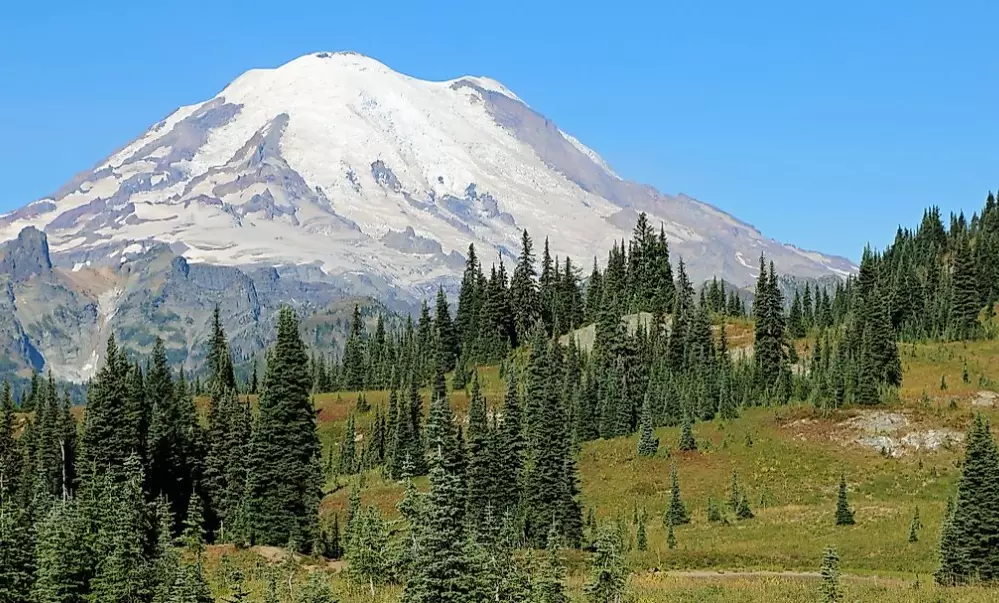
- Washington: Has massive volcanoes like Rainier and formidable alpine terrain in the North Cascades. The climbing is world-class and more accessible than Alaska for most Lower 48 residents. It's like a concentrated dose of Alaskan-style challenges with slightly tamer weather.
The bottom line? Those states offer phenomenal climbing. But for sheer quantity of untamed, glacier-draped, remote peaks where you might not see another soul, Alaska is in a league of its own.
Seasons, Permits, and Getting There
You can't just show up. Here’s the nitty-gritty.
Best Season: For high alpine climbing, late May through mid-July is the prime window. Days are extremely long (24-hour daylight near the solstice), and snowpack is generally stable. By August, glacier travel becomes more hazardous due to melting and increased crevasse exposure.
Permits:
- Denali National Park: Required for all climbs on Denali and Mount Foraker. There's a lottery system for independent climbers, and guided clients secure permits through their operator. Fees run into the hundreds of dollars.
- State Parks & National Forests (Chugach, Tongass): Generally, no climbing-specific permit is needed for day climbs or short backpacking trips. You may need a parking pass or a backcountry permit for overnight stays. Always check the specific park website.
Transportation & Staging:
Fly into Ted Stevens Anchorage International Airport (ANC). Anchorage is your gear-check and final supply hub. From there:
- For the Alaska Range (Denali, etc.): Drive ~2.5 hours north to Talkeetna, the gateway for bush planes.
- For the Chugach Range: Many trailheads are within a 1-hour drive of Anchorage.
- For Southeastern Alaska (St. Elias range): You'll likely need an additional flight to a town like Yakutat or Haines.
Renting a vehicle is almost mandatory. A small SUV is sufficient for most main-road access.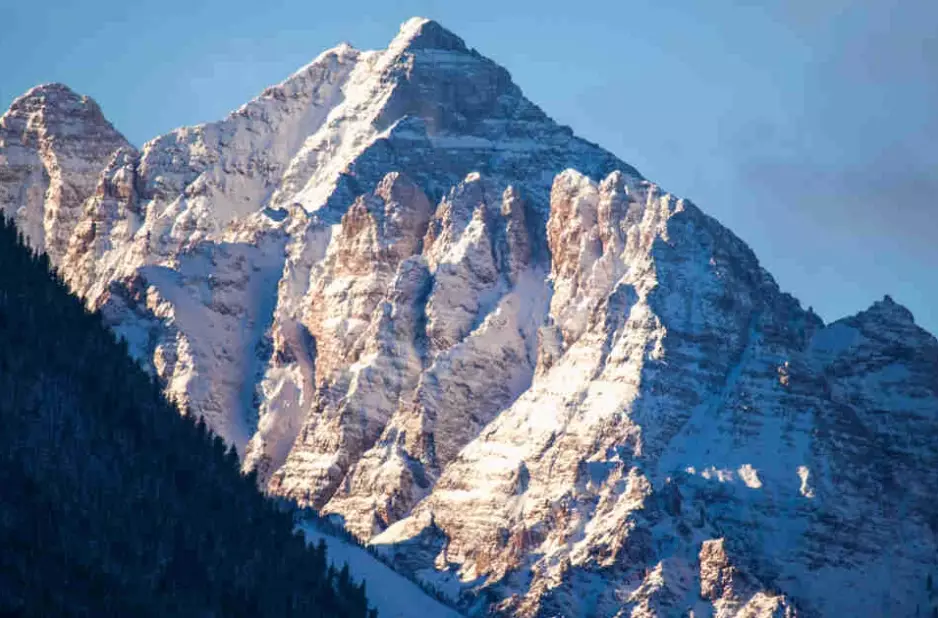
Your Alaska Mountain Peaks Questions Answered
What's the most common mistake first-time climbers make when planning for Alaska?
Underestimating the logistical tail. People focus 90% on their physical training and 10% on logistics. It should be closer to 60/40. Not having a concrete plan for bush flights, a detailed gear list that includes repair kits, or a flexible timeline for weather is a recipe for sitting in a rainy tent in Talkeetna for a week instead of climbing.
Can I climb a real Alaskan peak without glacier travel experience?
Yes, but your options are specific. Focus on peaks in the Chugach Front Range near Anchorage, like Flattop, O'Malley Peak, or even the more challenging Pioneer Peak (scramble route). These are largely glacial-free. The moment your objective requires crossing a glacier, even just for access, you need the skills and gear. Hiring a guide for your first glaciated peak is a smart, safe introduction.
Is altitude sickness a major concern on Alaskan peaks besides Denali?
Less so than in the Rockies, ironically. While Denali is extremely high, many of Alaska's other classic climbs—like those in the Ruth Gorge or the Fairweather Range—top out between 8,000 and 13,000 feet. The real dangers at these altitudes are the technical terrain, cold, and weather, not acute mountain sickness. That said, on any climb above 10,000 feet, you need to be aware of the symptoms.
How do I handle bears while climbing or hiking in Alaska?
Carry bear spray accessible at all times—not buried in your pack. Make noise in dense brush or near running water. Use bear-resistant food canisters (required in many national parks). Most encounters are with brown/grizzly bears in the alpine, often on scree slopes where they dig for roots. Give them an enormous berth. Seeing a bear is a highlight; surprising one is a crisis.
What's a good "first" significant Alaskan peak for a competent Lower 48 climber?
Consider a peak in the Little Switzerland area of the Ruth Gorge, accessed via a flight from Talkeetna. Peaks like the Moose's Tooth (though technical) or smaller objectives like the Eye Tooth offer a full Alaskan experience—bush plane, glacier camp, stunning scenery, and serious climbing—at a slightly more manageable scale than Denali. It perfectly bridges the gap between Lower 48 climbing and full-on expedition life.