So you typed "I want to climb Mount Everest where do I start" into a search bar. That's a massive, thrilling, and frankly terrifying thought. Let's cut through the noise. Starting your Everest journey isn't about buying an ice axe tomorrow. It's a multi-year project that tests your finances, your body, and your mind in equal measure. This guide won't sell you a dream; it will give you the real, actionable steps to assess if this is for you and, if so, how to build towards it from zero. Forget the summit for a moment. Your starting point is right here, with an honest look at what's ahead.
Your Everest Starting Point: A Quick Navigation
- What Does It Really Take to Climb Everest?
- How to Build the Fitness for Everest
- The Unavoidable Financial Reality
- Choosing Your Guide: The Most Critical Decision
- Understanding the Permit and Logistics Maze
- The Mental Game Everyone Underestimates
- Your First Concrete Steps This Month
- Your Burning Questions Answered
What Does It Really Take to Climb Everest?
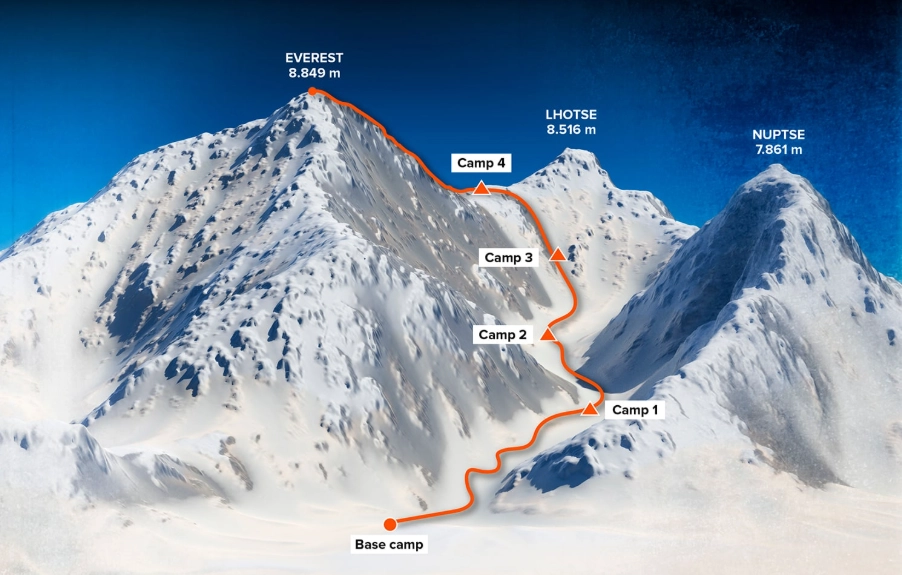
Most blogs list fitness and money. They miss the core. Climbing Everest requires a specific type of endurance, not just gym strength. You need to be able to climb for 6-10 hours a day, for weeks, with a heavy pack, at altitudes where the air has 33% less oxygen. But before your lungs, your head needs to be ready.
I've seen incredibly fit athletes quit because they couldn't handle the boredom, the discomfort, or the fear during a storm at Camp 2. The start of your journey is a brutal self-audit.
A Non-Consensus View: The biggest mistake isn't poor fitness; it's poor pacing. Newcomers often train like they're preparing for a marathon—intense, short bursts. Everest is the opposite. It's a slow, grinding ultra-marathon at altitude. Your training should mirror that: long, steady, weighted hikes, not just HIIT sessions.
You also need a proven ability to handle high altitude. This isn't guesswork. Your body must have a history of acclimatizing well above 18,000 feet (5,500 meters). Most reputable guides require you to have summitted a major peak like Aconcagua, Denali, or a 7,000m+ Himalayan peak before they'll even consider you for an Everest bid. This is your resume.
How to Build the Fitness for Everest
Think in phases. You're not training for Everest year one. You're training for the prerequisite peaks.
The 2-Year Fitness Roadmap (A Sample)
Year 1: Foundation & First Big Peak. Focus on building cardiovascular base with running, cycling, and swimming. Start weekend backpacking trips with 30-40 lb packs. Target a peak like Ecuador's Cotopaxi (19,347 ft / 5,897m) or Tanzania's Kilimanjaro (19,341 ft / 5,895m). These trips test your gear, your stomach, and your basic altitude response.
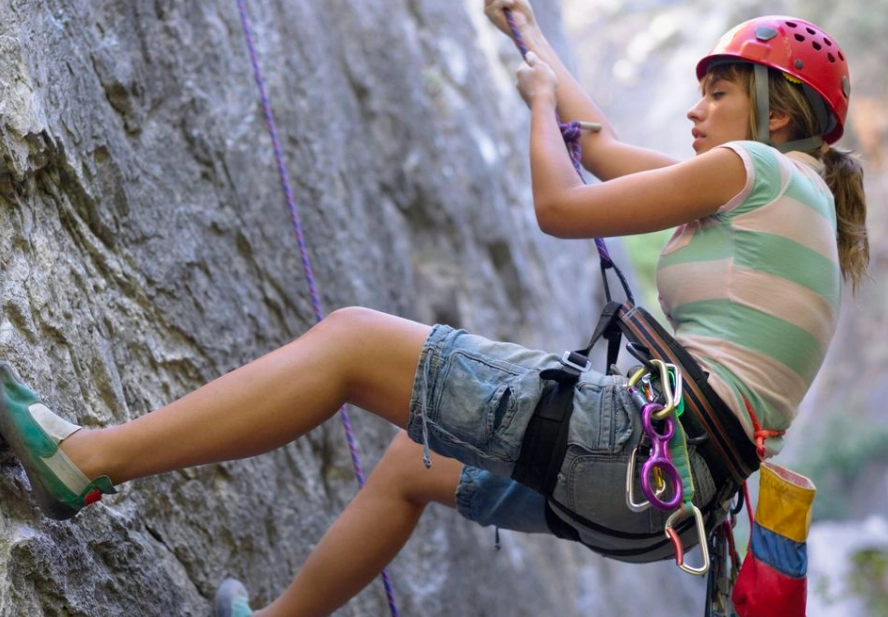
Year 2: Technical Skills & High Altitude. Now you add formal mountaineering skills: crampon and ice axe work, glacier travel, self-arrest. You must learn this from a certified guide or course (check sources like the American Mountain Guides Association (AMGA) for providers). Your goal this year is a more technical, colder peak like Mexico's Iztaccihuatl (17,160 ft / 5,230m) or a guided expedition on a 6,000m peak in the Andes or Himalayas.
The training itself? It's mundane. Stairmaster with a pack, lunges, step-ups. It's consistency over heroics.
The Unavoidable Financial Reality
Let's talk numbers. When you ask "where do I start," your bank account is a primary checkpoint. The published price from a Western guide service is just the entry fee.
| Cost Category | Estimated Range (USD) | What It Covers (and What It Doesn't) |
|---|---|---|
| Guide Service Fee | $45,000 - $75,000+ | This is the big one. Covers logistics, Sherpa support, base camp services, food on the mountain, fixed ropes, and (usually) your climbing permit. It does NOT cover flights, tips, or personal gear. |
| Nepalese Government Permit | $11,000 | This is a fixed cost for foreigners, paid by your guide service on your behalf. It's included in the above fee, but it's good to know it's a separate line item. |
| Travel & Insurance | $3,000 - $5,000 | Flights to Kathmandu, hotels, meals in the city. Critical: Specialized high-altitude evacuation insurance (like from Global Rescue) is mandatory and costs $800-$2,000. |
| Gear & Equipment | $7,000 - $15,000 | From high-quality down suits ($1,500+) and double boots ($1,000+) to sleeping bags, oxygen masks, and countless layers. You can rent some items, but critical pieces should be your own and dialed in. |
| Tips & Contingency | $2,000 - $5,000+ | Tipping your Sherpa team is standard and significant. Also budget for extra hotel nights, gear replacement, etc. |
So your realistic total is $65,000 to $100,000+. I've seen people focus so hard on training they forget to save, and then their timeline stretches another two years. Start a dedicated "Everest fund" now, even if you're years out.
Choosing Your Guide: The Most Critical Decision
This choice has more impact on your safety and success than any other. Price shopping here is dangerous.
You have two main models: Western-guided expeditions and Nepalese-owned companies. Western guides (like Alpine Ascents International, Adventure Consultants) often have higher price tags but standardized operating procedures, Western lead guides, and smaller client-to-guide ratios. Nepalese companies offer a wider price range; some are excellent and highly experienced, while others may cut corners.
Red Flags to Watch For: A company that is vague about their safety protocols, their Sherpa-to-client ratio, or their oxygen system (you want a proven, reliable system like Poisk or Summit Oxygen). Avoid any outfit that pressures you to commit without asking detailed questions. Always, always ask for references from past clients—and actually call them.
Your research should include checking accident reports and summit success rates on sites like the Himalayan Database. Ask potential guides: What is your emergency evacuation plan? What is your protocol for turning clients around? Their answers tell you everything.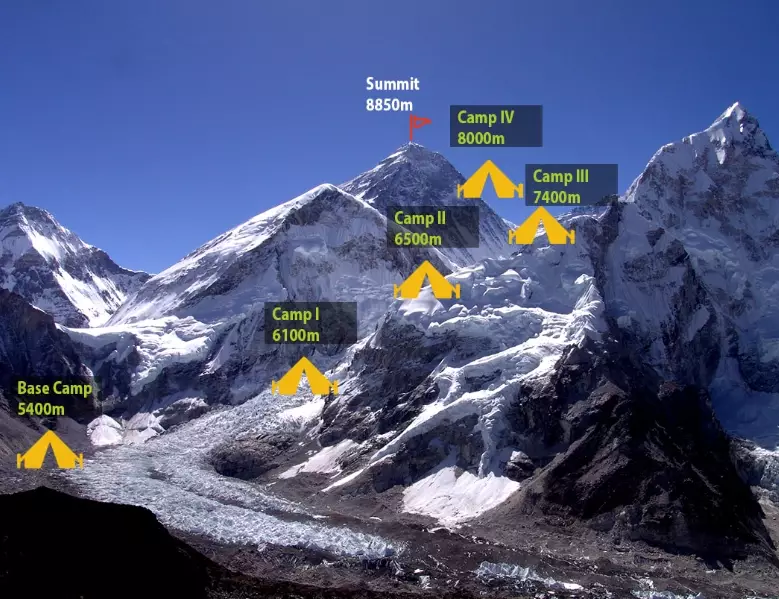
Understanding the Permit and Logistics Maze
You don't directly apply for a permit. Your chosen guide service handles all paperwork with the Nepal Ministry of Tourism or the China Tibet Mountaineering Association. Your job is to provide documents (passport copies, medical forms, proof of experience) well in advance.
The timeline is rigid. Expeditions run in the brief spring window (April-May). You need to commit and sign with a guide service at least 12-18 months in advance for the popular ones. This means your "start" for a 2026 climb might be booking your spot in late 2024.
The logistics they handle are monstrous: securing camp sites, arranging helicopter flights for supplies, hiring and insuring the Sherpa team, managing tons of food and oxygen bottles. This is what you're paying for.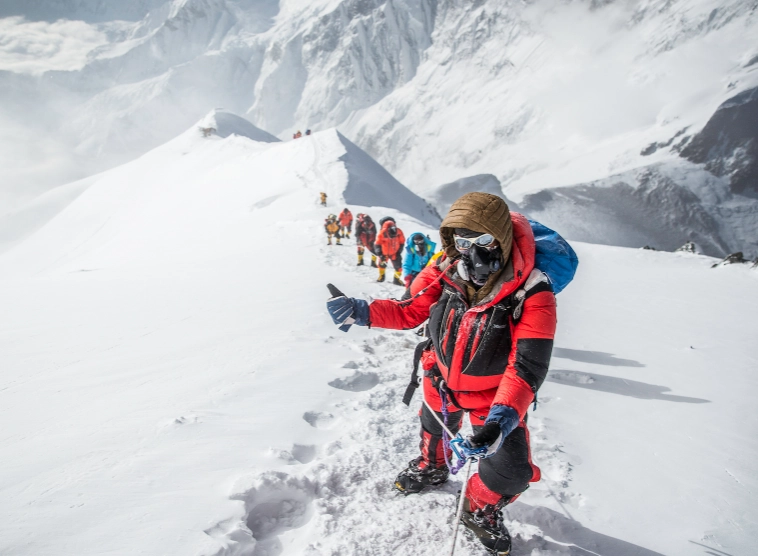
The Mental Game Everyone Underestimates
The mountain is a psychological grind. You'll spend 60+ days in a noisy, cold base camp. You'll have diarrhea. You'll be scared. You'll share a tent with someone you might not like. The ability to manage discomfort, fear, and frustration is a skill you must cultivate.
Practice mindfulness or stress-management techniques now. Get comfortable being uncomfortable. Go on a long, rainy, miserable camping trip. That's more relevant preparation than you think.
Also, you must be prepared to turn back. The summit is only halfway. A good guide will turn you around if conditions are bad or you're too slow. Your mindset must accept that getting back down alive is the only true success.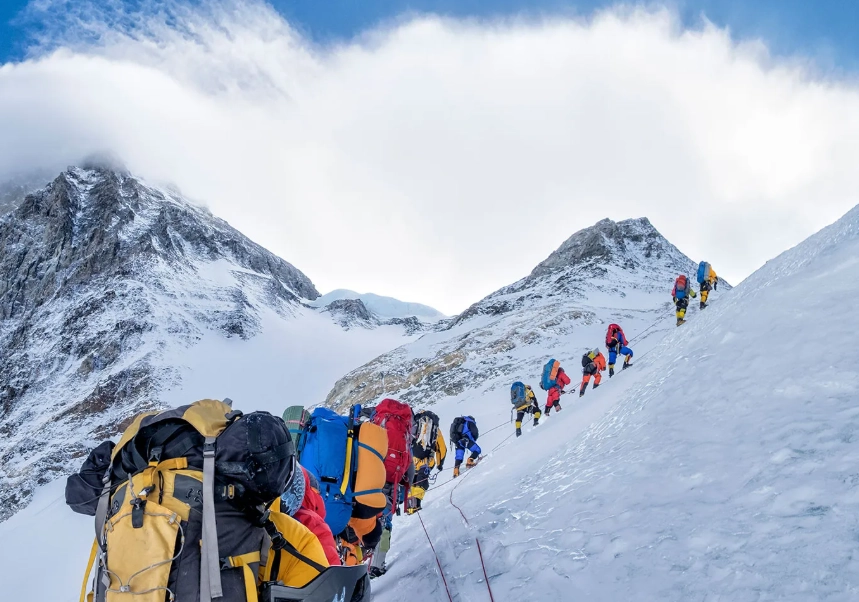
Your First Concrete Steps This Month
Stop dreaming and start doing. Here is your actionable checklist for the next 30 days:
1. Book a Medical Check-Up. Get a full cardiac workup. Discuss your plans with a doctor who understands extreme altitude.
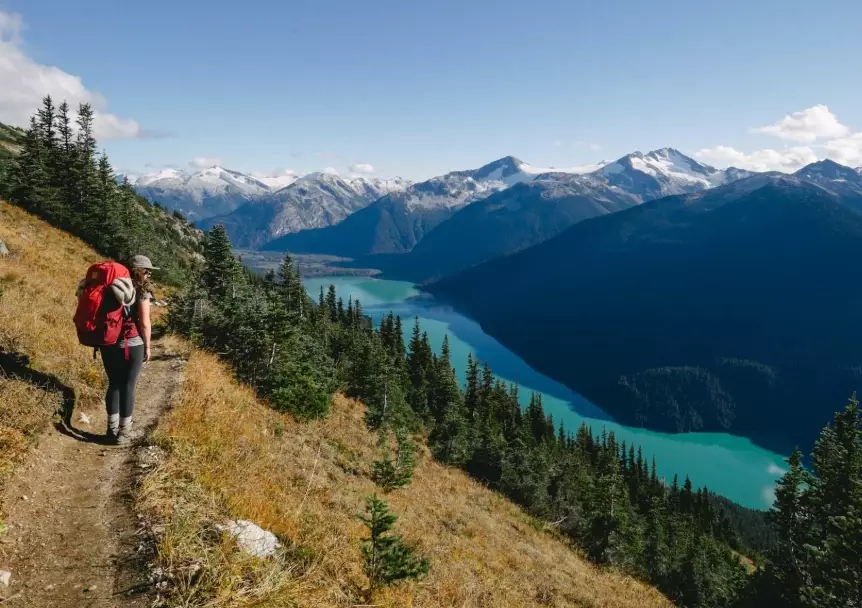
2. Go for a Long Hike. This weekend. 8-10 miles with a 20-pound backpack. See how it feels. Be honest with yourself.
3. Research Prerequisite Peaks. Pick one for the next 18 months. Look at guided trips to Aconcagua or Denali. Understand their costs and requirements.
4. Create a Separate Savings Account. Label it "Everest Fund." Set up an automatic monthly transfer, even if it's just $100.
5. Contact 3 Guide Services. Not to book, but to ask for their information packets and application requirements. Tell them you're a prospective client for a future season. Their responsiveness is data.
This moves you from a Google search to having a tangible file on your computer and sore legs from hiking. That's the real start.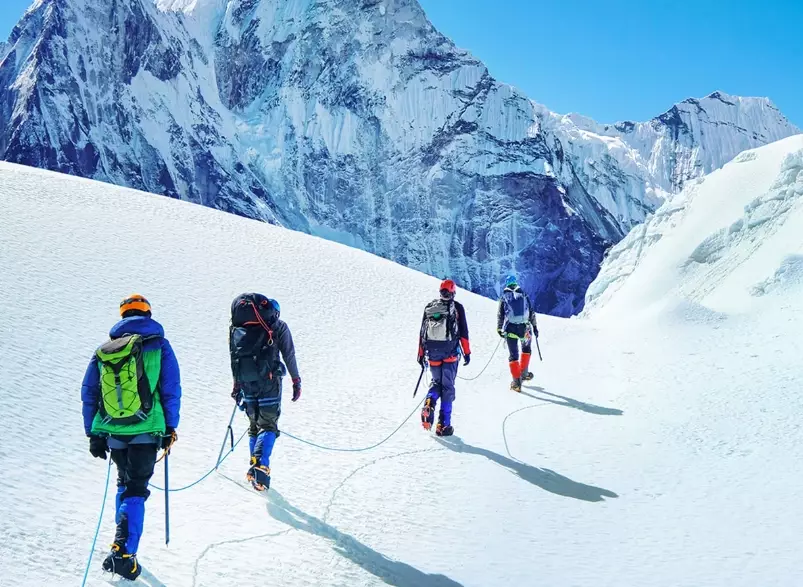
Your Burning Questions Answered
Starting your Everest climb begins with closing this tab and taking one physical, financial, or logistical action today. The path is long, expensive, and hard. But for those who are honest about the challenge, disciplined in their preparation, and respectful of the mountain, it transforms from an internet search into the journey of a lifetime. Your first step isn't on ice. It's right where you are.