So you're thinking about Everest. The name alone conjures images of the ultimate challenge. But before you get lost in summit day fantasies, you need to understand the ground truth—literally. Choosing your Everest climbing route isn't about picking the "easiest" path (none exist). It's about matching the mountain's reality with your experience, budget, and risk tolerance. Forget the glossy brochures for a second. The South Col (Nepal) and North Ridge (Tibet) routes are two different worlds, each with its own rhythm, dangers, and logistical soul.
Your Route to the Top: What's Inside
- The Route Showdown: South Col vs North Ridge
- How to Choose Between the South Col and North Ridge Routes
- What is the Khumbu Icefall and How Dangerous Is It?
- The North Ridge Challenge: It's Not Just About the Cold
- Timing, Permits, and the Real Cost of an Everest Climb
- Expert Answers to Your Everest Route Questions
The Route Showdown: South Col vs North Ridge
Let's cut through the noise. Most climbers face a binary choice. Here’s the raw, side-by-side breakdown you won't get from a single expedition company's sales pitch.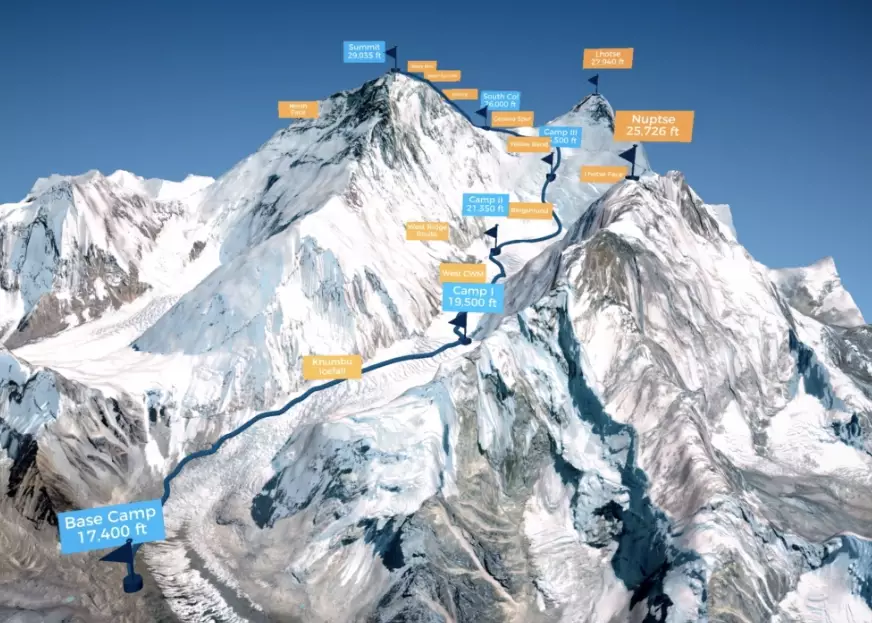
| Feature | South Col Route (Nepal) | North Ridge Route (Tibet) |
|---|---|---|
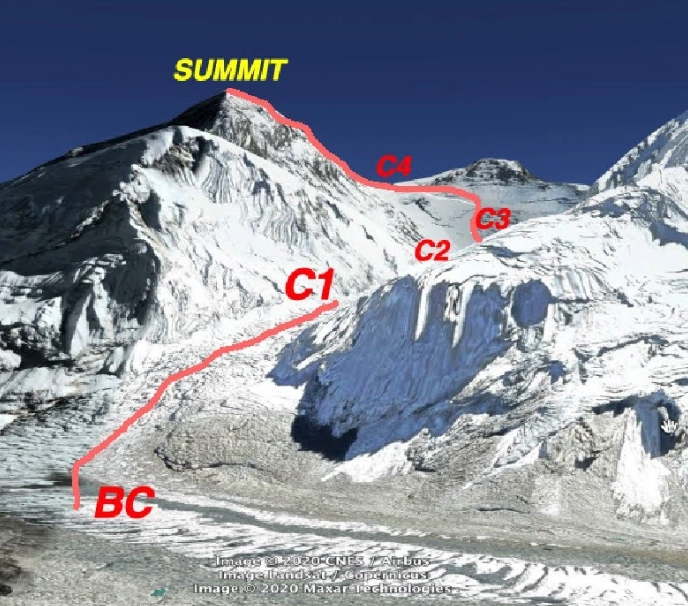
| Typical Approach | Lukla flight, 10-14 day trek through Sagarmatha National Park. Acclimatization built into the walk-in. | Drive from Kathmandu to Tibet Base Camp (5200m). Minimal trekking, rapid altitude gain by vehicle. |
| Base Camp Vibe | Bustling "Everest City." More crowded, better medical facilities (HRA clinic), social atmosphere. | More sparse, windswept, and politically controlled. Quieter, fewer amenities. |
| The Signature Challenge | The Khumbu Icefall. A dynamic, crevassed glacier requiring multiple ladder crossings. Risk is objective (collapsing seracs). | The North Col & High Camps. Sustained steep climbing on rock and snow above 7000m. Extremely cold, more technically demanding above Camp 1. |
| Summit Day | Shorter from South Col (7950m). Key hurdles: The Hillary Step (rock outcrop), often a bottleneck. | Longer from high camp (~8300m). Features three daunting rock steps before the summit. |
| Historical Success Rate* | Generally higher (approx. 65-70% for commercial clients in good seasons). More support infrastructure. | Generally lower (approx. 55-60%). Harsher weather and longer summit push take a toll. |
| Permit Cost (Climber) | $11,000 USD (Nepal government fee). | Approx. $9,950 USD (varies with Chinese/Tibetan agency). |
| Total Expedition Cost (Guide Service) | $45,000 - $70,000+ USD. Includes Icefall Doctor fees, higher staff-to-client ratios. | $40,000 - $60,000+ USD. Often includes Chinese liaison officer costs. |
*Rates vary drastically by year, team, and weather. Data synthesized from Himalayan Database reports.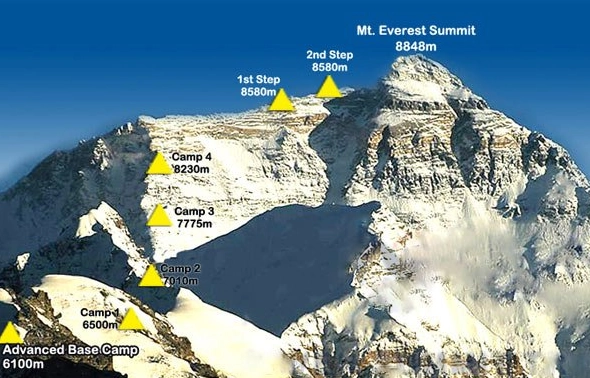
I've guided on both sides. The South Col feels like a marathon with a terrifying sprint start (the Icefall). The North Ridge is a brutal ultra-marathon run in a deep freezer. Neither is "easier"; they demand different kinds of strength.
How to Choose Between the South Col and North Ridge Routes
This isn't a coin toss. Your decision should hinge on honest self-assessment, not which photo looks cooler.
Pick the South Col Route if:
You value a more structured, supported climb with better medical backup. You handle crowds and waiting your turn okay. The idea of a long, scenic trek for acclimatization appeals to you more than a dusty truck ride. Most importantly, you have significant prior experience with glacier travel and ladder crossings. If you've never worn crampons on a wobbly ladder over a bottomless crack, the Icefall will be a profound psychological shock.
Pick the North Ridge Route if:
You have strong technical rock and ice skills for sustained climbing above 7000m. You tolerate extreme cold exceptionally well (think -40°C with wind). You prefer a more isolated, raw mountain experience and want to avoid the Icefall entirely. You're comfortable with less immediate medical support and more autonomy. Budget might be a slightly smaller factor, but don't expect huge savings.
A common mistake? Climbers choose the North side to "avoid the dangerous Icefall," only to be undone by the relentless cold and technical demands higher up. Trading one risk for another only works if you're prepared for the new risk.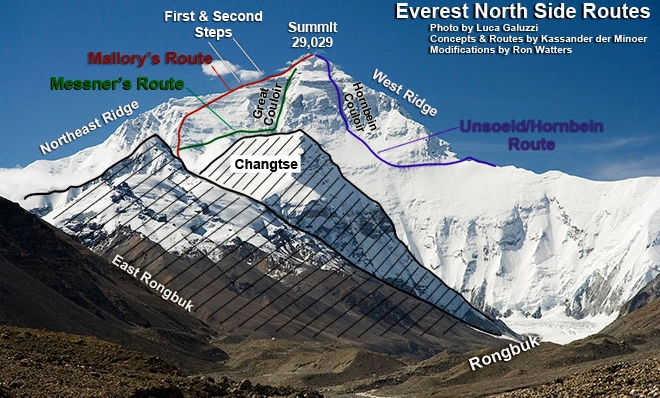
What is the Khumbu Icefall and How Dangerous Is It?
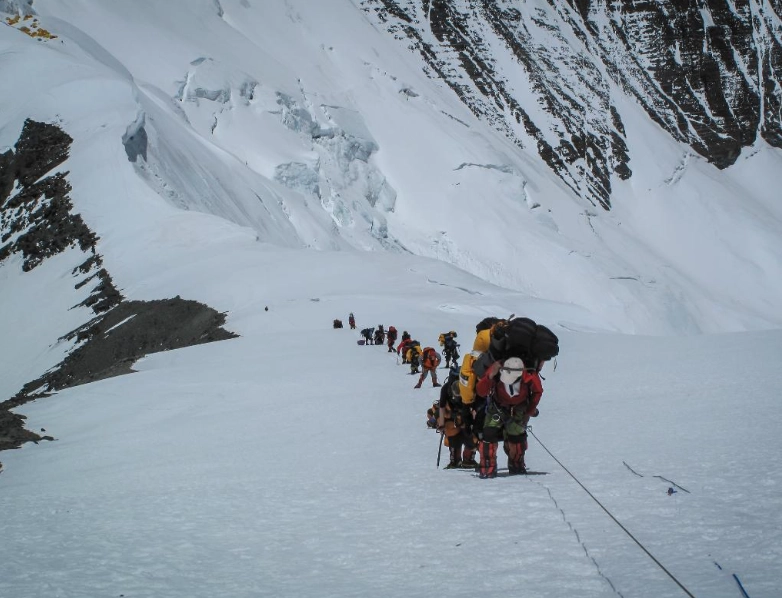
It's the psychological gatekeeper of the South Col route. Imagine a frozen river the size of a city district, but it's shattering and moving downhill at up to a meter per day. The Icefall Doctors—a heroic team of Nepali climbers—create a route through it each season with ropes and aluminum ladders.
The danger is real and objective. That means it exists regardless of your skill. A serac (a house-sized block of ice) can collapse anytime. The strategy isn't to eliminate risk, but to manage exposure. You climb it very early in the morning when it's most stable. You move quickly, deliberately, and you don't stop in the obvious danger zones. You'll likely cross it 4-6 times during your rotation.
Here’s the subtle error few talk about: commercial teams tout "guided through the Icefall." In reality, your Western guide is a client to the Icefall Doctors too. They are following a pre-set route. The real experts are the Sherpa fixing the lines. Your guide's job is to manage your pace and mindset, not to pioneer a safe path. Trust their timing implicitly.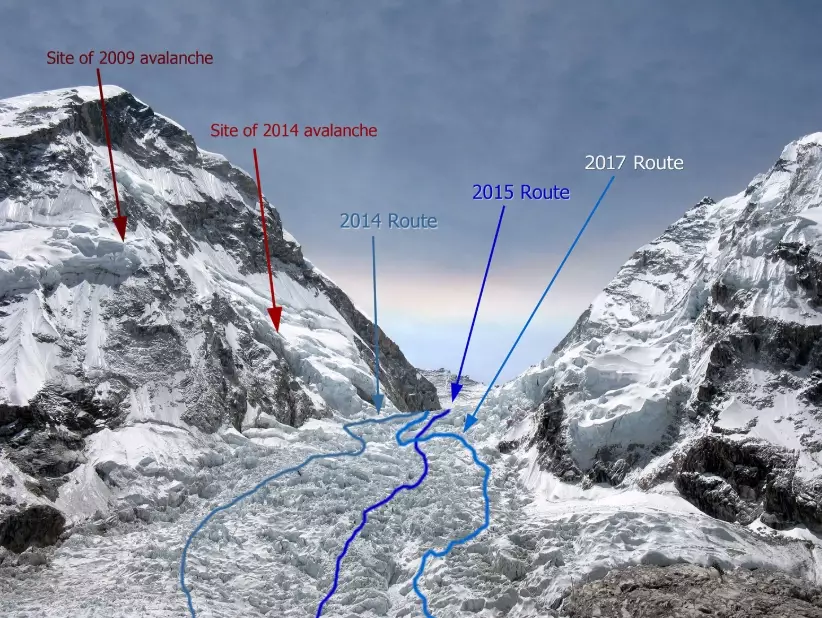
The North Ridge Challenge: It's Not Just About the Cold
Everyone talks about the cold on the Tibetan side. It's vicious, no doubt. But the physical challenge of the climbing above Advanced Base Camp (ABC) is chronically underplayed in marketing.
The climb to the North Col (7060m) itself is a sustained 40-50 degree snow and ice slope. Above that, the terrain to Camp 2 and Camp 3 involves mixed rock and snow climbing that would be considered serious technical terrain at sea level. At 7500+ meters, with bulky gloves and depleted oxygen, it's exhausting.
Then there's the summit day. It's longer. From the highest camp, you're looking at a 12-16 hour push to the top and back. The Three Steps—especially the Second Step, a near-vertical rock face at 8600m—require jumaring (ascending a fixed rope) and serious focus when you're utterly spent.
My take? The North Ridge filters out climbers through sheer, sustained physical and technical demand. The South Col can sometimes allow less-technical climbers further up, where altitude then becomes the great equalizer.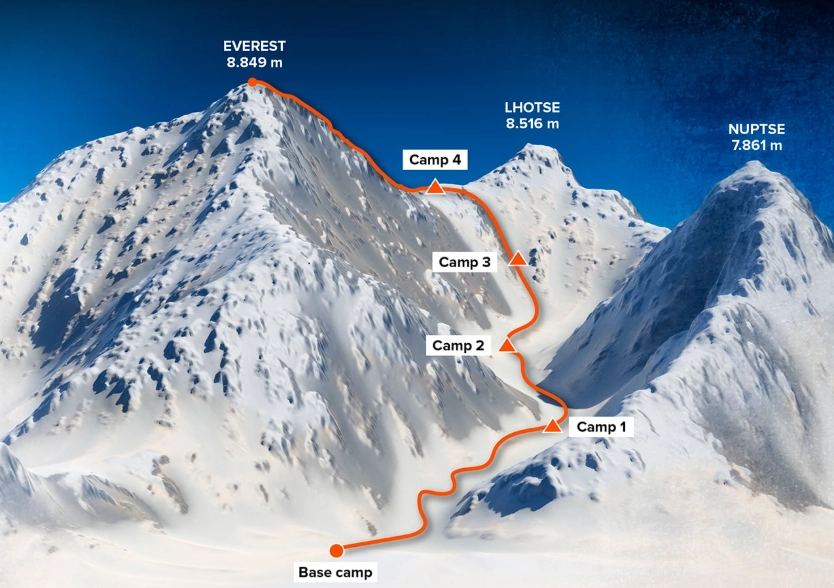
Timing, Permits, and the Real Cost of an Everest Climb
You can't just show up. The logistical dance starts over a year in advance.
The Window: There are two: pre-monsoon (April-May) and post-monsoon (September-October). Over 95% of climbs happen in the pre-monsoon window. The weather is more stable, with longer high-pressure systems. Post-monsoon has shorter windows, more snow, and is far less crowded—but also less predictable.
Permits: This is where politics meets mountaineering. For the South Col, you apply through a registered Nepali expedition company. The $11,000 fee is just the start; you also need a Sagarmatha National Park entry permit and a local government fee. For the North Ridge, you must book through a Chinese-approved agency, which handles the complex Tibetan Travel Permit and Everest North Side permit. Political closures on the Tibetan side are more common, adding uncertainty.
The Real Cost Breakdown: The permit is a line item. The full package from a reputable Western-guided service includes:
- Guiding & Sherpa Support: The biggest variable. A 1:1 personal Sherpa for summit day can add $10,000+.
- Logistics: Tents, food, fuel, oxygen systems (you'll need 4-6 bottles, at ~$500 each).
- Travel & Insurance: Flights, hotels, mandatory high-altitude rescue insurance ($5-10k coverage).
- Tips: An expected $1500-$3000+ for your Sherpa team.
Expert Answers to Your Everest Route Questions
Choosing your Everest climbing route is the first major commitment in a long journey. It sets the tone for everything that follows—the landscape you'll suffer in, the team you'll share it with, and the specific demons you'll have to face. Do your homework, be brutally honest about your abilities, and remember: the goal isn't just to summit, but to return with a story you're happy to tell.