Quick Guide
- Why Climb in National Parks? (And Why It's Complicated)
- Top National Parks for Climbing: A Breakdown
- The Non-Negotiables: Permits, Rules, and Red Tape
- Gearing Up: What's Different for National Parks?
- Safety: It's a Whole Different Ball Game
- The Ethical Climber: Leaving No Trace and Beyond
- Planning Your National Park Climbing Trip: A Step-by-Step Mindset
- Answering Your Burning Questions (FAQ)
- Final Thoughts: It's Worth the Hassle
So you're thinking about climbing in a national park. Good call. There's nothing quite like pulling yourself up a crack in Yosemite's sun-warmed granite or navigating the weird and wonderful formations in Joshua Tree. The scale is different, the rock feels more... alive, and the views? Forget about it. But let's be real—national parks climbing isn't just a weekend at the local crag. It comes with its own set of rules, challenges, and a level of preparation that can make or break your trip (and sometimes, your gear). I've had my share of both glorious summits and frustrating misadventures in these places, and I'm here to give you the straight talk on how to do it right.
This isn't just a list of cool places. We're going to dig into the nitty-gritty: the permits nobody tells you about until you're turned away at the ranger station, the ethics that matter more than ever with parks getting busier, and how to actually plan a trip that's rewarding instead of overwhelming. Whether you're a seasoned trad climber eyeing a big wall or someone who just wants to top-rope in an incredible setting, this guide is for you.
Why Climb in National Parks? (And Why It's Complicated)
The pull is obvious. These are America's crown jewels, protected for their stunning geology and ecosystems. Climbing there feels like participating in a legacy. You're touching rock that has a history, following routes put up by legends. The environment is pristine—or at least, it's supposed to be.
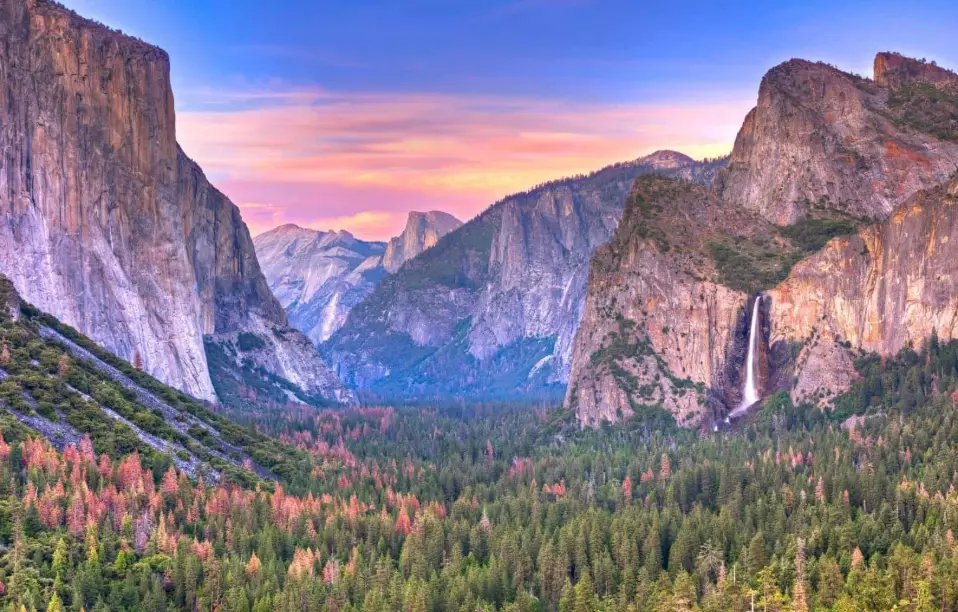
I remember my first time seeing El Capitan in Yosemite. I wasn't even climbing that trip, just hiking. The sheer size of it humbled me. It didn't look like a climbing route; it looked like a monument. That's the feeling these places give you—a mix of inspiration and healthy fear.
But here's the complicated part. National parks are for everyone. Hikers, families, wildlife, and yes, climbers. Our sport has a footprint. Anchors, chalk marks, traffic at popular bases, the potential to disturb nesting birds or cultural sites. The Park Service has to balance it all. This means regulations. It means sometimes, a classic route is off-limits for a season to protect a peregrine falcon nest. It can be annoying if you've traveled across the country, but it's part of the deal. Climbing in these spaces is a privilege, not a right. Understanding that from the get-go will make you a better visitor and steward.
And then there's the crowd factor. Popular national parks for climbing can feel like a circus in peak season. Finding parking at the Joshua Tree Intersection Rock pullout on a Saturday in November? Good luck. The solitude you might be seeking isn't always guaranteed. Sometimes, you have to hike further, climb a less famous route, or visit in the shoulder seasons to find it.
Top National Parks for Climbing: A Breakdown
Alright, let's get to the good stuff. Where should you go? This isn't a definitive ranking—every climber has their favorite—but these are the heavy hitters, the places that consistently deliver world-class national parks climbing experiences. I've included a mix of the famous and the slightly-less-trammeled.
| Park | Rock Type & Style | Best For | Key Consideration |
|---|---|---|---|
| Yosemite National Park | Granite; Big Wall, Trad, Sport, Bouldering | Experienced trad and big wall climbers. The mecca. | Extremely strict permitting for overnight big walls. Valley crowding is intense spring-fall. |
| Joshua Tree National Park | Granite; Trad, Sport, Bouldering | Trad leaders, crack climbers, winter sun seekers. | Route-finding is crucial. Protection can be sparse. Summers are brutally hot. |
| Rocky Mountain National Park | Granite & Gneiss; Trad, Alpine, Snow/Ice | Alpine climbers and trad enthusiasts who don't mind altitude. | Weather is volatile. Season is short (July-Sept). Requires alpine skills and fitness. |
| Zion National Park | Sandstone; Big Wall, Aid, Adventure Trad | Aid climbers and those seeking long, adventurous sandstone routes. | Many routes are sandbagged, loose, or require serious aid skills. Permits required for many climbs. |
| Acadia National Park | Granite; Seaside Trad & Sport | Climbers who want ocean views and unique seaside climbing. | Tides dictate schedule. Rock can be slick. Often foggy. |
| Black Canyon of the Gunnison | Gneiss; Steep, committing Trad | Expert trad climbers looking for remote, serious adventures. | Not a place for beginners. Descents are complex. Rescue is difficult. A true undertaking. |
Let's zoom in on a couple.
Yosemite: The Granite Cathedral
Yosemite Valley is the heart of American climbing. It's where Warren Harding, Royal Robbins, and Lynn Hill made history. Climbing here is about more than difficulty; it's about history and style. The crack systems on Royal Arches or the sheer faces of El Capitan define what many think of when they hear "national parks climbing."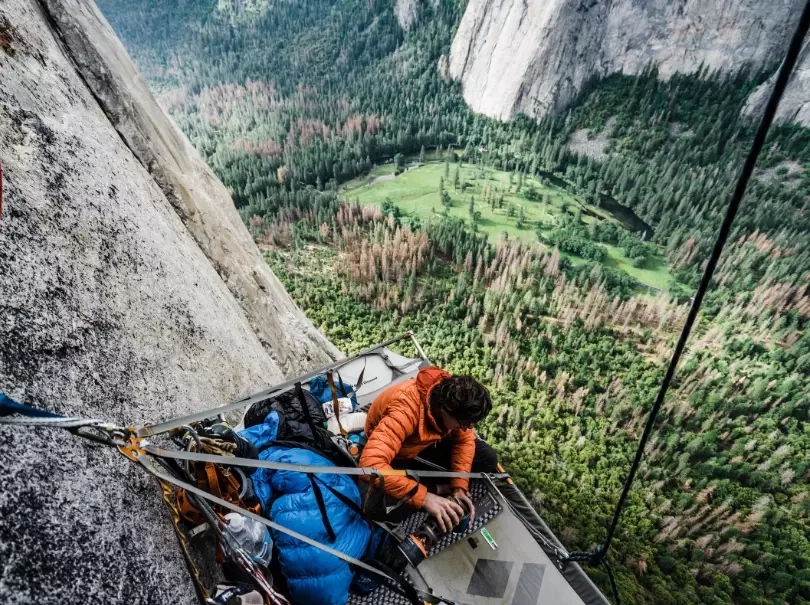
But here's my honest take: Yosemite can be a logistical nightmare. The free Camp 4 walk-in lottery is fiercely competitive. The wilderness permit system for overnight walls like El Cap or Half Dome is a complex online battle you fight months in advance. If you just want to day climb, you still have to deal with traffic, parking, and sharing the base of routes with dozens of tourists. Go with a plan, and have a backup plan. Maybe even a backup to the backup.
Joshua Tree: A Winter Playground
JTree is a sprawling wonderland of quartz monzonite. It's less about towering walls and more about intricate, technical face and crack climbing on bizarrely shaped formations. The season is perfect when the rest of the country is freezing—winter and early spring.
The challenge? The grading is stiff, and the protection can be... interesting. You need solid trad skills and good route-finding. The park has also gotten incredibly popular. My last visit felt more like a festival than a wilderness experience at the main areas. My advice? Get up early, or better yet, hike more than 10 minutes from the road. The further you go, the more solitude you'll find. And for heaven's sake, don't climb on the rare Joshua Trees themselves—it kills them.
The Non-Negotiables: Permits, Rules, and Red Tape
This is where dreams of national parks climbing get grounded by reality. Ignoring this stuff is the fastest way to have a ranger shut down your climb.
The Golden Rule:
Always, always check the specific climbing page for the national park you're visiting on the official NPS.gov website. Rules change. Closures happen. Don't rely on a guidebook from five years ago.
When Do You Need a Permit?
It's not always required for day climbing, but there are major exceptions:
- Overnight Big Wall Climbing: Yosemite, Zion, and others require a wilderness permit for any bivy on a wall. These are high-demand and often use a lottery system.
- Specific Iconic Climbs: Some routes, like the via ferrata in Zion or certain peaks in Grand Teton, always require a permit.
- Group Size: Many parks have limits on group size for wilderness travel (often 12 people). If your climbing party is larger, you may need a special use permit.
- Commercial Guiding: Obviously, if you're hiring a guide, they need a permit. Make sure they are an authorized concessioner.
A buddy of mine once drove 14 hours to Zion, only to find out the route he wanted was under a seasonal closure for nesting condors. He spent the weekend hiking instead. A five-minute check on the NPS site would have saved the heartache.
Common Rules Across Most Parks
- Fixed Anchor Restrictions: Placing new bolts or permanent anchors is heavily regulated, often prohibited without special permission. This is a hot-button issue in the climbing community.
- Wildlife Closures: Seasonal closures for raptor nesting (falcons, eagles) are common. Climbing near active nests is illegal and harmful.
- Leave No Trace (LNT): This is amplified in parks. Pack out everything—including human waste for many big wall climbs. Use wag bags.
- Cultural Resource Protection: Do not climb on or near archaeological sites, artifacts, or petroglyphs. This is especially critical in parks in the Southwest.
Gearing Up: What's Different for National Parks?
Your standard rack might not cut it. National parks climbing often demands more self-sufficiency and specific gear.
The Extended Gear Checklist:
- Approach and Descent Gear: Many approaches are serious hikes or scrambles. Good approach shoes, a detailed map/GPS, and headlamps (with extra batteries) are vital.
- Big Wall Specifics (if applicable): Portaledges, haul bags, aiders, more water capacity than you think you need.
- Weather Protection: Alpine parks (Rainier, Rocky Mountain) require ice axes, crampons, and serious cold-weather layers even in summer. Coastal parks (Acadia) need slick-rock awareness.
- First Aid Kit: Make it robust. You're farther from help. Include a SAM splint, larger gauze, and know how to use it.
- Communication: Cell service is often non-existent. A satellite messenger/PLB (like a Garmin inReach or SPOT) is not a luxury; it's a critical safety tool for remote national parks climbing.
Safety: It's a Whole Different Ball Game
Rescue in a national park is possible, but it's slow, complex, and may involve the park's special operations team. Your margin for error shrinks.
Key Safety Principles
1. Over-Communicate Your Plan: Leave a detailed itinerary with someone reliable—not just "climbing in Yosemite," but "planning to climb Snake Dike on Half Dome, starting from Happy Isles at 6 AM, expected back at car by 8 PM." Include when they should call for help.
2. Understand Rescue Realities: If you get hurt, help is hours away at best. Can you self-rescue or stabilize for a long wait? Carrying extra water and layers is part of your safety system.
3. Weather is King: Afternoon thunderstorms in the Rockies or Sierra can be lethal. Alpine starts are non-negotiable. In the desert, heat stroke is a real danger. Know the signs and carry electrolytes.
A park ranger once told me, "We'd rather come get a tired, embarrassed party off a mountain at midnight than recover a body at noon." If things are going south, turn around early. The rock will be there another day.
The Ethical Climber: Leaving No Trace and Beyond
With climbing's popularity soaring, our impact is under a microscope. Being an ethical climber ensures access remains open. The Access Fund and the American Alpine Club have great resources, but here's the core of it for parks:
- Chalk: Use colored chalk that blends with the rock when possible. Brush your tick marks off holds when you're done. It's not just about aesthetics; it's about minimizing visual impact for other visitors.
- Boots on the Ground: Stick to established trails for approaches and descents. Don't cut switchbacks or create new social trails just to save a few minutes.
- Noise: Keep the stoke reasonable. Other visitors are there for quiet and nature sounds, not your bluetooth speaker.
- Respect All Visitors: That hiker has just as much right to be on the trail as you do. Be polite. Your massive haul bag doesn't give you the right of way.
I'll admit, I've gotten grumpy about slow hikers on the trail when I'm trying to beat a storm. But that's my problem, not theirs. We're all guests.
Planning Your National Park Climbing Trip: A Step-by-Step Mindset
Think of this not as a checklist, but as a mindset shift from casual cragging.
Phase 1: Research (Months Before)
Pick your park and season. Study the NPS website for rules and closures. Read recent trip reports on Mountain Project. Apply for any required lottery permits the second the window opens.
Phase 2: Logistics (Weeks Before)
Book camping or lodging. Parks fill up. Assemble and check your gear meticulously. Plan your meals and water strategy (where are the fill stations?). Physically train for the specific objective—altitude, approach hike, technical difficulty.
Phase 3: Execution (The Trip)
Check in at the visitor center or ranger station. Confirm your plans and get any last-minute beta or warnings. Adjust for conditions. Be flexible. Have a Plan B climb that's shorter, easier, or in a different area if weather or crowds ruin Plan A.
Phase 4: Post-Trip
File a voluntary trip report with the park if you did something remote. It helps them manage use. Provide constructive feedback on Mountain Project. Donate to the Access Fund or the park's conservancy association.
Answering Your Burning Questions (FAQ)
Here are some things I've wondered myself or get asked a lot.
Not necessarily, but if you lack the skills or confidence for the objective, hiring an authorized guide is a fantastic way to have a safe, educational experience. They handle the permits and logistics, letting you focus on the climbing.
Underestimating the scale and seriousness. A 5.9 at your local crag is not the same as a 5.9 in Joshua Tree or the Black Canyon. The grades are often stiffer, the protection trickier, and the consequences higher.
For solid waste, you must use a portable toilet system (like a Restop bag or WAG bag), pack it out, and dispose of it in a trash can. It's not glamorous, but it's mandatory in most parks now. Urinate on durable surfaces like bare rock, away from cracks where water might run.
Almost universally, no. Operating drones within national parks is prohibited without a special use permit. They disturb wildlife and other visitors' experiences.
This is tough. If it's safe to do so, a polite conversation can go a long way ("Hey, did you know this area is closed for nesting?"). If not, or if the behavior is egregious, you can report it to a park ranger. Protecting the resource is everyone's job.
Final Thoughts: It's Worth the Hassle
Look, national parks climbing is more work. The permits, the crowds, the rules, the long drives, the self-reliance it demands—it can feel like a lot. I've driven home from trips feeling more exhausted than fulfilled.
But then I look at the photos. Not just of the summit, but of the marmot that stole a snack from my pack at the base, the sunset turning a granite wall to fire, the shared struggle with a partner on a hard pitch miles from the nearest road. Those moments are sharper, more vivid, precisely because of the effort it took to get there.
It teaches you respect—for the land, for the history of the sport, and for your own limits. So do your homework, pack out your trash, be cool to the rangers and other visitors, and go have an adventure that's bigger than just the climbing. The parks are waiting.