Let's get straight to the point: safety in climbing isn't a suggestion, it's the foundation. It's what separates a fun, rewarding day on the rock from a life-changing accident. I've been climbing for over a decade, teaching beginners, and reading too many accident reports from the American Alpine Club. The same patterns emerge—patterns we can break with the right knowledge from day one.
This isn't just a list of rules. It's a mindset shift. We'll cover the gear you can't compromise on, the techniques that need to be muscle memory, and the mental habits that keep you and your partner alive.
What's Inside This Guide?
Gear Up: Your Non-Negotiable Safety Equipment
Think of your gear as your personal life-support system. You don't buy the cheapest parachute. The same logic applies here. While you can rent initially, understanding what makes gear safe is crucial.
Climbing Shoes: They should be snug but not scream-inducing. A painfully tight shoe won't make you a better climber; it'll distract you and ruin your footwork. Your toes should be flat or slightly curled, not jammed into a ball.
Harness: This is your connection point. Put it on correctly—the belay loop should be centered, the leg loops snug, and the waistband above your hip bones. I've seen people step into leg loops backward. Double-check the buckle is doubled back.
Helmet: It's not just for alpine climbing. On a single-pitch crag, its main job is to protect your head if you swing into the wall or take an awkward fall. Wear it. Always.
Belay Device and Carabiners: A tubular device like an ATC or an assisted-braking device like a GriGri is standard. Know how yours works. Locking carabiners should be locked. Every single time. Visualize this: a non-locking carabiner can catch a gate on the rock and open, leading to a complete failure.
| Gear Type | Key Safety Check | Beginner Tip |
|---|---|---|
| Harness | Buckle doubled back, waist above hips, leg loops snug. | After putting it on, jump up and down. It shouldn't shift. |
| Helmet | Strap adjusted, sits level, no major cracks or dents. | Buy one with a bright color. It makes you more visible to your belayer. |
| Rope | Check for core shots, flat spots, or excessive fraying. | Learn the "pinch and slide" method to feel for internal damage. |
| Belay Device | Correct orientation, rope threaded properly, carabiner locked. | Practice attaching it with your eyes closed. Build that muscle memory. |
Rent gear from a reputable shop first. See what feels good before you invest. A good shop employee is a goldmine of information—ask them why they recommend one harness over another.
Master the Basics: Technique Before Strength
Here's a non-consensus opinion: your arms are for holding you on, your legs are for moving you up. Beginners burn out their arms because they pull with them. Watch an experienced climber—they stand up on their feet, keeping their arms straight to conserve energy. This isn't just about efficiency; a tired climber is a clumsy, unsafe climber.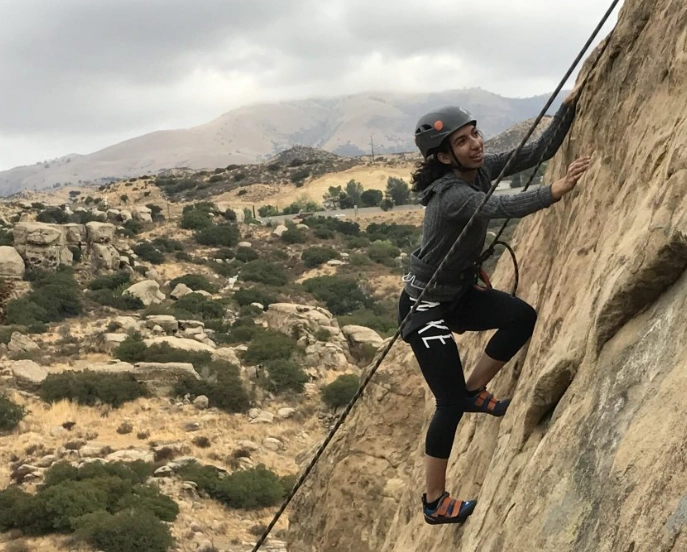
The Safety Ritual: Partner Check
This is non-negotiable. Before anyone leaves the ground, you and your partner verbally and physically check each other's systems.
Start at the feet and work up: Shoes tied? Harness buckled and doubled back? Tie-in knot correct and dressed (the figure-8 follow-through is the beginner standard)? Belay device correctly set up? Carabiner locked? Helmet on?
Say it out loud. Point at each item. This ritual catches 99% of pre-climb errors.
Communication is Your Lifeline
Climbing commands are short, clear, and standardized. "On belay?" "Belay on." "Climbing." "Climb on." The moment you deviate—"Okay, I'm gonna go now!"—you introduce risk. In a windy environment or with other parties around, clarity saves lives.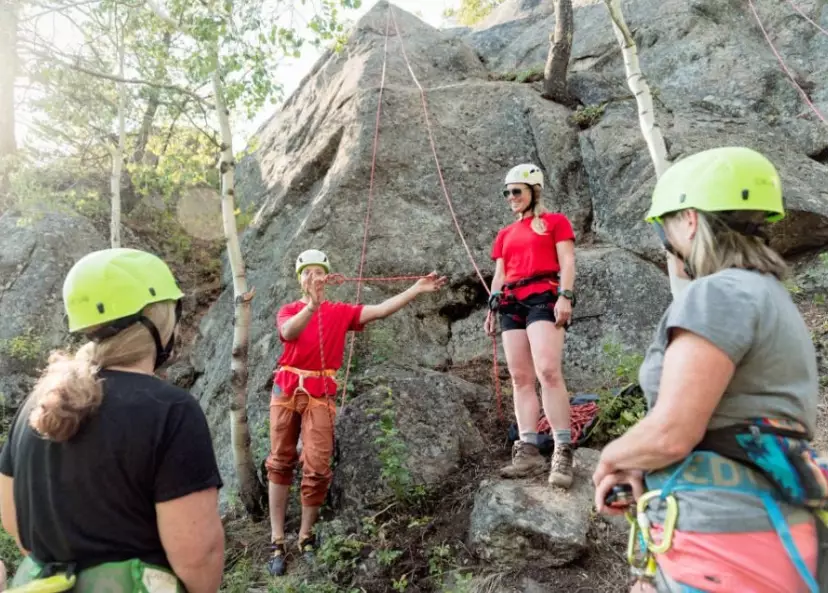
Learn the command for taking a break: "Take!" means pull the rope tight and hold my weight. "Slack!" means give me some rope. "Falling!" is the emergency shout. Use them.
How to Develop a Safety-First Mindset
Gear and technique are useless without the right mindset. This is about habit and humility.
Risk Assessment: Before you climb, look at the route. Where are the bolts or protection points? Is the landing clear? Is the rock loose? Is your belayer positioned correctly, not directly under you? This 30-second scan is what experts do instinctively.
Managing Fear: Fear is normal. It's your body's warning system. Don't fight it, manage it. When you feel panic rising, find a good hold, lean back on the rope, and breathe. Look at your knot, your gear, your attentive belayer. Trust your system. Yelling "Take!" to rest is a sign of good judgment, not weakness.
The Power of "No": If something feels off—the anchor looks rusty, your partner seems distracted, you're too tired—it's okay to call it a day. Peer pressure has no place in climbing safety. The mountain will be there tomorrow.
Continuous Learning: Take a certified course from an organization like the American Mountain Guides Association (AMGA) or a local climbing gym. Read accident analyses. Ask experienced climbers about their close calls. Safety knowledge is cumulative.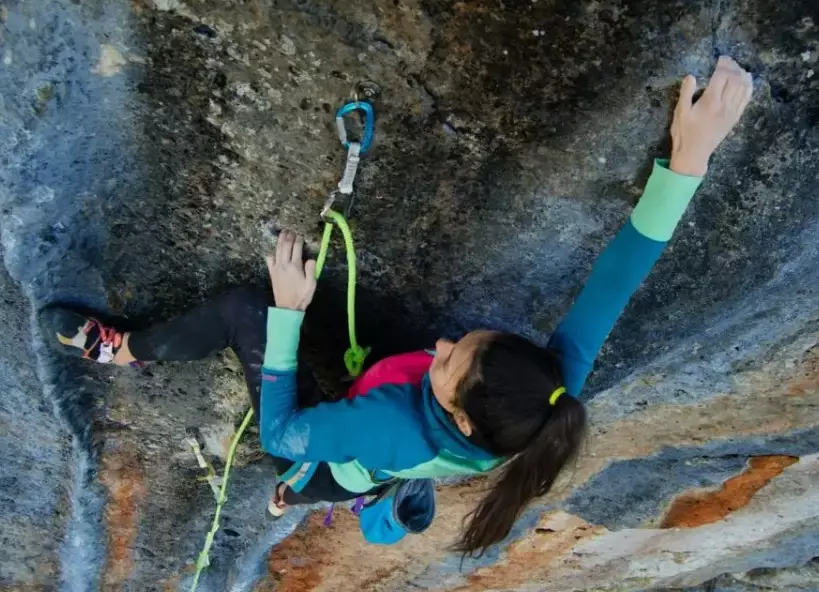
What are the most common mistakes beginners make?
Let's cut through the generic advice. After years at the crag, here are the specific, often-unmentioned errors I see repeatedly:
Ignoring footwork. They scrape and stomp with their feet instead of placing them precisely and quietly. This wastes energy and increases the chance of a foot slip.
"Gymnesia"—forgetting outdoor risks. In the gym, bolts are close together, and falls are clean. Outside, you need to be aware of ledges, swing potential, and rock quality. That dynamic move you love in the gym could slam you into an arete outdoors.
Belayer inattention. The belayer looking at their phone, talking to someone else, or not managing slack properly. Belaying is a full-time job. Period.
Rushing the descent. More accidents happen on the way down (rappelling or walking off) than on the climb up. Fatigue sets in, focus lapses. Double-check every rappel setup. Is the rope threaded correctly through the anchors? Is your device on? Knots in the rope ends?
Climbing while dehydrated or hungry. Your brain is part of your safety system. Low blood sugar leads to poor decisions and slow reaction times. Drink water, eat snacks.
I once saw a beginner try to clip a quickdraw with the gate facing the rock—a classic way to get the rope caught outside the carabiner. His more experienced partner didn't notice because he wasn't watching. A simple, silent failure waiting to happen. It was caught by a bystander. That moment cemented for me that vigilance is a shared responsibility.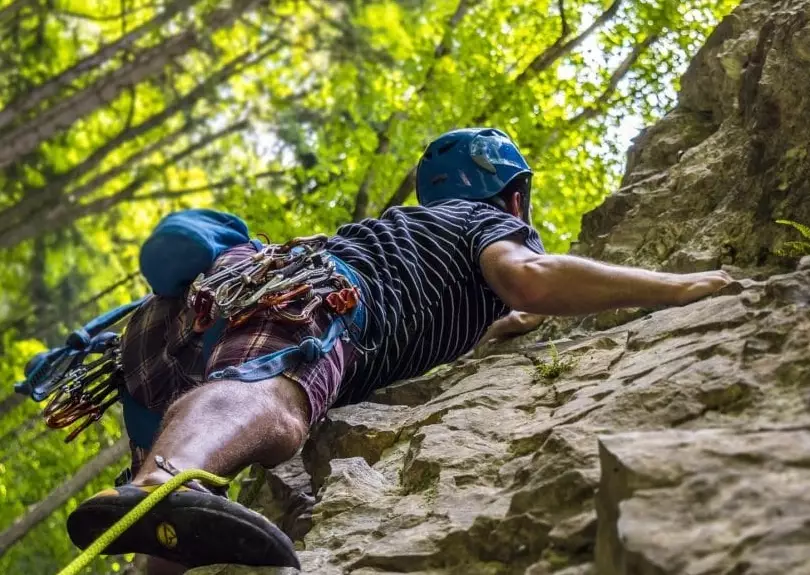
Your Climbing Safety Questions Answered
Climbing opens up a world of vertical adventure, but the doorway is built on safety. Respect the process, invest in the learning, and you'll build a lifetime of rewarding ascents. Now go check your knot.