Let's be honest, most of us will never set foot on these giants. But knowing which mountains scrape the sky is a fundamental piece of geographic and adventure trivia. The answer isn't just a list of names and numbers. It's a story of geology, human endurance, and the relentless pull of the high places. All of the world's top 10 highest peaks are located in Asia, specifically within two massive mountain ranges: the Himalayas and the Karakoram. They're known collectively as the "Eight-thousanders" because they all soar above 8,000 meters (26,247 feet). Here, we'll go beyond the basic ranking and dive into what makes each one unique, the challenges they present, and the stories etched into their slopes.
Your Quick Peak Preview
The Definitive List: Top 10 Highest Peaks on Earth
This table isn't just a leaderboard. Pay attention to the "First Ascent" and "Fatality Rate" columns—they tell the real story of risk and achievement. The data is compiled from reputable sources like the Himalayan Database and major mountaineering publications.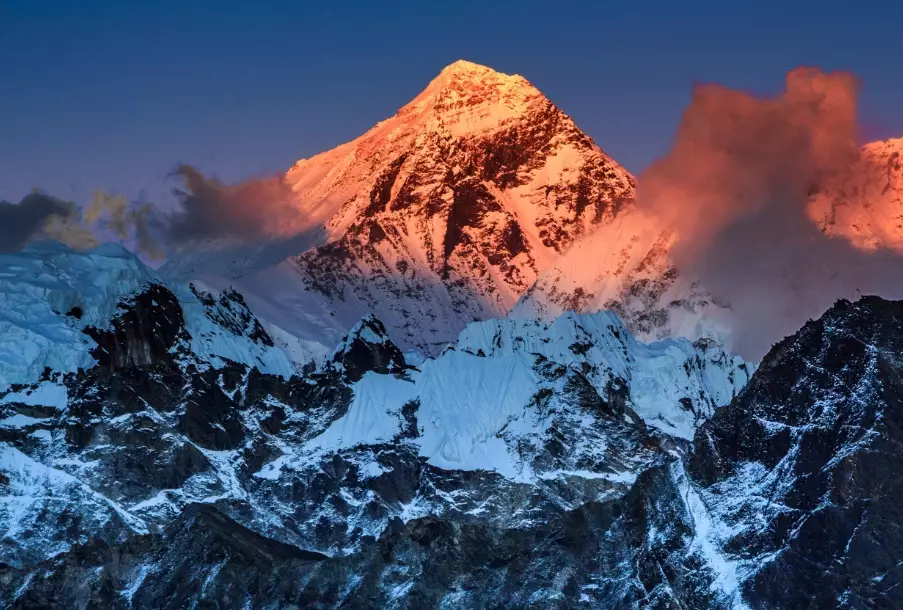
| Rank & Name | Height (meters/feet) | Location (Range) | First Ascent | Notable Challenge |
|---|---|---|---|---|
| 1. Mount Everest | 8,848.86 m / 29,031.7 ft | Nepal/China (Himalayas) | 1953 (Hillary & Norgay) | Altitude, Crowds, Khumbu Icefall |
| 2. K2 | 8,611 m / 28,251 ft | Pakistan/China (Karakoram) | 1954 (Compagnoni & Lacedelli) | Extreme Weather, Technical Difficulty |
| 3. Kangchenjunga | 8,586 m / 28,169 ft | Nepal/India (Himalayas) | 1955 (Brown & Band) | Remote, Avalanche Risk |
| 4. Lhotse | 8,516 m / 27,940 ft | Nepal/China (Himalayas) | 1956 (Luchsinger & Reiss) | Shares Everest's S. Col, Steep Face |
| 5. Makalu | 8,485 m / 27,838 ft | Nepal/China (Himalayas) | 1955 (Couzy & Terray) | Isolated Pyramid, Complex Summit Ridge |
| 6> Cho Oyu | 8,188 m / 26,864 ft | Nepal/China (Himalayas) | 1954 (Tichy, Jöchler, Lama) | Considered the "Easiest" 8000er |
| 7. Dhaulagiri I | 8,167 m / 26,795 ft | Nepal (Himalayas) | 1960 (Diemberger, etc.) | Massive, Isolated, Severe Storms |
| 8. Manaslu | 8,163 m / 26,781 ft | Nepal (Himalayas) | 1956 (Imanishi & Gyaltsen) | Serac Fall Danger, Long Ridges |
| 9. Nanga Parbat | 8,126 m / 26,660 ft | Pakistan (Himalayas) | 1953 (Buhl) | "Killer Mountain", Rupal Face |
| 10. Annapurna I | 8,091 m / 26,545 ft | Nepal (Himalayas) | 1950 (Herzog & Lachenal) | Highest Fatality Rate, Avalanches |
Digging Deeper into the Top 5
1. Mount Everest: More Than Just Height
Everyone knows Everest is tallest. The less discussed reality is the modern climbing experience. The standard South Col route from Nepal is now a highly commercialized, logistically supported endeavor—for those who can afford the $45,000+ price tag. The real challenge isn't just the altitude; it's navigating the unpredictable Khumbu Icefall (a moving river of ice), enduring weeks of acclimatization, and dealing with the psychological pressure of "summit day" traffic jams. The 2021 survey by China and Nepal settled the official height at 8,848.86m, but the mountain itself is still rising.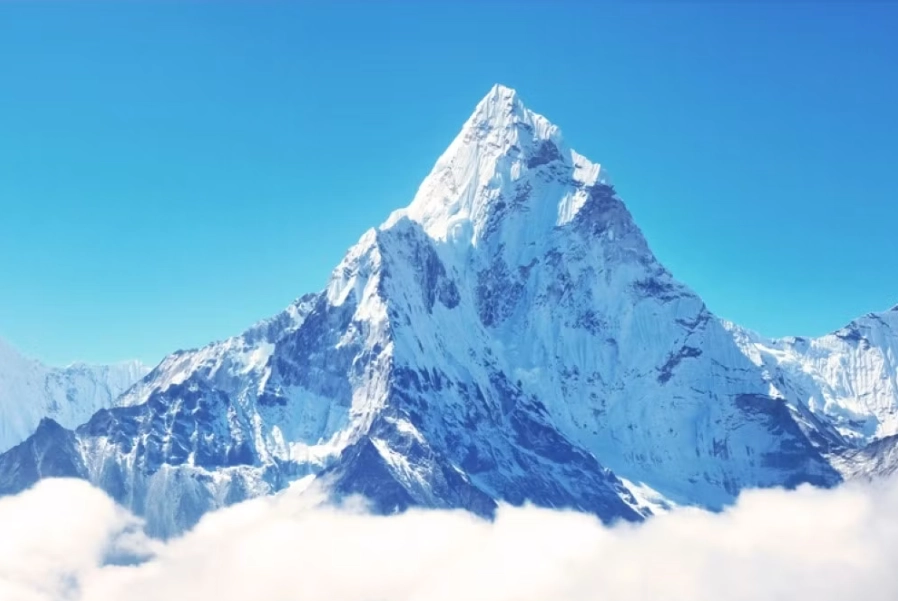
2. K2: The Savage Mountain
If Everest is the world's highest, K2 is arguably the most difficult. It has a far higher fatality rate. The weather is notoriously vicious, windows of good conditions are short, and the climbing is relentlessly technical almost from base camp. There's no "easy" route. The Bottleneck, a steep couloir of ice and seracs just below the summit, is one of the most dangerous passages in all of mountaineering. Success here feels like a genuine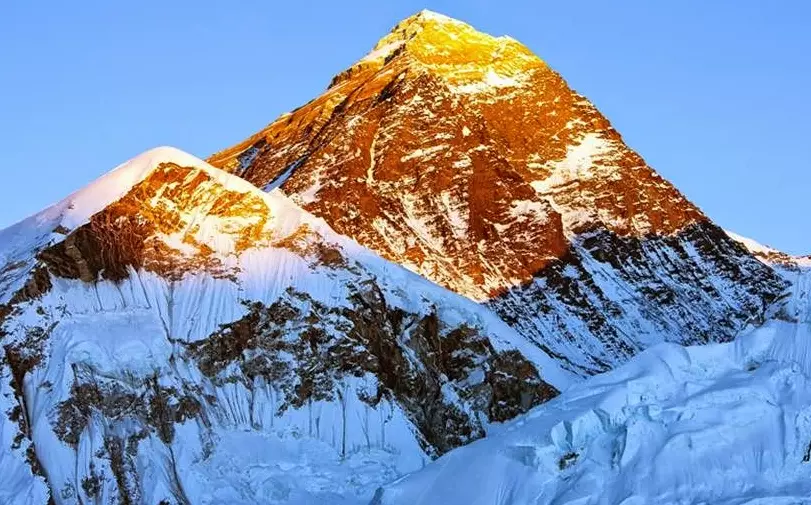 athletic triumph, not a guided tour.
3. Kangchenjunga: The Respectful Giant
Kangchenjunga holds a quiet dignity. It's incredibly remote, and out of respect for local Sikkimese beliefs, most summit parties stop a few meters short of the actual top. It's a massive, complex mountain with five distinct summits. The climbing is serious and sustained, with significant objective dangers from avalanches. It doesn't get the press of Everest or K2, but among seasoned climbers, it commands immense respect.
Lhotse is fascinating because its standard route shares the Everest path until the South Col. Its real prize for elite climbers is the South Face—a sheer, 3.2km wall of ice and rock that is one of the most daunting challenges on the planet. Fewer than 20 people have ever climbed it.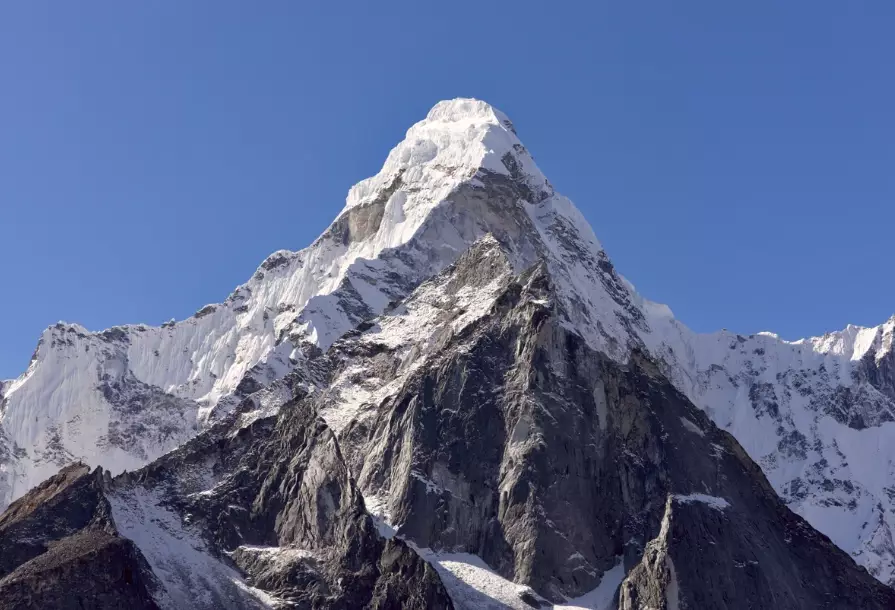
Makalu looks like a perfect, isolated pyramid. That isolation is the problem. Weather systems hit it hard, and its summit ridge is a tricky, exposed knife-edge. It's a climber's mountain, not a tourist destination.
How Are Mountain Heights Measured?
It's not as simple as holding a giant tape measure. Historically, surveyors used trigonometry (triangulation). Today, the gold standard involves GNSS (Global Navigation Satellite System) receivers placed on the summit. Scientists measure the height above the geoid (an imaginary sea-level surface that accounts for Earth's gravity variations), not just mean sea level. Rock and snow height also differ—Everest's official height includes a permanent snow cap. Disputes, like the long-standing one between Nepal and China over Everest's height, are settled by joint surveys, as happened in 2021.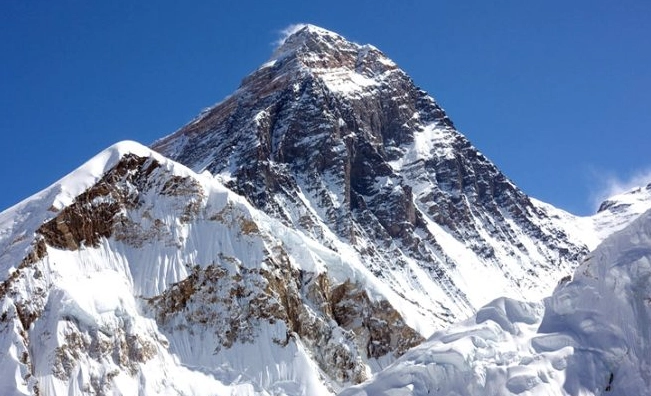
What Does It Take to Climb an 8000er?
Forget the Instagram glamour. Climbing one of these peaks is a brutal, months-long physical and mental siege.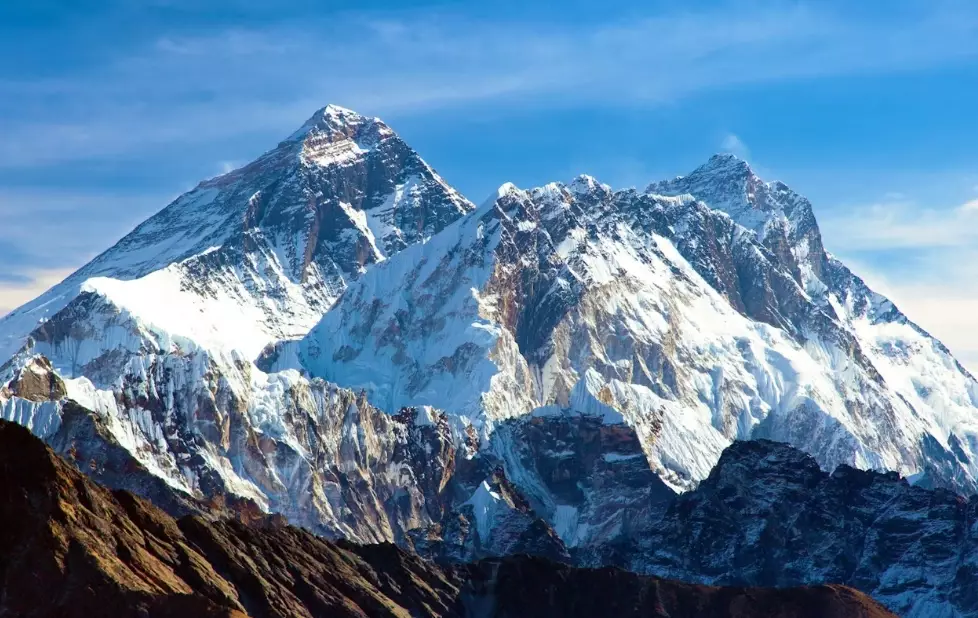
The Three Non-Negotiables
Acclimatization: Your body must adapt to having less oxygen. This involves weeks of "climb high, sleep low," shuttling between camps. Rushing this is the number one cause of failure and death (from edema).
Logistics and Cost: Even a "budget" expedition to an 8000er like Manaslu can cost $25,000. For Everest, expect $45,000-$100,000. This covers permits, Sherpa support, oxygen, food, and base camp infrastructure. You're not just climbing; you're funding a small village on the glacier.
Technical Skill & Fitness: You need to be proficient in ice climbing, crevasse rescue, and moving efficiently over mixed terrain—all while exhausted and hypoxic. Marathon-level cardio is just the baseline.
Looking Beyond the List: Notable Mentions
If we shift the criteria, other incredible peaks enter the conversation.
Highest Mountain from Base to Summit: That's not Everest. It's Denali (6,190m) in Alaska. Its base is at only 600m, so you climb over 5,500m of vertical relief. Everest's base camp on the south side is already at 5,364m.
Highest Unclimbed Mountain: The most famous is likely Gangkhar Puensum (7,570m) in Bhutan, which remains unclimbed due to government restrictions and its technical difficulty.
Most Prominent Mountain: Topographic prominence measures how much a peak stands out from its surroundings. The world leader is Everest, but the second is Denali, again highlighting its massive, standalone rise.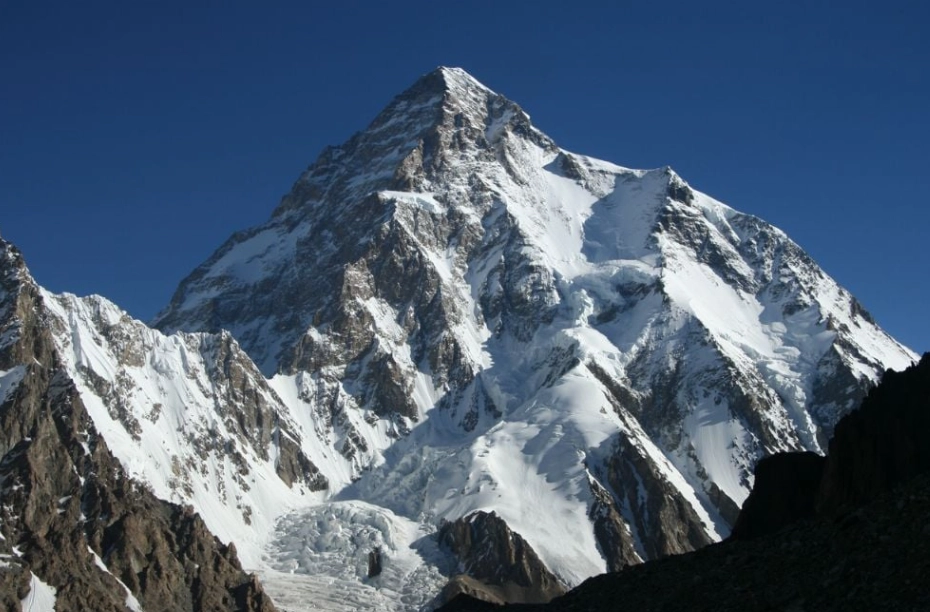
Your Top Mountain Questions Answered
So there you have it. The top 10 highest peaks are more than a static list. They're a dynamic arena of rock, ice, and human ambition. Whether you're an armchair explorer or a seasoned alpinist planning your next objective, understanding the nuances behind these numbers is what transforms simple trivia into a real appreciation for our planet's most extreme landscapes.