What You'll Find in This Guide
Let's cut to the chase: climbing Mount Everest for free isn't a fantasy. I've seen it happen, but it's not about luck. It's about strategy, grit, and knowing where to look. Most people think you need $50,000 or more, but that's only if you go the traditional route. This guide will show you how to bypass the cash barrier. We'll dive into real methods, from landing sponsorships to working your way up the mountain. Forget the fluff—this is the stuff that actually works.
The Reality of Free Everest Climbing
First off, let's be honest. "Free" doesn't mean zero effort or zero cost on your part. It means you're not dipping into your savings to pay for permits, guides, and gear. According to data from the Nepal Tourism Board, a standard Everest expedition can run from $35,000 to $100,000, depending on the operator and services. That includes the $11,000 permit fee for foreigners, logistics, oxygen, and support staff.
Why so expensive? It's not just the mountain being greedy. The costs cover safety measures, environmental fees, and local employment. But here's the kicker: if you're resourceful, you can offset these costs entirely.
Why Everest Costs So Much
Break it down. The permit is non-negotiable—you gotta pay the Nepalese or Chinese government. Then there's gear: high-altitude suits, boots, oxygen systems. Guides and Sherpas, their salaries. Food, base camp setup, medical support. It adds up fast. But think of it as a business expense. If you treat your climb as a project, you can find investors or partners to cover it.
Key Insight: Many climbers fail because they focus solely on saving money, not on building value. Sponsors don't fund dreams; they fund opportunities for exposure or impact. Your job is to make your climb worth their investment.
Practical Strategies to Climb Everest for Free
So, how do you actually do it? I've broken it into three main approaches. None are easy, but all are viable if you're committed.
Securing Sponsorships
This is the most common path. But don't just email random companies asking for money. That's a rookie move. Instead, build a pitch around a story. Are you climbing for a cause? Documenting climate change? Training for a bigger goal? Brands love narratives that align with their values.
Start local. Approach outdoor gear companies in your region. Offer to test their products in extreme conditions. Provide content—photos, videos, blog posts—that they can use for marketing. I know a climber who got a full kit from a mid-sized brand just by promising daily Instagram updates.
Look beyond gear. Energy drinks, tech companies, even banks sponsor adventures. Check reports from the International Mountaineering and Climbing Federation (UIAA) for sponsorship trends. Pitch a proposal that includes measurable ROI, like social media reach or media coverage.
Working as a Guide or Support Staff
If you have mountaineering experience, this is a solid option. Expedition companies often hire assistant guides, cooks, or medical staff. You work your way up, and in exchange, they cover your costs. It's not a free ride—you'll earn it through hard labor.
Reach out to reputable operators like Alpine Ascents or Adventure Consultants. They sometimes have openings for support roles. You'll need certifications: wilderness first responder, avalanche training. Build your resume on smaller peaks first. A friend of mine started as a base camp manager on Aconcagua, then got sponsored for Everest after two seasons.
Media and Content Creation Deals
In today's digital age, content is currency. If you're a decent photographer, writer, or filmmaker, you can trade your skills for a spot on an expedition. Media outlets or production companies might fund your climb in exchange for exclusive coverage.
Pitch to adventure magazines, streaming platforms, or YouTube channels. Have a portfolio ready. Show them you can tell a compelling story. One climber I met landed a deal with a documentary team—they paid his fees, and he helped shoot footage. It's all about leverage.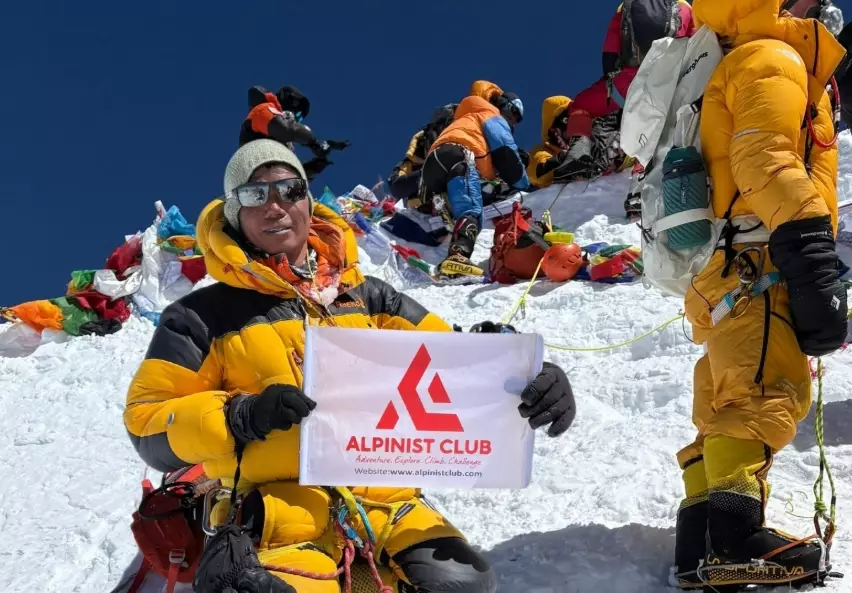
Step-by-Step Plan to Achieve a Free Climb
Let's get tactical. Here's a five-year plan, broken into phases. Yes, it takes time. Rushing this is the biggest mistake I see.
Phase 1: Skill Building (Years 1-2)
- Climb lower peaks: Start with mountains like Kilimanjaro or Denali to build experience.
- Get certified: Take courses in wilderness medicine, technical climbing, and avalanche safety.
- Network: Join climbing clubs, attend expeditions as a volunteer, connect with guides on LinkedIn.
Phase 2: Visibility and Pitching (Years 2-3)
- Create a platform: Start a blog or social media channel documenting your journey. Share insights, not just photos.
- Develop a proposal: Outline your Everest project, including budget, timeline, and value for sponsors.
- Pitch to 50+ companies: Focus on those with a history of adventure sponsorship. Follow up persistently.
Phase 3: Execution and Climb (Years 4-5)
- Secure funding: Once you have commitments, finalize logistics with an operator.
- Train intensively: Focus on endurance, altitude acclimatization, and technical skills.
- Execute the climb: Stick to your plan, but be flexible—mountains are unpredictable.
This isn't a linear process. You might hit setbacks. I once spent six months pitching with no replies, then landed a small sponsor through a friend's referral. Networking trumps everything.
Case Studies: People Who Climbed Everest for Free
Let's look at real examples. These aren't famous names, but ordinary climbers who made it work.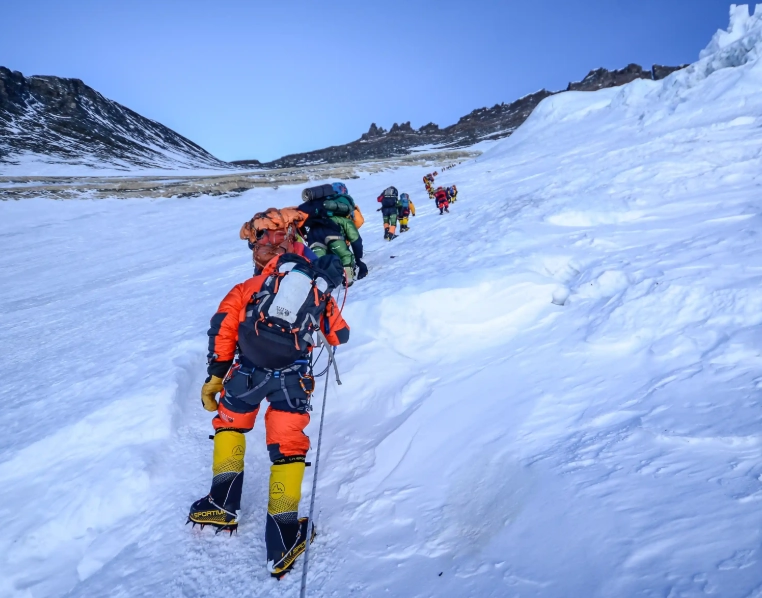
Example 1: The Adventurer-Turned-Blogger
Sarah, a software engineer from Canada, had no climbing background. She started a blog about her journey from couch to Everest. Over three years, she built a following of 20,000 readers. She pitched to a hiking gear company, offering product reviews and branded content. They covered 80% of her costs. She supplemented by guiding treks in Nepal during off-seasons. Her key? Consistency in content and transparent storytelling.
Example 2: The Medical Volunteer
James, a nurse from the UK, volunteered with a medical NGO in Nepal. He offered free first-aid services at Everest Base Camp for two seasons. The expedition company he worked with was impressed and offered him a spot on their team as a medical officer. They waived his fees in exchange for his services. He didn't pay a dime, but he worked 12-hour days during the climb. It's a trade-off, but it got him to the summit.
These cases show there's no one-size-fits-all. Adapt the strategy to your strengths.
Essential Gear and Skills You Still Need
Even if your climb is funded, you can't skimp on preparation. Here's what you must have, regardless of cost.
Gear You Can't Skimp On
Sponsors might provide gear, but ensure it's quality. A faulty oxygen system can be fatal. Essential items include:
- High-altitude boots: Like La Sportiva Olympus Mons or Scarpa Phantom. Test them on colder climbs first.
- Down suit: Must be rated for -40°C. Brands like Mountain Hardwear or The North Face are reliable.
- Oxygen system: Poisk or Topout systems are standard. Know how to maintain them.
I've seen climbers try to save money on used gear—it's a risk not worth taking. Invest in safety, or get sponsors to cover it.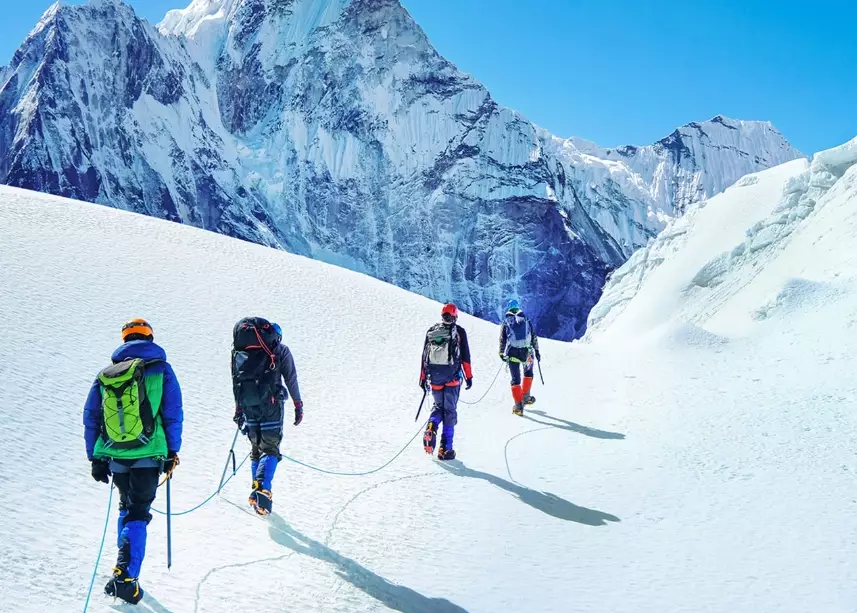
Training Regimen for Everest
Physical training is non-negotiable. A typical week might include:
- Cardio: 5 hours of running or cycling at high intensity.
- Strength training: Focus on legs, core, and back. Squats, deadlifts, pull-ups.
- Altitude simulation: If possible, train on high-altitude treks or use hypoxic tents.
Mental preparation is just as crucial. Everest is a mind game. Practice meditation or visualization techniques. A guide once told me, "The mountain doesn't care about your sponsorship deal." Stay humble and focused.
FAQ: Your Burning Questions Answered
Wrapping up, climbing Everest for free is about shifting your mindset from consumer to creator. You're not buying an experience; you're building one. It demands patience, skill, and a lot of hustle. But standing on that summit without a massive debt? That's a feeling money can't buy. Start small, think big, and keep pushing—the mountain will wait.