If you're planning to climb Everest, you've probably heard about the 2pm rule. It's simple: turn around by 2 PM, no matter how close you are to the summit. Ignore it, and you might not make it back alive. I've seen climbers push past that deadline, driven by summit fever, and end up in situations that still haunt me. This rule isn't some arbitrary guideline—it's born from decades of tragedy and hard science. Let's break down why it exists and how to use it to stay safe.
What You'll Learn in This Guide
What Exactly Is the 2pm Rule on Everest?
The 2pm rule is a safety protocol used by most reputable guiding companies on Mount Everest. It states that climbers must reach the summit by 2:00 PM local time on summit day. If they haven't summited by then, they must turn around and descend immediately, regardless of their progress. This applies to both the south side (Nepal) and north side (Tibet) routes.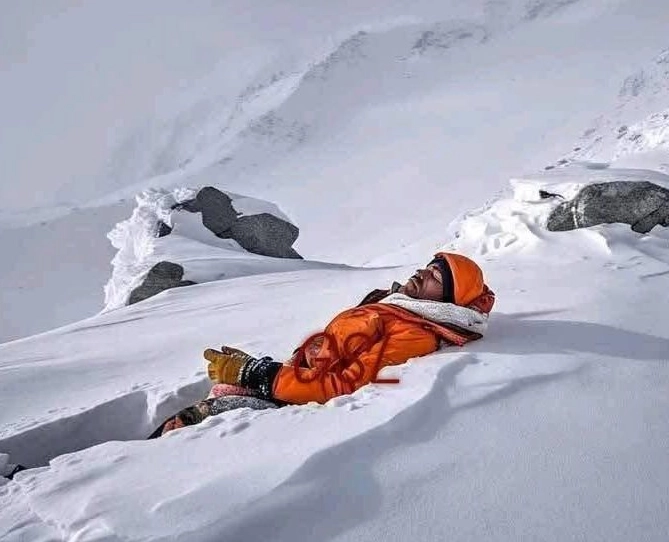
Why such a strict cutoff? It's not about being lazy or cautious—it's about survival. Above 8,000 meters, in the so-called "Death Zone," your body is literally dying. Oxygen levels are a third of what they are at sea level, temperatures can plummet to -30°C (-22°F), and weather shifts in minutes. The rule ensures you have enough daylight and energy to get back to high camps before conditions deteriorate.
Key point: The 2pm rule isn't just for Everest; similar deadlines exist on other high peaks like K2 or Annapurna, but Everest's popularity has made this rule iconic. Guides enforce it rigidly, and climbers who disobey often face consequences like being banned from future expeditions.
The Science Behind the 2pm Deadline
Let's get into the nitty-gritty. Why 2 PM specifically? It's based on a combination of factors: weather patterns, human physiology, and logistical constraints.
Weather Windows on Everest
On Everest, afternoons are notoriously unstable. Jet streams, which are high-altitude winds, often pick up speed later in the day. By mid-afternoon, wind speeds can exceed 50 mph, making climbing impossible and increasing the risk of frostbite or being blown off the ridge. Additionally, clouds tend to roll in, reducing visibility and causing whiteout conditions. The Himalayan Database, a trusted source for climbing statistics, shows that most accidents occur after 2 PM due to sudden weather changes.
Oxygen Depletion and Fatigue
Your body burns through supplemental oxygen tanks faster than you think. A typical climber uses about 2-3 liters per minute from tanks, and those tanks last 6-8 hours. If you summit late, you might run out of oxygen on the descent, leading to hypoxia—a state where your brain and muscles shut down. I remember a climber in 2019 who summited at 3 PM; he ran out of oxygen on the way down and had to be rescued, suffering severe frostbite. It's a brutal reminder.
Here's a quick table showing the timeline risks if you ignore the 2pm rule:
| Time Past 2 PM | Primary Risks | Likely Outcome |
|---|---|---|
| 2:00 PM - 3:00 PM | Increasing wind, lower visibility | Slower descent, higher fatigue |
| 3:00 PM - 4:00 PM | Oxygen depletion, temperature drop | Hypoxia, frostbite risk |
| After 4:00 PM | Darkness, severe weather | Stranded, need for rescue or fatality |
Daylight and Descent Time
From the summit to Camp 4 (South Col) or Camp 3 (North Side), the descent takes 4-6 hours for experienced climbers. If you summit at 2 PM, you have about 4-5 hours of daylight left in May (the prime climbing season). Push past that, and you're descending in the dark, with headlamps that can fail in extreme cold. It's a recipe for disaster.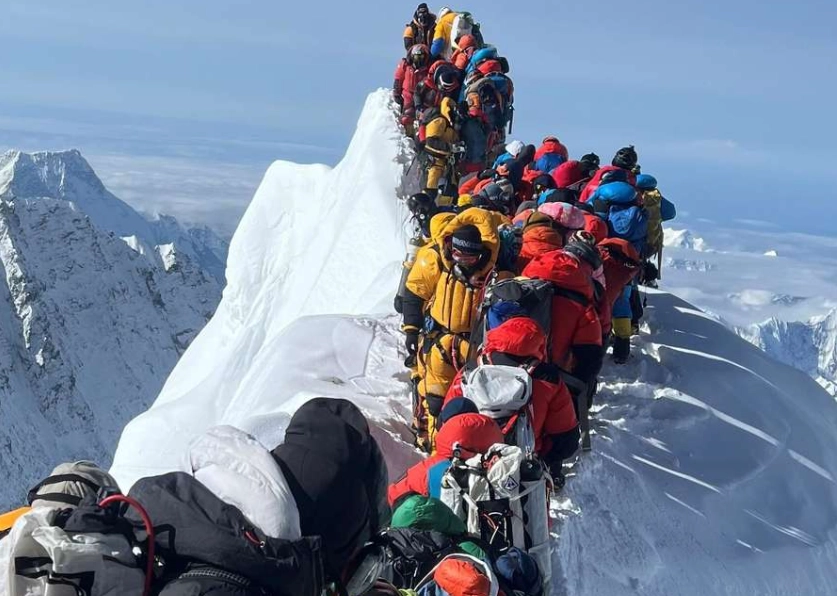
Where the Rule Came From: Real-Life Case Studies
The 2pm rule wasn't invented overnight. It evolved from tragedies that highlighted the need for a hard deadline. Let's look at two pivotal events.
1996 Everest Disaster: This is the most famous case. During the storm on May 10-11, several climbers summited late—some after 2 PM. Rob Hall, a guide, famously stayed with a client past the turnaround time and perished. Jon Krakauer's book Into Thin Air details how delayed summits contributed to the chaos. After this, guiding companies formalized the 2pm rule to prevent similar mistakes.
2012 Season: In a less publicized incident, a commercial team on the north side ignored the rule due to pressure from clients. They summited around 3:30 PM and faced brutal winds on the descent. Two climbers suffered severe frostbite and had to be evacuated by helicopter, costing over $50,000 in rescue fees. The guide later admitted it was a "colossal error in judgment."
These cases show that the rule isn't just theoretical. It's written in blood and ice. I've talked to Sherpas who've retrieved bodies of those who pushed too late, and they all say the same thing: stick to the deadline.
How to Actually Follow the 2pm Rule: A Step-by-Step Plan
Knowing the rule is one thing; executing it is another. Here's a practical plan based on my own expeditions and advice from veteran guides like those at Alpine Ascents International.
Step 1: Start Early, Really Early
Summit day begins around midnight. Yes, you're climbing in the dark, but that's intentional. It gives you a buffer. Aim to leave Camp 4 by 12 AM, so you have 14 hours to summit and return. If you're slower than expected, you can adjust.
Step 2: Monitor Your Pace
Use checkpoints. For the south side route:
- Balcony (8,400m) by 6 AM
- South Summit (8,750m) by 10 AM
- Summit (8,848m) by 2 PM
If you're behind schedule at any point, discuss with your guide about turning around. Don't wait until 2 PM—be proactive.
Step 3: Communicate with Your Team
This is crucial. Guides should set clear expectations, but as a climber, speak up if you're struggling. I've seen clients hide their fatigue to avoid disappointment, only to endanger everyone. A good guide will check in regularly and enforce turnbacks if needed.
Step 4: Have a Contingency Plan
What if weather changes suddenly? Or you get sick? Always carry extra oxygen, snacks, and a backup headlamp. Some teams use GPS trackers to monitor progress. If you're alone (which I don't recommend), set personal alarms for turnaround times.
It sounds straightforward, but on the mountain, with adrenaline pumping, it's easy to ignore. Discipline is key.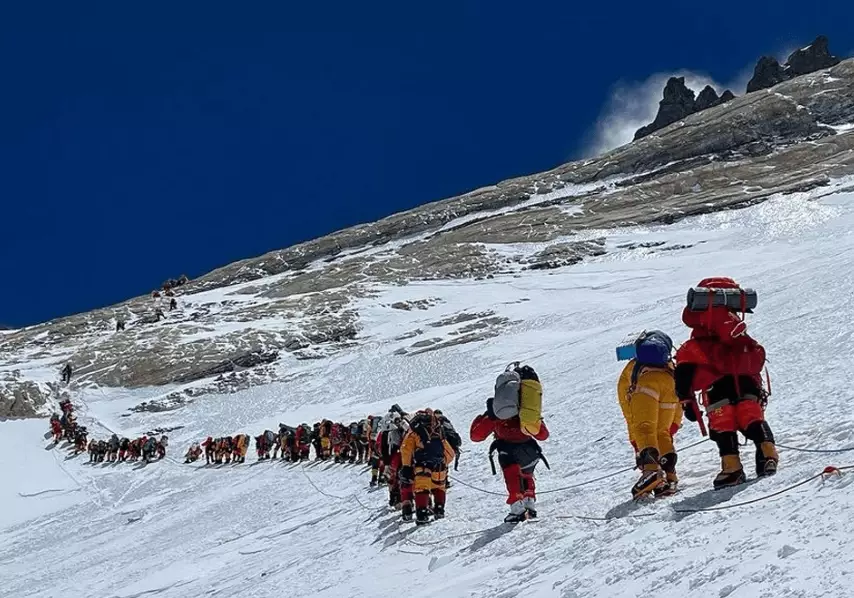
Common Mistakes Climbers Make (And How to Avoid Them)
Even experienced climbers slip up. Here are pitfalls I've observed over the years.
Mistake 1: Underestimating the Descent
People focus so much on summiting that they forget the descent is often harder. You're exhausted, oxygen is low, and concentration wanes. Solution: Train for descents in your preparation—practice downclimbing techniques and conserve energy on the way up.
Mistake 2: Relying Too Much on Guides
Some climbers assume the guide will handle everything. But guides can be pressured by clients or commercial interests. In 2019, a well-known company had a guide who let clients summit past 2 PM because they paid extra. It ended badly. Solution: Take responsibility for your own safety. Know the rule and insist on following it, even if others are pushing forward.
Mistake 3: Ignoring Early Warning Signs
Headaches, nausea, or slowing pace are red flags. Many think they can push through, but at high altitude, that's deadly. Solution: Listen to your body. Turn around if you feel off, even if it's before 2 PM. The mountain will always be there; your life might not.
Mistake 4: Summit Fever
This is the big one—the psychological drive to reach the top at all costs. I've felt it myself; after investing $50,000 and months of effort, turning back feels like failure. But it's not. Solution: Reframe success as returning alive, not just summiting. Talk to your team about this mindset before the climb.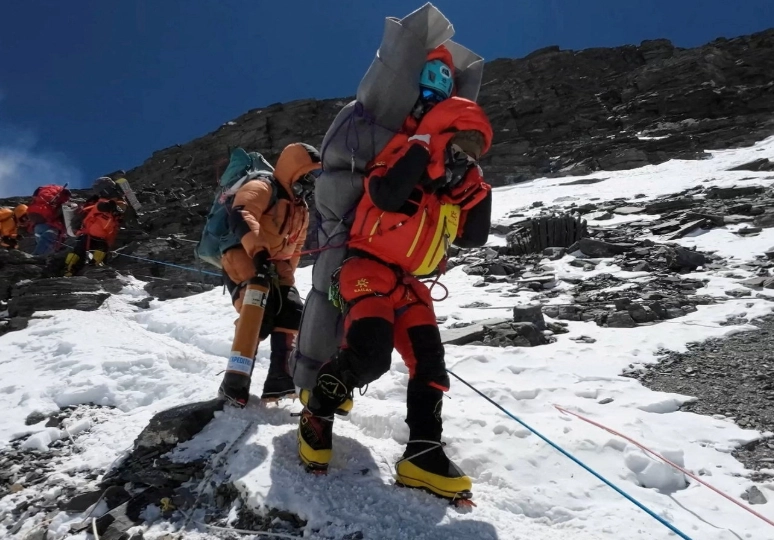
Your Burning Questions About the Everest 2pm Rule
Wrapping up, the 2pm rule on Everest isn't just a line in a guidebook—it's a lifeline. Whether you're a first-time climber or a seasoned mountaineer, respecting this deadline can mean the difference between a successful expedition and a tragedy. Plan meticulously, listen to experts, and remember that the mountain doesn't care about your dreams. Stay safe out there.