You see it in every gear list, every seasoned hiker's pack, and on the feet of anyone tackling more than a paved trail. Thick socks. They look cozy, sure, but on a hot summer day, the choice seems counterintuitive. As someone who's logged thousands of miles and made every foot-care mistake in the book (including a miserable 3-day trek in thin cotton socks that I still regret), I can tell you the reason isn't about fashion or even just comfort. It's a critical, non-negotiable piece of functional equipment. The short answer? Thick socks are your primary defense against blisters, provide essential cushioning, manage moisture, and regulate temperature. Choosing the wrong pair is the fastest way to turn a dream hike into a painful limp.
What You'll Learn
- Reason 1: They're Your Blister Armor (The Friction Fight)
- Reason 2: They're Natural Shock Absorbers
- Reason 3: They're Active Moisture Managers
- Reason 4: They're Smart Temperature Regulators
- Reason 5: They Create the Perfect Fit
- The Material Breakdown: What Are Thick Hiking Socks Made Of?
- Choosing the Right Thick Sock: A Scenario-Based Guide
- 3 Common Thick Sock Mistakes Even Experienced Hikers Make
- Your Thick Hiking Sock Questions, Answered
Reason 1: They're Your Blister Armor (The Friction Fight)
This is the big one. Blisters form from shear force—the repetitive rubbing of your skin against your shoe. A thin sock offers zero buffer. Your skin takes the full brunt of every micro-movement. A thick, cushioned sock, however, absorbs that friction internally. The layers of the sock rub against each other, not your skin. Think of it as moving the battlefront away from your epidermis.
I learned this the hard way on the West Coast Trail. Day one with medium-weight socks: two hot spots. Day two, switching to a heavily cushioned pair specifically designed for backpacking? Zero new issues. The difference wasn't the break-in; it was the physics. The American Podiatric Medical Association notes that proper socks are a first-line defense against friction injuries. A thick sock with targeted cushioning in the heel, ball, and toe box acts like a sacrificial layer.
Reason 2: They're Natural Shock Absorbers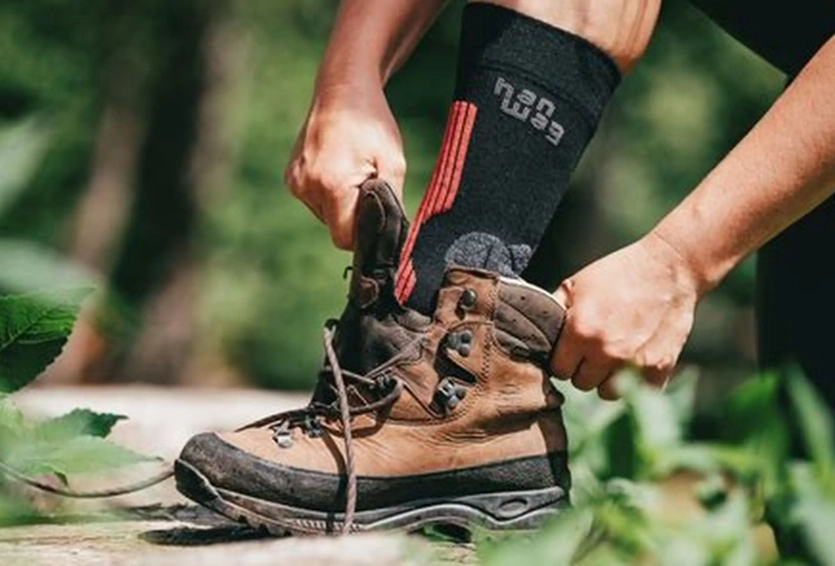
Every step on a trail delivers impact. On a 10-mile hike, that's tens of thousands of shocks to your feet, joints, and spine. While your shoes provide the primary cushioning, thick socks add a secondary, conforming layer of protection. They compress under pressure, dispersing the force over a wider area of your foot.
Compare walking on concrete in dress socks versus in plush hiking socks. The latter feels noticeably less jarring. On rocky, uneven terrain, this extra cushioning reduces fatigue and can help prevent conditions like metatarsalgia (pain in the ball of the foot). It's not about making the ground soft; it's about giving your body a little more time to decelerate with each step.
Reason 3: They're Active Moisture Managers
Here's a paradox: a good thick sock keeps your feet drier than a thin one. How? Material and loft. High-quality hiking socks are made from moisture-wicking fibers like merino wool or synthetic blends (polyester, nylon). These fibers pull sweat away from your skin into the body of the sock.
The thickness, or loft, is key. It creates air pockets that hold the moisture away from your skin, allowing it to evaporate. A thin cotton sock gets saturated instantly, sticks to your foot, and becomes a soggy, abrasive, blister-inducing mess. A thick merino wool sock can absorb a significant amount of moisture (up to 30% of its weight, according to wool industry studies) while still feeling relatively dry to the touch.
Reason 4: They're Smart Temperature Regulators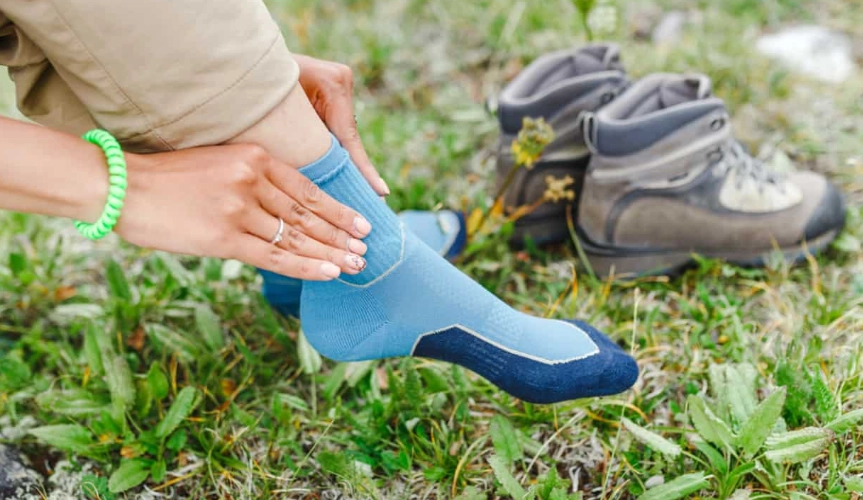
This function works both ways, which is why thick socks aren't just for winter. In the cold, the trapped air in the loft of the sock acts as insulation, keeping warmth close to your skin. In the heat, that same principle of loft and moisture management helps with cooling. As moisture evaporates from the sock, it draws heat away from your foot.
A common mistake is assuming "thick" equals "hot." A thick, breathable merino sock in summer is often cooler than a thin, non-wicking sock that's soaked with sweat and conducting heat directly. The right thick sock provides a stable microclimate for your foot.
Reason 5: They Create the Perfect Fit
Your hiking boots or shoes should be fitted while wearing the socks you intend to hike in. A thick sock fills out the interior volume of your shoe, minimizing dead space where your foot can slide around. This sliding is a primary cause of blisters and black toenails. The sock creates a snug, custom fit that locks your heel in place and prevents your toes from jamming into the front of the shoe on descents.
If your boots feel roomy with thin socks, you're inviting trouble. The thick sock is the essential interface that completes the footwear system.
The Material Breakdown: What Are Thick Hiking Socks Made Of?
Not all thick socks are created equal. The material is everything. Here’s a quick comparison of the two champions:
| Material | Best For | Key Benefits | Potential Drawback |
|---|---|---|---|
| Merino Wool | Multi-day trips, variable weather, sensitive skin. | Naturally moisture-wicking, odor-resistant, temperature-regulating, soft (non-itchy). | Less durable than synthetics, can be more expensive, dries slower. |
| Synthetic Blends (Polyester, Nylon, Spandex) | Fast-and-light day hikes, wet conditions, high durability needs. | Extremely durable, dries very quickly, often more affordable. | Can hold odors more than wool, may feel less "breathable" to some. |
Most premium hiking socks use a blend of both, like a merino wool core for comfort and a synthetic outer layer for durability and fit. Avoid cotton at all costs—it's a sponge that loses all insulating power when wet and abrades skin easily.
Choosing the Right Thick Sock: A Scenario-Based Guide
"Thick" is a spectrum. Here’s how to match the cushioning level to your activity:
For Summer Day Hikes (Moderate Cushion)
You want moisture management and light padding. Look for socks labeled "light cushion" or "hiking crew." They’ll have padding in the heel and ball of the foot but be thinner elsewhere. A merino/synthetic blend is perfect here.
For Backpacking & Multi-Day Treks (Full Cushion)
This is where maximum protection comes in. Choose socks explicitly labeled "maximum cushion" or "backpacking." They’ll have deep, plush padding throughout the footbed and often up the ankle. This is worth the investment—your feet are carrying everything.
For Winter & Alpine Hiking (Heavyweight/Insulated)
Beyond cushioning, you need warmth. Look for heavyweight socks, sometimes with added wind-resistant panels. They’ll be noticeably bulkier and are designed to be worn with larger-sized insulated boots. A high-merino content blend is ideal for warmth even when damp.
3 Common Thick Sock Mistakes Even Experienced Hikers Make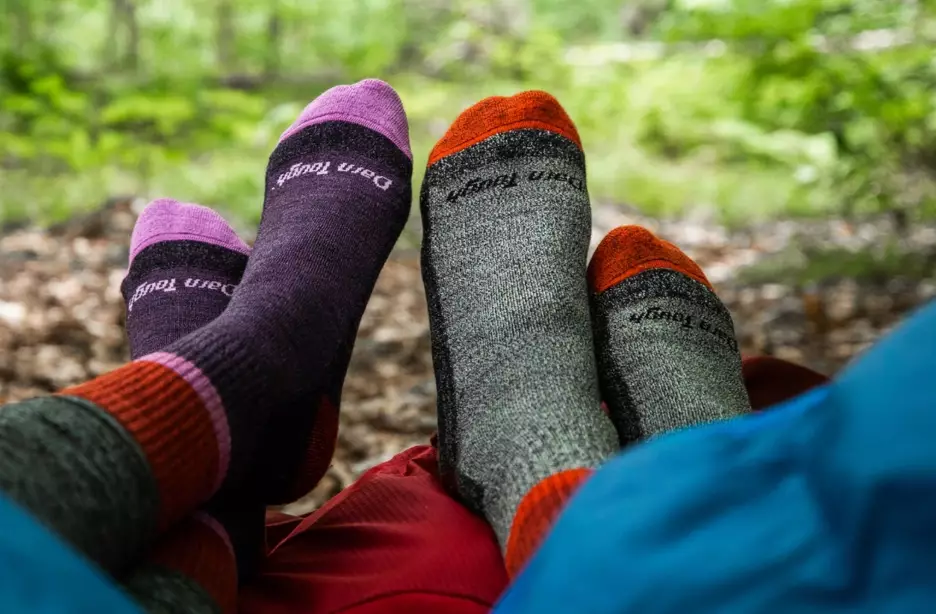
I’ve seen these on the trail more times than I can count.
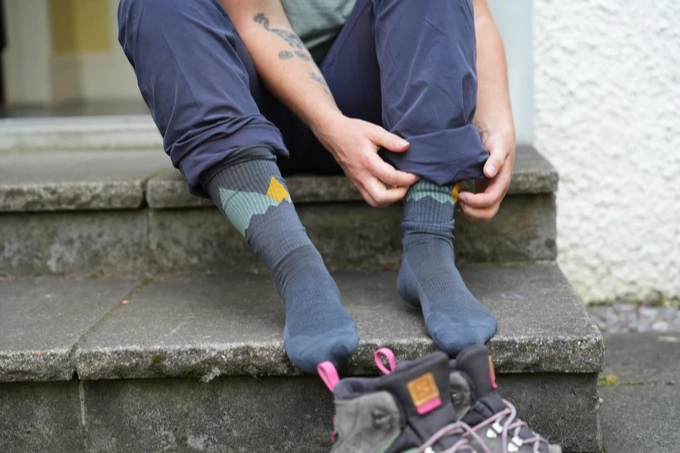
1. Wearing them with shoes that are now too tight. The number one cause of discomfort. If you upgrade your socks, re-evaluate your shoe fit. You might need a half-size larger boot.
2. Not changing them often enough on multi-day trips. They get compressed and saturated with salts and oils. Always carry multiple pairs. A fresh, dry sock is a morale miracle.
3. Ignoring the seam. A bulky, poorly placed seam on the toe can cause a hotspot just as fast as a poorly fitted shoe. Look for socks with "flat-knit" or "seamless" toe closures.
Your Thick Hiking Sock Questions, Answered
 Can I just wear two pairs of thin socks instead of one thick pair?
The choice to wear thick socks isn't about tradition or following a trend. It's a direct application of material science and biomechanics to solve the fundamental problems a hiker's feet face. They are the unsung hero of comfort and endurance on the trail. Investing in the right pair is one of the highest-return decisions you can make for your hiking enjoyment. Your feet will thank you by the end of the first mile, and every mile after.