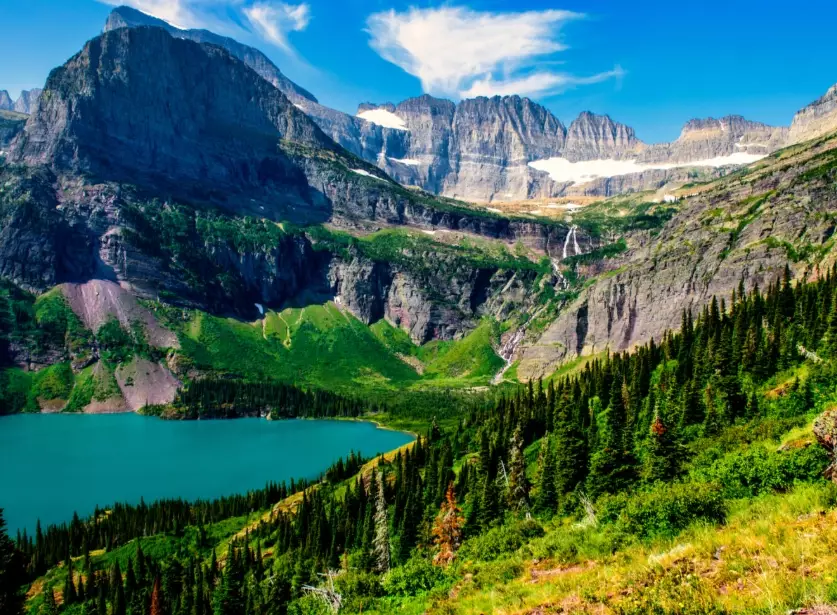
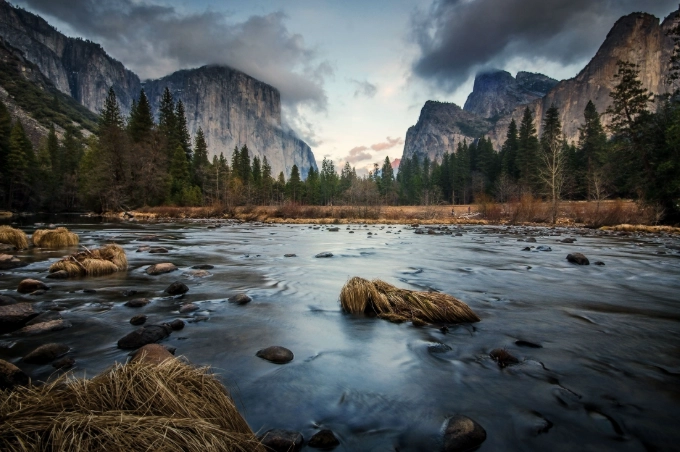
"Does Alabama have hiking trails?" I get that question a lot, usually from folks whose mental map of great American hiking starts at the Smokies and ends in the Rockies. Let me cut to the chase: not only does Alabama have trails, it has some of the most surprisingly diverse and rewarding hikes in the Southeast. We're talking about misty canyons in the Sipsey Wilderness, the highest point in the state atop Cheaha Mountain, and tranquil coastal boardwalks where alligators might be your trail companions.
The misconception is understandable. Alabama's outdoor brand isn't as loud as some states. But that's part of the charm—you often get these incredible landscapes without the overwhelming crowds.
What You'll Find in This Guide
Alabama's Top Hiking Destinations
Forget the generic lists. These are the places I keep going back to, each with a distinct personality.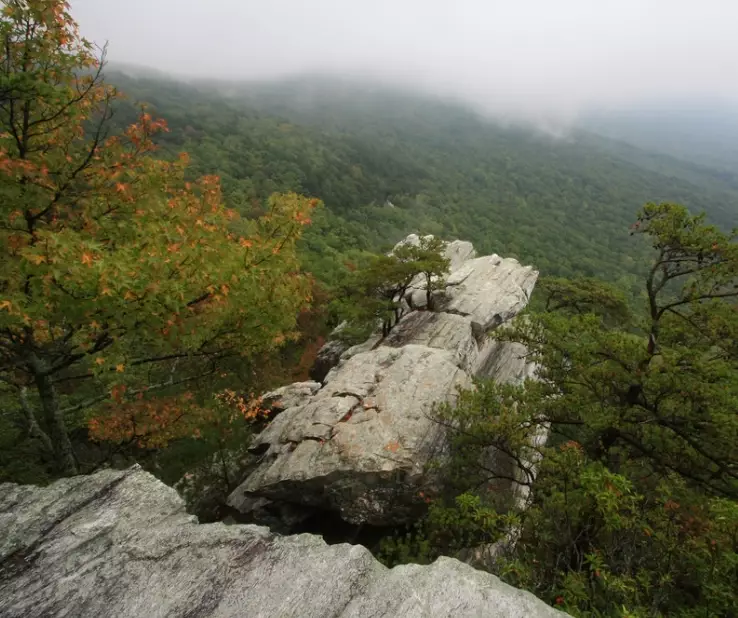
1. Cheaha State Park & Talladega National Forest
This is Alabama's mountain heart. Cheaha is the state's highest point (2,413 ft), but the real magic is in the network of trails connecting the park to the surrounding Talladega National Forest. The Pinhoti Trail runs right through here—you can do a tough, rewarding section like the 4.5-mile (one-way) climb from the Turnipseed Hunter Camp to Cheaha Summit.
My personal favorite for a shorter, wow-factor hike is the Pulpit Rock Trail. It's a moderate 2-mile out-and-back that ends on a rocky outcrop with views that feel like they belong in North Carolina. The park charges a $5 per vehicle entry fee. Get there early on weekends; the parking lot at the trailhead is small.
Pro Tip Most Miss: Everyone heads to Bald Rock Boardwalk (which is great for accessibility). But for a more solitary, equally stunning view, take the Rock Garden Trail from the Lake Cheaha area. It's rougher, less crowded, and you'll feel like you discovered a secret.
2. Sipsey Wilderness (Bankhead National Forest)
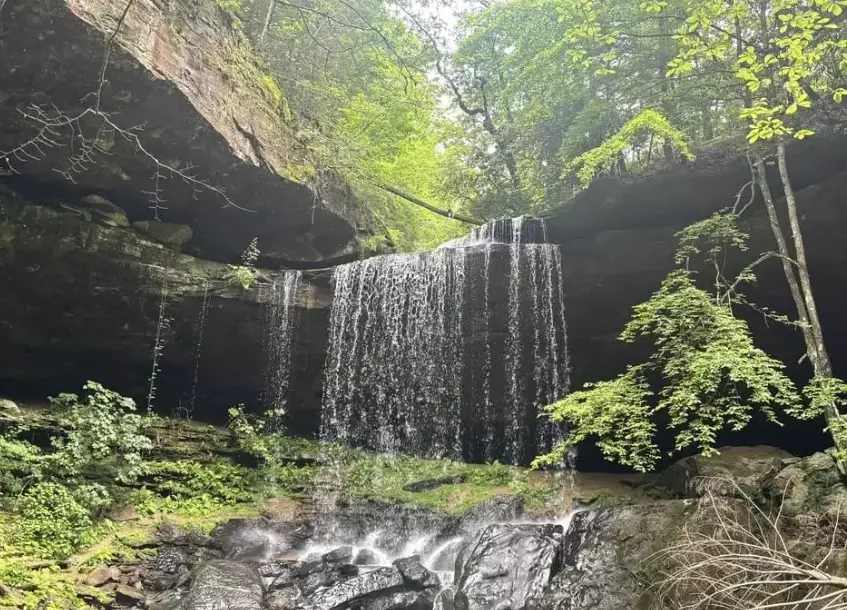
They don't call it the "Land of a Thousand Waterfalls" for nothing. This is Alabama's only designated wilderness area, meaning no bikes, no developed campgrounds right on the trails—just pure, rugged hiking. The trails aren't always perfectly blazed, so a good map or GPS is non-negotiable.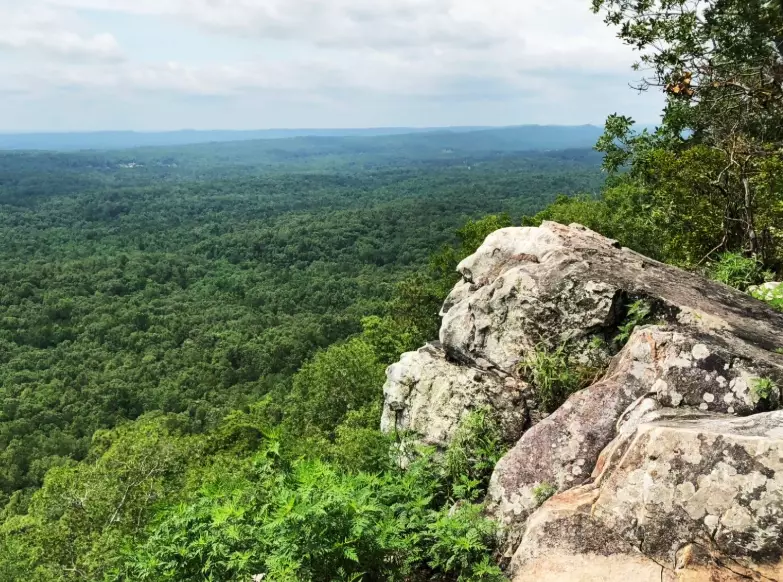
Start with the classic Trail 209 (Sipsey River Trail). You can access it from the Sipsey River Picnic Area. Within a mile or two, you're walking alongside the clear Sipsey River, past sandstone bluffs and small waterfalls. It's an out-and-back, so you can make it as long or short as you want. Backcountry camping is allowed, but practice strict Leave No Trace principles. There's no entrance fee for the national forest.
3. Oak Mountain State Park (Birmingham Area)
This is the workhorse of Alabama hiking. Just south of Birmingham, it's massive—over 50 miles of trails. It's perfect for beginners, families, and trail runners. The Red Trail (King's Chair Loop) is about 10 miles and gives you a taste of everything: lakes, ridges, and a great overlook at King's Chair.
If you're short on time, the Green and Blue Trail loop around Double Oak Lake is an easy 2.5 miles. Entry is $5 per adult, $2 for kids. The park is open 7am to sunset. It can get busy, but the trail system is extensive enough to find solitude if you venture beyond the first lake.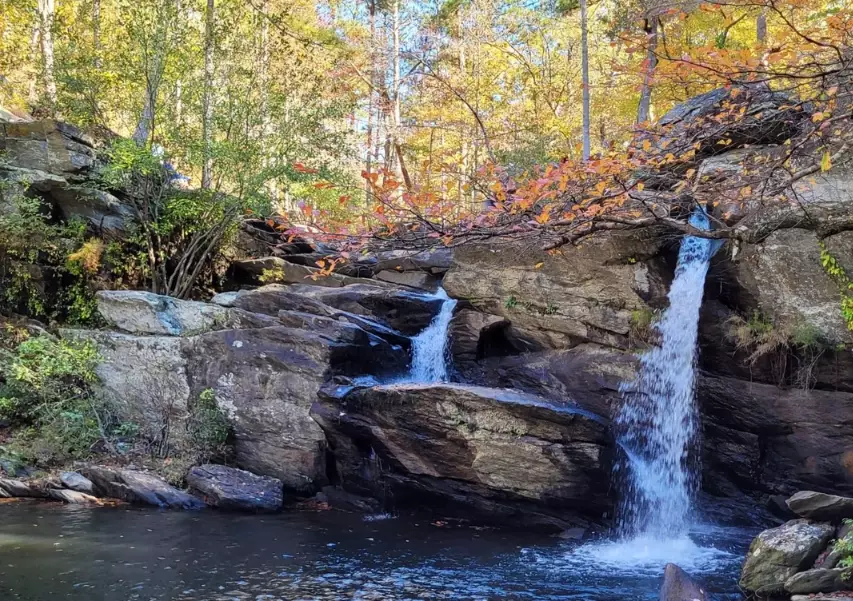
| Destination | Best For | Must-Do Trail | Fee | Address (Trailhead Example) |
|---|---|---|---|---|
| Cheaha State Park | Summit Views, Rugged Terrain | Pulpit Rock Trail | $5/vehicle | 19644 AL-281, Delta, AL 36258 |
| Sipsey Wilderness | Waterfalls, Backpacking, Solitude | Sipsey River Trail (209) | Free | FS Rd 208, Double Springs, AL 35553 |
| Oak Mountain State Park | Families, Beginners, Long Runs | King's Chair Loop (Red Trail) | $5/adult | 200 Terrace Dr, Pelham, AL 35124 |
| Gulf State Park | Coastal & Boardwalk Hiking, Wildlife | Gulf State Park Pier Trail | $6/vehicle | 20115 AL-135, Gulf Shores, AL 36542 |
Planning Your Alabama Hike: The Nitty-Gritty
Alright, you're convinced. Now, how do you actually do it?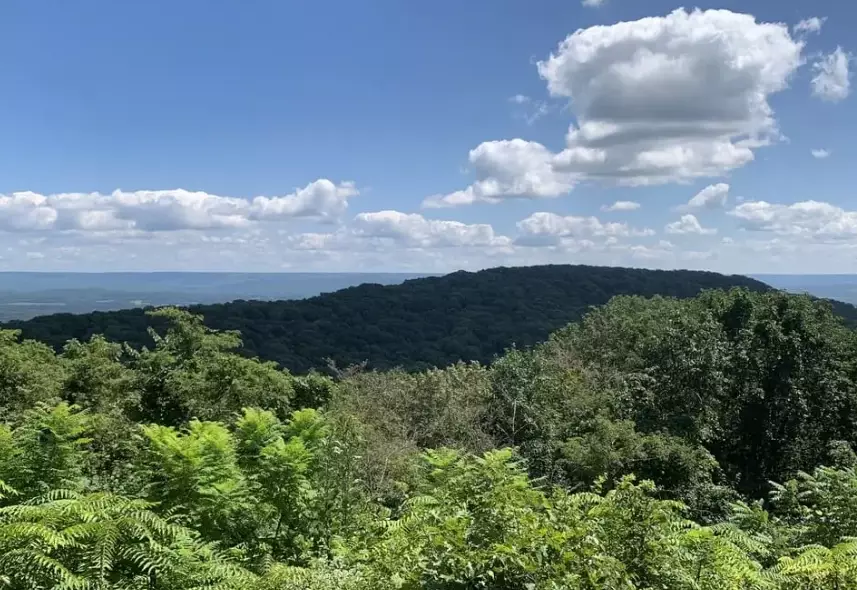
Getting There & Around: You'll need a car. Major airports are in Birmingham (BHM), Huntsville (HSV), and Mobile (MOB). Rent one. Public transport to trailheads is non-existent. Google Maps is generally reliable for directions to park entrances, but for specific wilderness trailheads like in Sipsey, download offline maps beforehand. Cell service vanishes fast.
Permits and Passes: It's simple. State Parks: pay the daily gate fee or invest in an Annual State Parks Passport ($85 for individuals, $105 for families) if you'll visit 4+ times a year. National Forests (Talladega, Bankhead): No permit needed for day hiking or general backcountry camping. Always check the official Alabama State Parks or USDA Forest Service websites for alerts like prescribed burns or trail closures.
When to Go: Beating the Heat and the Crowds
This is critical. Hiking in Alabama in August is a different sport than hiking in October.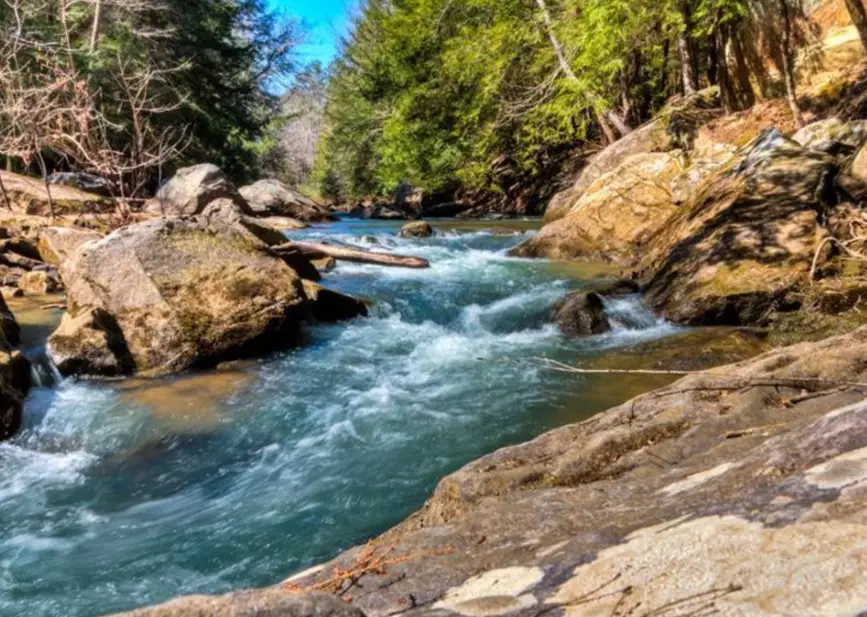
Prime Time (October - November, March - April): This is hiking heaven. Temperatures are mild, humidity is down, bugs are retreating (or not yet rampant), and fall colors or spring wildflowers are a bonus. Weekdays are blissfully quiet.
The Summer Challenge (June - September): It's hot. It's humid. The air feels thick. You can hike, but you must adapt. Start at dawn. Be off the trail by 11 AM. Carry double the water you think you need—I aim for a liter per hour. Stick to shorter, shadier trails near water. And for heaven's sake, wear moisture-wicking clothing and bring electrolyte tabs.
I learned this the hard way on a July hike at Oak Mountain. Started at 10 AM with two liters. By noon, I was out of water, drenched, and my pace had slowed to a crawl. Never again.
What to Pack: Alabama-Specific Gear Tips
Beyond the usual ten essentials, here's what matters here: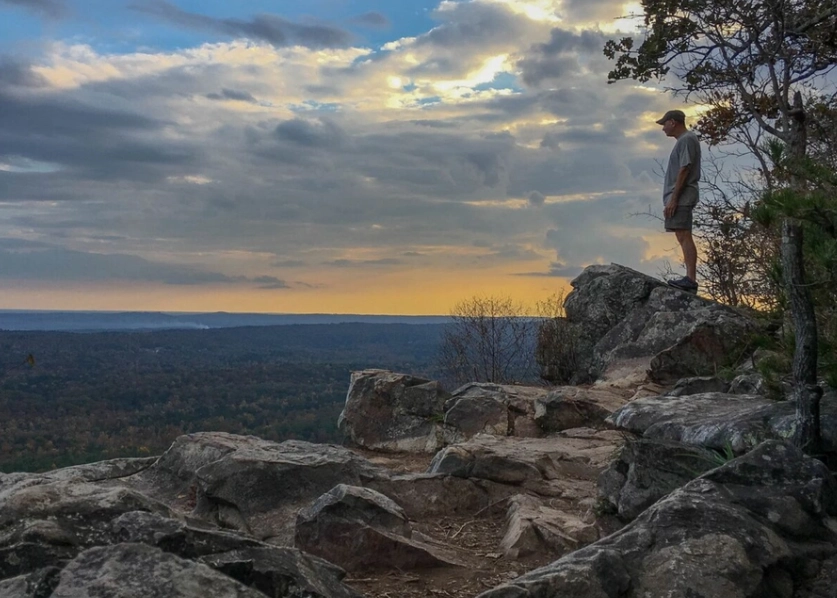
- Water Filtration: Streams and rivers look inviting, but giardia doesn't care. A Sawyer Squeeze filter is my go-to for topping up bottles on long hikes, especially in Sipsey.
- Trekking Poles: Not just for mountains. They're lifesavers on muddy, slick Alabama clay trails after a rain and for creek crossings.
- Bug Defense System: In warm months, this is non-negotiable. Permethrin-treated clothing (shirts, pants) is a game-changer. Pair it with a picaridin-based spray for exposed skin. Trust me, the mosquitoes and ticks are prolific.
- Footwear with Grip: Trails can be rocky, rooty, or downright muddy. Trail runners or hiking boots with aggressive lugs (like Vibram Megagrip) are better than smooth-soled shoes.
Your Alabama Hiking Questions Answered
Are there any beginner-friendly hikes in Alabama that aren't too crowded?
I'm worried about wildlife. What should I be aware of?
Can I bring my dog hiking in Alabama?
So, does Alabama have hiking trails? The answer isn't just yes—it's an invitation. It's an invitation to stand on a quartzite outcrop at Cheaha, to feel the spray from a hidden waterfall in the Sipsey, and to watch the sun set over a longleaf pine forest. The trails are here, waiting. You just have to know where to look and come prepared for the unique, humid, and wonderfully wild character of hiking in the Heart of Dixie.