Let's cut to the chase. Mountaineering isn't a hike with a better view. It's a commitment to moving through an environment that doesn't care if you make it back. I've spent over a decade in the mountains, from the Rockies to the Alps, and the difference between a great story and a tragedy often boils down to a handful of decisions made before you even feel the thin air. Safety isn't about a list of rules to check off. It's a mindset, a continuous process of assessment and humility in the face of raw, powerful nature.
This guide isn't for ticking boxes. It's for building the judgment that keeps you alive. We're moving beyond "wear a helmet" and into the subtle, often-missed signals that separate prepared climbers from statistics.
Your Safety Navigation
The Four Pillars of Mountain Safety
Think of these as the foundation. Get one wrong, and the whole structure gets shaky.
1. The Plan (And Telling Someone)
This is the most violated rule I see. A plan isn't "going up the north face." It's a document. It includes your exact route, alternates, trailhead, vehicle make and plate, every person in your party, and a hard turn-back time. Then, you give it to someone reliable who will call for help if you don't check in. Not a roommate who might forget, but someone who will act. The National Park Service consistently cites failure to leave a trip plan as a major factor in prolonged rescues.
Your plan must also include a frank self-assessment. Are you actually fit for 2,000 meters of gain with a pack? Does your partner know how to use the gear you're bringing?
2. Gear: Your Life Depends on It
Forget the shiny new tech for a second. Reliability is king. Every piece should be checked, understood, and redundant where it counts.
Here’s a non-negotiable table. This isn't exhaustive, but it covers the critical basics often forgotten.
| Category | Essential Items | Common Mistake |
|---|---|---|
| Protection | Helmet, harness, appropriate rope, rack (cams, nuts, ice screws). | Using a hiking helmet for climbing (different impact standards). Not replacing a rope after a major fall. |
| Navigation | Detailed paper map, compass, GPS device (with extra batteries). | Relying solely on a phone. Phones die, screens shatter, and apps fail. |
| Insulation | Base, mid, and waterproof outer layers. Extra socks, gloves, hat. A puffy jacket for stops. | "It's warm at the trailhead" thinking. Cotton kills—it loses insulation when wet. |
| Emergency | First aid kit, headlamp, fire starter, emergency shelter (bivy sack), multi-tool. | A kit tailored for blisters, not for a broken ankle or a long, unexpected night out. |
| Sustenance | Extra food (1 day minimum), extra water + purification, electrolytes. | Underestimating calorie burn at altitude. Dehydration masks itself as fatigue. |
3. Weather: Reading Between the Forecasts
Checking Mountain-Forecast.com the night before isn't enough. You need to understand trends. I use a three-layer approach:
- Macro: The general forecast for the region (from the National Weather Service).
- Meso: Mountain-specific forecasts, noting wind speed more than temperature. Wind chill is a silent killer.
- Micro: What you see and feel. Clouds building on the leeward side? Wind shifting and picking up? That's your real-time data, and it trumps the morning's forecast.
I turned around on a seemingly perfect Colorado 14er once because of a sudden, sustained wind increase. My partner thought I was being overly cautious. An hour later, a storm we never saw coming from the other side of the range lashed the summit with 60mph winds and whiteout conditions. The forecast had said 20% chance of precipitation.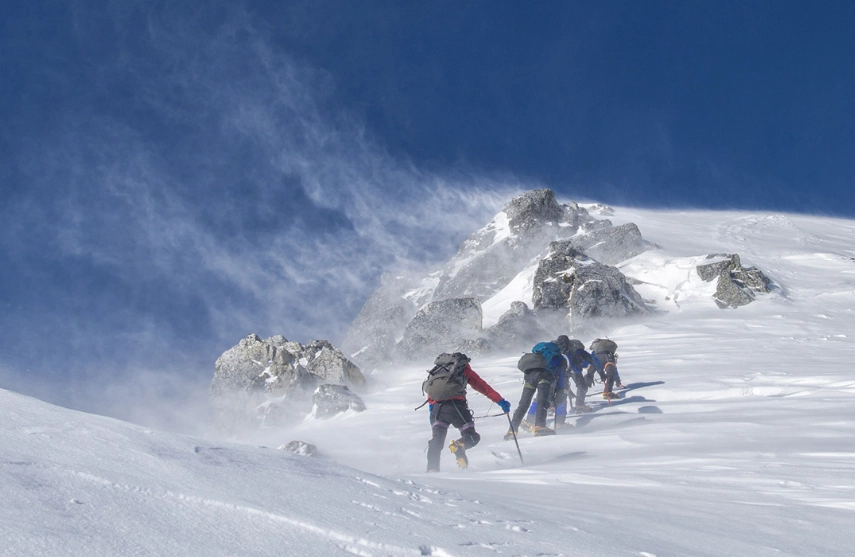
4. Physical & Mental Readiness
Altitude sickness (AMS, HAPE, HACE) is not a sign of weakness. It's a physiological reaction. Know the symptoms: headache, nausea, dizziness, loss of coordination. The only real cure is descent. Pushing through is how people die.
Mental readiness is about the humility to turn back. The summit is optional. The return is mandatory. "Summit fever" has killed more experienced climbers than any gear failure.
On the Mountain: Real-Time Decision Making
This is where theory meets reality. The plan is your script, but the mountain is an improv stage.
Pacing and Communication
Go slow. Start slower than you think you need to. The goal is a steady, sustainable pace where you can breathe and talk. If you're gasping, you're going too fast and burning energy you'll need later.
Talk to your partner. Not just about the route. "How are your feet?" "Feeling any headache?" "Do you think that cloud looks different?" Constant, casual check-ins catch small problems before they become big ones.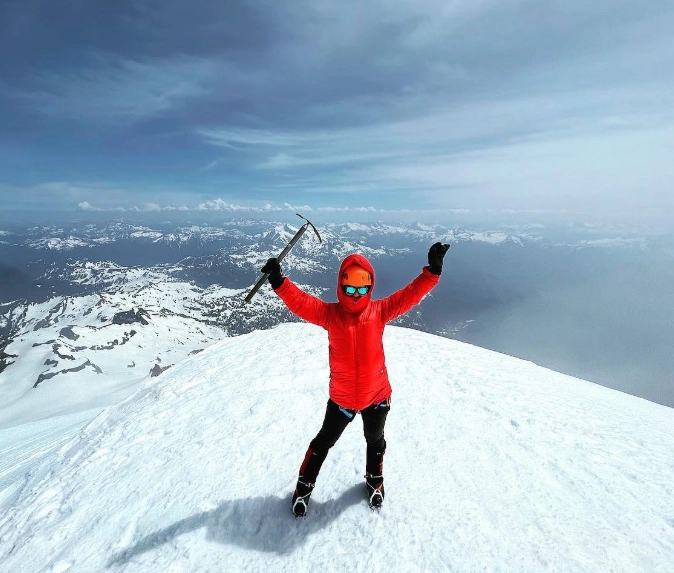
Terrain Assessment
This is the expert skill. It's asking:
- Rockfall: Is the gully you're in littered with fresh debris? Is the team above you dislodging stones?
- Snow & Ice: Is the snow consolidating or is it sugary and unstable (facets)? Does the ice look aerated and weak?
- Avalanche Terrain: This requires formal education. If you haven't taken an AIARE 1 or equivalent course, your best tool is avoidance. Don't trust a slope just because it has tracks on it.
I once watched a team ascend a steep snowfield late in the day. The sun had turned it to mush. They were post-holing thigh-deep with every step, exhausted. They ignored the safer, rockier rib to the side because the snow was "the route." They were prisoners to their pre-downloaded line.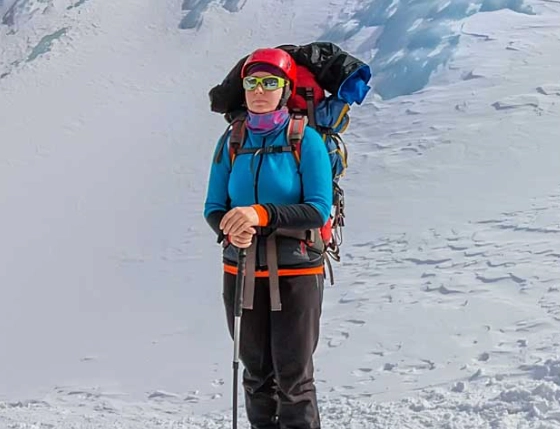
When Things Go Wrong: The Emergency Mindset
Panic is the real enemy. You need a drill.
- Stop. Literally, sit down. Breathe. Do not make another move until the initial adrenaline surge passes.
- Assess. What happened? What's injured? What's the immediate threat (weather, falling, exposure)?
- Secure the Scene. Make the patient and the rest of the team safe. Anchor an injured climber. Get off a crumbling ledge.
- First Aid. Stop bleeding, protect from the cold. Treat for shock.
- Decision: Can we self-evacuate? If not, it's time for the SOS. Activate your PLB or satellite messenger.
Carry and know how to use a Personal Locator Beacon (PLB) or satellite messenger (like a Garmin inReach). Your phone is not a reliable emergency tool. These devices are. But remember, they summon help, they don't instantly teleport you to safety. You must be prepared to survive until that help arrives, which could be many hours or even a day in a remote zone.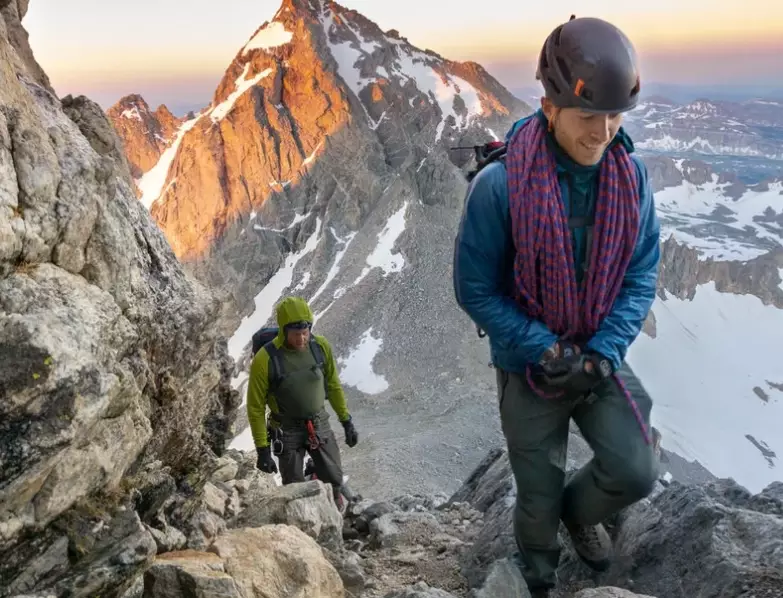
Safety in mountaineering isn't a guarantee. It's a probability you tilt in your favor through relentless preparation, practiced skills, and the wisdom to listen—to the mountain, to your body, and to that quiet voice that says "this isn't right." The mountains will always be there. Make sure you are too.