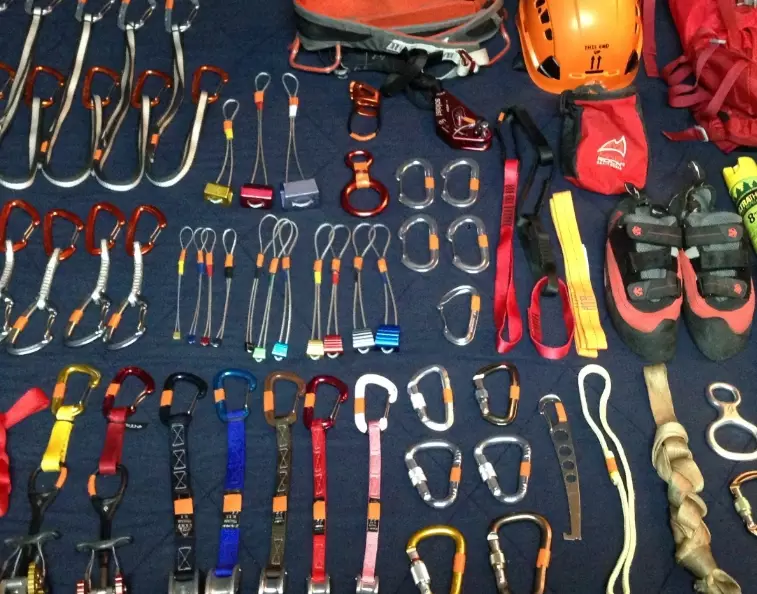
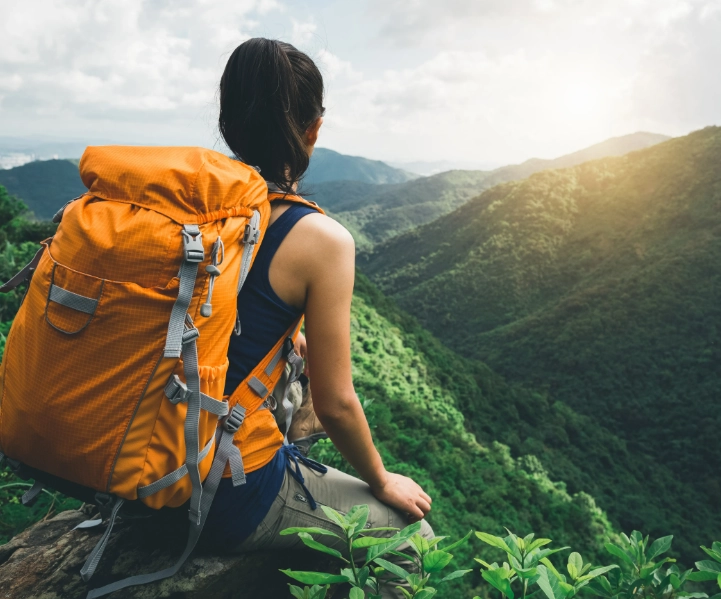
You've done a few sessions at the gym, learned how to tie a figure-eight, and maybe even topped a 5.8 route. Now you're itching to feel real rock under your fingers. That's the moment every climber remembers. But staring at a map of the world's famous crags can be paralyzing. Yosemite? Too hard. The Red River Gorge? Intimidating. You need a beginner climbing destination that won't crush your spirit on day one.
I've been guiding new climbers outdoors for over a decade, and the single biggest mistake I see is choosing a destination based on its fame, not its friendliness to newcomers. The right starter crag has forgiving rock, plenty of easy-to-moderate routes, accessible anchors, and ideally, a community or guide services that welcome novices. It makes all the difference between a trip that hooks you for life and one that sends you back to the treadmill.
Let's cut through the noise. Here are the five best climbing destinations for beginners, chosen not just for their easy grades, but for the overall experience they offer a first-timer.
Your Quick Trip Planner
- How to Choose Your First Climbing Destination
- Destination 1: Smith Rock State Park, Oregon
- Destination 2: New River Gorge, West Virginia
- Destination 3: Red Rock Canyon, Nevada
- Destination 4: Rumney, New Hampshire
- Destination 5: Horse Pens 40, Alabama
- Essential Gear for Your First Outdoor Climb
- Your First Climb: Questions Answered
How to Choose Your First Climbing Destination
Don't just pick the closest spot. Think about these factors, which most beginners overlook.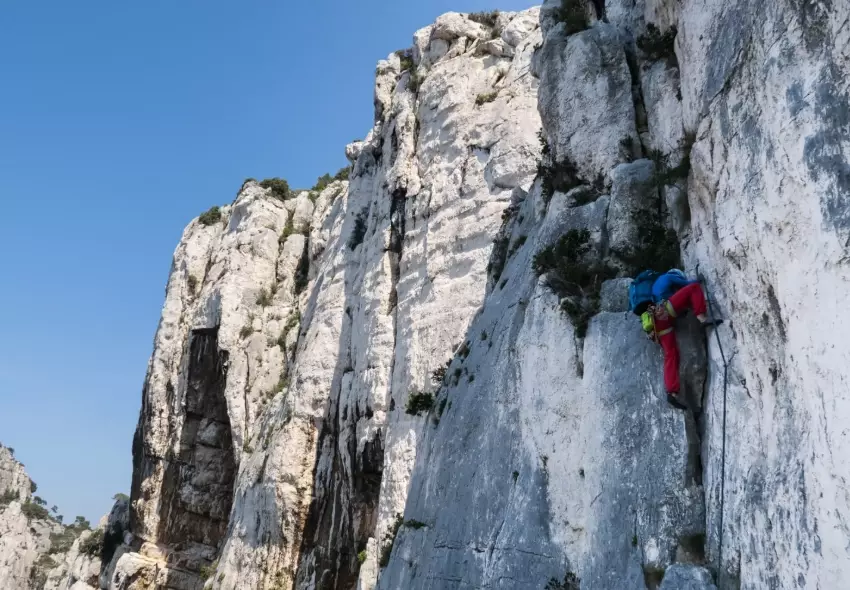
Rock Type Matters More Than You Think. Sandstone (like in the Red River Gorge) can be sharp and require specific technique. Granite (like in Yosemite) is often slick and featureless for beginners. For a first trip, look for volcanic tuff (Smith Rock) or conglomerate (Rumney) – they tend to have positive edges and forgiving textures that build confidence.
Route Concentration is Key. A crag with twenty 5.6-5.8 routes clustered in one area is infinitely better than a massive cliff with three easy routes scattered miles apart. You want to maximize your climbing time, not your hiking time. This is where guidebooks and apps like Mountain Project are invaluable – filter for "5.6 to 5.9" and see where the dots cluster.
The "Walk-Off" Factor. Can you walk off the top of the climb, or do you have to rappel? As a beginner, managing rappels adds significant complexity and risk. Top-roping from fixed anchors or choosing climbs with walk-off descents simplifies your day dramatically. Many beginner areas are set up specifically for this.
Avoid the "Weekend Warrior" Crush. Places like Joshua Tree are amazing, but on a Saturday, every easy route has a line. For a less stressful experience, consider a destination that's slightly off the beaten path, or plan your trip for a weekday.
Destination 1: Smith Rock State Park, Oregon
Smith Rock is the birthplace of American sport climbing, and it's a phenomenally welcoming classroom. The rock is volcanic tuff – think of it as a super-grippy, textured rock that gives you confidence on small holds. The Christian Brothers area is a beginner's paradise, with a high concentration of classic routes from 5.6 to 5.9 on a single, sunny wall.
The Vitals:
- Location: Central Oregon, near Terrebonne. About 30 minutes from Bend.
- Best Season: Spring (April-June) and Fall (September-October). Summers are scorching; winters can be cold and damp.
- Rock Type: Welded volcanic tuff. Super positive edges.
- Classic Beginner Route: "Wherever I May Roam" (5.6) – a long, varied pitch with great protection and a thrilling but manageable exposure.
- Guide Services: Multiple accredited guiding companies operate here, like Chockstone Climbing Guides. A half-day intro course (gear included) runs about $120-$150 per person.
- Parking/Entry: $5 daily parking fee. The park opens at dawn and closes at dusk. The walk from the parking lot to the main area is about 15 minutes downhill – remember, it's uphill on the way back!
- Nearby Amenities: The town of Bend is a full-service hub with gear shops, breweries, and camping. There's also camping at the park's Bivy Campground ($8 per person, walk-in only).
Destination 2: New River Gorge, West Virginia
"The New" offers a different vibe – lush, green, and full of history. It's a fantastic choice for beginners because of the sheer volume of moderate sport climbing. Areas like Bubba City and The Meadow are stacked with fun, well-bolted routes on solid sandstone. The community here is incredibly friendly and supportive of newcomers.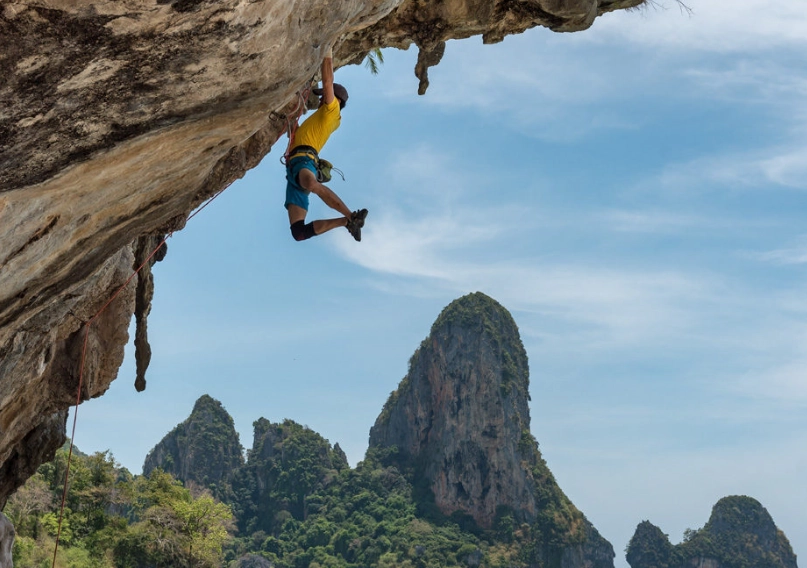
The Vitals:
- Location: Southern West Virginia. Fayetteville is the main gateway town.
- Best Season: Spring and Fall. Summers are humid, but many crags are shaded. Some south-facing walls can be climbed in winter on sunny days.
- Rock Type: Nuttall sandstone. Generally good, but can be gritty.
- Classic Beginner Route: "Crack Attack" (5.7) in Bubba City – more of a face climb than a crack, with great bolts and a comfortable ledge partway up.
- Guide Services: Water Stone Outdoors and others offer excellent beginner packages. Expect to pay $130-$180 for a full-day private intro.
- Parking/Entry: Many areas are on National Park Service land (New River Gorge National Park and Preserve). No climbing-specific fee, but some parking lots require a NPS pass ($7/day or $35/annual).
- Nearby Amenities: Fayetteville has everything. Tons of camping options, from developed sites like Rifrafters to free, dispersed camping on nearby forest roads (check current regulations).
Destination 3: Red Rock Canyon, Nevada
Forty-five minutes from the Las Vegas Strip, you're in a climber's wonderland of red and white Aztec sandstone. Red Rock is known for long, multi-pitch adventures, but it also harbors superb single-pitch beginner areas. The First Pullout (or "The Gallery") is a south-facing crag packed with 5.6 to 5.9 routes, most with bolted anchors you can walk to for setting up a top rope.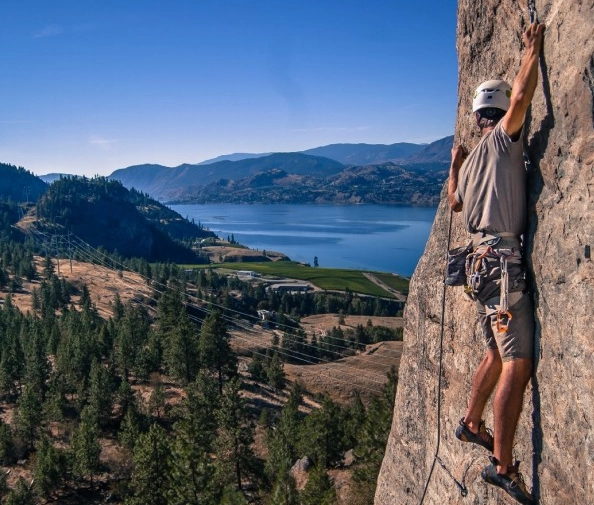
The Vitals:
- Location: Clark County, Nevada, west of Las Vegas.
- Best Season: Late October through April. It's a winter destination. Summer temperatures are dangerously high for climbing.
- Rock Type: Aztec sandstone. Beautiful and generally solid, but fragile. Never climb after rain – the rock becomes dangerously soft.
- Classic Beginner Route: "Physical Graffiti" (5.7) at the First Pullout – a fun, slightly overhanging climb on great pockets.
- Guide Services: Several top-tier companies like Sky's the Limit Guiding operate here. A full-day private intro starts around $350 for two people.
- Parking/Entry: You must enter the Red Rock Canyon National Conservation Area scenic loop. Entry is $20 per vehicle. A timed entry reservation is often required October-May (bookable on recreation.gov). The loop opens at 6 AM.
- Nearby Amenities: You have Las Vegas. Camping is available at the Red Rock Canyon Campground (first-come, first-served, $20/night) just outside the scenic loop entrance.
The convenience of combining a Vegas trip with world-class climbing is hard to beat. Just remember, it's a desert. Bring at least one gallon of water per person, per day. Sun protection is non-negotiable.
Destination 4: Rumney, New Hampshire
For East Coasters, Rumney is the premier sport climbing destination. The rock is schist – a metamorphic rock that forms incredible horizontal holds, perfect for learning technique. The 5.8 Crag and Main Cliff areas are legendary beginner zones. Routes are steep, but the holds are so good it feels easier than it looks.
The Vitals:
- Location: Rumney, New Hampshire, in the White Mountains.
- Best Season: May through October. Black fly season in late spring can be brutal – bring bug spray. Fall foliage season is spectacular but busy.
- Rock Type: Schist. Loaded with horizontal edges and pockets.
- Classic Beginner Route: "Waimea" (5.7) at the 5.8 Crag – a steep, pumpy classic on huge holds. It teaches you about endurance on positive features.
- Guide Services: International Mountain Climbing School in nearby North Conway is highly reputable. Rates are similar to other areas.
- Parking/Entry: There's a main climbers' parking lot ($5 day use fee, honor system). It fills up fast on weekends. Additional parking is along the road. The approach to most crags is a short, steep hike.
- Nearby Amenities: Plymouth is the nearest town. There's plentiful camping, including the Rumney Rocks Campground right by the cliffs, which is a hub for the climbing community.
Rumney's style – steep climbing on great holds – will make you a stronger climber fast. It's a confidence-builder.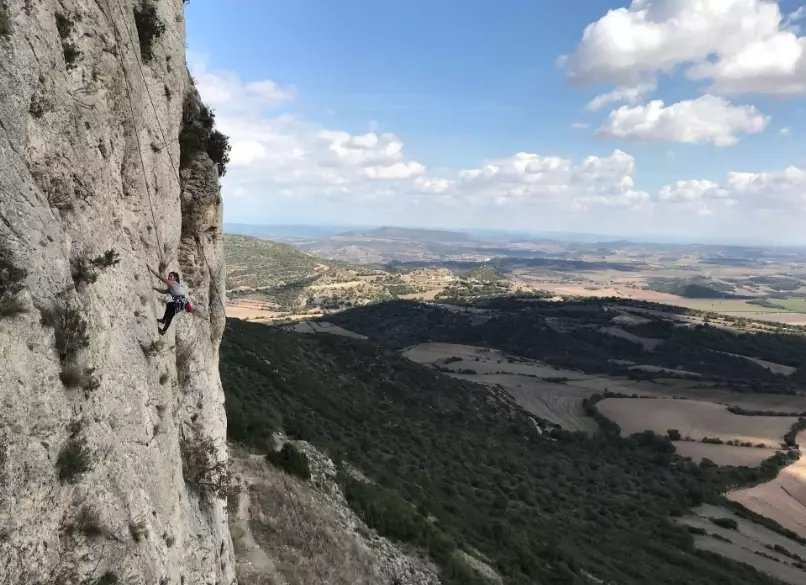
Destination 5: Horse Pens 40, Alabama
This is the wildcard entry, and a secret weapon for southeastern climbers. HP40 is a bouldering area, not a roped climbing destination. But hear me out. For a complete novice, bouldering outdoors is one of the most accessible ways to start. The problems are short, you only need shoes and a crash pad, and the social aspect is huge. HP40's Southern sandstone is like climbing on sculpted art, with slopers, pockets, and edges that are perfect for learning body tension and footwork.
The Vitals:
- Location: Steele, Alabama, about an hour northeast of Birmingham.
- Best Season: Fall, Winter, and Spring. Summers are hot and humid.
- Rock Type: Southern sandstone. Unique and featured.
- Classic Beginner Problem: "The Angler" (V0) – a perfect introduction to slab climbing and trusting your feet.
- Guide Services: Less formal guiding, but the on-site managers are incredibly helpful, and the community is welcoming. You can often find crash pads to rent or share.
- Parking/Entry: Day pass is $10 per person. The venue is a private park with camping.
- Nearby Amenities: On-site camping is the way to go ($15-$25 per person per night). It's a rustic, communal climber's campground with a legendary vibe, especially during events like the Triple Crown Bouldering Series.
If you're nervous about heights or the complexity of roped climbing, starting with a bouldering trip to a place like HP40 is a brilliant, low-pressure alternative.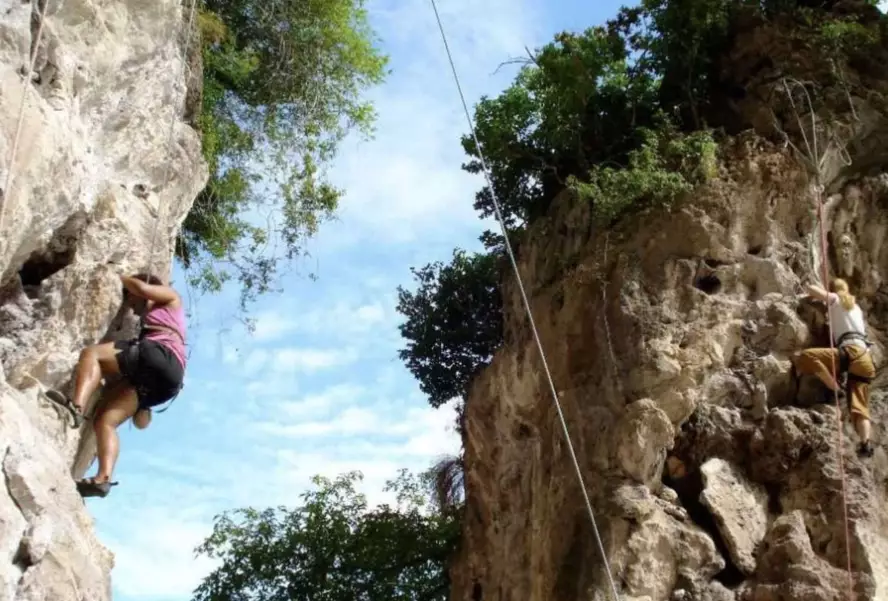
| Destination | Best For | Rock Type | Ideal Season | Guide Available? |
|---|---|---|---|---|
| Smith Rock, OR | Classic sport climbing intro, grippy rock | Volcanic Tuff | Spring/Fall | Yes, highly recommended |
| New River Gorge, WV | High volume of moderate routes, friendly vibe | Sandstone | Spring/Fall | Yes |
| Red Rock Canyon, NV | Winter sun, accessible from a major city | Aztec Sandstone | Oct-Apr | Yes, highly recommended |
| Rumney, NH | Steep technique on positive holds | Schist | May-Oct | Yes |
| Horse Pens 40, AL | Bouldering intro, low-pressure community | Southern Sandstone | Fall-Winter-Spring | Informal |
Essential Gear for Your First Outdoor Climb
If you're going with a guide, they'll provide the hard gear (ropes, draws, etc.). But you are responsible for your personal kit. Don't skimp here.
The Non-Negotiables:
- Climbing Shoes: Your gym shoes are fine. Don't buy aggressive downturned shoes for your first trip – you want comfort for all-day wear.
- Harness: Again, your gym harness works. Double-check the belay loop for wear.
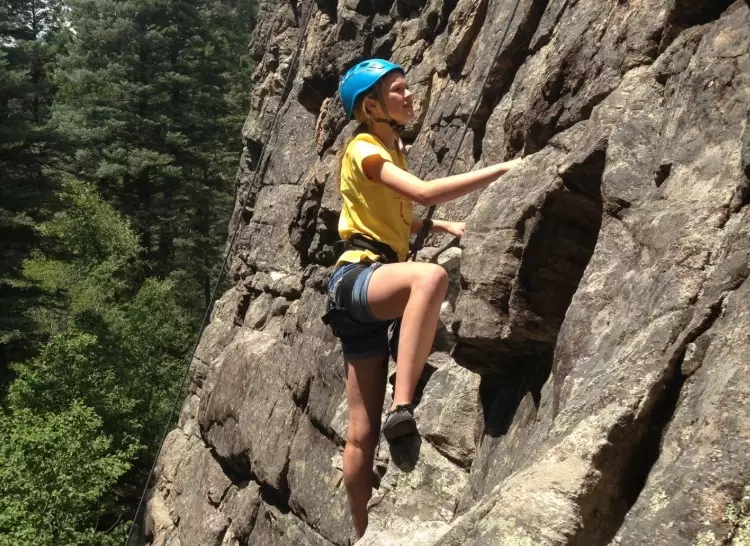
- Helmet: This is the piece beginners most often forget. Rocks fall. You swing. Your belayer drops a device. Wear a helmet. A basic climbing helmet costs $50-$80.
- Belay Device & Locking Carabiner: An ATC (Air Traffic Controller) or similar tubular device is perfect. Have one locking carabiner for it.
- Chalk Bag & Chalk: Outdoor rock can be less forgiving than plastic.
The "Day-Trip" Essentials:
- Water: At least 3 liters per person. A hydration bladder is easier than bottles while climbing.
- Food: High-energy snacks (bars, nuts, fruit) and a solid lunch.
- Sun Protection: Hat, sunglasses, and sweat-resistant sunscreen (SPF 50+). Reapply often.
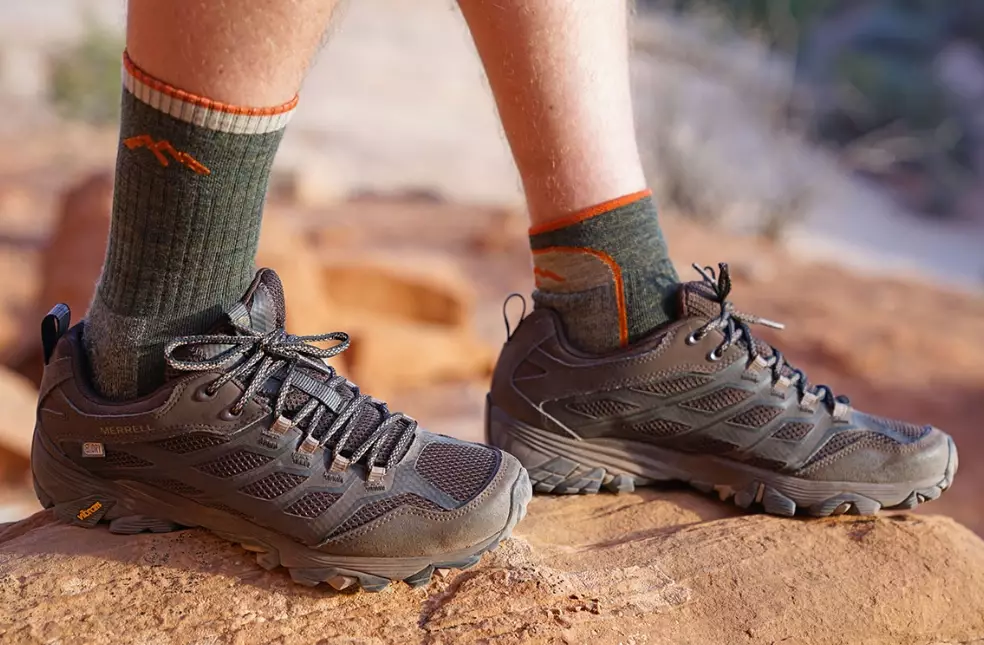
- Approach Shoes or Hiking Boots: The trail to the crag is rarely flat.
- Backpack: A 20-30 liter pack to carry everything.
- First-Aid Kit: Band-aids, antiseptic wipes, athletic tape, ibuprofen.
- Headlamp: Even if you don't plan to be out late.
- Guidebook or Downloaded Mountain Project info.
Your First Climb: Questions Answered
As a complete newbie, should I hire a guide or just go with my friend who has climbed a few times?
Hire the guide. I've seen this scenario go wrong too often. Your friend might know how to climb, but leading outdoors, building safe anchors, and managing a new climber's fears is a different skill set. A certified guide provides safety, instruction, and local knowledge (like which routes are actually clean and safe for beginners). Think of it as an investment in your future safety and enjoyment. One day with a good guide is worth ten trips figuring it out the hard, and potentially dangerous, way.
How much does a typical beginner climbing trip cost, excluding travel?
Budget for these core costs. A guided day for one person: $150-$350. If you're self-sufficient, costs drop significantly: Parking/entry fees ($5-$20), camping ($15-$30/night), and food. Gear rental (if needed) for harness, shoes, helmet, and belay device might be $30-$50 per day from a local shop. A realistic budget for a 3-day weekend, self-guided with your own gear and camping, is about $100-$150 per person for fees, food, and gas. With a guide for one day, add the guide fee on top.
What's the one piece of etiquette most beginners unknowingly break?
Music. Please, don't bring a Bluetooth speaker to the crag unless you're absolutely alone and miles from anyone else. The sound carries, and many people come to the outdoors for natural quiet. It's a major point of friction. If you must listen, use headphones. Other big ones: not packing out all your trash (including tape and orange peels), monopolizing a popular route for hours while top-roping, and not asking before joining a crag where another party is clearly set up.
I'm scared of heights. Are any of these destinations better for managing that fear?
Absolutely. Bouldering at a place like Horse Pens 40 keeps you very close to the ground. For roped climbing, seek out crags with "walk-off" descents. The fear of rappelling is a huge multiplier for height anxiety. Smith Rock's Christian Brothers area has many climbs where you can walk off the back after being lowered. Also, choose crags where the base is flat and not a steep slope – it feels more secure. Tell your guide or partner about your fear; a good belayer can give you a more secure, tighter rope which feels much safer.
How do I know if a 5.8 outdoors is the same as a 5.8 in my gym?
You don't, and it almost never is. Outdoor grades are sandbagged (harder) compared to modern gyms. A gym 5.8 climber should stick to outdoor 5.6 and 5.7 routes to start. Outdoor climbing uses your whole body differently – reading rock, dealing with grit, managing rope drag. It's more complex. Always start two letter grades below your comfortable gym grade. Your ego will thank you, and you'll actually have fun instead of getting shut down on the first move.