I almost got lost on a solo hike in the Rockies last year. The trail vanished under fresh snow, my phone died, and I realized my mountain safety training had gaps I never considered. That moment taught me more than any textbook—safety isn't just about gear; it's about mindset and skills. This guide dives deep into mountain safety training, covering what you need to know to avoid common pitfalls and handle emergencies. Whether you're a weekend hiker or an aspiring climber, let's get you prepared.
What You'll Learn
Why Mountain Safety Training is Non-Negotiable
Every year, search and rescue teams deal with thousands of incidents in mountains worldwide. According to the National Park Service, over 60% of backcountry emergencies involve preventable errors like poor navigation or lack of first aid knowledge. Mountain safety training isn't a luxury—it's a necessity. It bridges the gap between enthusiasm and expertise. I've seen too many people rely on apps alone; when technology fails, your skills become your lifeline. Training builds confidence, reduces risk, and lets you enjoy the wilderness without becoming a statistic.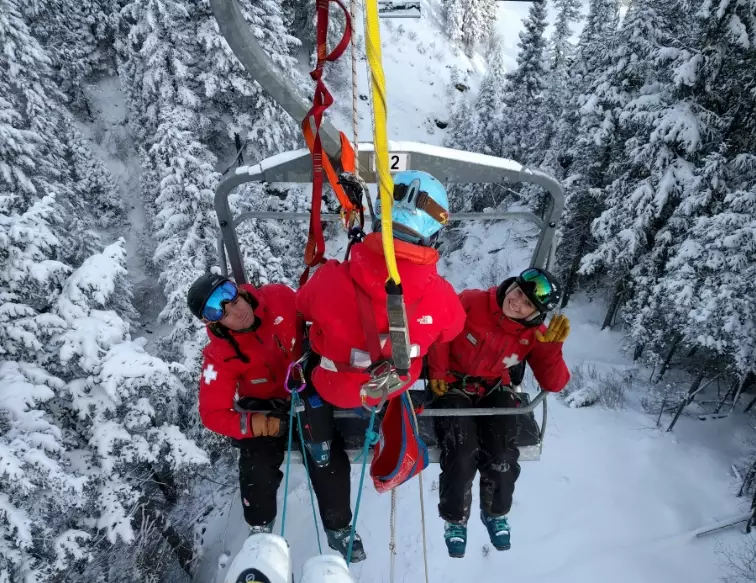
Think about it: would you drive a car without learning the rules? The mountains are unpredictable. Weather shifts in minutes, trails can be deceptive, and minor injuries can escalate fast. A solid training foundation helps you assess risks, make smart decisions, and react calmly under pressure. It's not just for experts; beginners benefit most because they often don't know what they don't know.
Core Components of Effective Safety Training
Mountain safety training isn't one-size-fits-all. It's a blend of skills tailored to your activities. Based on my experience and courses from organizations like the American Alpine Club, here are the key areas.
Navigation and Route Planning
This goes beyond using a GPS. I learned the hard way that batteries die. Effective training teaches map and compass skills—how to read contour lines, estimate travel times, and identify bail-out points. A common oversight? Not practicing in poor visibility. Try navigating at night or in fog; it's a game-changer. Include terrain assessment: recognizing avalanche-prone slopes or unstable rock areas. The Mountaineers' website has great resources on this, but hands-on practice is irreplaceable.
Wilderness First Aid and Emergency Response
Standard first aid courses often fall short in remote settings. Wilderness first aid focuses on prolonged care, improvisation, and decision-making when help is hours away. Topics include treating hypothermia, managing fractures with makeshift splints, and recognizing altitude sickness. A subtle mistake: people pack first aid kits but don't know how to use half the items. Training should involve realistic scenarios—like simulating a sprained ankle miles from the trailhead.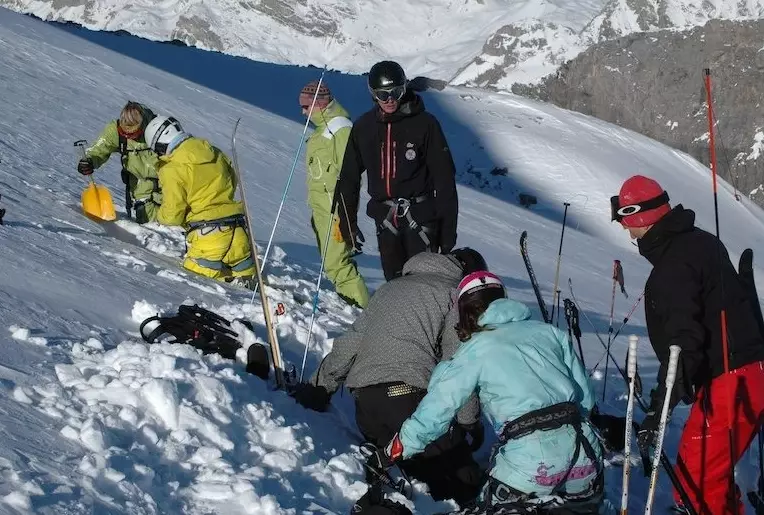
Weather and Hazard Awareness
Mountains create their own weather. Training should cover interpreting forecasts, recognizing signs of storms, and understanding microclimates. For example, cumulus clouds building rapidly often mean afternoon thunderstorms. Avalanche safety is critical for winter travel; courses like those from the American Institute for Avalanche Research and Education (AIARE) teach risk evaluation and rescue techniques. Many newcomers underestimate how fast conditions change—I've seen sunny days turn whiteout in under an hour.
How to Choose the Right Mountain Safety Course
With so many options, picking a course can be overwhelming. Here's a breakdown to help you decide. I've taken courses from local clubs and big-name schools, and the quality varies wildly.
Look for accreditation. Courses certified by bodies like the Wilderness Medical Associates International or the American Mountain Guides Association (AMGA) adhere to high standards. They often update curricula based on real incident data.
Consider the instructor's background. An instructor with decades of guiding experience will share nuances you won't find online. Ask about their rescue involvement—those who've been on actual missions bring practical insights.
Check the student-to-instructor ratio. For hands-on skills like rope work or first aid, small groups (under 10 students per instructor) are crucial. I once took a course with 20 people; individual feedback was minimal, and that's where learning happens.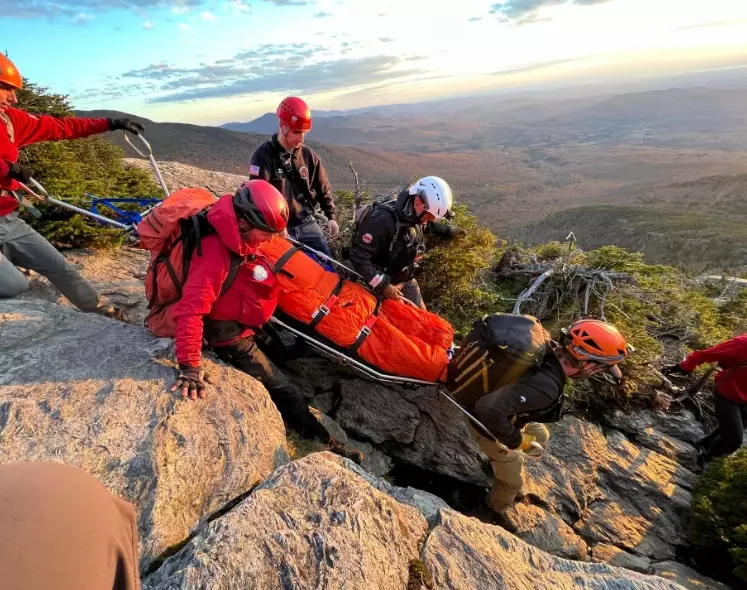
Evaluate the course format. Blended courses with online theory and field sessions work well for busy people. But avoid purely online options for practical skills—you need that in-person practice. Local outdoor clubs often offer affordable workshops; they're a gem for community-based learning.
Here's a quick comparison based on my research:
- Beginner-Friendly: REI's Mountain Safety Classes—great for basics, but can be superficial for advanced topics.
- Comprehensive: National Outdoor Leadership School (NOLS) courses—immersive and thorough, but pricey and time-intensive.
- Specialized: AIARE Avalanche Courses—focused on winter hazards, essential for ski tourers or ice climbers.
Don't just go for the cheapest option. Investing in quality training pays off in safety and confidence.
Common Mistakes and How to Avoid Them
Even trained individuals slip up. Here are pitfalls I've observed, plus tips from seasoned mountaineers.
Over-reliance on technology. GPS devices and apps are tools, not substitutes for skills. Batteries fail, signals drop. Always carry a physical map and compass, and know how to use them. Practice without gadgets regularly.
Ignoring fitness preparation. Safety isn't just about knowledge; physical fatigue leads to poor decisions. Many courses neglect this—they assume you're fit. But if you're exhausted, your reaction time slows, increasing accident risk. Incorporate cardio and strength training into your prep, focusing on legs and core.
Skipping trip planning with others. Solo trips have their place, but group dynamics matter. A common error: not discussing emergency plans with your team. Who's the lead navigator? Who has first aid expertise? Clear roles prevent chaos in crises. I once saw a group argue over a route during a storm; pre-trip briefings could have avoided that.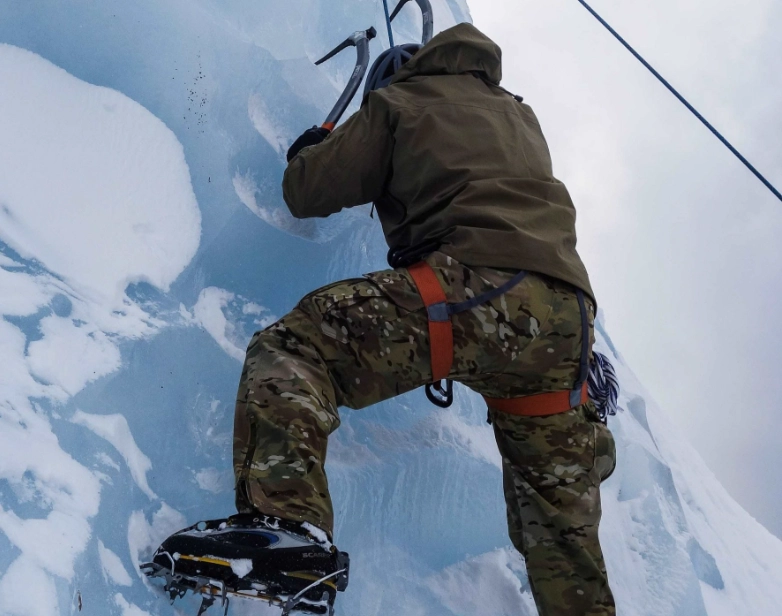
Underestimating weather changes. Checking the forecast at the trailhead isn't enough. Mountains alter weather patterns rapidly. Learn to read cloud formations and wind shifts. Carry extra layers even if it's sunny—I've been caught in sudden hail with only a light jacket.
Failing to practice skills regularly. Training isn't a one-time event. Skills rust if unused. Set aside time each season to review navigation, first aid drills, or rope techniques. Join local hiking groups for mock scenarios; it's fun and reinforces learning.
Essential Gear for Mountain Safety
Gear supports your training, but it's not a magic fix. Here's what I always pack, based on lessons from close calls.
Navigation tools: A topographic map of the area (waterproofed), a compass with declination adjustment, and a GPS as backup. Don't forget extra batteries or a power bank.
First aid kit: Beyond band-aids, include items for wilderness scenarios: a SAM splint, trauma shears, blister care like moleskin, and medications for pain or allergies. Customize it—if you're allergic to bee stings, carry an epinephrine pen.
Communication devices: A fully charged phone is a start, but consider a satellite messenger like a Garmin inReach for areas without cell service. They allow SOS signals and texting. Check rental options if you're on a budget.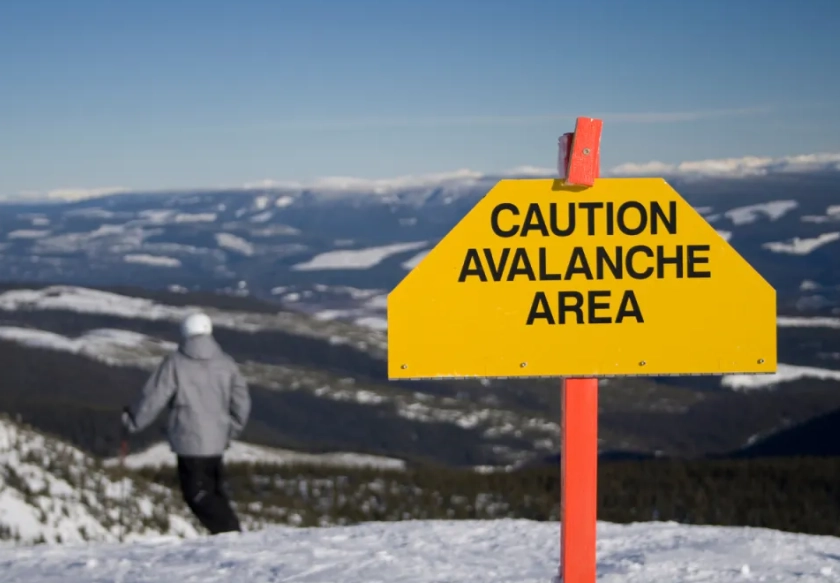
Shelter and insulation: An emergency bivvy or space blanket weighs little but can save lives in hypothermia cases. I add a lightweight tarp for rain protection.
Light sources: A headlamp with extra batteries—test it before trips. I've seen people bring flashlights that die mid-hike; redundancy is key.
Food and water: High-energy snacks (e.g., nuts, bars) and water purification tablets or a filter. Dehydration impairs judgment faster than you think.
Gear alone won't save you. Practice using it in training sessions. For instance, can you set up that emergency shelter in high winds? If not, it's just dead weight.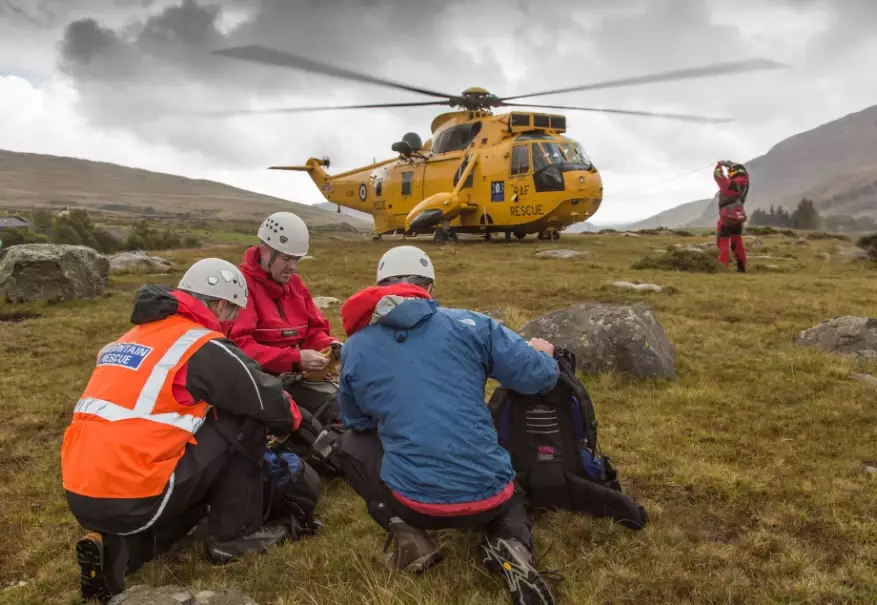
Frequently Asked Questions
Mountain safety training transforms fear into preparedness. It's not about eliminating risk—that's impossible—but about managing it intelligently. Start with a course, practice relentlessly, and always respect the mountains. Your adventures will be richer and safer for it. Now, go pack that map and compass.