When you hear "harness horse," your mind might jump straight to the thunder of hooves on a racetrack, a Standardbred blur pulling a sulky. That's part of the story, but it's not the whole book. A harness horse is any horse bred and trained for the specific purpose of pulling a vehicle—a carriage, a wagon, a sleigh, or a racing bike. This partnership between horse, harness, and driver is one of the oldest forms of equine work and sport, and it's seeing a fascinating revival today, not just on tracks but in vineyards, parks, and therapeutic centers. Getting it right requires an understanding of temperament, conformation, and training that's distinct from riding. I've seen too many good riding horses become frustrated and unsafe in harness because people assume the skills are transferable. They're not.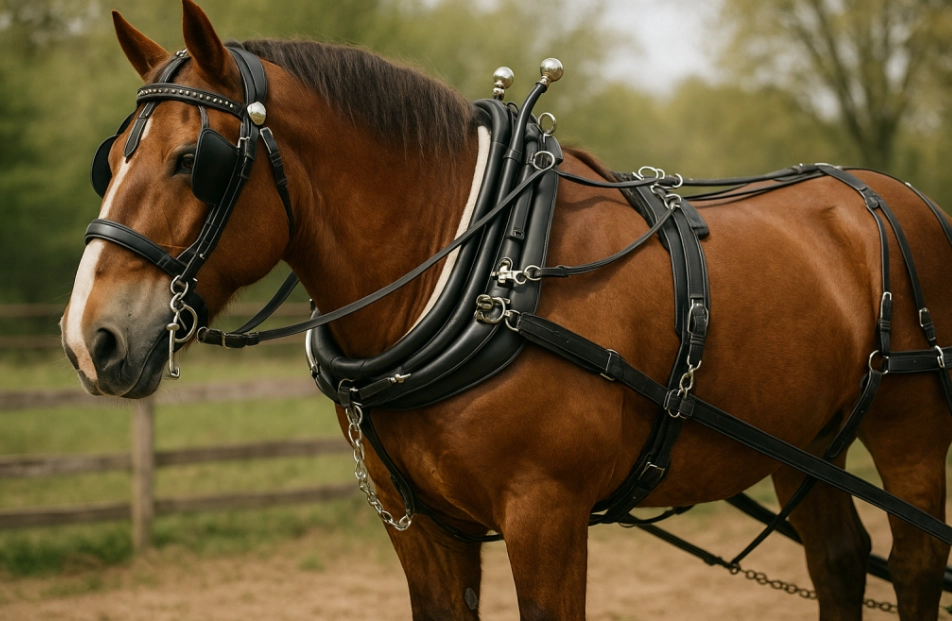
What’s Inside This Guide
From Workhorse to Showhorse: A Brief History
Let's rewind. For millennia, if you needed to move goods, people, or plow a field, you used a harness horse. The development of an efficient collar harness (around the 5th century in China, spreading to Europe later) was a technological leap as significant as the steam engine. It allowed horses to pull heavier loads without choking. Every society had its type: the heavy draft horses of Europe, the speedy trotters of America.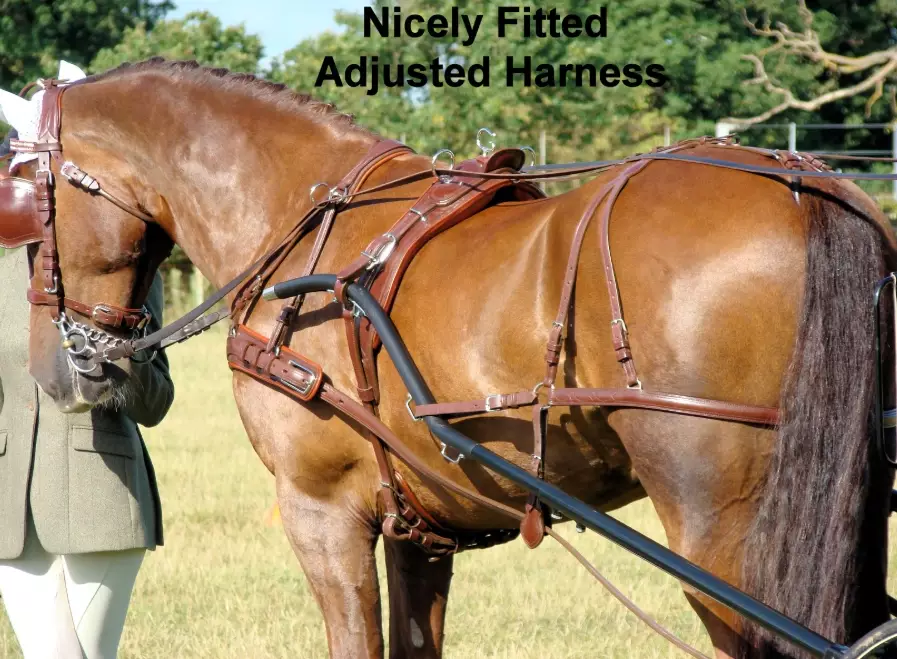
The 19th century turned harness work into sport. In America, the Standardbred was developed almost exclusively for harness racing, primarily at the trot or pace. Meanwhile, in Europe, elegant carriage driving became a display of wealth and skill for aristocracy. The FEI (Fédération Equestre Internationale) now governs international driving competitions, which are like three-day eventing for carriages, combining dressage, marathon, and obstacle cone driving.
The key takeaway? The harness horse's role evolved from pure utility to a blend of sport, recreation, and heritage preservation. That evolution directly shaped the breeds we have today.
The Top 5 Harness Horse Breeds (And Why They Excel)
Not every horse can be a great harness horse. It requires a specific mindset and body type. A good driving horse needs a calm, willing temperament, power from the hindquarters, and a neck set that allows for proper collar placement. Here are the champions, each with a different specialty.
| Breed | Primary Use | Temperament Key | Unique Trait |
|---|---|---|---|
| Standardbred | Harness Racing, Pleasure Driving | Calm, willing, incredibly trainable | Bred for specific gaits (trot or pace); many ex-racers need retraining for non-racing work. |
| American Saddlebred | Fine Harness, Show Driving | High-energy, flashy, "show-off" | Exceptional high-knee action and presence. Requires a skilled driver to channel their energy. |
| Friesian | Carriage Driving, Film/Events | Gentle, people-oriented, majestic | Powerful build with feathering; the "black pearl" for dramatic carriage work. Can be prone to certain health issues. |
| Morgan | All-Round Driving, Farm Work | Versatile, sturdy, intelligent | One of the first American breeds; compact power. A fantastic choice for a beginner wanting a single horse for both riding and driving. |
| Draft Breeds (Clydesdale, Percheron) | Heavy Hauling, Parades, Brewery Work | Docile, steady, immensely strong | Sheer power for multi-horse hitches. Their size and feed requirements are a significant commitment. |
My personal bias? For a new driver, an off-the-track Standardbred is a hidden gem. They've seen chaos, noise, and pressure, and most come out of it with a preternatural calmness. The challenge is convincing people they're not just one-trick racing ponies.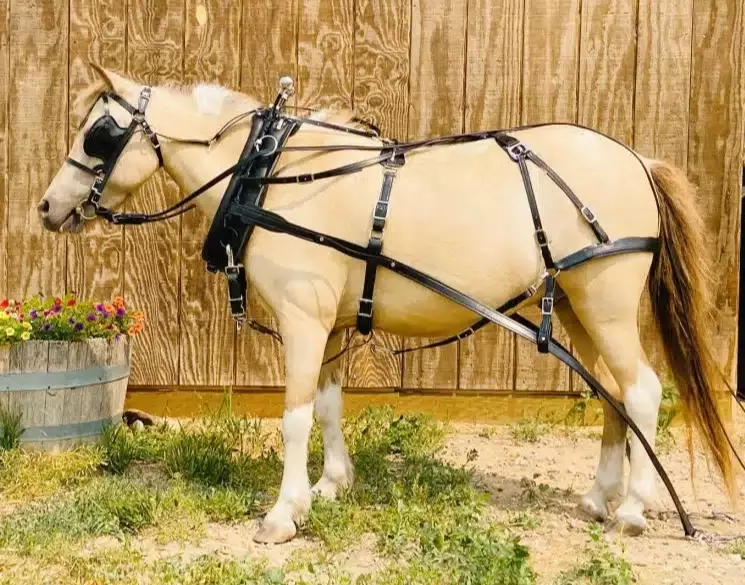
How to Train a Driving Horse: The 3-Phase Method & Common Mistakes
This is where I see the most well-intentioned errors. You can't just strap a cart to a saddle horse. The training is linear and non-negotiable. Rushing a phase is how accidents happen.
Phase 1: Groundwork and Desensitization (The Foundation)
Months, not weeks. The horse must be utterly bored by flapping harness, dragging shafts, and the sound of wheels. A critical, often skipped step is ground driving (long-lining). You walk behind the horse, driving them from the ground with long reins. This teaches them to respond to rein pressure without the complication of a vehicle behind them. If they can't steer and stop calmly here, you go no further.
Phase 2: Introducing the Vehicle (The Big Test)
Start with a drag—simply letting the shafts and a weighted tire or log drag behind the ground-driven horse. Then move to a very light, sturdy cart (a breaking cart). The first hitches should be with an experienced, calm companion horse if possible. The single biggest mistake here is using a cart that's too heavy or poorly balanced for the horse's size and training level. It throws them off balance and scares them.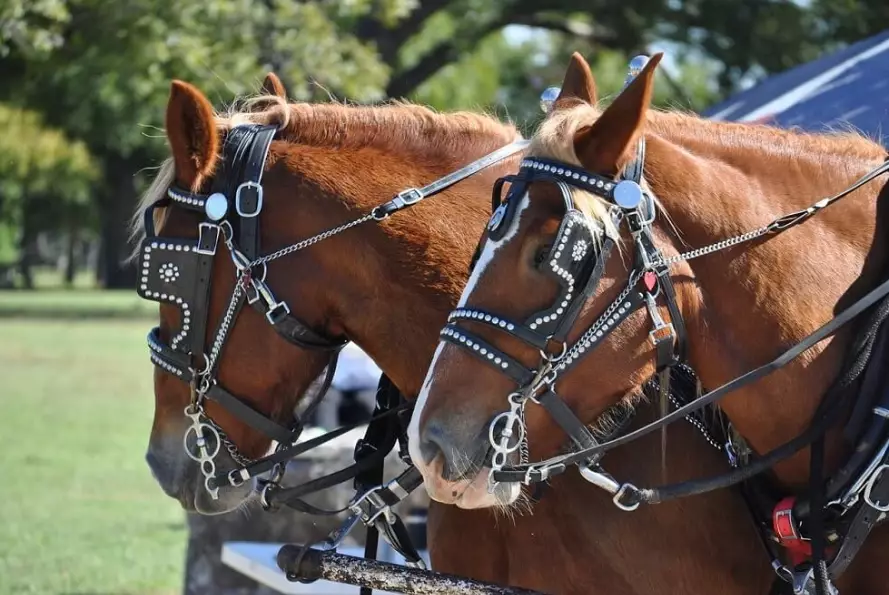
Phase 3: Building Confidence and Skill (The Partnership)
Now you add complexity: different terrains, traffic (gradually!), obstacles, backing up. This phase never really ends. A nuanced mistake? Never letting the horse walk. Novice drivers get excited and keep their horse at a trot constantly. A horse needs to learn to stand quietly and walk calmly in harness just as much as it needs to work. It's about mental stamina, not just physical.
Expert Reality Check: The timeline from green horse to reliable driving partner is typically 6 months to a year of consistent, short, positive sessions. Anyone selling a "30-day driving horse" is selling you a dangerous shortcut.
Harness & Tack Breakdown: What You Actually Need
Harness looks complicated, but it's just a system of straps with specific jobs. A full driving harness consists of:
- The Collar or Breastplate: This is where the pulling power transfers. Collars are traditional for draft work and must be individually fitted—a poor fit causes rubs and lameness. Breastplates are common for light harness and are more forgiving.
- The Bridle: Often includes blinkers (check blinds) to keep the horse focused forward and prevent spooking from the vehicle behind.
- The Saddle and Girth: Not for riding! It's a pad that sits on the back to anchor the belly band (girth) and hold up the shafts via the tugs.
- The Breeching: A strap around the hindquarters. It's the brake. When going downhill or stopping, the vehicle pushes against the breeching, not the horse's mouth.
- The Reins: Longer and often double (two pairs) for precision. They run through rings on the harness saddle.
You don't need the most expensive harness to start. You need a safe, clean, and correctly fitted one. Check every stitch and buckle before every drive. A failure here isn't like dropping a riding rein; it can mean a runaway.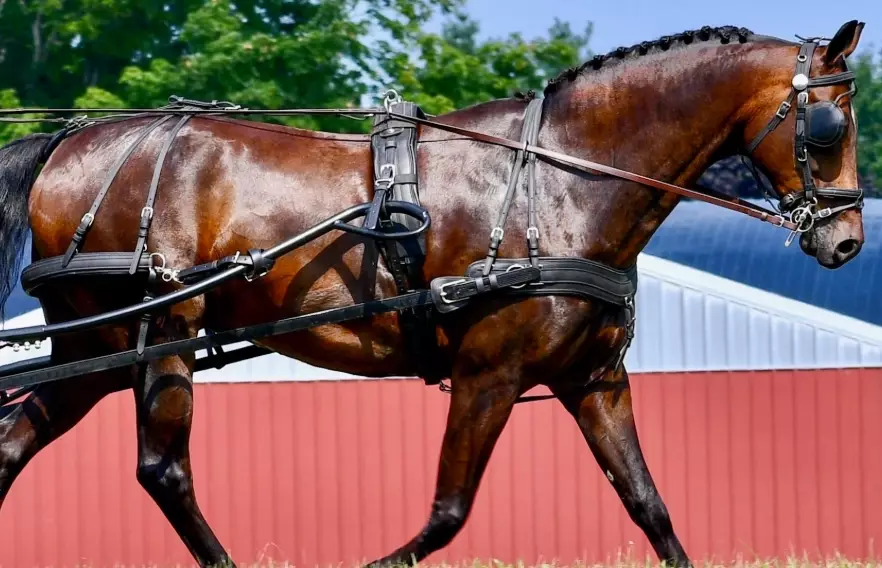
Harness Horses Today: Beyond the Racetrack
While harness racing remains a major industry (check statistics from the U.S. Trotting Association), the renaissance is in other areas.
Pleasure and Recreational Driving: This is the fastest-growing segment. People are hooking a single horse to a cart and exploring trails, country roads, or participating in local club events. It's peaceful, it's a different way to bond with your horse, and it's easier on an older horse's back than a rider.
Therapeutic and Educational Programs: The rhythmic motion of a carriage ride is therapeutic. Programs for veterans, people with disabilities, and at-risk youth use carriage driving to teach teamwork, responsibility, and build confidence. The horse is a partner in the work, which is a powerful concept.
Commercial and Sustainable Operations: From vineyard tours in Napa Valley to sustainable logging in forests where machinery would cause damage, harness horses are proving their modern utility. They're quiet, leave a small carbon footprint, and add an irreplaceable aesthetic.
The future of the harness horse isn't about going back in time. It's about integrating their unique strengths into a modern world that values sustainability, connection, and heritage skills.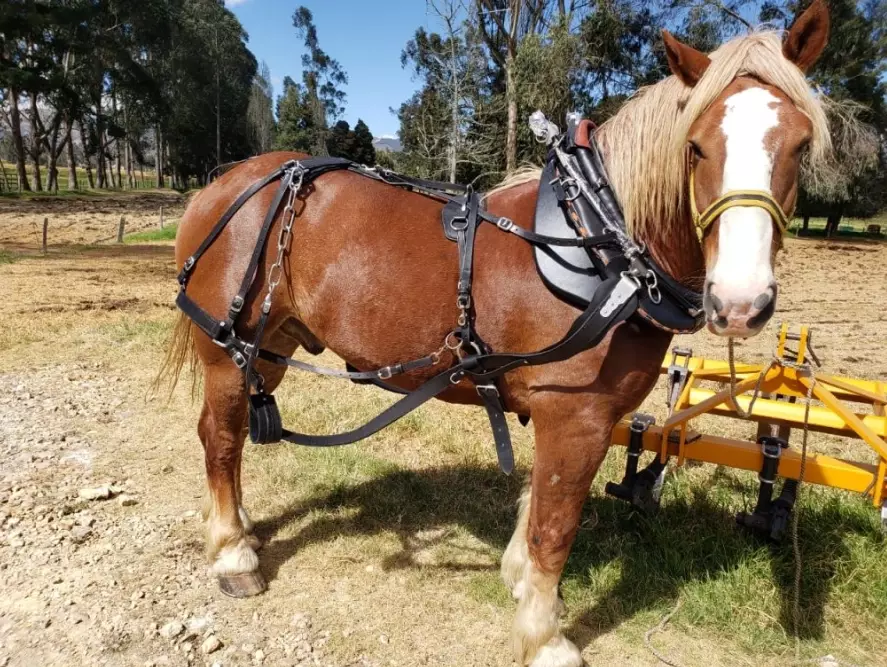
Your Harness Horse Questions Answered
I have a steady trail horse. Can I train him to pull a cart for fun?
Maybe, but temperament is more important than current job. Is he genuinely unflappable when things flap behind him? Does he respect ground pressure? Many good trail horses are great because they follow other horses. Driving requires independent forward movement and obedience. Start with extensive ground driving before you even think about a cart. If he gets nervous and tries to bolt while you're on the ground, he's not a candidate.
What's the one piece of safety gear most beginner drivers forget?
A quick-release mechanism on the tugs (where the shafts connect) or the breastplate. In a true emergency—like a horse going down—you need to be able to separate the horse from the vehicle instantly. Many standard harnesses don't have this. It's an upgrade you must install. Also, always carry a sharp knife in a pocket you can reach while holding the reins.
How much does it cost to get started with pleasure driving?
The horse is the biggest variable. A trained, safe pleasure driving horse can cost $5,000 to $15,000. A serviceable used harness: $800-$2,000. A basic two-wheeled cart (like a Meadowbrook): $1,500-$3,000. Then add ongoing costs for farrier (hooves wear differently when driving), harness maintenance, and trailer modifications. You can start for under $10k if you find a sensible Standardbred and shop used, but budget for professional lessons—that's non-negotiable and will save you money (and injury) in the long run.
What's the difference between a trotter and a pacer in harness racing?
It's all in the gait. A trotter moves its diagonal legs together (left front & right hind, then right front & left hind). A pacer moves its lateral legs together (left front & left hind, then right front & right hind). Pacers are often faster and wear "hobbles" (light hoops connecting the legs) to help maintain gait. The pacing gait is smoother for the horse in a sulky. Off the track, pacers sometimes retain a slight lateral swing, but with retraining, they make excellent pleasure horses.
Are there competitions for non-racing harness horses?
Absolutely. The American Driving Society (ADS) sanctions events across the US. These include Combined Driving Events (CDE), pleasure driving shows with dressage and obstacle classes, and casual "drives." There are classes for singles, pairs, and even four-in-hand teams. It's a welcoming community focused on safety, horsemanship, and fun.