You've seen the stunning photos. You feel the pull of the mountains. You tell your friends you're planning an "outdoor trip." But when you go to research gear or trails, you hit a wall of jargon. Is it a hike, a trek, or a climb? Most articles give you vague, dictionary-style definitions that leave you more confused. I've guided for over a decade, and I've seen too many enthusiastic beginners show up for a trek with a daypack or attempt a mountaineering route in hiking boots. The confusion isn't just about words—it's a safety and enjoyment issue.
Let's cut through the noise. The real difference between hiking, trekking, and mountaineering isn't just about distance or altitude. It's a fundamental shift in terrain, required skills, necessary gear, and the level of self-sufficiency. Getting this wrong means blisters at best, and a dangerous situation at worst.
Here’s the core of it: Hiking is a walk. Trekking is an expedition. Mountaineering is a technical climb. Let's unpack what that actually means for you.
What's in this guide?
The Core Differences at a Glance
This table isn't the whole story, but it gives you the snapshot. The devil—and the fun—is in the details that follow.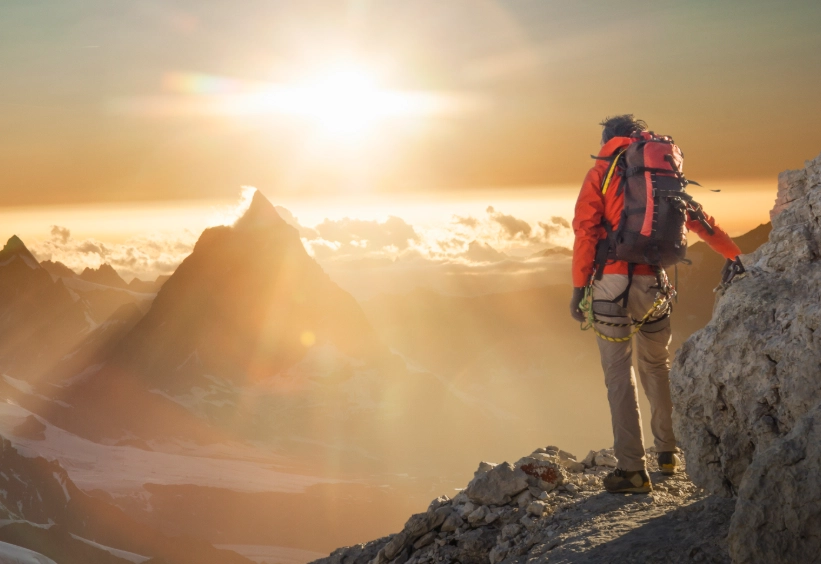
| Element | Hiking | Trekking | Mountaineering |
|---|---|---|---|
| Primary Terrain | Marked trails, often in parks. Dirt paths, maybe some rocks. | Undeveloped trails, remote backcountry. Can include scree, river crossings, high passes. | Off-trail, technical terrain. Snow, ice, glaciers, rock faces. Requires route-finding. |
| Key Gear | Daypack, water, snacks, basic layers, hiking shoes/boots. | Large backpack (50-70L), tent, sleeping bag, stove, trekking poles, sturdy boots. | Technical pack, harness, helmet, ice axe, crampons, ropes, knowledge to use them. |
| Core Skill | Basic fitness, navigation (map/app). | Backcountry camping, endurance, advanced navigation, load management. | Technical climbing skills (rock/ice), glacier travel, crevasse rescue, avalanche assessment. |
| Time Commitment | Hours to a full day. You go home or to a lodge. | Multiple days to weeks. You carry your "home" (shelter, food). | Can be a long day or multi-day expedition. Extreme self-reliance in harsh conditions. |
| Example | Angel's Landing, Zion NP. The Inca Trail to Machu Picchu (on the trekking border). | The Everest Base Camp trek, Nepal. The Tour du Mont Blanc, Europe. | Summiting Mont Blanc, France. Climbing Mount Rainier, USA. |
See how the gear column tells the story? Hiking gear fits in a small bag. Trekking gear needs a big bag. Mountaineering gear needs a bag and gets attached to your body.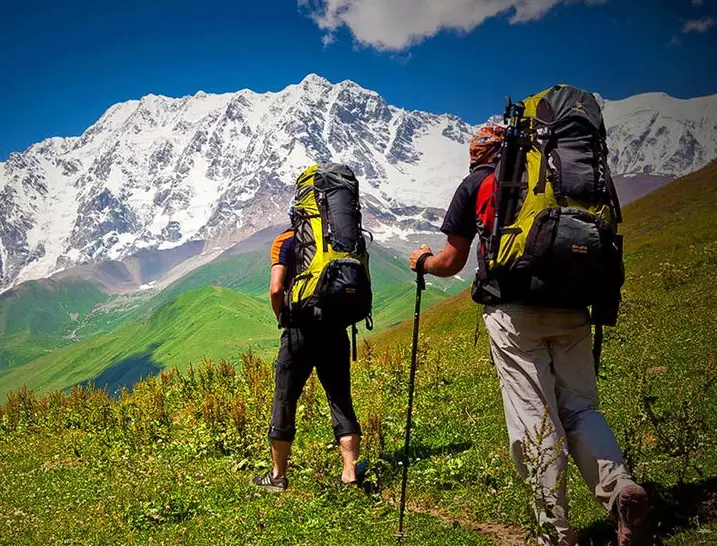
The Hiking Life: Day Trips and Well-Trodden Paths
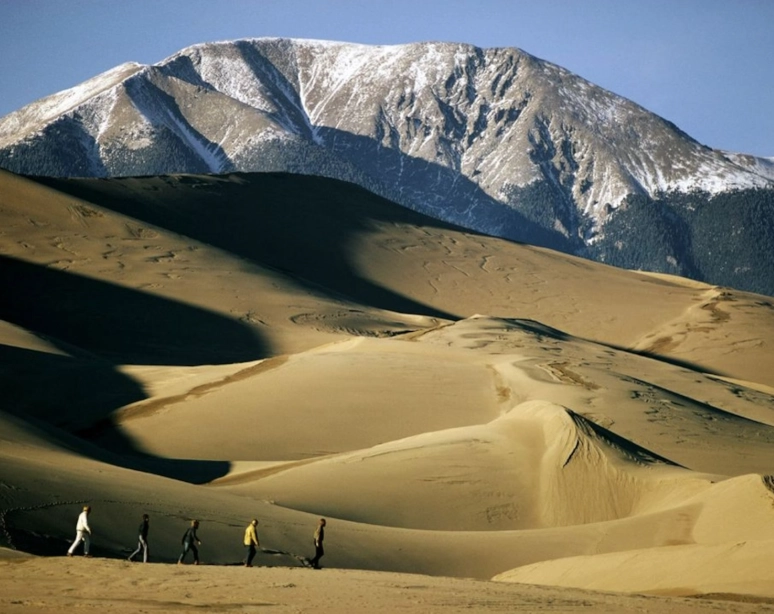
Hiking is the gateway. It's accessible, relatively safe, and the perfect way to build fitness and a love for the outdoors. Think of it as a long, vigorous walk in nature, usually on a defined path. The goal is enjoyment, scenery, and exercise. You finish where you started, or at a trailhead where your car is waiting.
The subtle mistake most new hikers make? Over-booting. You don't always need heavy, ankle-high leather boots for a smooth, 5-mile forest trail. Let's be honest, a good pair of trail runners often beats bulky boots on a well-maintained path. They're lighter, dry faster, and cause less fatigue. Save the boots for rocky, uneven terrain where ankle support is non-negotiable.
Your kit is simple: water (more than you think), high-energy snacks, a rain shell, a basic first-aid kit, and a downloaded map on your phone (with a backup power bank). Always tell someone where you're going. Resources like the U.S. National Park Service website are goldmines for finding great, well-maintained hikes.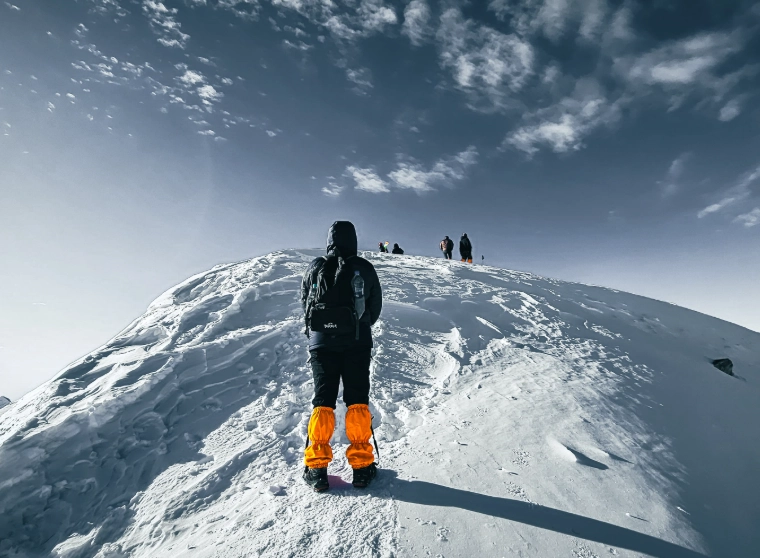
Trekking Defined: The Multi-Day Wilderness Journey
This is where you cross the line from recreation into expedition. Trekking involves a multi-day journey on foot, often through remote areas where you are self-sufficient. You carry everything you need to survive: shelter, sleep system, food, water purification, and clothing for all conditions. The trail might be there, but it's not a sidewalk. You'll deal with altitude, weather shifts, and the mental game of carrying a heavy load.
The trekker's hidden challenge isn't fitness—it's foot care and load management. I've seen marathoners humbled by day three of a trek because they didn't train with a loaded pack. Your body needs to adapt to 20+ kilograms on your back. And those boots? They must be broken in over months, not days. A hotspot ignored at 10 AM becomes a debilitating blister by 2 PM, with days still ahead.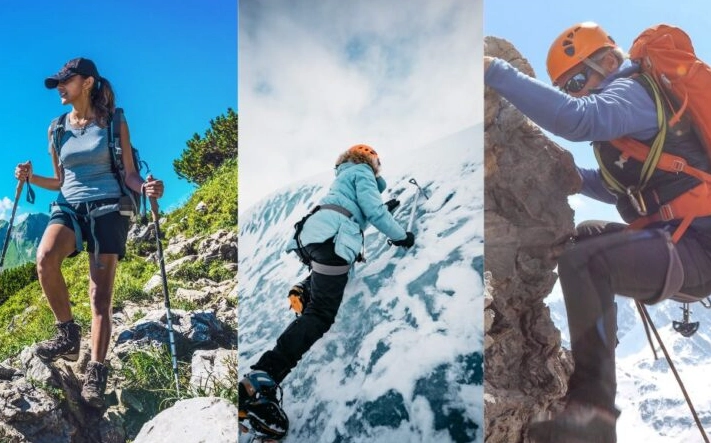
Popular treks like Nepal's Annapurna Circuit or Peru's Salkantay Trek often have teahouse lodging, reducing what you carry. But don't be fooled; it's still trekking. You're in the elements, covering serious distance at altitude. Planning involves permits, seasonal weather windows (monsoon vs. dry season), and understanding Acute Mountain Sickness (AMS) protocols. The reward is immersion you can't get any other way.
Mountaineering Unpacked: Where the Real Climbing Begins
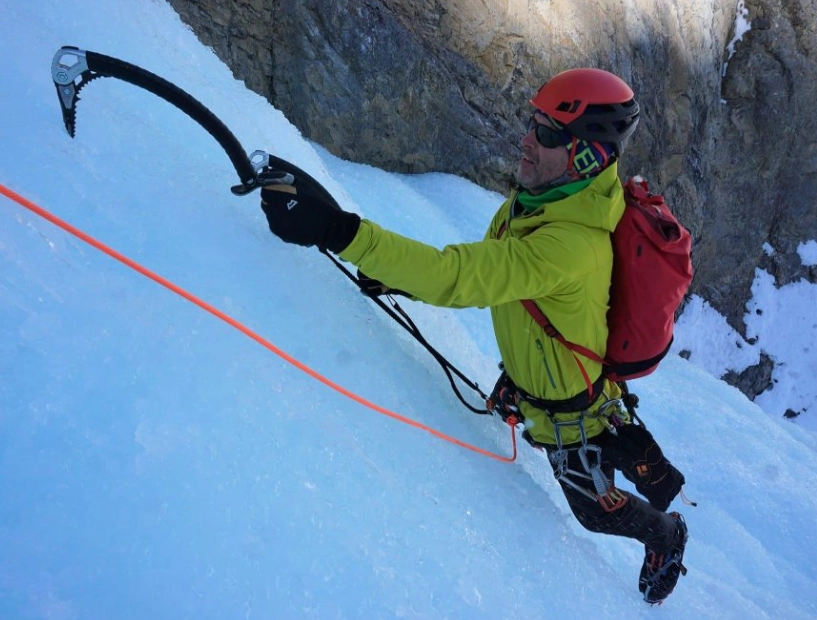
Mountaineering is the technical discipline. It starts where the trail ends. The objective is usually a summit, and the path involves navigating objective hazards: glaciers, steep snow, ice, and rock. This isn't just hard walking; it's climbing with specialized equipment. The margin for error shrinks dramatically.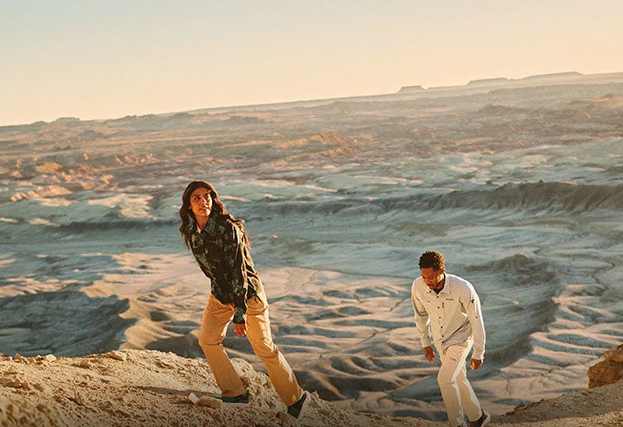
Here’s the non-consensus point many aspirants miss: The most important piece of gear in mountaineering isn't your ice axe—it's your partner, and your ability to function as a team. You are roped together on a glacier for a reason. Can you perform a crevasse rescue if your partner falls in? Do you know how to read avalanche terrain? This knowledge is mandatory, not optional. Organizations like the American Alpine Club or the British Mountaineering Council emphasize this constantly.
Beginner mountaineering routes, like Colorado's standard route on Quandary Peak (in winter) or a guided ascent of Mexico's Pico de Orizaba, teach these core skills: crampon technique, self-arrest with an ice axe, and roped travel. The gear list is specific and non-negotiable: rigid boots (not trekking boots), a climbing harness, a helmet, and the technical tools. It's a steep learning curve that demands formal instruction or mentorship.
How do I know which activity is right for me?
Ask yourself these questions:
The progression is natural: master hiking, then try an overnight backpacking trip (the bridge to trekking), build endurance with multi-day treks, and then seek technical training for mountaineering. You can happily spend a lifetime in any one of these stages.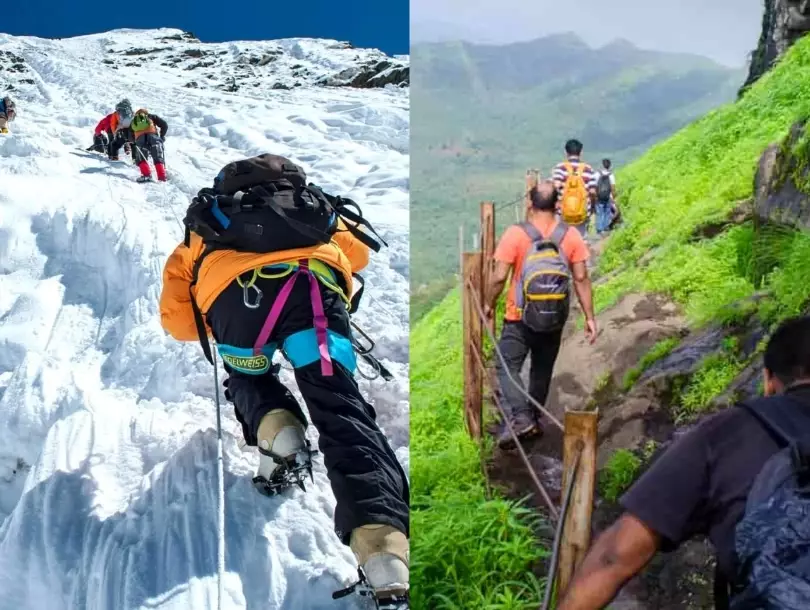
Your Burning Questions, Answered
The labels matter because they set expectations—for you, your companions, and your preparation. Hiking, trekking, and mountaineering offer different shades of challenge and reward. Pick the one that matches your skill, gear, and appetite for adventure. Then get out there and earn your view.