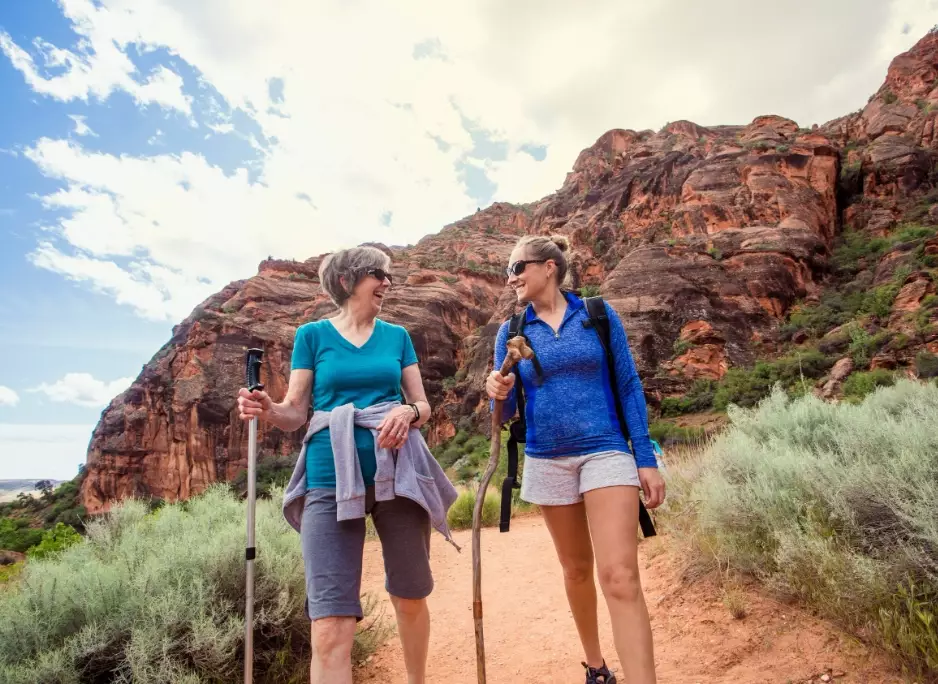
Let's be honest. Most backpacking gear lists read like a sterile shopping catalog. They tell you what to buy, but rarely the messy, nuanced how and why. After a decade of stuffing packs for trails from the Sierra to Scotland, I've learned that the right gear isn't about the shiniest tech or the lightest gram count. It's about a system that works for you, for the specific dirt under your boots.
This isn't just another list. It's a framework for thinking about your kit. We'll ditch the fluff and focus on the decisions that actually matter—the ones that determine if you're comfortable at mile fifteen or miserable at mile five.
Your Quick Trail Map to This Guide
The Three Non-Negotiable Gear Choices
Before you look at a single product, get these three foundational decisions right. Screw these up, and no amount of fancy gadgets will save your trip.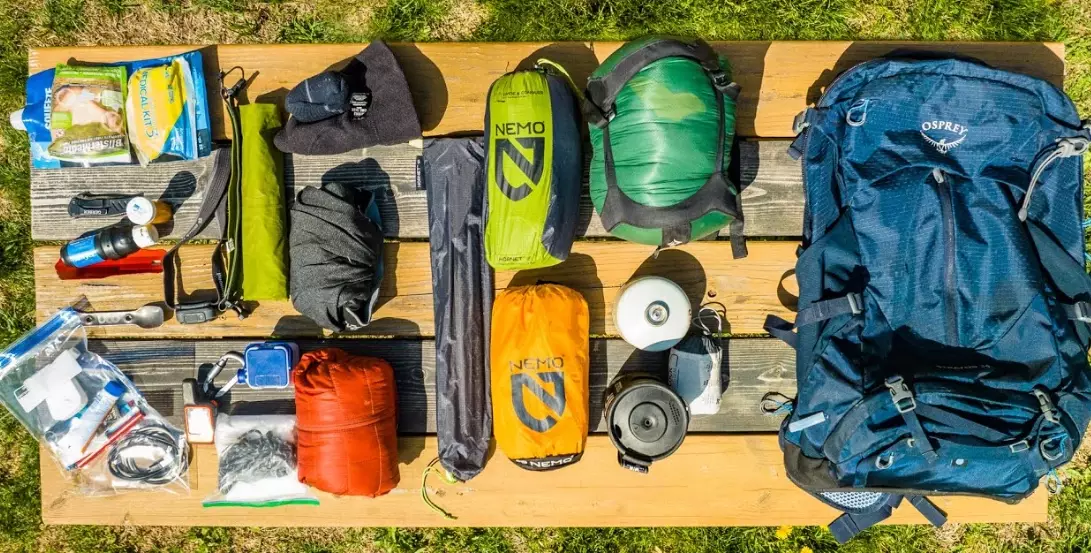
1. Your Backpack: It's About Fit, Not Features
I made this mistake early on. I bought a popular, highly-rated 65-liter pack online because it had all the pockets. It destroyed my shoulders on its first outing. The torso was too long.
Your pack is an interface between you and your gear. The most important spec isn't the brand or the material; it's the torso length and hipbelt size.
2. Your Shelter: Weight vs. Weather vs. Space
The tent vs. hammock vs. tarp debate is endless. Here's the stripped-down logic:
- Freestanding Tent: The default for a reason. Easy to pitch, great in wind, offers full bug and weather protection. Best for above-tree-line hikes, rocky ground, and beginners. Downsides: weight and bulk.
- Trekking Pole Tent: The lightweight champion. Uses your poles for structure, saving significant weight. Ideal for weight-conscious hikers on established trails. Requires more skill to pitch taut and is less stable in extreme wind.
- Hammock: Heaven on earth if you have trees. Unbeatable comfort and leaves no trace on the ground. A nightmare if you don't. Requires an underquilt for insulation, adding complexity and cost.
My take? For your first major kit, a quality 2-person trekking pole tent (like those from Zpacks or Tarptent) offers the best balance of weight, space, and weather protection for most three-season conditions.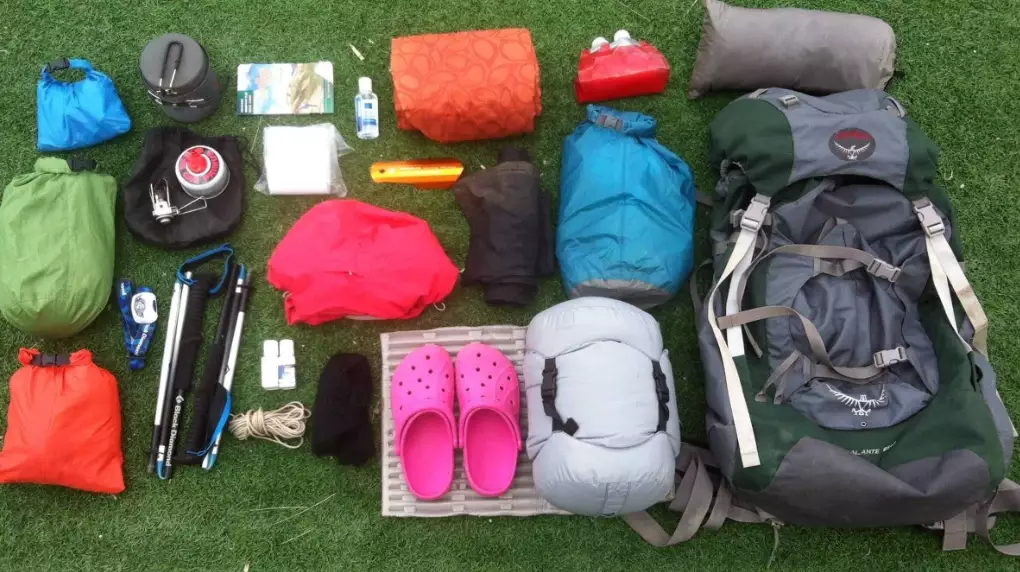
3. Your Sleep System: It's a System, Not Just a Bag
Your sleeping bag's temperature rating is a lie. Okay, not a lie, but a lab-tested survival rating, not a comfort rating. If a bag says 20°F, you'll likely be chilly at 30°F.
The real magic happens with the system: Sleeping Bag + Sleeping Pad + Base Layers.
Your pad's R-value (insulation) is as critical as your bag's loft. A $500 down bag on a cheap foam pad will leave you cold from the ground up. For three-season use, aim for a pad with an R-value of at least 3.0.
Gear Deep Dive: Shelters, Bags, and Cook Kits
Let's get into the weeds on specific categories.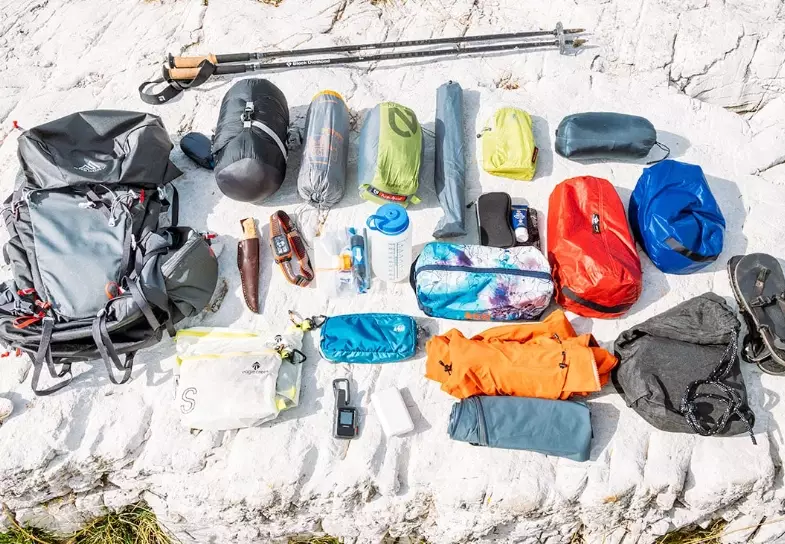
Backpacking Tents: Decoding the Specs
Look beyond the price tag. Here’s what matters:
| Feature | What It Really Means | Good for... |
|---|---|---|
| Floor Area (sq ft) | Living space. 28-30 sq ft is a tight 2P. 35+ is livable. | Tall people, longer trips, bad weather days inside. |
| Vestibule Area | Gear storage space. Crucial for keeping packs/boots dry. | Rainy climates, hiking with a partner. |
| Season Rating | 3-season handles rain/wind. 4-season is for snow loads. | Most backpackers need only a robust 3-season. |
| Packed Weight | Includes stuff sack, poles, guylines. The real number. | Comparing true carry weight between models. |
A tent like the Big Agnes Copper Spur HV UL2 is popular because it nails this balance: livable space, dual vestibules, and a sub-3lb packed weight.
The Down vs. Synthetic Sleeping Bag War
Down (goose or duck) is lighter, more compressible, and lasts longer. It's the king of dry, cold climates. Synthetic insulation (like PrimaLoft) is cheaper, retains warmth when wet, and dries faster. It's the reliable choice for humid, rainy trips.
My non-consensus view? For your one-quiver bag in variable conditions, a high-fill-power down bag (800+ fill) treated with a durable water-repellent (DWR) finish is hard to beat. Just pair it with a good pack liner and a tent that doesn't condensate heavily.
Stoves and Cookware: Boil Water, Don't Cook Feasts
Unless you're a backcountry gourmet, simplify. A canister stove (like the MSR PocketRocket 2) and a single 1-1.5 liter pot are all you need for 95% of trips. Titanium is light but expensive; hard-anodized aluminum is a great budget choice.
Skip the plate and bowl. Eat straight from the pot. It saves weight, space, and cleanup.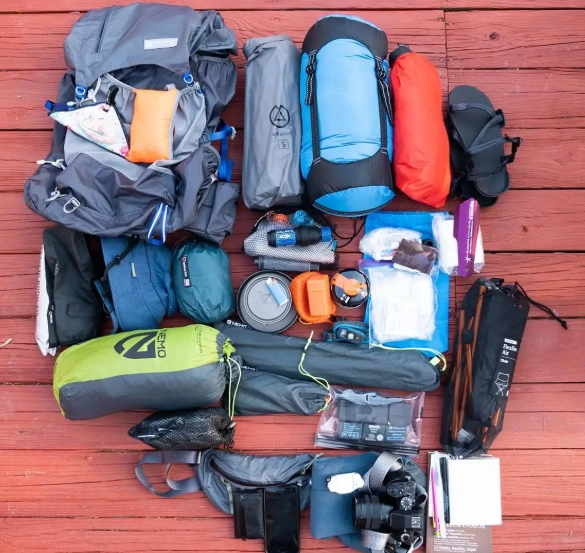
How to Pack Your Backpack (The Right Way)
Packing isn't just stuffing; it's weight distribution and access.
Bottom of Pack: Your sleeping bag and sleep clothes (items you won't need until camp).
Middle/Core (against your back): Heavy, dense items—stove, cook kit, food bag, water reservoir. This keeps the weight centered and close to your spine.
Top: Lighter items you might need during the day—rain jacket, puffy, first-aid kit.
Accessory Pockets: Immediate needs—snacks, sunscreen, map, headlamp, rain cover.
Always use a trash compactor bag or a dedicated pack liner (like from NRS) as an inner waterproof layer. Stuff your sleeping bag and down jacket in first. Trust me, a wet down bag is a trip-ender.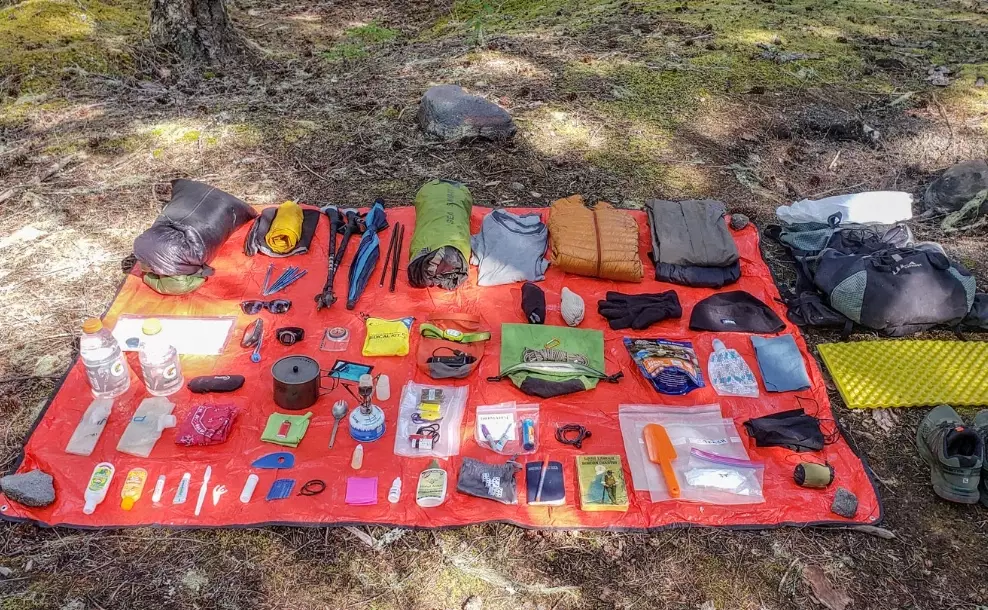
The 5 Most Common Gear Selection Mistakes
- Buying the backpack first. Your gear determines pack size, not vice versa.
- Packing for "what if" instead of "what is." That extra pair of jeans and a hardcover book? Leave them.
- Ignoring footwear until the last minute. Boots or trail runners need to be broken in. Blisters are the fastest way to misery.
- Choosing cotton for any layer. It's called "death cloth" for a reason. It holds moisture, loses insulation, and chills you. Stick to wool and synthetics.
- Neglecting a proper rain system. A cheap poncho might work for a drizzle, but a sustained downpour requires a real rain jacket and pack cover/liner.
Scenario-Based Gear Lists: From Weekend to Week-Long
Your gear changes with the trip. Here’s the mindset shift.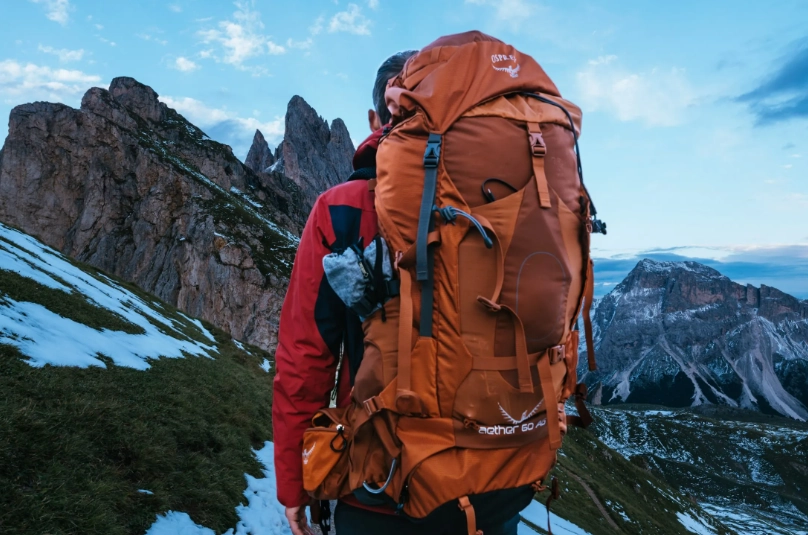
3-Day Weekend (Summer, Established Trail)
Goal: Light and fast. You can carry less food and fuel, allowing for smaller, lighter versions of your core items.
- Pack: 40-50 liters.
- Shelter: Ultralight tent or tarp.
- Sleep: Lighter 40°F bag, shorter pad.
- Clothing: One set to hike in, one set to sleep in. Minimal extras.
- Base Weight Target:
7-Day Wilderness Trek (Shoulder Season, Remote)
Goal: Reliability and safety. You need more food capacity, a more robust shelter, and warmer, more redundant layers.
- Pack: 60-75 liters.
- Shelter: Sturdy 3-season tent with good vestibule space.
- Sleep: 20°F bag, higher R-value pad (R 4.0+).
- Clothing: Full layering system (base, mid, insulation, shell), spare socks.
- Extras: Repair kit, satellite communicator (like a Garmin inReach), more comprehensive first aid.
- Base Weight Target: 18-25 lbs.
 s, Answered