Let's cut to the chase. There's no single "best" handheld GPS for every hiker. The right one depends entirely on where you go, how long you're out, and what keeps you safe. I've spent over a decade navigating everything from weekend trails in the Smokies to week-long treks in the Rockies, and I've seen too many people buy a device packed with features they'll never use while missing the one thing that could save them. Forget the marketing fluff. We're going to talk about what actually matters when you're miles from a trailhead with a fading battery and a storm rolling in.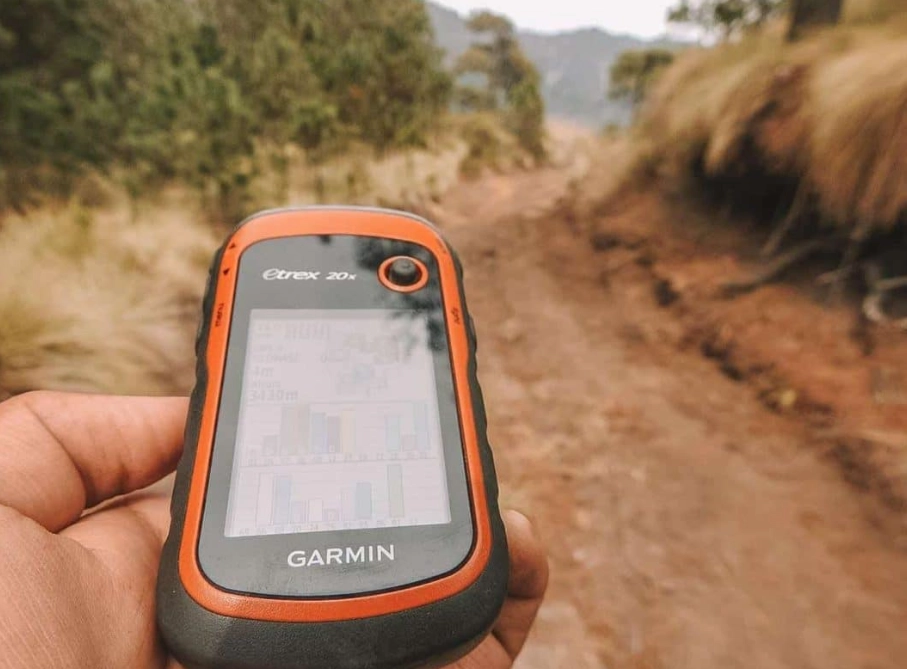
Navigate This Guide
What Really Matters in a Hiking GPS? (Beyond the Spec Sheet)
Manufacturers love to tout screen resolution and processor speed. You should care about these four things first.
Battery Life: The Non-Negotiable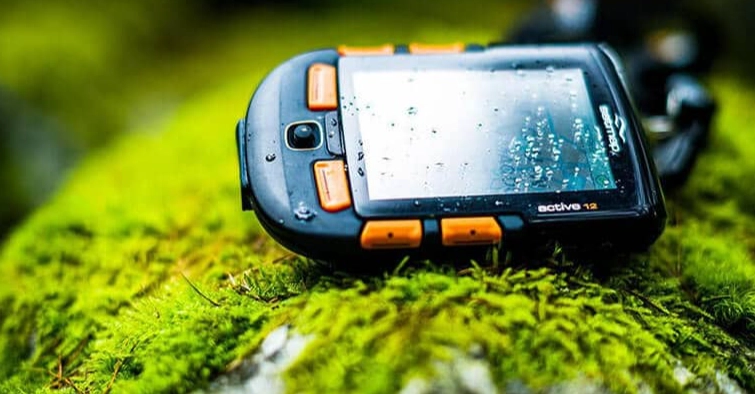
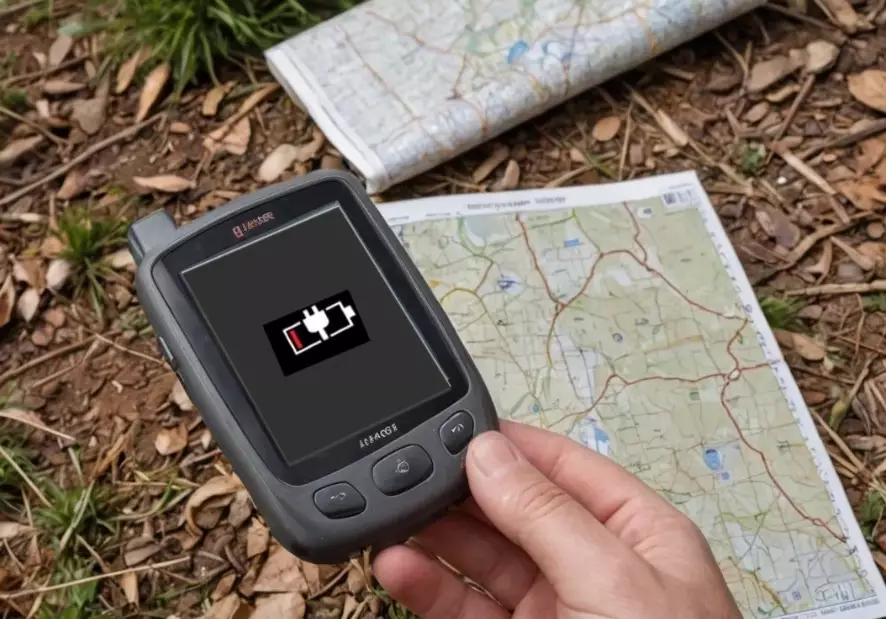
The advertised battery life is almost always under perfect lab conditions—backlight off, not tracking, no satellite messages. In real use, cut that number by 30-40%. A device claiming 16 hours might give you 10. If you're on a multi-day trip, you need either a monster battery or the ability to swap in standard AA/AAA batteries. I learned this the hard way on a three-day loop where my fancy, rechargeable-only unit died on day two. My backup? A cheaper model that ate AAs. Now I always carry one that uses replaceable batteries for any trip longer than a day.
Maps & Navigation: Pre-Loaded vs. Do-It-Yourself
Does it come with detailed topographic maps for your region, or do you have to buy them separately? Garmin's TOPO maps are good, but services like Garmin Discover or third-party options from CalTopo or AllTrails (which you can often sync) offer more flexibility. The interface for creating and following routes is crucial. A clunky menu system in freezing rain with gloves on is a recipe for frustration.
A subtle mistake most beginners make: Over-relying on the basemap. The default worldwide basemap is useless for trail details. You must load proper maps before you head out. Assuming your new GPS is ready to go out of the box is the fastest way to get lost.
Ruggedness & Readability
It needs to survive a drop onto rocks and be readable in direct sunlight. A bright, sunlight-readable display is more important than high resolution. Touchscreens can be great until they get wet or you need to use them with gloves. Physical buttons always work. Consider the MIL-STD-810 rating for shock and thermal toughness—it's a good indicator.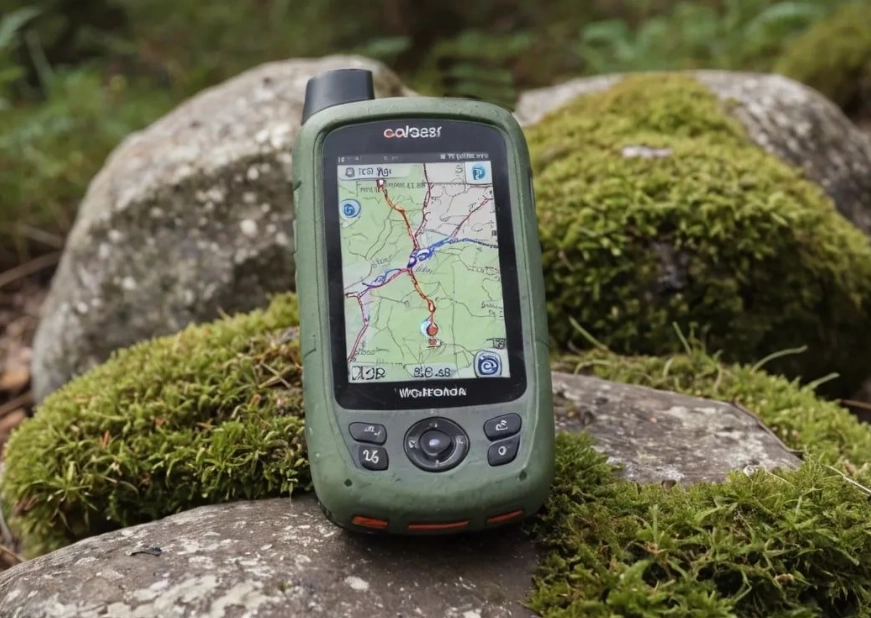
The Satellite Communicator Question
This is the biggest shift in recent years. Devices like the Garmin inReach Mini 2 or the GPSMAP 67i have two-way satellite messaging and SOS via the Iridium network. If you hike alone, go off-trail, or venture into areas with no cell service (which is most true wilderness), this feature transitions your GPS from a navigation tool to a lifeline. It requires a subscription, but the peace of mind is worth every penny for serious adventurers.
Top Contenders Head-to-Head
Here’s a breakdown of the current leaders, stripping away the hype to focus on hiking performance.
| Model | Best For | Key Strength | Critical Limitation | Battery (Real-World) | Satellite Comms |
|---|---|---|---|---|---|
| Garmin GPSMAP 67i | Serious backpackers & survivalists | Unmatched battery life, incredible reception, built-in satellite messaging | Bulky, heavy, expensive (device + subscription) | Up to 180 hours with AA batteries (in tracking mode) | Yes (inReach) |
| Garmin inReach Mini 2 | Ultralight backpackers & safety-first hikers | Extremely light, full satellite SOS/messaging, pairs with phone for maps | Tiny screen, poor for primary navigation alone, relies on phone | ~3-4 days of regular messaging/tracking | Yes (inReach) |
| Garmin eTrex SE | Budget-conscious & recreational hikers | Extremely affordable, reliable, uses AA batteries, simple interface | Basic monochrome display, no touchscreen, slower processor | Up to 25 hours (2 AA) | No |
| Garmin Montana 700 | 4x4 overlanders & hunters | Massive touchscreen, handles rugged vehicle mounting | Overkill and too large for most pure hiking, expensive | ~16 hours (rechargeable) | Optional (inReach model available) |
Notice I haven't listed any other major brands here. In the handheld hiking GPS space, Garmin is the dominant player for reliability and ecosystem. Other brands exist but often falter on map availability, software, or ruggedness for core hiking use.
How to Choose: Matching a GPS to Your Hike
Stop thinking about features and start thinking about scenarios.
Scenario 1: The Weekend Trail Hiker
You stick to established trails in national parks or state forests, usually for a day or a single overnight. Cell service is spotty but not entirely absent.
Your Pick: A Garmin eTrex SE or a robust smartphone app like Gaia GPS with downloaded maps is sufficient. Your primary need is verifying your position on a map. Invest the money you save on a good power bank.
Scenario 2: The Multi-Day Backpacker
You're out for 3+ days in wilderness areas like the Sierra Nevada or the Appalachian Trail. Resupply is limited, and you're self-sufficient.
Your Pick: This is the core user for the Garmin GPSMAP 67i. The AA battery life means you can carry spares and never worry about a charger. The satellite messaging (with a subscription plan like the "Recreation" annual plan) lets you check in with family and has SOS. The accuracy and reception are top-tier under heavy tree cover or in canyons.
Scenario 3: The Off-Trail & Solo Adventurer
You venture into true off-grid terrain, hike alone frequently, or pursue mountaineering objectives where conditions change fast.
Your Pick: Satellite communication is mandatory. The choice is between the inReach Mini 2 paired with your phone for a better mapping interface, or the all-in-one GPSMAP 67i. If you value ultimate simplicity and reliability in all conditions, choose the 67i. If every ounce counts and you're comfortable managing two devices (phone + communicator), the Mini 2 is brilliant.
Common Mistakes & Pro Tips From the Field
 Buying the device is just step one. Using it correctly is where most people fail.
Mistake 1: Not Practicing at Home. Don't open the box at the trailhead. Create a route from your house to a local park and follow it. Learn how to mark a waypoint, navigate back to it, and change the map layers. Familiarity is your best friend in a stressful situation.
Mistake 2: Ignoring the Compass Calibration. The electronic compass needs to be calibrated whenever you change batteries or move significant distances. A non-calibrated compass will give you wrong bearings, making your expensive GPS worse than a simple paper map.
Mistake 3: Forgetting About Subscription Costs. For satellite communicators, factor in the annual subscription fee (ranging from ~$12 to $50 per month depending on the plan). Check the coverage of the satellite network (Iridium is global) and what the SOS service actually provides (e.g., GEOS, which is the standard for Garmin inReach).
Pro Tip: Use Your GPS to Backtrack. The single most useful feature, especially in featureless terrain or whiteouts, is the track log. It automatically records your path. If you need to retreat, simply select "Track Back" or follow your breadcrumb trail on the map. This has gotten me back to camp more times than I can count when trails disappeared in snow.
Your Questions Answered
The Final Verdict
So, what's the best handheld GPS for hiking? For the majority of dedicated backpackers who venture into true wilderness, the Garmin GPSMAP 67i is the most capable and reliable choice, combining best-in-class navigation with essential satellite safety. For those prioritizing minimal weight and already using their phone for maps, the Garmin inReach Mini 2 is a superb safety companion. And for casual hikers on a budget, the Garmin eTrex SE gets the job done reliably. The best device is the one whose strengths match your specific risks and whose weaknesses you can manage. Now, load your maps, calibrate the compass, and go explore confidently.