Ask any seasoned hiker, ranger, or outdoor educator for the one non-negotiable rule of the trail, and you'll get the same answer. It's not about the fanciest gear or the fastest pace. The golden rule of hiking is the ethic of Leave No Trace. It sounds simple—leave the place as you found it, or better. But in practice, it's a nuanced philosophy that demands mindfulness at every step. This isn't just about picking up your trash; it's a comprehensive framework for minimizing our impact so these wild spaces remain vibrant for wildlife, other visitors, and future generations. Let's move beyond the bumper sticker slogan and dig into what this really means on the ground.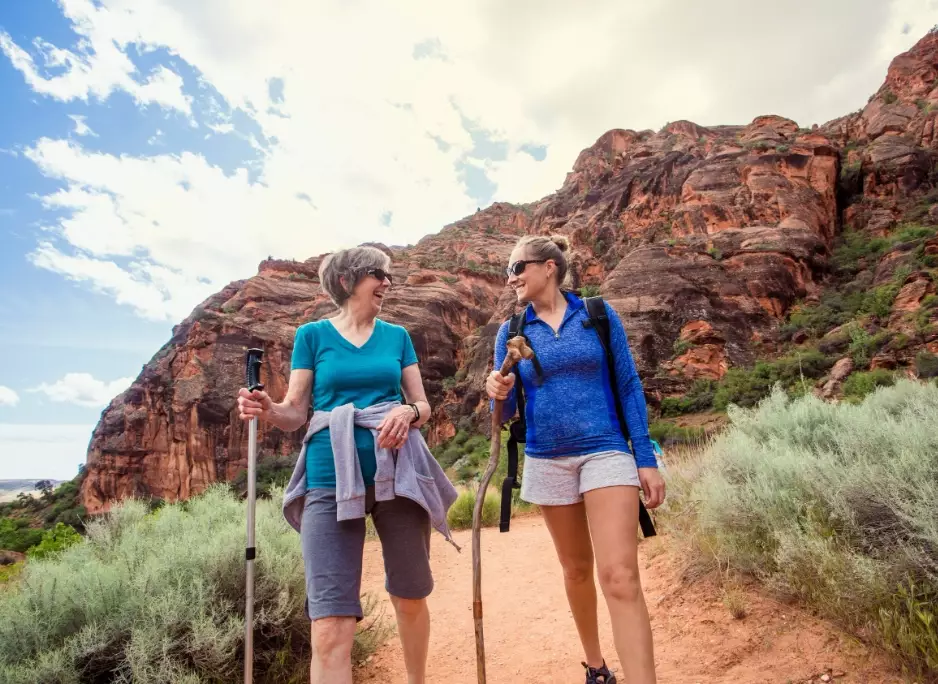
Your Quick Trail Guide
- What Is the Golden Rule of Hiking?
- The Seven Leave No Trace Principles
- Principle 1: Plan Ahead & Prepare
- Principle 2: Travel & Camp on Durable Surfaces
- Principle 3: Dispose of Waste Properly
- Principle 4: Leave What You Find
- Principle 5: Minimize Campfire Impacts
- Principle 6: Respect Wildlife
- Principle 7: Be Considerate of Other Visitors
- The Golden Rule in Action: Real-World Scenarios
- Expert Insight: The Mistakes Even Experienced Hikers Make
- Your Leave No Trace Questions Answered
What Is the Golden Rule of Hiking?
The golden rule is the Leave No Trace (LNT) ethic. It's the guiding principle that our enjoyment of the outdoors should not come at the expense of the environment. Think of it as outdoor citizenship. The official framework is managed by the Leave No Trace Center for Outdoor Ethics, a non-profit that provides research, education, and the seven principles we'll explore. This rule exists because love can be destructive. More visitors, even well-meaning ones, create cumulative damage—eroded trails, habituated wildlife, polluted water sources. LNT gives us the tools to love these places responsibly.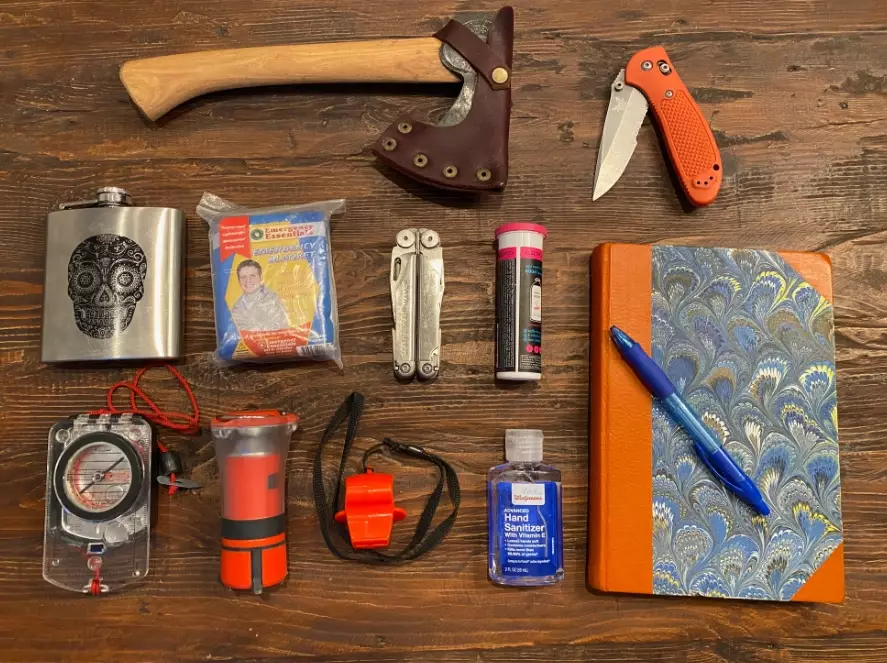
Why This Rule is Non-Negotiable
I once led a hike in Joshua Tree National Park and found a pile of orange peels just off the trail. "But it's biodegradable!" someone said. In that arid environment, it can take years to decompose, attracting animals to trails and altering their diet. It's a visual stain. That moment cemented for me that LNT isn't about arbitrary rules; it's about understanding ecosystem-specific impacts. What's harmless in your backyard can be harmful in the backcountry.
The Seven Leave No Trace Principles
These seven principles are the actionable blueprint of the golden rule. They adapt to every environment, from your local forest to remote alpine zones.
1. Plan Ahead & Prepare
This is where good intentions become reality. Poor planning leads to last-minute decisions that often violate other principles. It means checking weather and terrain, knowing regulations (are permits required? are fires banned?), and packing the right gear. A key part? Repackaging your food to minimize trash before you even hit the trail. Ditch the bulky boxes and put snacks in reusable containers. Planning your meal portions reduces leftover food waste you have to carry out.
2. Travel & Camp on Durable Surfaces
Concentrate your impact. Stay on established trails, even if they're muddy. Walking around mud puddles widens the trail, creating braided paths that scar the landscape. In pristine areas without trails, spread out to avoid creating new paths. For camping, use established sites. If you must create a new site, choose durable surfaces like rock, gravel, dry grass, or snow, and camp at least 200 feet from lakes and streams to protect riparian zones.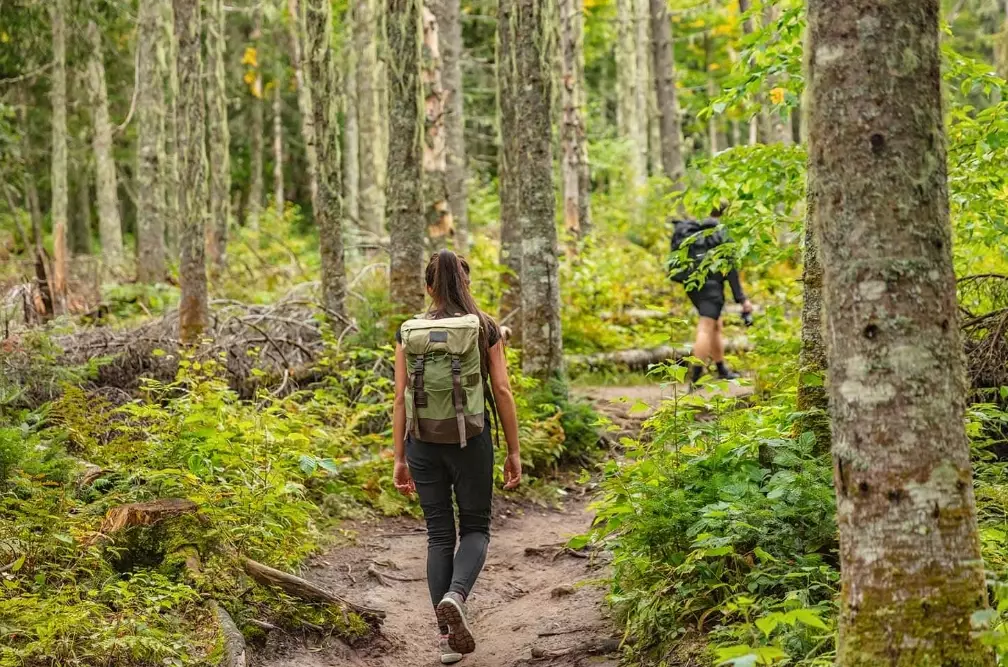
3. Dispose of Waste Properly
Pack it in, pack it out. Every scrap. This includes all trash, leftover food, and litter. For human waste, the method varies. In most areas, dig a cathole 6-8 inches deep at least 200 feet from water, trails, and camp. Cover and disguise it when finished. Pack out toilet paper and hygiene products in a dedicated bag—yes, really. It's the single most effective way to prevent unsightly "trail flowers." In some fragile alpine or desert environments, you may need to pack out solid human waste entirely using specific kits.
4. Leave What You Find
This one tugs at our sense of wonder. That beautiful wildflower, the interesting rock, the ancient arrowhead. Let them be. Taking souvenirs diminishes the experience for the next person and disrupts natural processes. Don't build structures, trenches, or "improvements" to campsites. Avoid introducing non-native species by cleaning your gear, especially boots and trekking poles, between trips to prevent spreading invasive seeds.
5. Minimize Campfire Impacts
Campfires are a tradition, but they cause lasting impact. Use a camp stove for cooking—it's faster, cleaner, and leaves no scar. If you must have a fire, use an existing fire ring in a well-established site. Keep fires small. Burn all wood and coals to ash, put the fire out completely with water (not dirt), and scatter the cool ashes. Never break branches off live or dead standing trees. A common misstep is building a new ring in a pristine spot, which leaves a blackened scar for years.
6. Respect Wildlife
Observe from a distance. Never feed animals. Feeding alters natural behaviors, makes them dependent on human food (which is unhealthy for them), and can lead to aggressive behavior. Store your food and trash securely using bear canisters or hangs where required. This protects both you and the animal. Control pets at all times, or leave them at home if the area doesn't allow them. Give animals extra space during sensitive times like mating, nesting, and winter.
7. Be Considerate of Other Visitors
The trail is a shared space. Yield to others—typically, uphill hikers have the right of way. Step to the downhill side when yielding. Keep noise levels down—let natural sounds prevail. If you're listening to music, use headphones. Manage your group size; large groups are more disruptive. Camp away from trails and other visitors to preserve their sense of solitude. A simple smile and "hello" go a long way.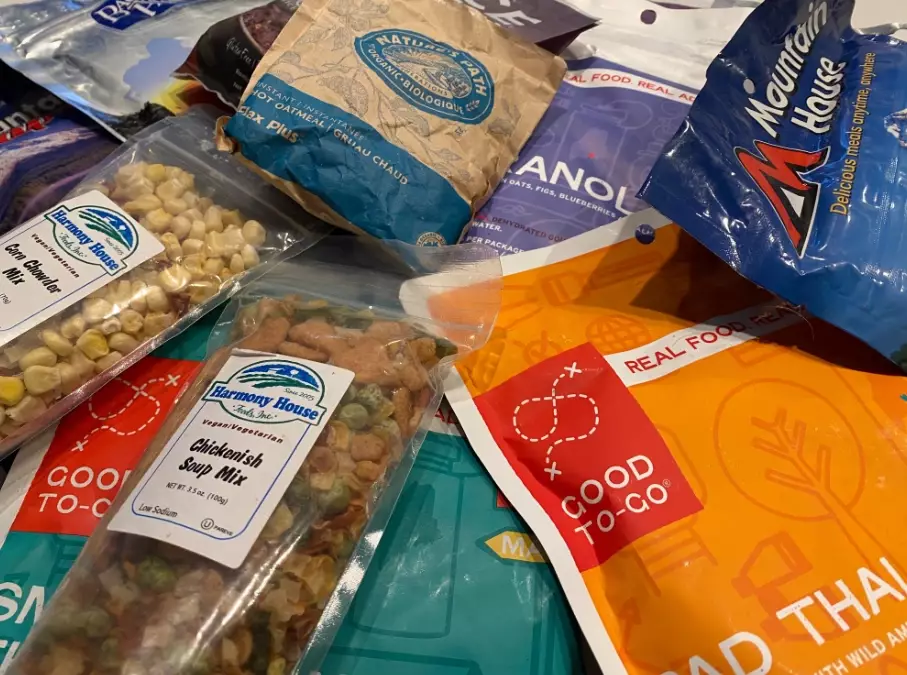
The Golden Rule in Action: Real-World Scenarios
Let's apply this to specific situations you'll face.
The Muddy Trail Dilemma: You come to a long, unavoidable muddy section. The trail is a quagmire, but there's a dry, vegetated bypass worn in by others. What do you do? The LNT answer is to walk straight through the mud. Your boots will get dirty, but walking on the vegetation widens the trail permanently and damages plant roots. Waterproof boots are part of proper planning for this exact reason.
The "Perfect" Campsite: You find a stunning, flat spot right by a lake with a beautiful view. It's never been camped on before. Tempting? Absolutely. Responsible? No. Camping within 200 feet of the lake tramples fragile shoreline vegetation and can pollute the water. Set up your tent on a durable surface well back from the water, and walk to enjoy the view.
The Scenic Lunch Spot: You stop for lunch on a rocky outcrop with a view. After eating, you brush a few crumbs off your lap "for the birds." Even small amounts of food waste attract rodents, which then attract predators, unnaturally altering the local food web. Every crumb goes back into your food bag.
Expert Insight: The Mistakes Even Experienced Hikers Make
After years on the trail, I see patterns. The most dedicated hikers sometimes miss the subtleties.
The "Biodegradable" Soap Mistake: People think using biodegradable soap in a stream or lake is fine. It's not. Even plant-based soaps can harm aquatic life. Wash yourself, dishes, and clothes at least 200 feet from water sources, using minimal soap, and scatter the wastewater widely.
The Social Trail Creator: In search of the perfect photo or a private moment, hikers will wander off-trail just 10-15 feet. One person does little damage, but hundreds following that same impulse create a network of social trails that fragment habitat and cause erosion. Stay on the rock, log, or durable surface for that photo.
The Overzealous Trail Blazer: Someone sees a fallen branch on the trail and moves it. Seems helpful, right? But that branch might be critical habitat for insects, fungi, or small animals. Or it might be placed intentionally by land managers to block an eroding social trail. Unless it's a clear, immediate hazard (like a large deadfall you cannot duck under), leave natural objects where they lie.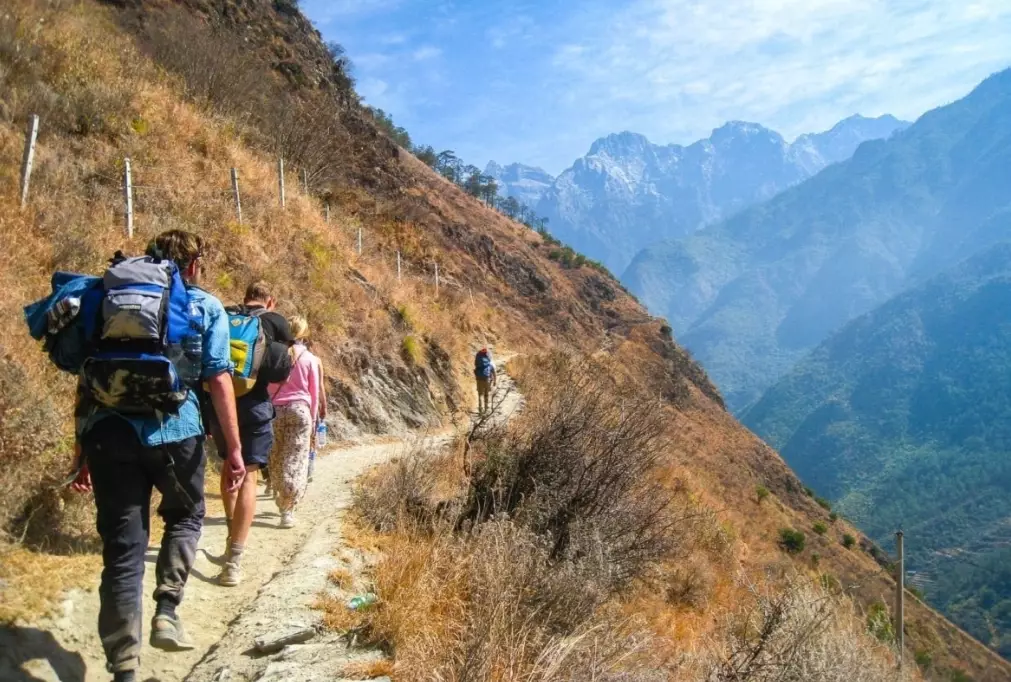
Your Leave No Trace Questions Answered
 How do I practice Leave No Trace with young children or a dog?
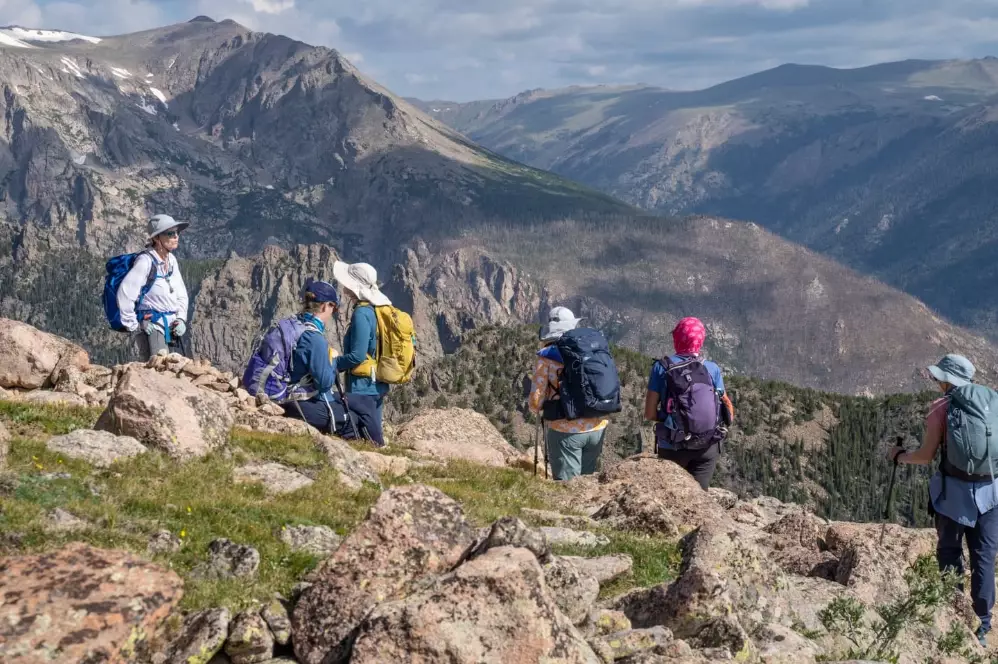 The golden rule of hiking, Leave No Trace, is a pact we make with the wild. It's an acknowledgment that our presence has an impact, and a commitment to make that impact as light as possible. It transforms hiking from a simple activity into a practice of respect. It's not about perfection, but about persistent, mindful effort. Carry these principles with you on every hike, share them gently with others, and you'll be doing your part to ensure the trails we love remain untarnished for all who follow.