Quick Navigation: What You'll Find Here
- The Science Behind Climbing Shoe Design
- Climbing Shoes vs. Regular Shoes: A Side-by-Side Comparison
- How Climbing Shoes Improve Your Performance
- Choosing the Right Climbing Shoes: A Practical Guide
- Common Myths and Misconceptions
- Personal Experience: From Skeptic to Believer
- Frequently Asked Questions (FAQ)
Let's cut to the chase. If you're asking whether climbing shoes make a difference, the short answer is yes—absolutely. But it's not just about having them; it's about how they work and why they matter. I've been climbing for over a decade, and I've seen beginners struggle in sneakers while experts swear by their specialized footwear. The difference isn't subtle; it's often the line between sticking a move and peeling off the wall.
Think about it. Climbing involves trusting your feet on tiny edges, smearing on slabs, and hooking on overhangs. Regular shoes? They're built for walking, not precision. Climbing shoes, on the other hand, are engineered for friction, sensitivity, and support. In this guide, I'll break down exactly how they impact your climbing, from grip to comfort, and share some hard-earned insights you won't find in most gear reviews.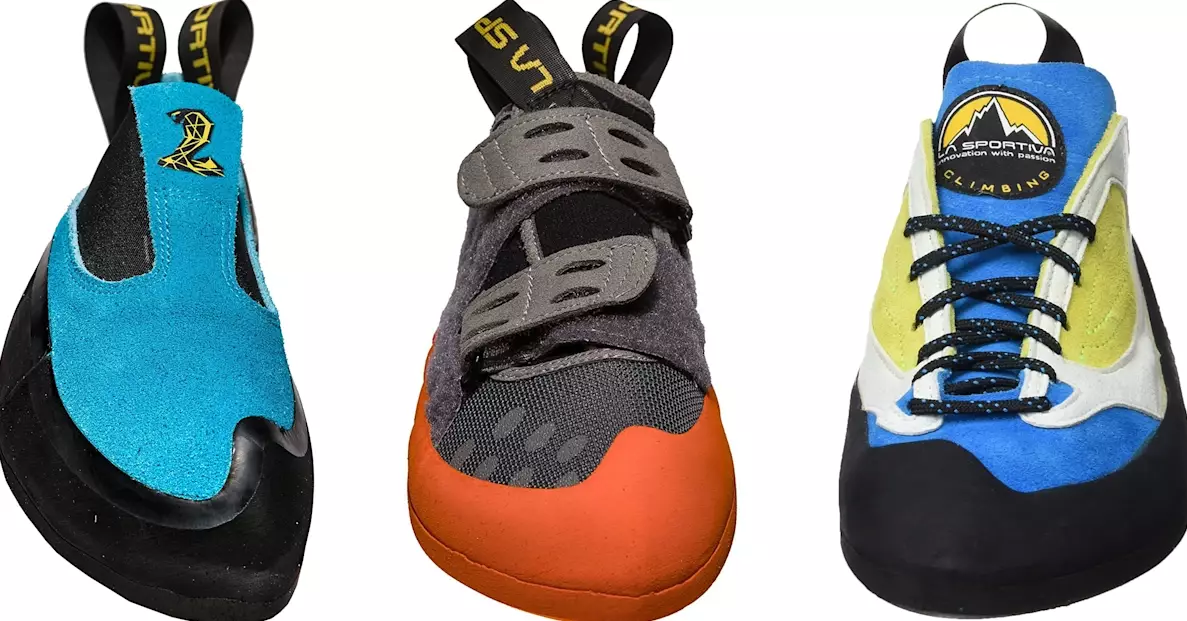
The Science Behind Climbing Shoe Design
Climbing shoes aren't just fancy sneakers. They're tools designed with specific materials and shapes to maximize performance. The key elements? Rubber compounds and last shape.
Rubber Compounds and Friction
The rubber on climbing shoes is stickier than what you find on regular shoes. Brands like Vibram develop proprietary blends—for example, Vibram XS Edge rubber is harder for edging, while XS Grip is softer for smearing. This stickiness increases friction against rock, allowing you to stand on smaller holds. It's science: the rubber deforms slightly to create more surface contact, much like how a tire grips the road.
But here's a nuance many miss. Rubber hardness matters. Softer rubber (like 5.10's Stealth C4) offers better sensitivity but wears out faster on rough granite. Harder rubber lasts longer but might feel less grippy on slick limestone. I've worn through a pair in six months because I prioritized sensitivity over durability—a trade-off worth considering.
Last Shape and Downturn
The "last" is the mold that gives a shoe its shape. A downturned last curves the toe downward, which helps on overhangs by concentrating power on the big toe. A flat last is more comfortable for all-day climbing or beginners. This design isn't arbitrary; it mimics the natural foot position during aggressive moves.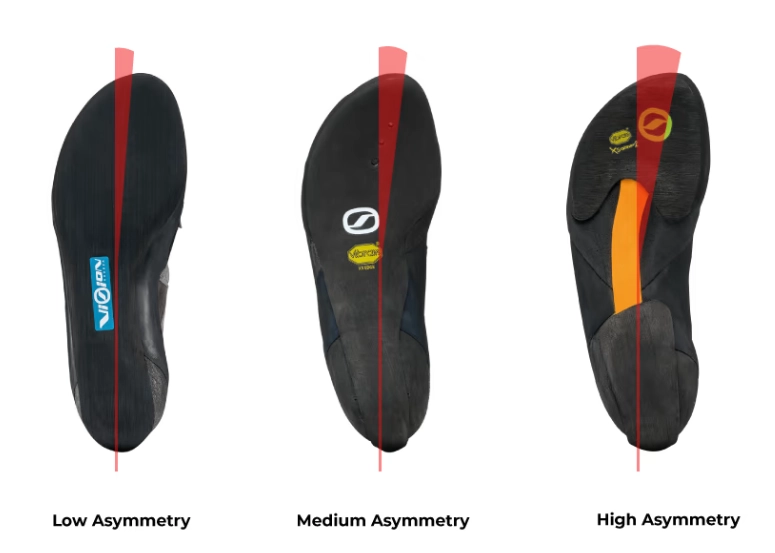
I made a mistake early on. I bought highly downturned shoes because they looked cool, but they killed my feet on slab climbs. They're designed for specific terrains, not as a one-size-fits-all solution.
Climbing Shoes vs. Regular Shoes: A Side-by-Side Comparison
Let's put it in a table. This isn't about bashing regular shoes—they're great for hiking—but highlighting why climbing shoes excel on rock.
| Feature | Climbing Shoes | Regular Shoes (e.g., Sneakers) |
|---|---|---|
| Rubber Stickiness | High-friction rubber (e.g., Vibram XS Grip) | Standard rubber for durability |
| Sole Flexibility | Thin, sensitive sole for feedback | Thick, cushioned sole for comfort |
| Toe Shape | Downturned or flat, optimized for edging | Rounded, for walking |
| Closure System | Lace-up, Velcro, or slip-on for tight fit | Laces or slip-on for casual wear |
| Weight | Lightweight (200-400g per shoe) | Heavier (400-600g per shoe) |
| Primary Use | Rock climbing, bouldering, indoor gyms | Walking, running, general sports |
From my experience, trying to climb in sneakers feels like driving a truck on a racetrack. You might get by, but you're missing precision. On a recent trip to Joshua Tree, a friend attempted a 5.8 route in trail runners—he slipped off a crucial edge that climbing shoes would have gripped easily.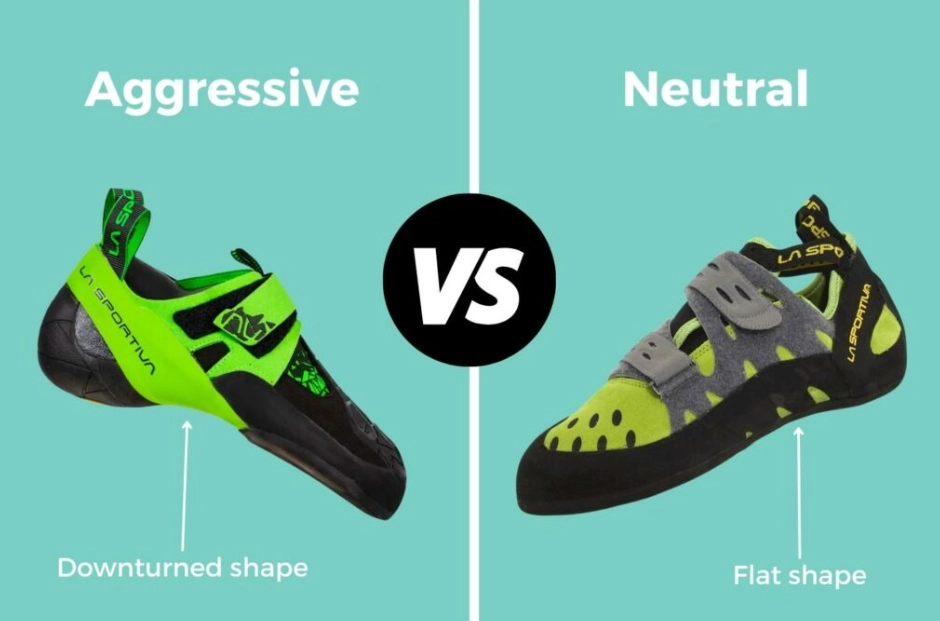
How Climbing Shoes Improve Your Performance
This is where the rubber meets the rock, literally. Climbing shoes enhance three main areas: grip, precision, and sensitivity.
Enhanced Grip on Small Edges
Small edges—those dime-sized nubs on granite—require maximum friction. Climbing shoes allow you to stand on them confidently. The rubber compound and thin sole let you feel the hold and adjust pressure. In contrast, regular shoes slide off because their rubber isn't sticky enough and the sole is too thick to conform.
I recall a bouldering problem in Bishop, California. The crux involved a tiny edge for the right foot. With climbing shoes, I could smear and trust the rubber. Without them? I'd have fallen every time.
Better Precision for Foot Placement
Precision means putting your foot exactly where you want it. Climbing shoes have a pointed toe that lets you target specific spots, like a pencil tip. This is crucial for technical face climbing where foot placement errors lead to falls.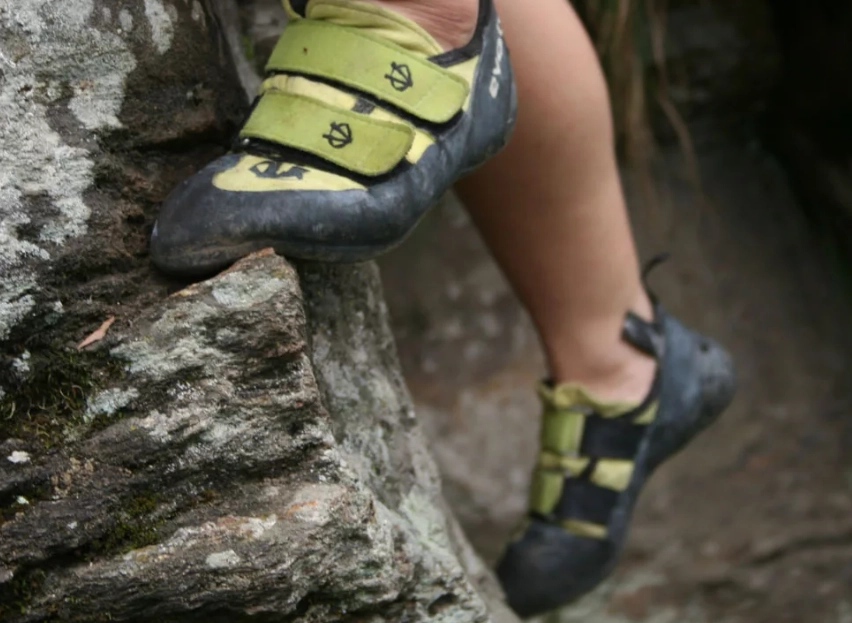
Beginners often struggle with this. They'll place their foot vaguely, but climbing shoes force you to be intentional. It's a skill that develops faster with the right gear.
Increased Sensitivity and Feedback
Sensitivity is about feeling the rock through the shoe. Thin soles in climbing shoes transmit vibrations and textures, helping you sense when a hold is slippery or solid. Regular shoes mute this feedback, making it harder to adjust.
Here's a tip: sensitivity varies. Aggressive shoes might sacrifice some comfort for feedback. My first pair felt like walking on glass, but I learned to read the rock better.
Key Takeaway: Climbing shoes don't just improve performance; they enable techniques like edging, smearing, and hooking that are nearly impossible in regular footwear. If you're serious about progressing beyond beginner routes, they're non-negotiable.
Choosing the Right Climbing Shoes: A Practical Guide
Not all climbing shoes are created equal. Picking the wrong pair can lead to pain and poor performance. Let's focus on fit and type.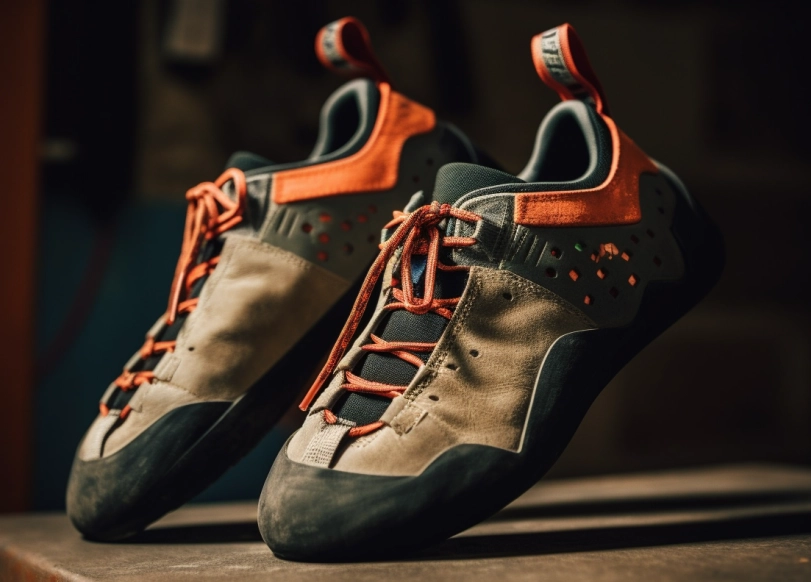
Fit and Sizing Tips
Fit is everything. Climbing shoes should be snug but not painfully tight. A common mistake is sizing down too much, thinking it'll improve performance. It might, but it can also cause blisters or numb toes. Aim for a fit where your toes are slightly curled, without gaps in the heel.
- Try them on in the afternoon: Feet swell during the day, so shop later to avoid buying shoes that become too tight.
- Consider sockless wear: Most climbers go sockless for better sensitivity, so account for that when sizing.
- Break them in gradually: Wear new shoes for short sessions to avoid hotspots.
I learned this the hard way. I once bought shoes a size too small for a competition—ended up with bruised toenails that took weeks to heal.
Types of Climbing Shoes
Climbing shoes fall into categories based on use. Here's a quick rundown:
- Neutral shoes: Flat last, comfortable for all-day climbing or beginners. Examples: La Sportiva Tarantulace, Scarpa Origin. Great for gym climbing or long multi-pitch routes.
- Moderate shoes: Slight downturn, versatile for various terrains. Examples: La Sportiva Katana, Five Ten Anasazi. My go-to for most outdoor climbing.
- Aggressive shoes: High downturn, stiff midsole for overhangs and bouldering. Examples: Scarpa Instinct VS, Evolv Shaman. Ideal for steep routes but can be uncomfortable on slabs.
Don't get swayed by hype. If you're starting, a neutral shoe is better than an aggressive one. I see too many new climbers buying advanced shoes and hating the experience.
Common Myths and Misconceptions
Let's debunk some myths. First, climbing shoes don't make you a better climber overnight. They enhance your abilities, but technique matters more. I've seen skilled climbers send hard routes in approach shoes, but it's the exception, not the rule.
Second, expensive shoes aren't always better. A $50 beginner shoe might suit your needs more than a $200 professional model. Focus on fit and intended use, not price.
Third, tight shoes aren't necessary for everyone. Yes, performance fits are tight, but if you're climbing recreationally, a comfortable fit prevents injuries. The American Alpine Club emphasizes proper footwear to avoid foot problems—something many overlook.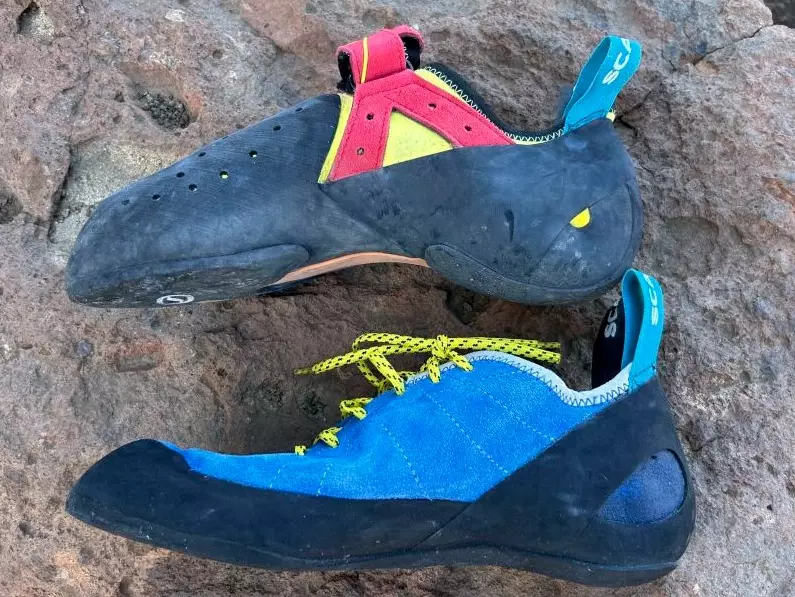
Personal Experience: From Skeptic to Believer
When I started climbing, I used old tennis shoes. I thought climbing shoes were a gimmick. Then, on a trip to Red River Gorge, I borrowed a friend's pair for a 5.10 route. The difference was night and day. I could stand on holds that felt impossible before, and my footwork felt more controlled.
But it wasn't all smooth. My first personal pair was too stiff, causing arch pain on long climbs. I switched to a more flexible model, and the improvement was immediate. This taught me that personal preference and climbing style matter as much as the shoe's specs.
Now, I own three pairs: one for gym sessions, one for outdoor sport climbing, and one for bouldering. It might seem excessive, but each serves a purpose. For most people, one versatile pair is enough.
Frequently Asked Questions (FAQ)
To wrap up, climbing shoes do make a difference—a significant one. They're not magic, but they transform how you interact with rock. From enhanced grip to precise foot placement, they're a crucial tool for any climber. Start with a pair that fits your style, and don't be afraid to experiment. Your feet will thank you, and your climbing will level up.