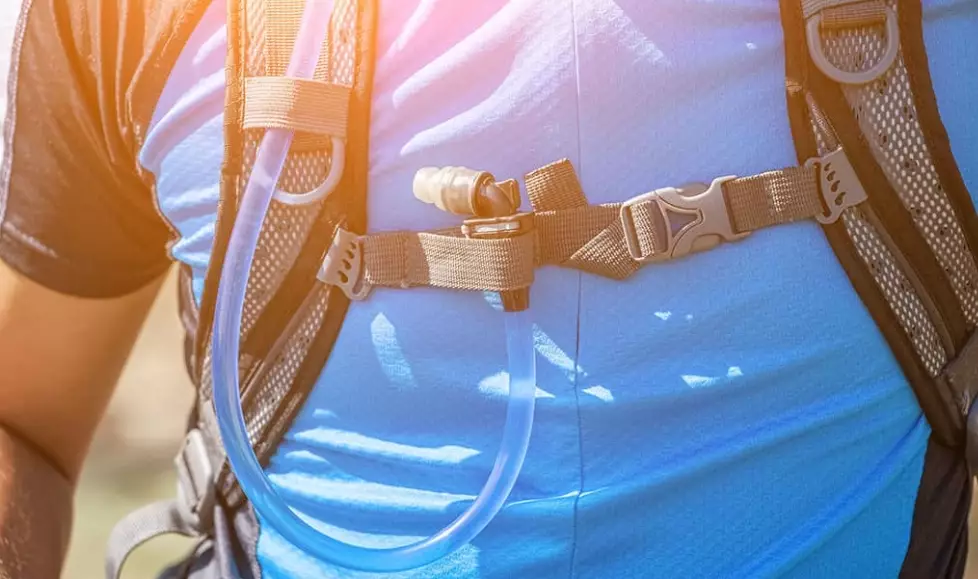
Let’s cut to the chase. Yes, a hydration pack is overwhelmingly good for you if you’re active outdoors. I’ve logged over a thousand miles with one strapped to my back, and the difference in my performance and comfort is night and day. But the real answer is more nuanced than a simple yes. It’s about understanding why they work, for whom, and the few genuine drawbacks that nobody talks about until you’re dealing with a moldy tube on a Tuesday night.
This isn’t just about carrying water. It’s about a system that fundamentally changes your relationship with hydration during activity. We’ll dig into the science-backed benefits, the practical headaches, and how to choose one that won’t end up in your closet after two uses.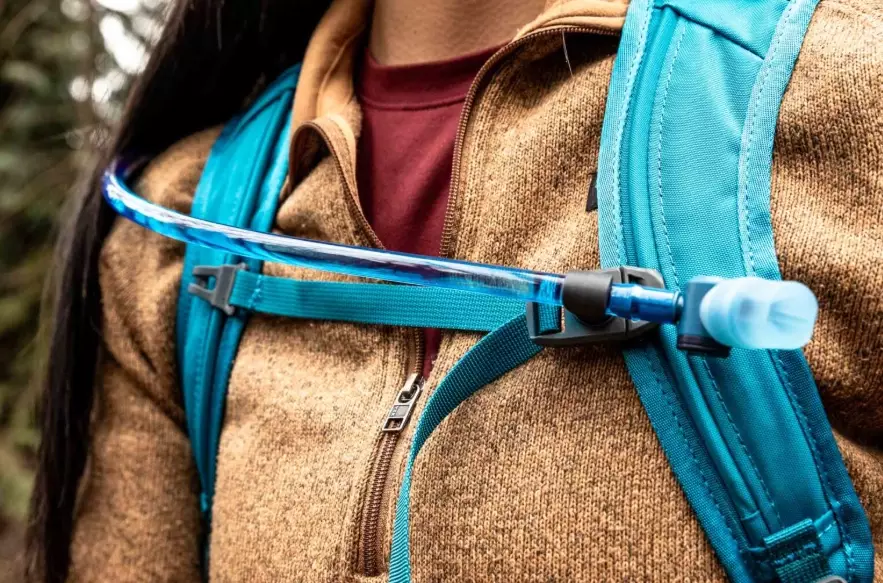
What’s Inside This Guide
The Proven Health & Performance Benefits
The core advantage isn't the pack itself; it's the hands-free, sip-ready access to water. This simple feature triggers a cascade of positive effects.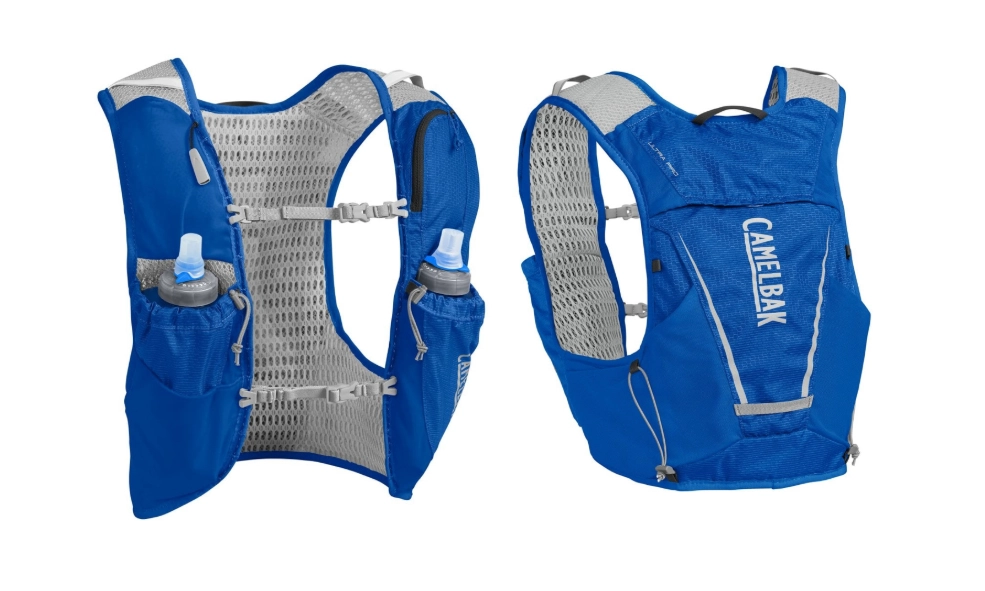
Promotes Consistent Hydration
When your water is inches from your mouth, you drink more often. You take small, frequent sips instead of waiting for a major thirst cue and then guzzling from a bottle. This mirrors the advice from sports nutritionists and organizations like the CDC, which emphasizes drinking at regular intervals to prevent dehydration. Thirst is a lagging indicator; by the time you feel it, you're already behind. With a hydration bladder, you stay ahead of the curve.
Improves Balance and Reduces Fatigue
Carrying weight close to your spine and centered on your back is biomechanically superior to having it swing at your sides in bottles. It lowers your center of gravity, improves stability on uneven terrain, and reduces the rotational strain that can tire out your core and shoulders. For trail running or scrambling, this is a game-changer.
Encourages Better Form and Focus
No more stopping to rummage in a side pocket. No unscrewing caps with sweaty hands. You keep moving, maintain your rhythm, and stay mentally engaged in your activity. Your heart rate stays steadier, and you avoid the mini “start-stop” stress cycles that add up over a long day.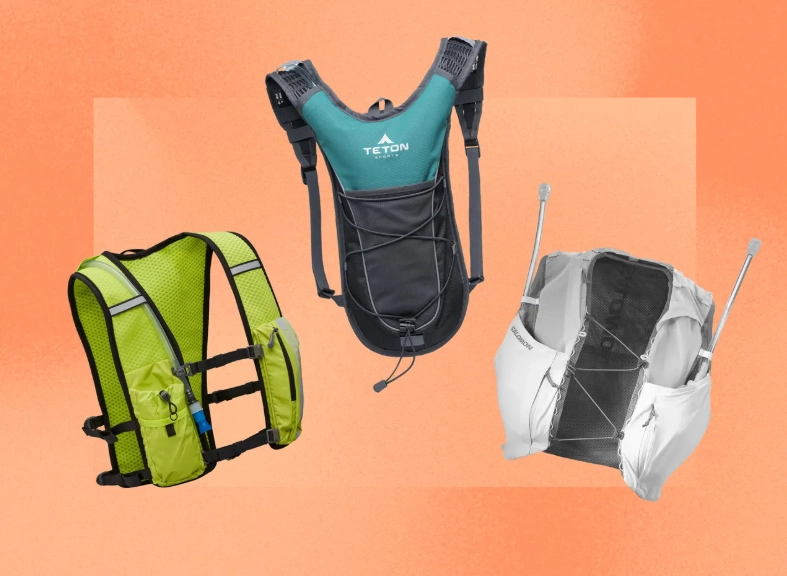
Carries More Than Just Water
Modern hydration packs are daypacks. You can store a bladder and still have room for a jacket, snacks, a first-aid kit, and your phone. This integrated approach means you’re more likely to have essential safety gear with you. It’s the difference between “just a run” and a prepared outing.
The Potential Drawbacks (The Real Talk)
Ignoring the downsides is how people end up with a $120 pack they hate. Here’s what you need to know before buying.
The Cleaning Conundrum
This is the number one complaint, and it’s valid. Stagnant water in a dark, damp tube is a paradise for bacteria and mold. If you don’t clean it diligently, your next sip might taste like a swamp. It’s an extra chore that bottle users don’t have.
Weight Distribution and Fit Issues
A full 3-liter bladder weighs about 6.6 pounds. If the pack itself is poorly designed or doesn’t fit your torso length, that weight can pull on your shoulders or bounce uncomfortably. A bad fit turns a benefit into a literal pain in the neck.
Difficulty Gauging Water Supply
With a bottle, you see exactly how much is left. With a bladder tucked in a sleeve, you’re guessing. You have to slosh it or develop a feel for the weight. Running out unexpectedly is a real risk if you’re not paying attention.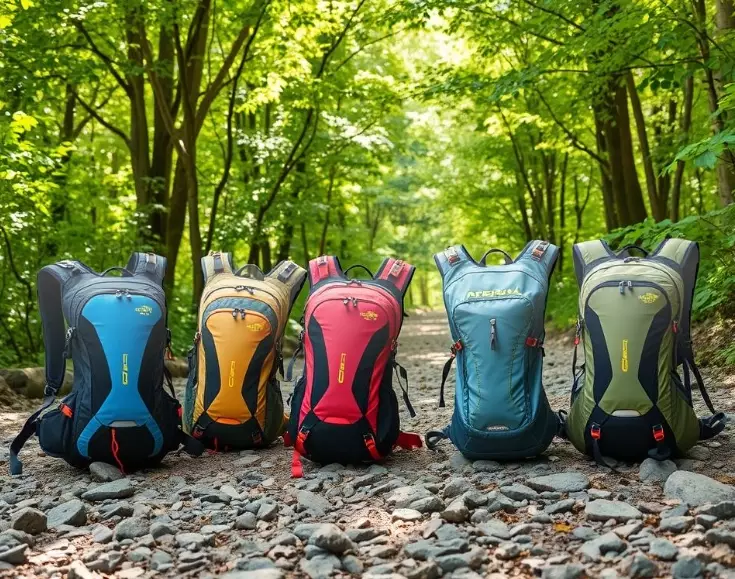
Potential for Leaks and Mechanical Failure
More parts mean more potential failure points: the bladder seam, the hose connection, the on/off valve, the bite valve. A leak inside your pack can soak everything. Quality varies massively between brands.
How to Choose the Right Hydration Pack
Not all packs are created equal. Your choice should be dictated by your primary activity. Here’s a breakdown.
| Activity | Recommended Capacity | Key Features to Look For | Top Consideration |
|---|---|---|---|
| Trail Running / Fastpacking | 1.5L - 2L bladder, 5-12L pack | Ultra-light materials, minimal bounce, breathable back panel, easy-access front pockets for gels. | Stability and weight. It must feel like part of you. |
| Day Hiking | 2L - 3L bladder, 15-25L pack | Comfortable, padded straps, load-lifter straps, hip belt for weight transfer, multiple compartments for gear. | Comfort over long distances and organizational space. |
| Mountain Biking | 2L - 3L bladder, 10-15L pack | Low-profile design, chest strap to secure pack, tool compartment, helmet carry. | Staying streamlined and not interfering with movement on the bike. |
| Day Skiing / Snowboarding | 2L - 3L bladder with insulated tube | Insulated hose sleeve, durable outer fabric, ski/snowboard carry straps, goggle pocket. | Preventing the water from freezing in the tube. |
The Critical Fit Test
If possible, try the pack on with weight. The torso length (not your height) is the most important measurement. The shoulder straps should sit comfortably, and the hip belt (if present) should ride on your hip bones, not your stomach. Many outdoor retailers have weighted bean bags you can use to simulate a full bladder.
Bladder Quality Matters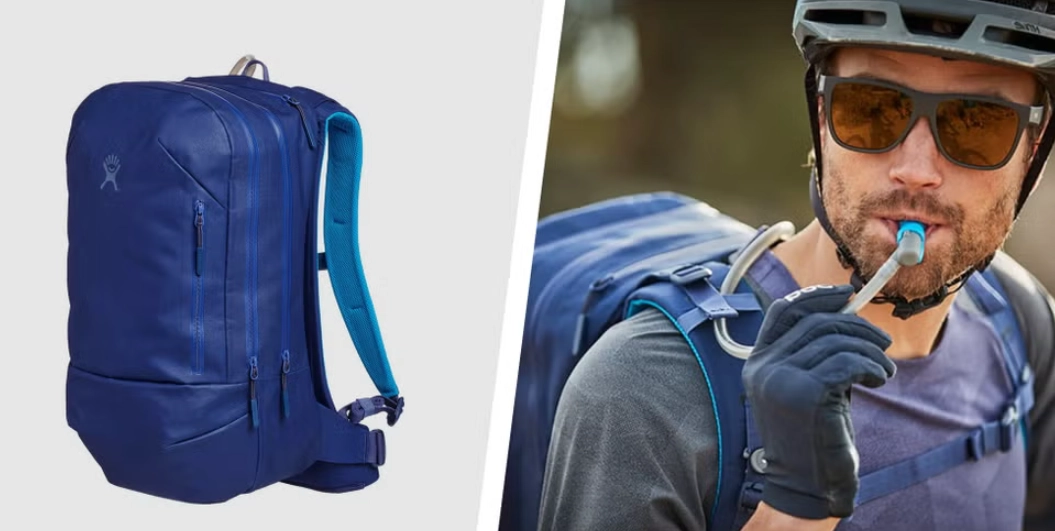
Look for bladders with a wide opening for easy cleaning (like those from HydraPak or Osprey’s magnetic closure system). Taste-free materials are a must. The hose should be easy to detach for drying. Don’t just buy the cheapest pack; the bladder is its heart.
Essential Maintenance & Hygiene Tips
Treat your hydration system like a kitchen sponge, not a piece of furniture. Here’s the non-negotiable routine.
After Every Use: Empty all leftover water. Rinse the bladder with warm water. Blow into the tube to clear it, then hang the entire system to air dry—preferably in a well-ventilated area, not a dark closet.
Deep Clean (Every Few Uses or Before Storage): Use a dedicated cleaning kit (a brush and tablet) or a mild solution of baking soda or vinegar. Fill the bladder about a quarter full, swish it around, and let it sit in the tube for 10-15 minutes. Rinse thoroughly until all smell/taste is gone.
The Golden Rule of Drying: This is the step everyone skips. Hang the bladder open over a bottle, and hang the tube and valve separately. Use a drying rack or a specialized hanger. Store it completely dry and slightly open.
Freezing a full bladder can help for short-term storage, but it’s not a substitute for cleaning.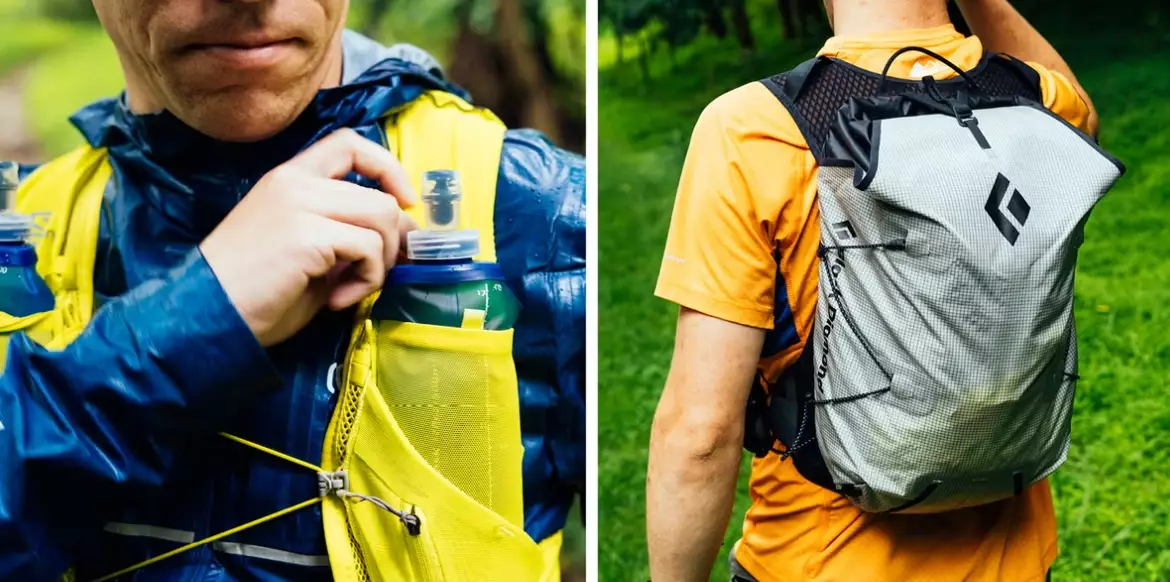
Your Hydration Pack Questions Answered