Let's cut to the chase: safe hiking isn't about wrapping yourself in bubble wrap. It's about smart preparation and knowing how to handle the trail so you can actually enjoy it. The biggest mistake I see, even from people who've done a few hikes, is treating it like a casual walk in an urban park. The wilderness doesn't care about your phone battery. A twisted ankle three miles in feels very different than one in your driveway. This guide is what I wish someone had told me before my first solo backpacking trip, where I learned a few lessons the hard way.
What You'll Find in This Guide
How to Plan Your Hike: Beyond the App
Planning is your first and most powerful safety tool. Don't just pick a trail on AllTrails because the photos look nice. That's a recipe for a bad day.
First, research the trail details like your hike depends on it—because it does. Look beyond the star rating. Read the most recent reviews, especially the critical ones. Someone last week might mention a washed-out bridge or a hornet's nest at mile two. Check the official land manager's website, whether it's the National Park Service or a national forest page, for alerts and permits. I once drove four hours to a trailhead only to find a "Trail Closed for Restoration" sign. A two-minute check online would have saved the trip.
Second, be brutally honest about the weather. Don't just glance at the icon. Look at the hourly forecast for the trailhead's elevation. Mountain weather is notorious for changing fast. A sunny 70°F (21°C) forecast can turn into a cold, windy 50°F (10°C) with rain at higher altitude. Websites like Mountain-Forecast are built for this. If there's a chance of thunderstorms, plan to be off ridges and peaks by early afternoon.
Finally, tell someone your plan. I don't mean a vague "going hiking." Leave a written note or text a reliable person with: the exact trail name, your planned route (including any alternates), the trailhead location, your car's description and license plate, and your expected return time. Specify when they should call for help if they don't hear from you. This single act has saved countless lives.
The Ten Non-Negotiable Hiking Essentials (And How to Choose Them)
The "Ten Essentials" list was created by mountaineers decades ago and it's still the gold standard. But it's not about checking boxes; it's about knowing how to use what you bring. Here’s my take on the modern list, focused on function over brand names.
| Essential | What It Really Means & Specific Examples | Common Pitfall to Avoid |
|---|---|---|
| 1. Navigation | Map (paper, waterproof), compass, and GPS (phone app like Gaia GPS). Your phone is a backup, not your primary tool. | Relying solely on a phone with a dying battery and no offline maps downloaded. |
| 2. Headlamp | Plus extra batteries. Not a flashlight—you need your hands free. Look for 300+ lumens. | Packing it at the bottom of your pack. Keep it accessible. |
| 3. Sun Protection | Sunscreen (SPF 30+, mineral-based is kinder to nature), sunglasses, lip balm, and a hat or buff. | Forgetting that sunburn happens on cloudy days and at high elevation. |
| 4. First Aid Kit | Pre-made kit plus add: blister treatment (moleskin/leukotape), personal meds, antihistamine. | Not knowing how to use the items inside. Take a basic wilderness first aid course. |
| 5. Knife/Multi-tool | A simple folding knife or a lightweight multi-tool for gear repair, first aid, or food prep. | Bringing a huge, heavy tool. A small, sharp blade is sufficient for most needs. |
| 6. Fire Starter | Waterproof matches, a lighter, and firestarter (cotton balls soaked in petroleum jelly). | Carrying just one method. Have at least two redundant ways to start a fire for emergency warmth. |
| 7. Emergency Shelter | An emergency bivvy sack, space blanket, or even a heavy-duty garbage bag. This is for unexpected overnight stays. | Thinking your rain jacket is enough. A space blanket weighs 3 ounces and can be a lifesaver. |
| 8. Extra Food | Calorie-dense, no-cook food (energy bars, nuts, jerky) for at least one extra day. | Packing only your planned lunch. Hunger accelerates fatigue and poor decision-making. |
| 9. Extra Water | More than you think you need, plus a way to purify more (filter, tablets, UV pen). | Underestimating consumption. In heat or exertion, you can need 1 liter per 2 hours. |
| 10. Extra Clothes | An insulating layer (fleece/puffy) and a rain/wind shell. Avoid cotton—it loses insulation when wet. | Dressing only for the trailhead temperature. Pack for the worst weather you might encounter. |
Let's get specific about footwear, because it's a huge pain point. Your shoes are your most important piece of gear. A common error is buying boots that are "stiff for ankle support" but don't match your foot or the trail. For well-maintained trails, a sturdy hiking shoe or trail runner is often better—lighter, less break-in time, and less likely to cause blisters. The key is fit: go shopping in the afternoon when your feet are slightly swollen, wear the socks you'll hike in, and make sure there's a thumb's width of space in front of your toes when standing. Break them in on short walks before a big hike.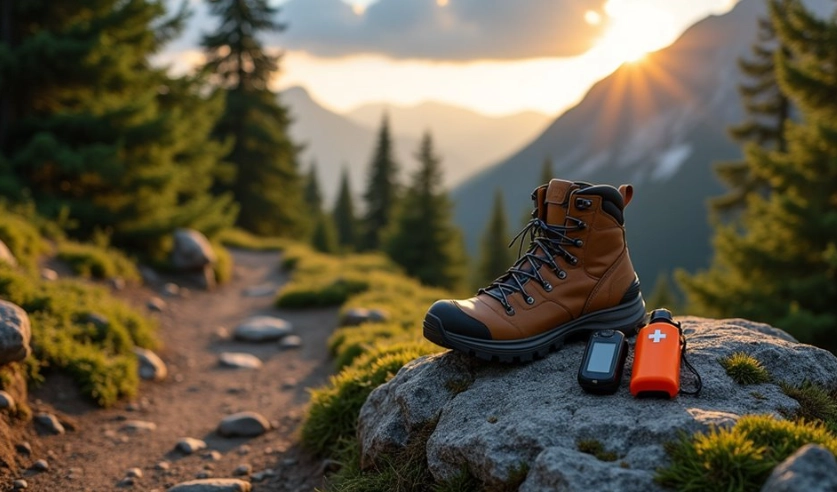
Key Safety Practices While You're on the Trail
You've planned, you've packed. Now you're on the trail. Safety here is about awareness and rhythm.
Start slow. The biggest energy drain is charging up the first hill. Find a pace where you can hold a conversation. If you're gasping, slow down. Drink water before you feel thirsty, and snack before you feel hungry. I set a timer for every 45 minutes to remind myself to drink a few sips and eat a handful of nuts.
Weather is your boss. If the sky darkens and you hear thunder, get off high ground immediately. Crouch in a low area, away from isolated trees. Rain can turn a simple stream crossing into a dangerous torrent. If water looks fast and is above your knees, turn around. No summit or vista is worth the risk.
Wildlife encounters are usually peaceful if you're smart. Make noise in areas with bears to avoid surprising them—talk, sing, clap. Carry bear spray where recommended and know how to use it (it's not like bug spray; you create a cloud between you and the bear). For smaller critters, secure your food. A mouse chewing through your pack for a granola bar can ruin your trip.
Pay attention to your body. A hot spot on your heel is a future blister—stop and apply moleskin immediately. Feeling a bit dizzy or nauseous? That could be early heat exhaustion or dehydration. Stop, rest in the shade, drink water with electrolytes, and cool down.
Handling Hiking Emergencies: Stay Calm and Act
If something goes wrong, panic is your worst enemy. Stop. Sit down. Breathe. Drink some water. Then assess using the STOP method: Stop, Think, Observe, Plan.
If You're Lost
First, don't wander. If you have a phone and signal, call for help. If not, retrace your steps mentally. Can you find your last known point on the map? If you're truly disoriented and no one is coming, staying put is usually safer than moving further into unknown terrain. Use your emergency shelter, conserve energy, and make yourself visible. Three of anything (whistle blasts, flashes of light, piles of rocks) is the universal distress signal.
If Someone Is Injured
Your first aid kit is for stabilization, not surgery. For a sprain or fracture, immobilize the area. For bleeding, apply direct pressure with a clean cloth. For hypothermia (shivering, confusion, slurred speech), get the person into dry clothes, into the emergency shelter, and provide warm drinks and food if conscious. The goal is to prevent the situation from getting worse until professional help arrives. If you're in a group, send at least two people for help with written details about the location (GPS coordinates if possible) and the injury.
Knowing basic wilderness first aid from a provider like the American Red Cross or NOLS is one of the best investments you can make for safe hiking.
Your Safe Hiking Questions Answered
 How much water should I really carry for a 5-mile hike?
The trail doesn't have to be intimidating. With thoughtful preparation, the right gear used correctly, and a mindset focused on awareness rather than just conquest, you transform risk into confidence. That's when you truly start to enjoy the views, the quiet, and the challenge. Now go plan your next hike—safely.