Let's cut to the chase. You're not looking for a generic list of pretty mountains. You want the real deal—the places that give you goosebumps just thinking about the approach, that test your skills to the limit, and that reward you with stories for a lifetime. As someone who's spent over a decade chasing vertical lines from Patagonia to Pakistan, I've learned that the "best" climbing spot isn't just about the rock or ice. It's the perfect storm of quality, challenge, accessibility (within reason), and that intangible, soul-stirring atmosphere.
Forget the fluff. Here are the five destinations that consistently deliver world-class experiences for climbers of various disciplines. I'll give you the raw beta: what makes each one special, the crucial details everyone forgets to check, and how to avoid the classic rookie mistakes I see every season.
Your Quick Route to the Top
- 1. Yosemite Valley, USA: The Granite Cathedral
- 2. Chamonix-Mont Blanc, France: The Alpine Playground
- 3. Kalymnos, Greece: The Sport Climber's Paradise
- 4. Patagonia (Argentina/Chile): The Big Wall & Alpine Test
- 5. The Himalayas (Nepal): The Ultimate High-Altitude Quest
- How to Choose Your Next Climbing Destination
- Your Climbing Trip Questions, Answered
1. Yosemite Valley, USA: The Granite Cathedral
There's no place like it. Yosemite isn't just a climbing destination; it's a pilgrimage. The sheer scale of El Capitan and Half Dome defines big wall climbing. But a common mistake? Beginners think it's only for aid climbers slogging up The Nose for days. Wrong. The valley has an incredible range, from classic multi-pitch trad like Snake Dike on Half Dome to some of the world's hardest sport climbs and boulder problems in Camp 4.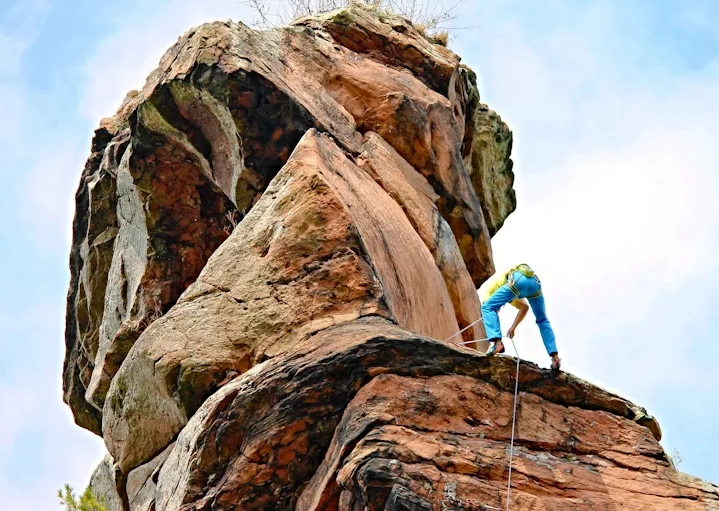
The Nitty-Gritty Details
Location: Yosemite National Park, California, USA. The climbing is concentrated in Yosemite Valley.
Best Season: Spring (April-June) and Fall (September-October). Summer is crowded and hot. Winter is for ice climbers and masochists.
Getting There: Fly into Fresno Yosemite International (FAT) or San Francisco (SFO). A 3-4 hour drive to the park entrance. Pro Tip: You MUST book your park entry reservation in advance during peak season via the National Park Service website. I've seen too many turned away at the gate.
The Vibe: Historic, competitive, and deeply communal. Sharing beta in Camp 4 is a rite of passage.
A Hidden Gem Most Miss: While everyone stares at El Cap, the Tuolumne Meadows high country (open summer-fall) offers stunning alpine granite with a fraction of the crowds. Cathedral Peak is a must-do moderate summit.
2. Chamonix-Mont Blanc, France: The Alpine Playground
If mountains were a gym, Chamonix would be the one with every imaginable piece of equipment. Ice climbing, mixed routes, high-altitude alpine ascents, long rock routes, and via ferrata—it's all here, accessible by a network of lifts and trails. The town breathes mountain culture.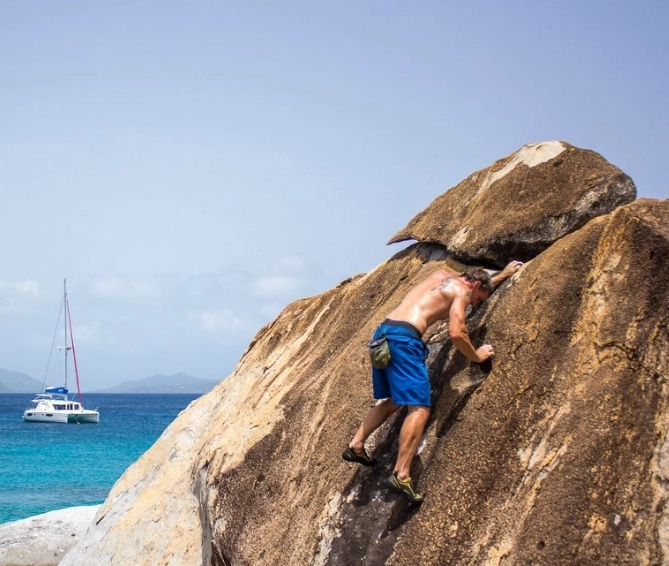
My non-consensus take? People get obsessed with the iconic Vallée Blanche ski tour or the Mont Blanc summit and overlook the world-class rock climbing on the Aiguilles. The Aiguille du Midi lift gives you instant access to routes that would take days elsewhere.
The Nitty-Gritty Details
Location: Chamonix-Mont-Blanc Valley, French Alps.
Best Season: Depends on your game. Rock: July-September. Alpine/Ice: June-August for high mountains, December-March for pure ice.
Getting There: Fly into Geneva, Switzerland (GVA). A spectacular 1-hour shuttle ride to Chamonix.
The Vibe: Cosmopolitan, intense, and incredibly efficient. You'll share the trail with world-class alpinists and tourists in jeans.
Essential Gear Most Forget: A Mont Blanc Unlimited lift pass. It's pricey, but trying to access these routes without it is like bringing a knife to a gunfight. Also, the rock can be surprisingly loose on classic routes—a helmet isn't optional.
3. Kalymnos, Greece: The Sport Climber's Paradise
Imagine an island with crystal blue water, delicious food, and over 3,000 bolted limestone routes from gentle slabs to steep, tufa-filled caves. That's Kalymnos. It's the anti-epic. The goal here is pure movement and joy, not suffering. You climb in the morning, swim and eat octopus in the afternoon.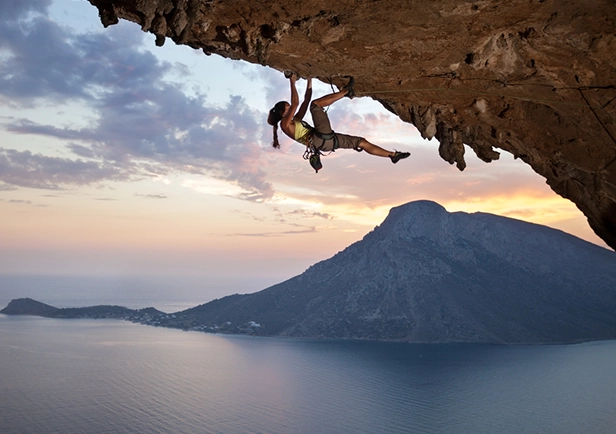
The subtle error? Climbers often go in peak summer (August). It's blazing hot. The season is long—spring and fall are perfect.
The Nitty-Gritty Details
Location: Kalymnos Island, Dodecanese, Greece.
Best Season: March-May and September-November. Warm but not scorching.
Getting There:into Kos International Airport (KGS) or Athens (ATH). From Kos, a 45-minute ferry to Kalymnos.
The Vibe: Relaxed, social, and focused on fun. The Kalymnos Climbing Festival in October is a blast.
Crag Logistics: Most crags are a 5-20 minute scooter ride from the main town of Masouri. Rent a scooter. Guidebooks are sold everywhere. The rock is sharp—bring tape and a good skin-care kit.
4. Patagonia (Argentina/Chile): The Big Wall & Alpine Test
Patagonia is a mood. It's raw, unpredictable, and humbling. The iconic Fitz Roy and Cerro Torre massifs in El Chaltén, Argentina, offer some of the planet's most committing alpine climbing. The weather is the main opponent—windows of good conditions can be short and fierce.
This isn't a place for your first multi-pitch. But even if you're not attempting a summit, the hiking and lower-grade climbs are phenomenal. A mistake I made early on: bringing overly ambitious objectives. Have a flexible plan with options for bad weather (like bouldering or the fantastic ice climbing nearby).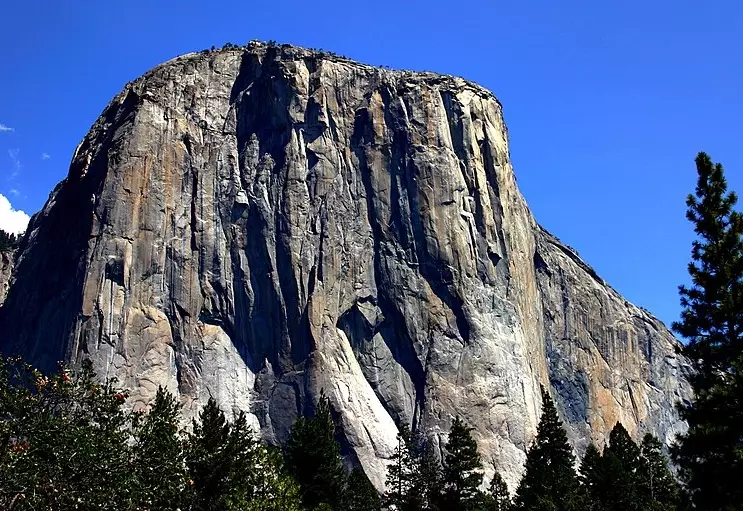
The Nitty-Gritty Details
Location: Primary hub is El Chaltén, Argentina (for Fitz Roy area) or Cochrane, Chile (for the more remote Patagonia Park).
Best Season: The short Austral summer: December to early March. Even then, expect all four seasons in a day.
Getting There: Fly into El Calafate (FTE), Argentina. A 3-hour bus to El Chaltén. Book buses in advance.
The Vibe: Expeditionary, patient, and rugged. The town is purely functional for climbers and trekkers.
Critical Beta: You don't need permits for most climbs, but register your itinerary with the Park Rangers Office in town. Their weather forecasts are gospel. Pack for hurricane-force winds even on "clear" days.
5. The Himalayas (Nepal): The Ultimate High-Altitude Quest
This is the big leagues. Nepal isn't just a destination; it's a transformative journey. The scale is incomprehensible until you're there. While Everest garners headlines, the real gems for climbing purists are the 6,000m and 7,000m "trekking peaks" like Island Peak (Imja Tse) or more technical objectives in the Khumbu and Annapurna regions.
A crucial, often-unspoken point: Success here is 30% fitness, 70% logistics and acclimatization. Choosing a reputable, ethical guiding service is the most important decision you'll make.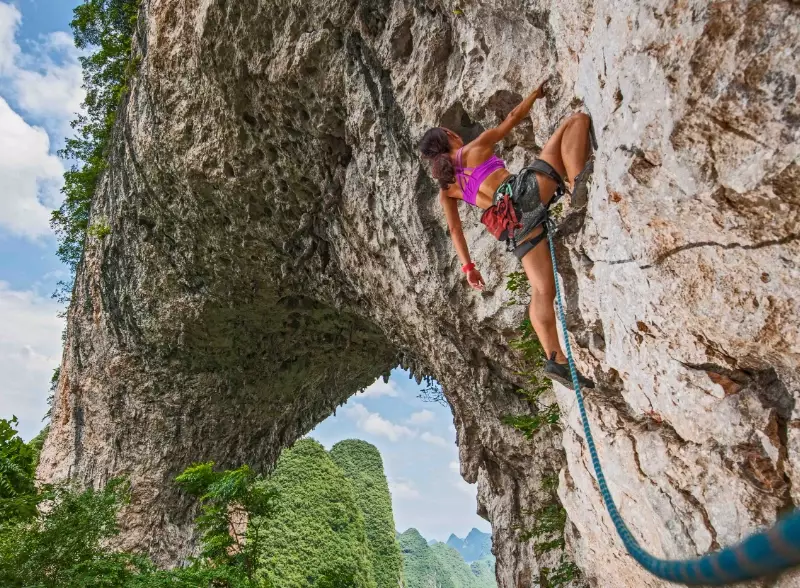
The Nitty-Gritty Details
Location: Nepal. Khumbu (Everest region), Annapurna Sanctuary, and Langtang are key areas.
Best Season: Pre-monsoon (April-May) and Post-monsoon (October-November). Clear skies, stable weather.
Getting There: Fly into Tribhuvan International Airport (KTM) in Kathmandu. Domestic flights or long treks to reach base areas.
The Vibe: Spiritual, arduous, and deeply cultural. It's a full-immersion experience.
Logistics & Ethics: All climbing requires a permit from the Nepal Department of Tourism. You must go through a registered Nepali company. Research their treatment of Sherpa staff and environmental practices. This is non-negotiable for responsible climbing.
Local Insight: In each of these places, spending a little money locally goes a long way. Hire a local guide for a day to learn the area's nuances, even if you're an experienced climber. You'll get better beta, support the economy, and often discover hidden gems.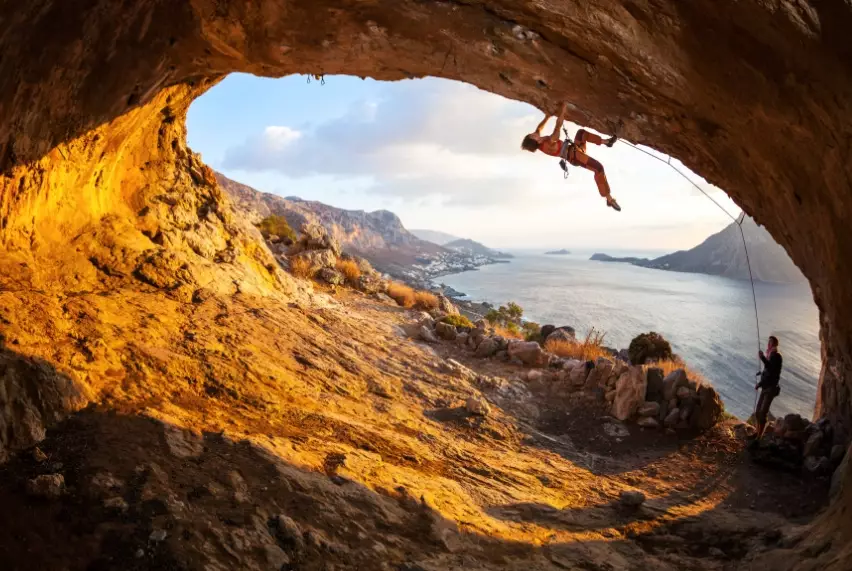
How to Choose Your Next Climbing Destination
Don't just pick the prettiest photo. Match the destination to your current skills, goals, and trip style. Ask yourself:
- What's my primary discipline? Sport (Kalymnos), Trad/Big Wall (Yosemite), Alpine (Chamonix, Patagonia), or High-Altitude (Himalayas).
- What's my tolerance for suffering vs. comfort? Kalymnos is luxury. A Patagonia weather window hunt is an exercise in patience.
- What's my budget and time frame? A week in Kalymnos is easy. A Himalayan expedition requires weeks and significant funds.
- Who am I going with? Is your partner on the same page technically and psychologically?
Start with the closest match to your current ability and dream outward from there.
Your Climbing Trip Questions, Answered
The world is full of incredible rock, ice, and mountains. These five spots are benchmarks for a reason. They challenge you, change you, and keep you coming back for more. Pick one, plan smart, and go get on some real rock.